Property Owners Association Bylaws Fort Pierce Fl In Georgia
Description

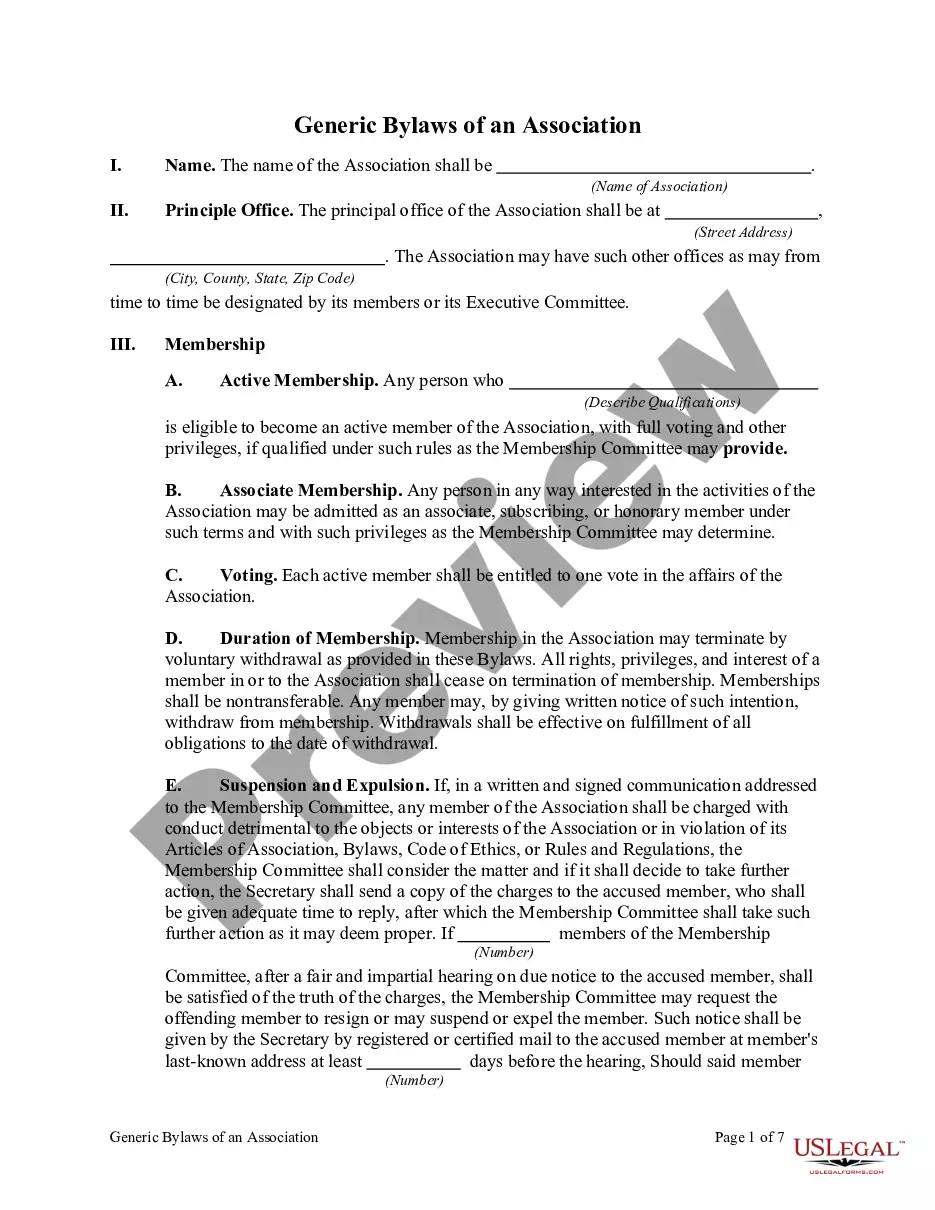
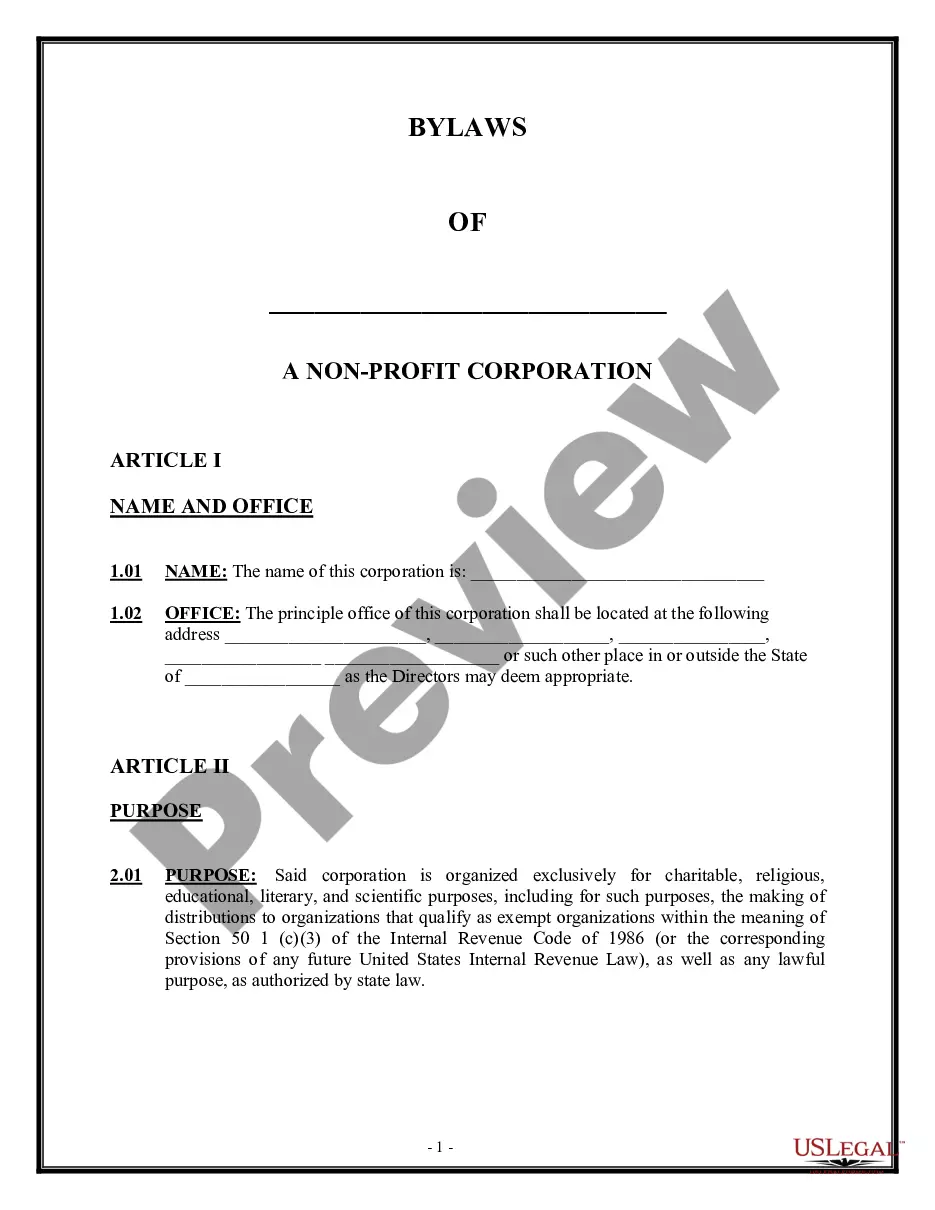
Get your form ready online
Our built-in tools help you complete, sign, share, and store your documents in one place.
Make edits, fill in missing information, and update formatting in US Legal Forms—just like you would in MS Word.
Download a copy, print it, send it by email, or mail it via USPS—whatever works best for your next step.
Sign and collect signatures with our SignNow integration. Send to multiple recipients, set reminders, and more. Go Premium to unlock E-Sign.
If this form requires notarization, complete it online through a secure video call—no need to meet a notary in person or wait for an appointment.
We protect your documents and personal data by following strict security and privacy standards.

Make edits, fill in missing information, and update formatting in US Legal Forms—just like you would in MS Word.

Download a copy, print it, send it by email, or mail it via USPS—whatever works best for your next step.

Sign and collect signatures with our SignNow integration. Send to multiple recipients, set reminders, and more. Go Premium to unlock E-Sign.

If this form requires notarization, complete it online through a secure video call—no need to meet a notary in person or wait for an appointment.

We protect your documents and personal data by following strict security and privacy standards.
Looking for another form?



Form popularity
FAQ
The Florida Homeowners' Association Act, Chapter 720 of the Florida Statutes, states that amendments to “governing documents” for homeowners' associations are not effective until they are recorded in the public records of the county in which the community is located.
The Georgia Property Owners' Association Act (POAA) is a Georgia law, adopted in 1994, specifically for homeowners associations. The POAA was created to define the power and authority of property owner/homeowner associations, similar to laws governing inium associations.
Also, for the decisions made by an HOA, except for the cases provided for by Article 7(4) of this Law, the HOA members shall be liable, personally and jointly, in proportion to their share in the common property of HOA members.
Under Georgia law, HOAs have the power to enforce community rules, collect dues, and maintain common areas. These rights are outlined in their governing documents. The Georgia inium Association Act regulates many of these activities, ensuring compliance with state laws.
There are both voluntary and mandatory HOAs in Georgia, which means that in some communities, it is compulsory to become a member when you move to the area, and the only way to leave is to sell your home or request that your property be removed.
The POA was created to define the power and authority of homeowner associations, similar to those laws governing inium associations. The primary purpose of the POA is to strengthen HOA collection powers. The Property Owners' Association Act is a VOLUNTARY law.
Keep in mind that anyone can see HOA records that have been filed with the Florida Secretary of State online, which include documents pertaining to the formation of an HOA, financial statements and annual reports, and the records of the dissolution of an HOA.
Copies of the Articles of Incorporation and bylaws of the homeowners association can be obtained from the Florida Department of State, Division of Corporations. Copies of the governing documents may also be obtained directly from the homeowners association.
3. How Much Are The Average HOA Fees In NC? StateAverage HOA Fees Virginia $600 - $1,500 per year Tennessee $150 per month South Carolina $200 - $300 per month Georgia $290 per month
The Property Owners' Association Act oversees the creation, management, authority, and functions of the HOAs in Georgia. It's important to note here that associations can be formed under the POAA or using common law principles. In such cases, this act will not apply.
