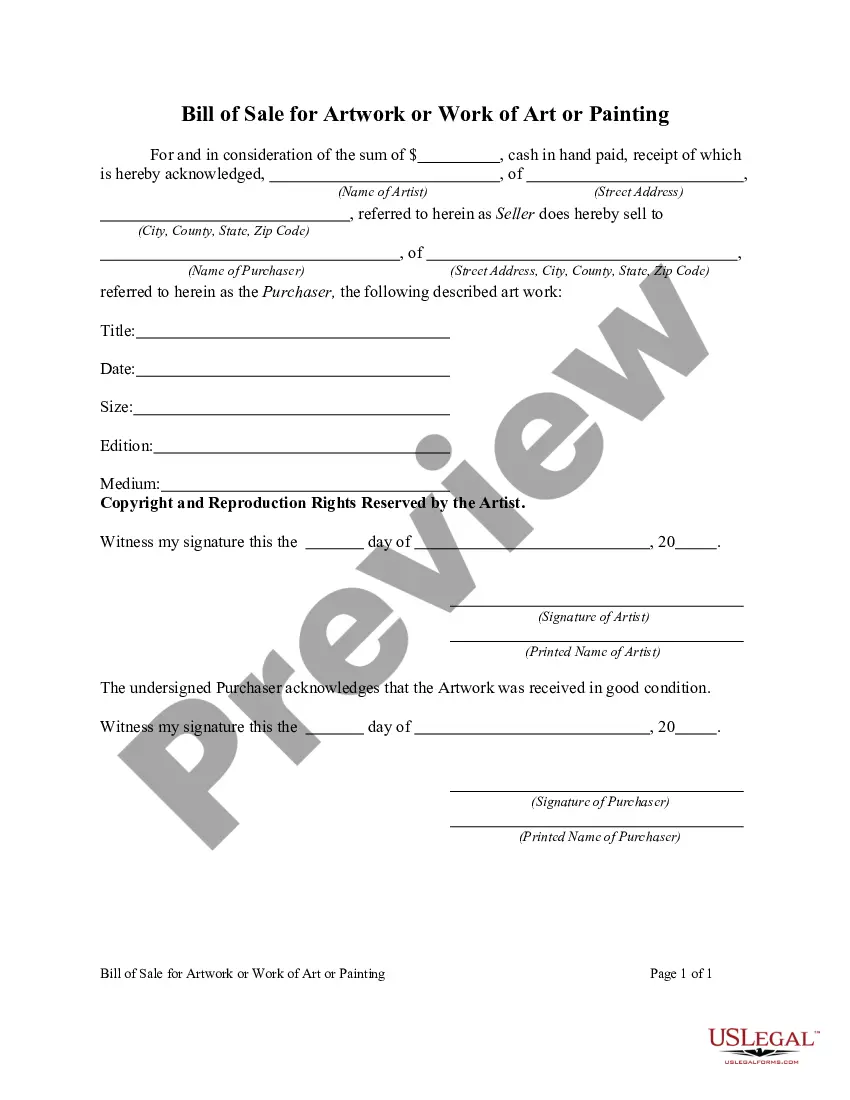
Bill Sale Art Sample For Job Application In Travis
Description
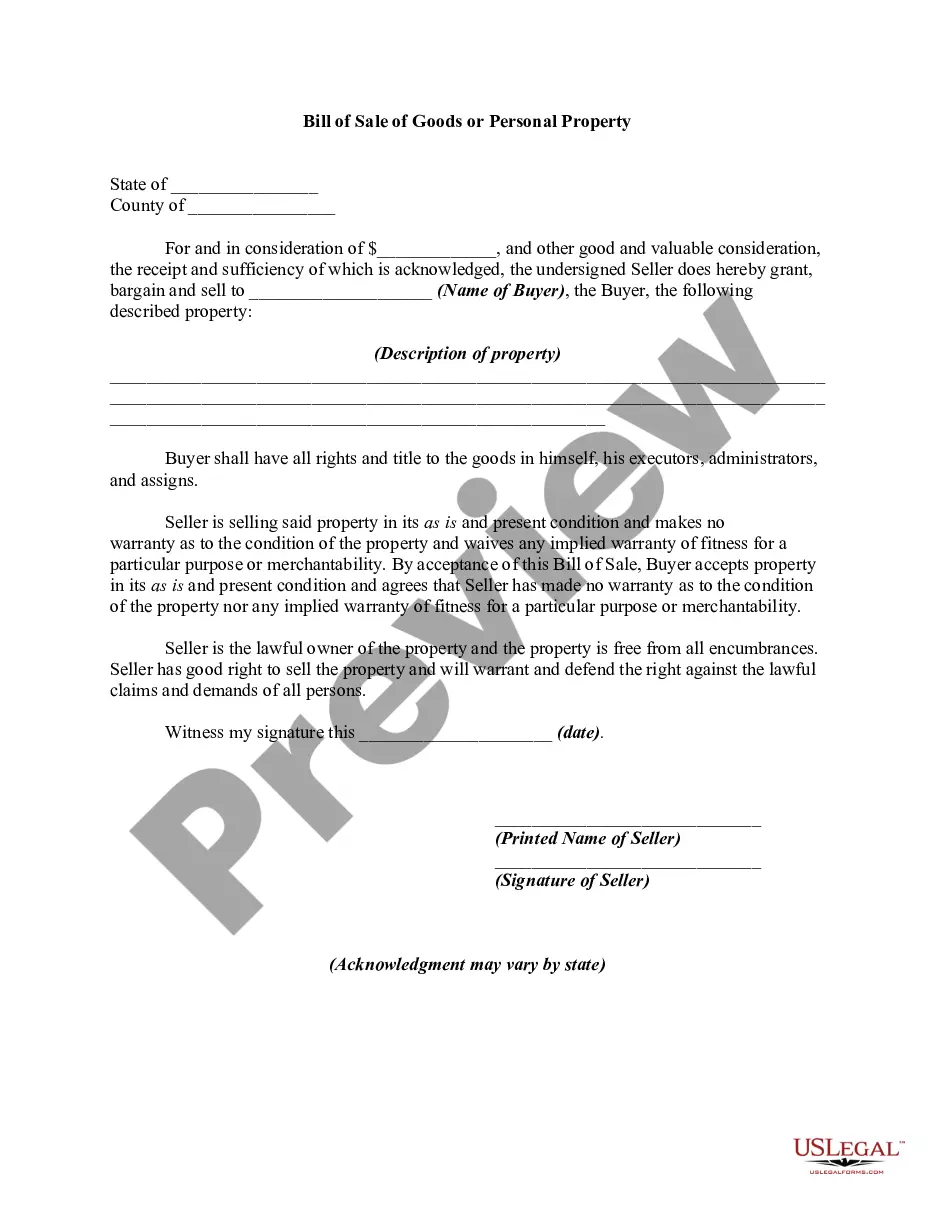
Get your form ready online
Our built-in tools help you complete, sign, share, and store your documents in one place.
Make edits, fill in missing information, and update formatting in US Legal Forms—just like you would in MS Word.
Download a copy, print it, send it by email, or mail it via USPS—whatever works best for your next step.
Sign and collect signatures with our SignNow integration. Send to multiple recipients, set reminders, and more. Go Premium to unlock E-Sign.
If this form requires notarization, complete it online through a secure video call—no need to meet a notary in person or wait for an appointment.
We protect your documents and personal data by following strict security and privacy standards.

Make edits, fill in missing information, and update formatting in US Legal Forms—just like you would in MS Word.

Download a copy, print it, send it by email, or mail it via USPS—whatever works best for your next step.

Sign and collect signatures with our SignNow integration. Send to multiple recipients, set reminders, and more. Go Premium to unlock E-Sign.

If this form requires notarization, complete it online through a secure video call—no need to meet a notary in person or wait for an appointment.

We protect your documents and personal data by following strict security and privacy standards.
Looking for another form?



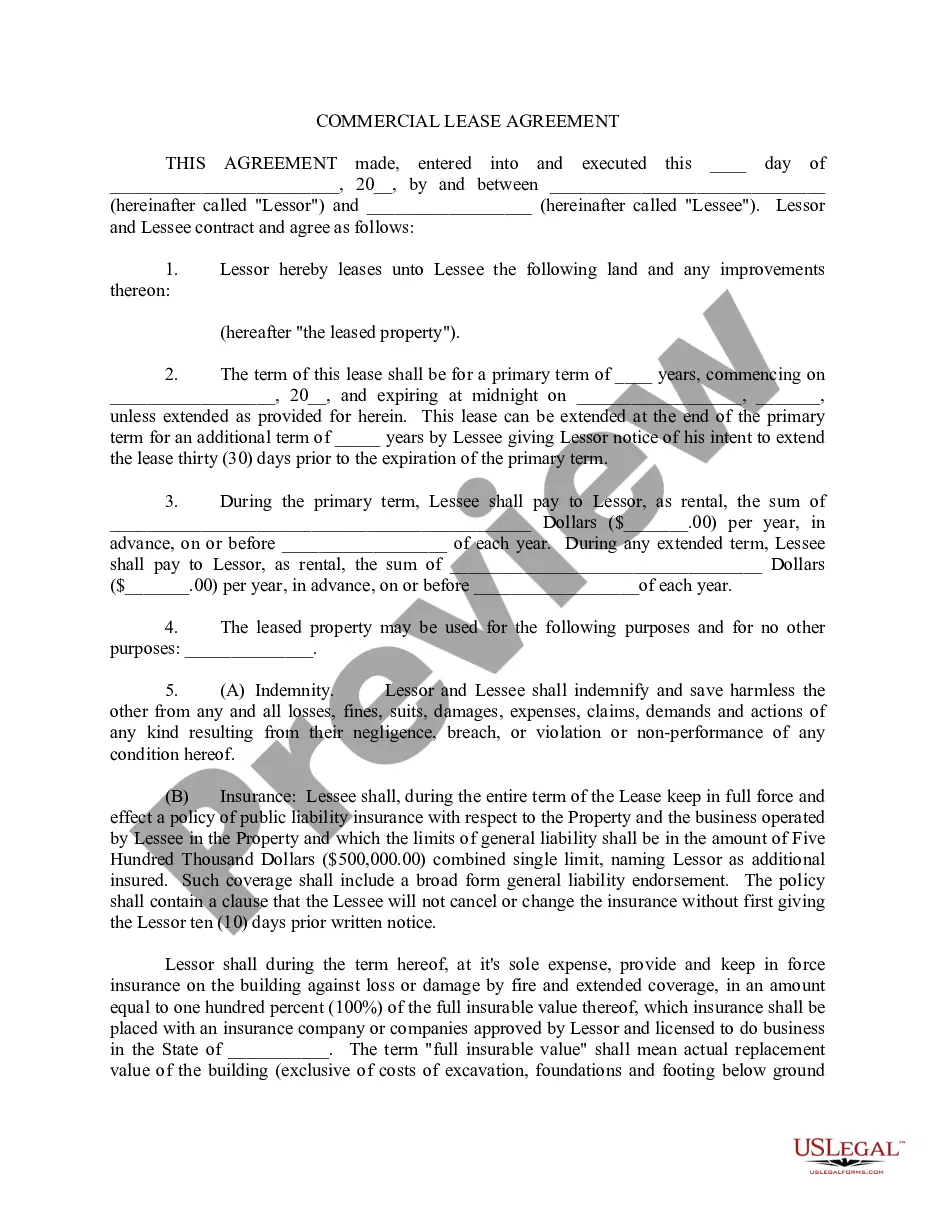





Form popularity
FAQ
The seller is responsible for drawing up the document, but who should keep the bill of sale once the terms are settled, the documents signed, and the transaction finalized? The short answer is that both the buyer and seller should retain the bill of sale for their records.
Yes, you may notarize a signature on a document that includes handwritten paragraphs. A document can be typed or handwritten. If the notarial certificate under the signature is not included, be sure to attach a loose certificate chosen by your customer.
On your invoice, you should include: Your details. Your business name and address. Your buyer's details. Your buyer's name and address. Information about the artwork. Separate line items for each product or service delivered. Information about the payment terms. Your hourly rate, if relevant.
When filling out an artist invoice, include your business name and contact information, the client's details, a description of the artwork or service provided, and the associated costs. Make sure to specify payment terms, due dates, and any additional charges such as taxes or shipping, if applicable.
Yes, you can invoice yourself even if you don't have an official company structure like an LLC or corporation, especially if you're working as a freelancer or self-employed individual.
Start with a blank Google Doc or Word document. Enter your name or business name and contact information on the top left, then add your company logo if you have one on the top right. Add your buyer's name and contact information. To the right of this, add the invoice number, invoice data, and payment due date.
Offer Special Promotions and Incentives: To attract potential buyers and generate interest in your artwork, consider offering special promotions, discounts, or incentives. Host online sales events, limited-time offers, or exclusive previews for your loyal followers and subscribers.
It can be reasonable to reject job applicants for not providing a cover letter if it's explicitly requested as part of the application process. Oftentimes, employers use cover letters to assess candidates' motivation, attention to detail, and communication skills. For further insights, visit my Quora Profile.
Yes! When you're applying for a job within the same company, you're not starting from scratch. The hiring manager already knows you and has very easy access to a reference check, so your cover letter must reflect proximity. Balancing familiarity with professionalism is key.
If you're looking to land a new job within your current company — whether that's a promotion or a lateral transfer — you may have to write a cover letter for an internal position to formally apply for the role.