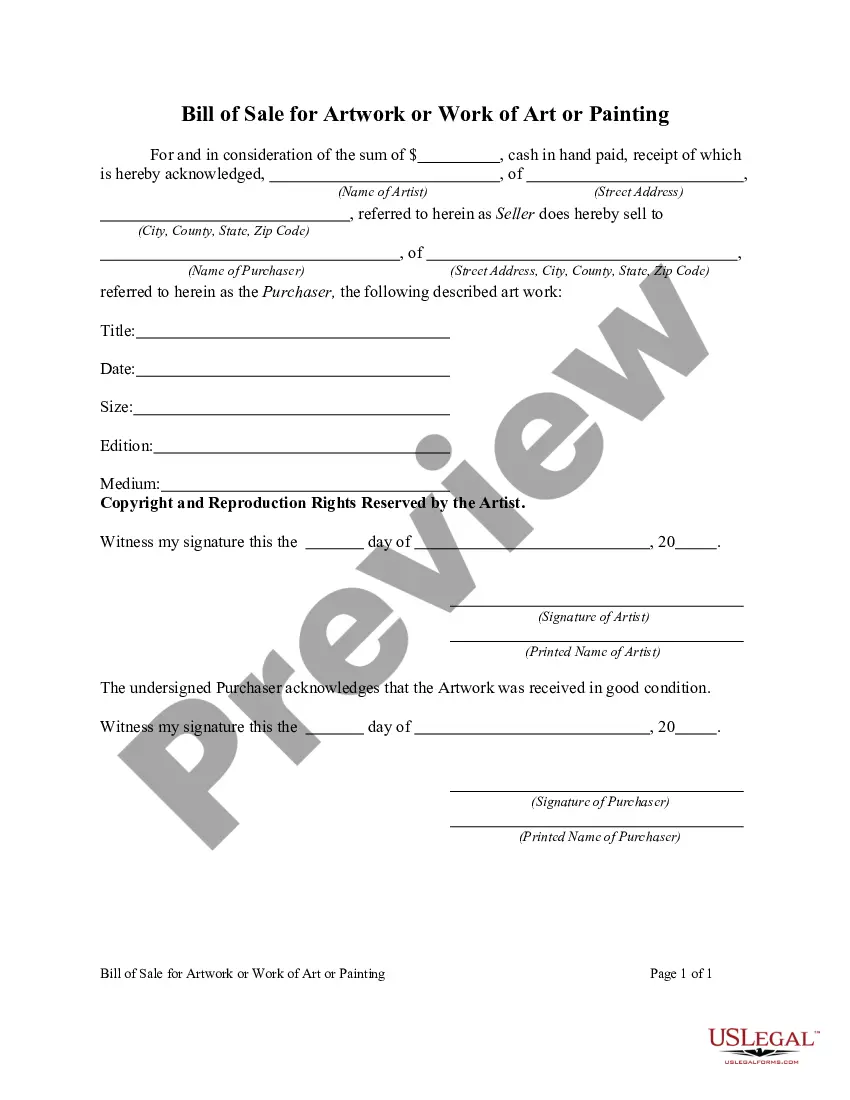
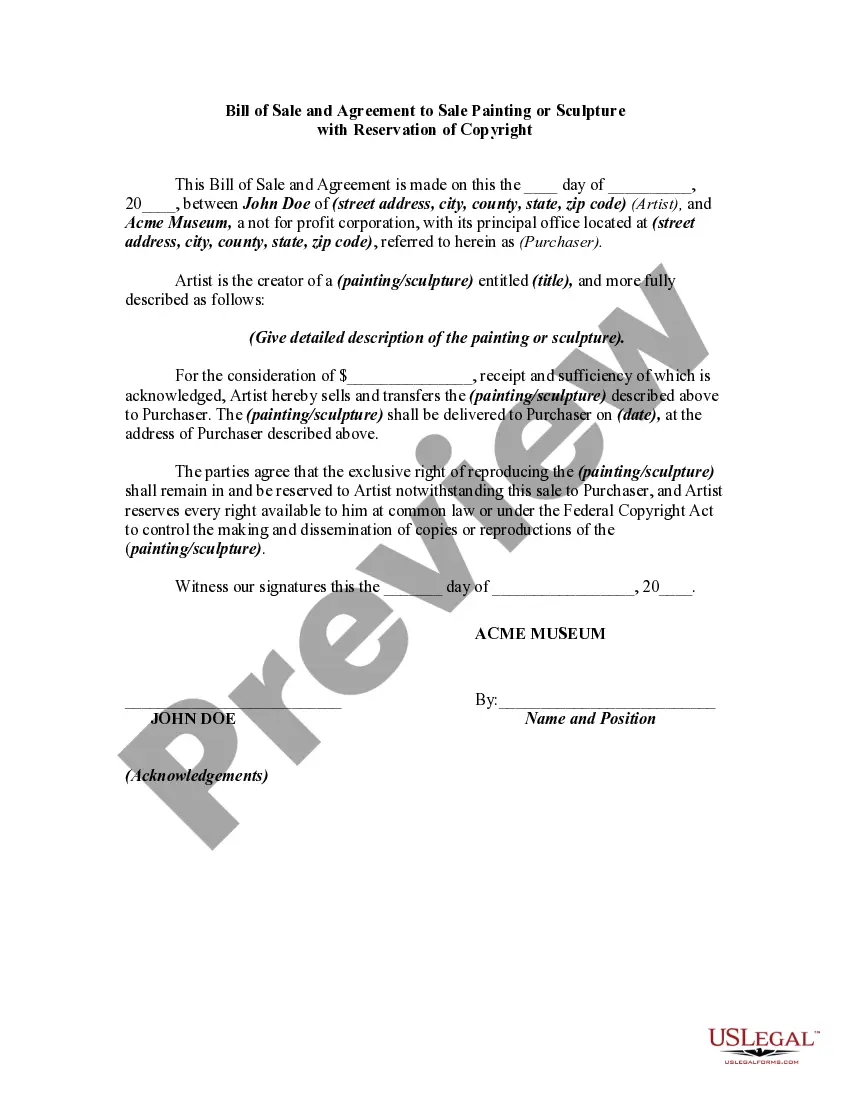
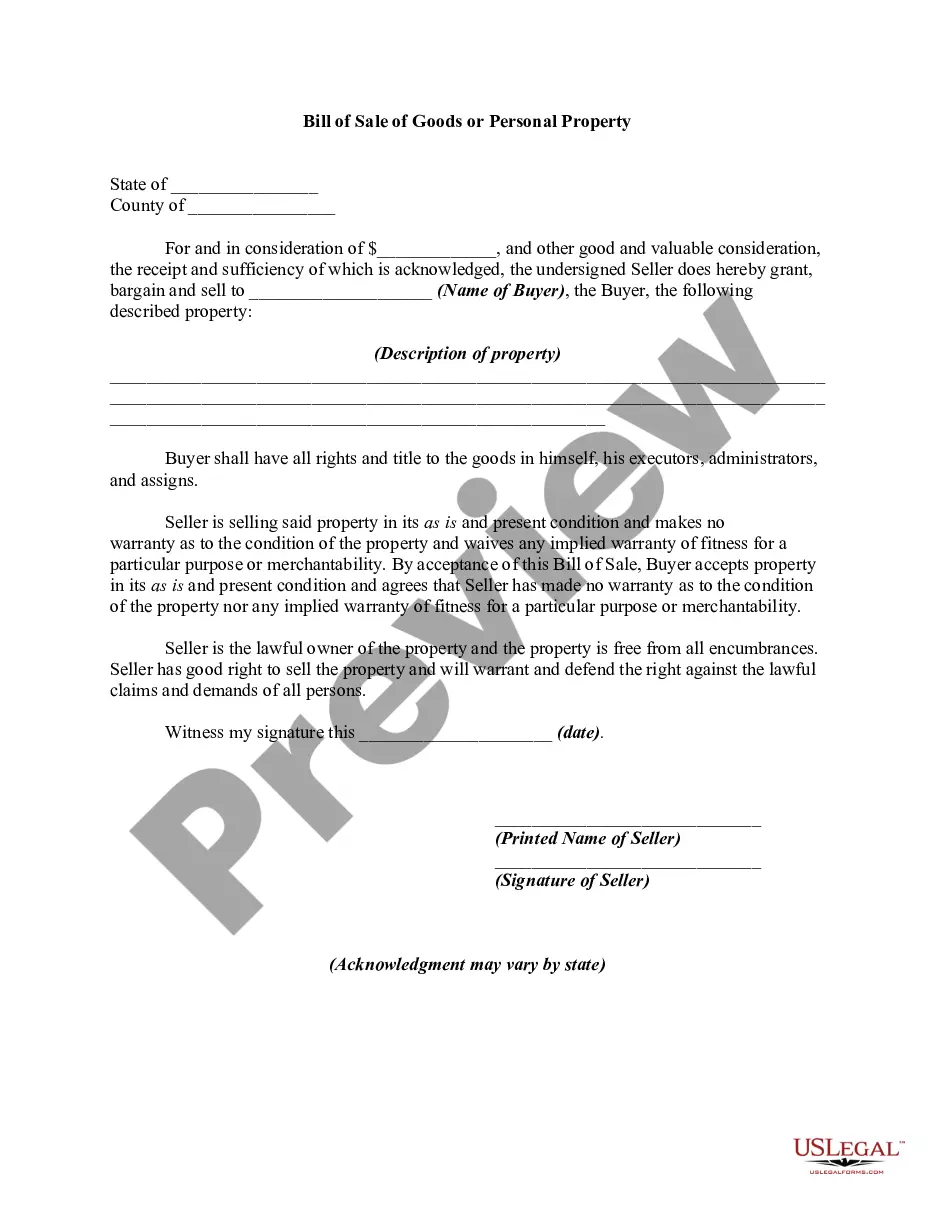
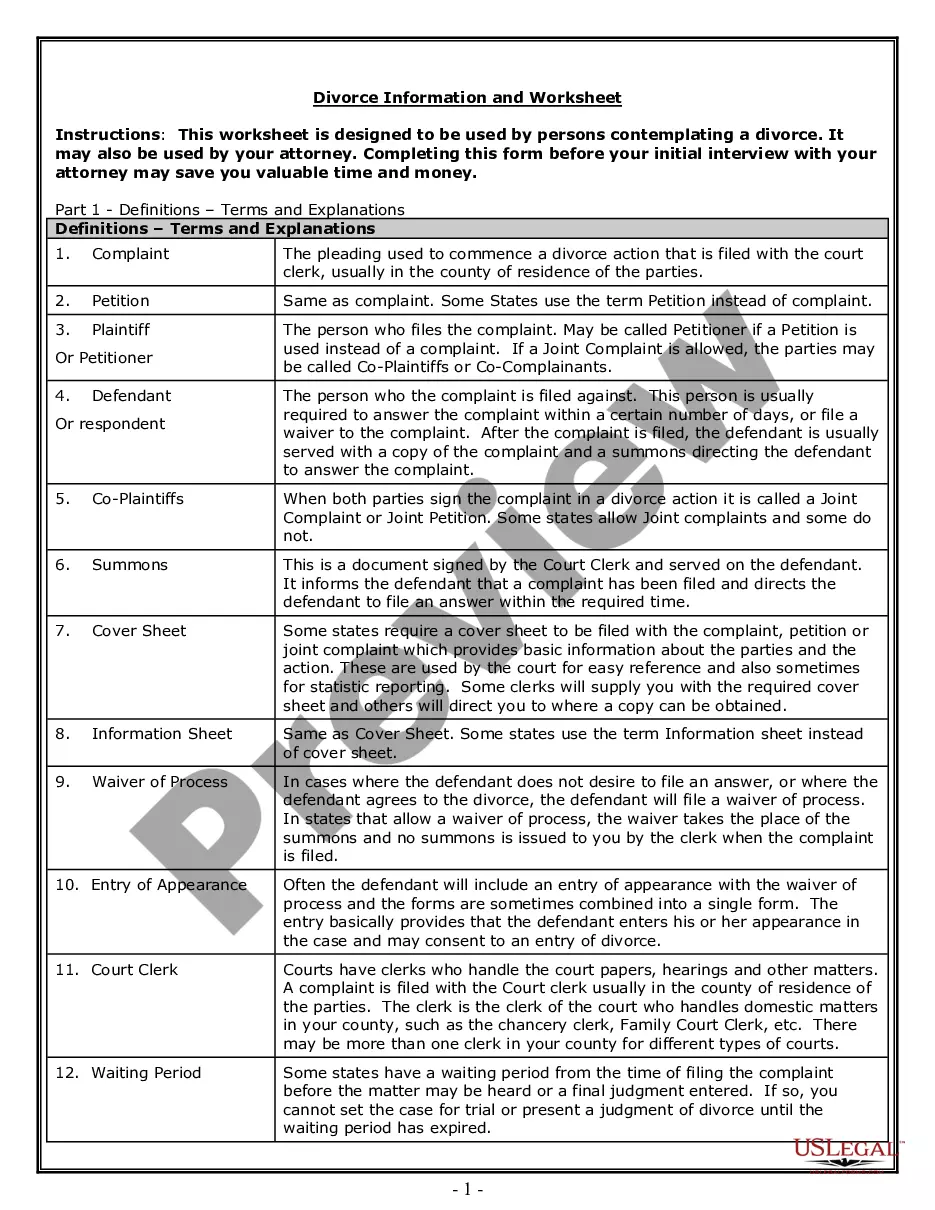
Bill Sales Art Sample With Vat In Orange
Description
Get your form ready online
Our built-in tools help you complete, sign, share, and store your documents in one place.
Make edits, fill in missing information, and update formatting in US Legal Forms—just like you would in MS Word.
Download a copy, print it, send it by email, or mail it via USPS—whatever works best for your next step.
Sign and collect signatures with our SignNow integration. Send to multiple recipients, set reminders, and more. Go Premium to unlock E-Sign.
If this form requires notarization, complete it online through a secure video call—no need to meet a notary in person or wait for an appointment.
We protect your documents and personal data by following strict security and privacy standards.

Make edits, fill in missing information, and update formatting in US Legal Forms—just like you would in MS Word.

Download a copy, print it, send it by email, or mail it via USPS—whatever works best for your next step.

Sign and collect signatures with our SignNow integration. Send to multiple recipients, set reminders, and more. Go Premium to unlock E-Sign.

If this form requires notarization, complete it online through a secure video call—no need to meet a notary in person or wait for an appointment.

We protect your documents and personal data by following strict security and privacy standards.
Looking for another form?







Form popularity
FAQ
What to include on a standard invoice 'Invoice' Your company name and contact details. Customer's name and address. Invoice date. Invoice number. PO number (if applicable) Invoice due date. Description of items sold, or services provided.
Yes, you can invoice yourself even if you don't have an official company structure like an LLC or corporation, especially if you're working as a freelancer or self-employed individual.
How to create an invoice Include your company information. Name your invoice. Include an invoice ID. Date your invoice. Provide an itemized list of goods and services. Calculate fees and the total amount due. Include payment terms and notes. Double-check information before sending.
Here's a reference for what to include in a handwritten invoice: Business contact information. Itemized list of products and services. Payment terms. Invoice date. Invoice number. Client contact information. Total amount due.
On your invoice, you should include: Your details. Your business name and address. Your buyer's details. Your buyer's name and address. Information about the artwork. Separate line items for each product or service delivered. Information about the payment terms. Your hourly rate, if relevant.
The current applicable GST on paintings and other artwork is 5% and 12% respectively. Chapter 97 of the HSN code contains both artwork GST rates and HSN code details.
At the top of the document should be a caption that identifies the bill as a VAT invoice, and your business name should follow that. Then comes your contact information, including email address, mailing address, phone number, contact address, and website.
You only need to register to collect VAT if your income is over a certain amount. You get charged VAT on: Products. This includes artworks or other physical things you make.
Standard rate applies to the supply of paint and similar products, including intumescent protective or sealant paint. However, paint provided as part of a painting service is liable at the Reduced rate, subject to the 2/3 rule.