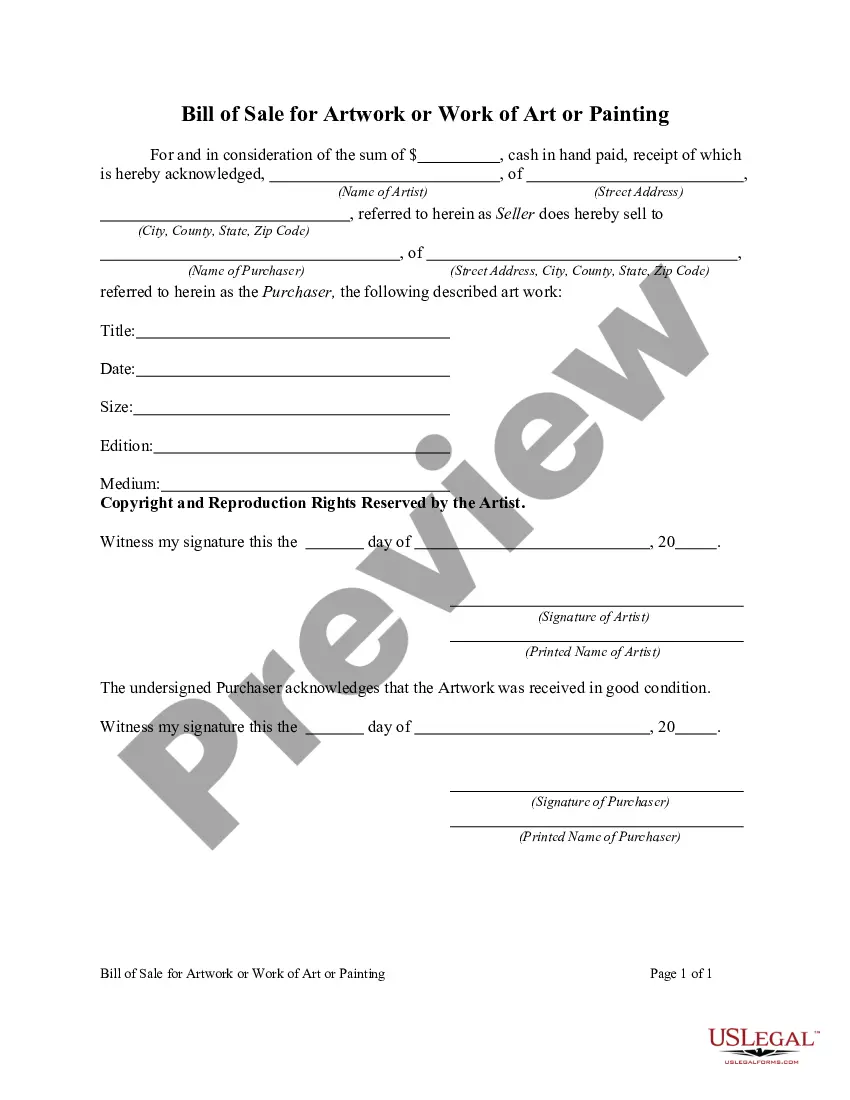
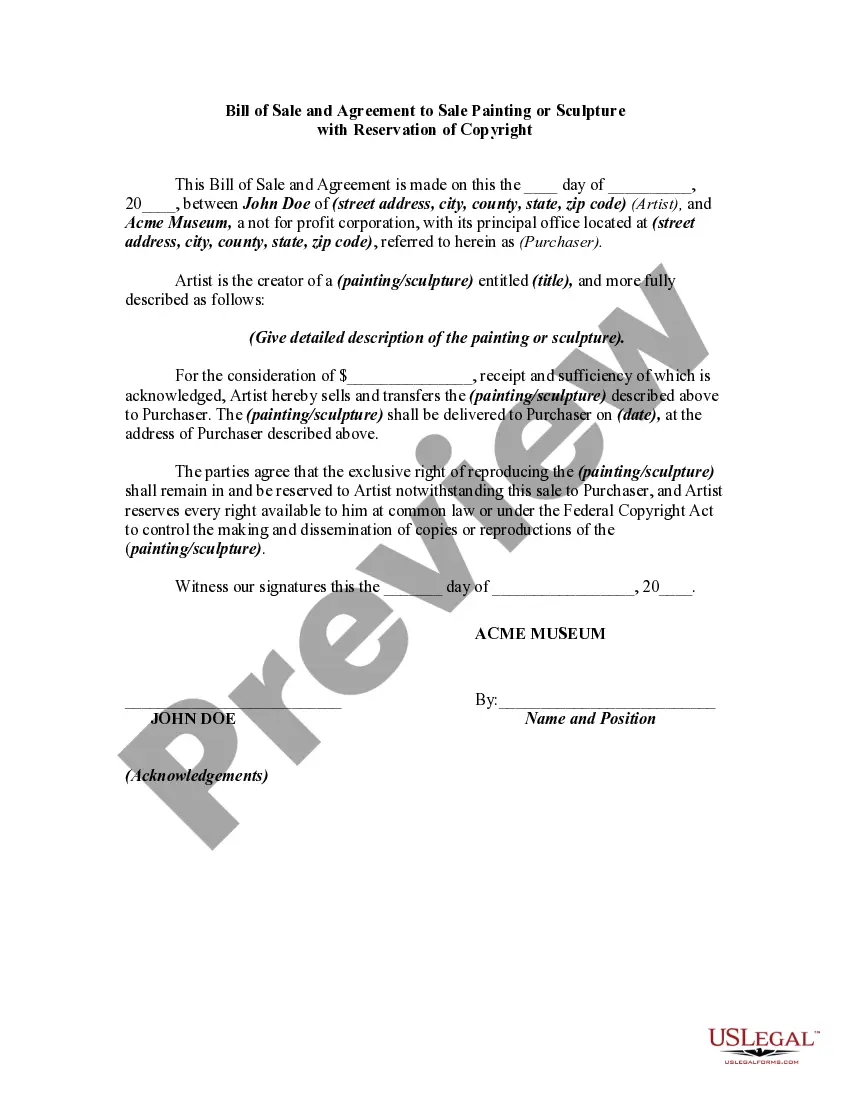
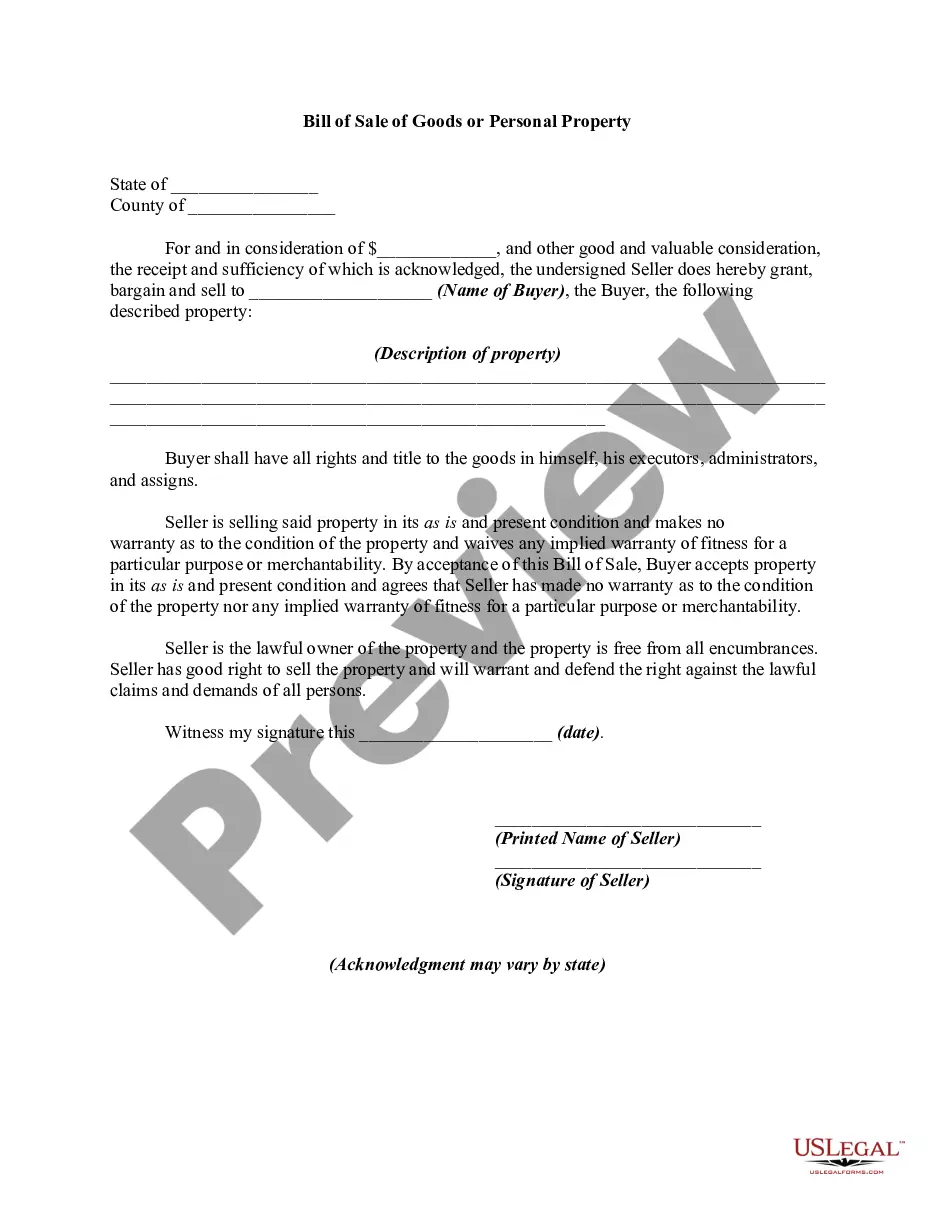
Bill Sales Art Sample With Vat In Massachusetts
Description
Get your form ready online
Our built-in tools help you complete, sign, share, and store your documents in one place.
Make edits, fill in missing information, and update formatting in US Legal Forms—just like you would in MS Word.
Download a copy, print it, send it by email, or mail it via USPS—whatever works best for your next step.
Sign and collect signatures with our SignNow integration. Send to multiple recipients, set reminders, and more. Go Premium to unlock E-Sign.
If this form requires notarization, complete it online through a secure video call—no need to meet a notary in person or wait for an appointment.
We protect your documents and personal data by following strict security and privacy standards.

Make edits, fill in missing information, and update formatting in US Legal Forms—just like you would in MS Word.

Download a copy, print it, send it by email, or mail it via USPS—whatever works best for your next step.

Sign and collect signatures with our SignNow integration. Send to multiple recipients, set reminders, and more. Go Premium to unlock E-Sign.

If this form requires notarization, complete it online through a secure video call—no need to meet a notary in person or wait for an appointment.

We protect your documents and personal data by following strict security and privacy standards.
Looking for another form?





Form popularity
FAQ
Tangible personal property is taxable in Massachusetts, with a few exceptions. These exceptions include clothing costing less than $175, most non-restaurant food and groceries, several health care and sanitation items, prescribed medical devices, and periodicals.
For most taxpayers, Massachusetts has a flat income tax of 5 percent. In November 2022, Bay State voters approved an additional 4 percent tax on annual income above $1 million, beginning in tax year 2023. Annual income above $1 million (adjusted annually for inflation) is taxed at 9 percent.
Income items included in both Massachusetts and federal taxable income but with differences: Capital Gains Massachusetts taxes most long-term gains at 5% and taxes long-term gains from the sale or exchange of collectibles at 12% (subject to a 50% deduction).
Massachusetts imposes a 6.25% sales and use tax on all tangible, physical products being sold to a consumer and on certain services.
The sales tax rate in Massachusetts is 6.25%. This applies to all tangible property. Art – including paintings, photographs, and sculptures – definitely falls into this category. Even if you just sell one painting or photograph across a year you owe sales tax to the State of Massachusetts for that sale.
A city or town may impose a local option meals excise of 0.75% on sales of restaurant meals sourced within that city or town. This local excise is imposed in addition to the 6.25% state sales tax on meals, bringing the effective tax rate on sales of meals to 7% in a city or town adopting the local option.
The sales tax rate in Massachusetts is 6.25%. This applies to all tangible property. Art – including paintings, photographs, and sculptures – definitely falls into this category. Even if you just sell one painting or photograph across a year you owe sales tax to the State of Massachusetts for that sale.
Sales Tax ID: Massachusetts requires sellers of tangible personal property, including artwork, to collect and remit sales tax. You may need to obtain a sales tax permit (sometimes referred to as a reseller's certificate or sales tax ID) through the Massachusetts Department of Revenue.
Some customers are exempt from paying sales tax under Massachusetts law. Examples include government agencies, some nonprofit organizations, and merchants purchasing goods for resale. Sellers are required to collect a valid exemption or resale certificate from buyers to validate each exempt transaction.