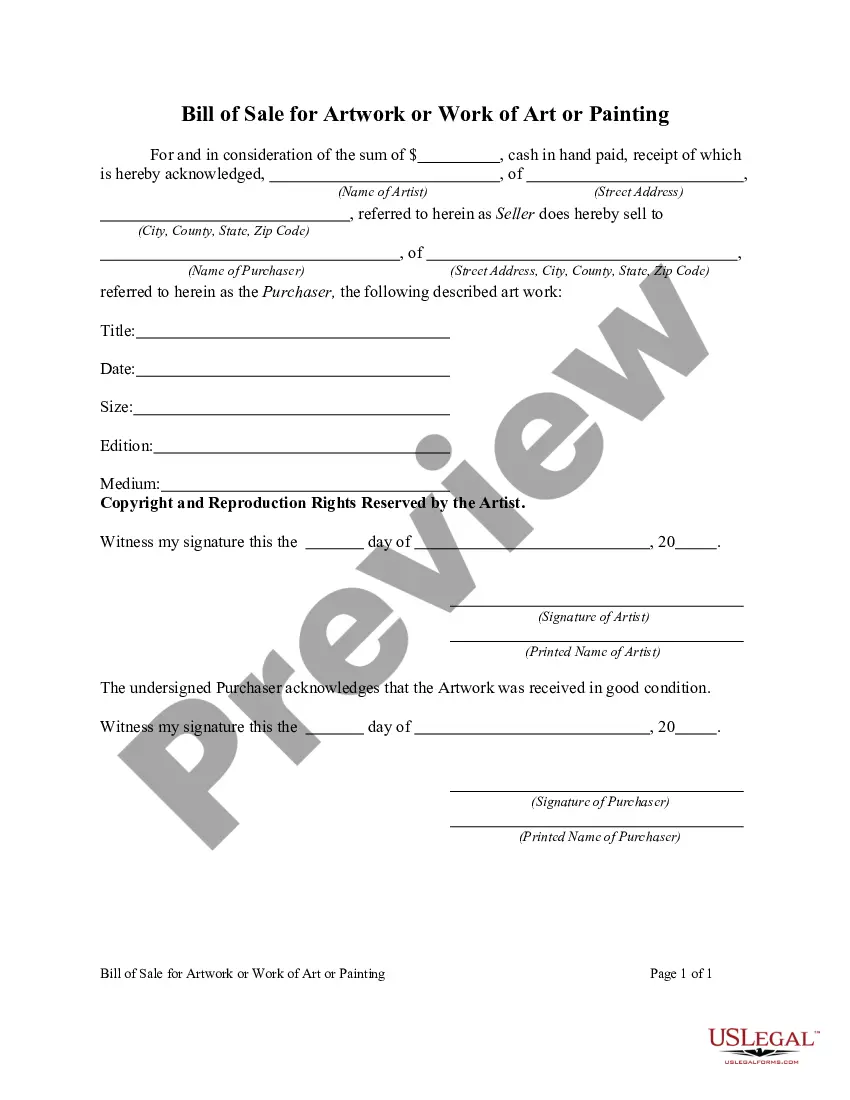
Bill Sale Art Sample Without Payment In Cook
Description
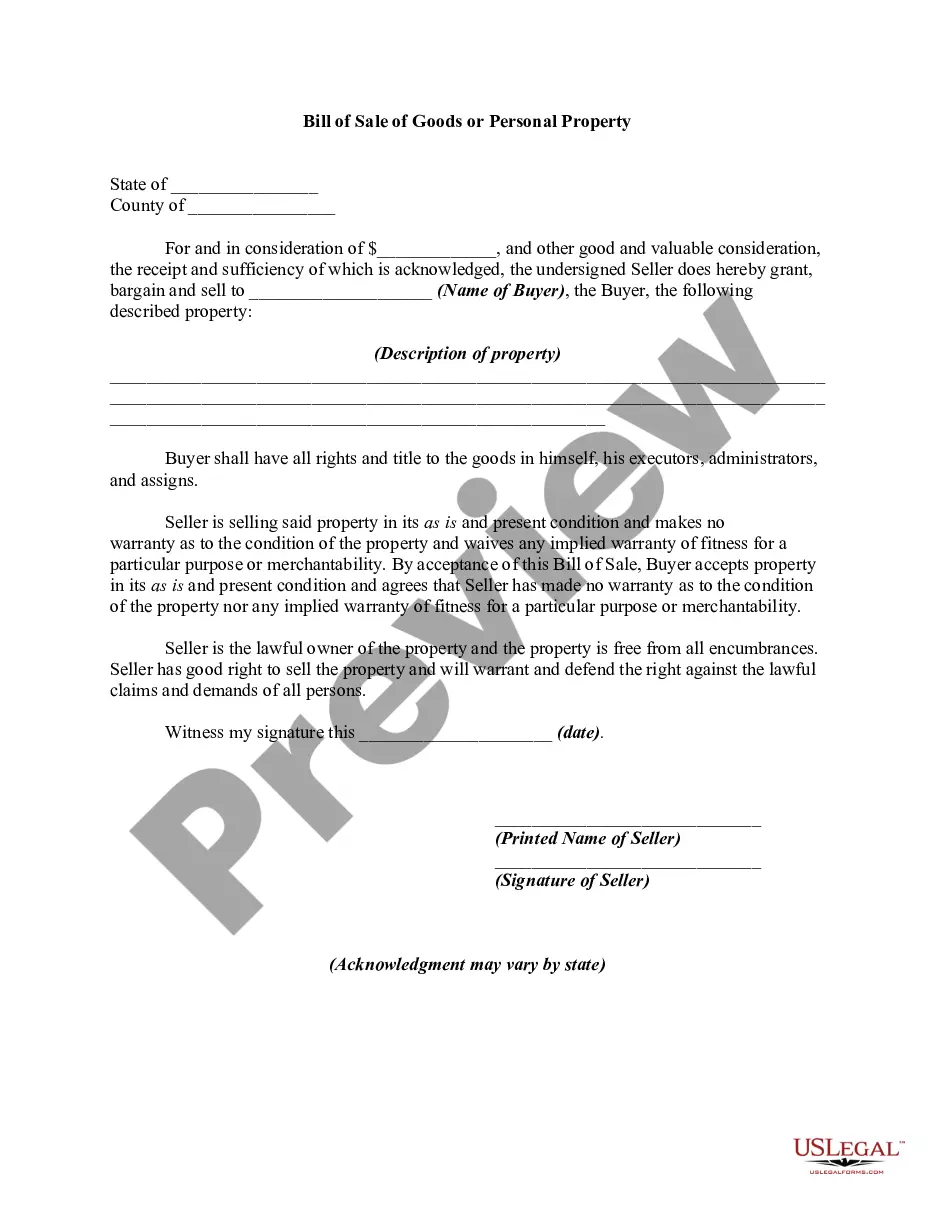
Get your form ready online
Our built-in tools help you complete, sign, share, and store your documents in one place.
Make edits, fill in missing information, and update formatting in US Legal Forms—just like you would in MS Word.
Download a copy, print it, send it by email, or mail it via USPS—whatever works best for your next step.
Sign and collect signatures with our SignNow integration. Send to multiple recipients, set reminders, and more. Go Premium to unlock E-Sign.
If this form requires notarization, complete it online through a secure video call—no need to meet a notary in person or wait for an appointment.
We protect your documents and personal data by following strict security and privacy standards.

Make edits, fill in missing information, and update formatting in US Legal Forms—just like you would in MS Word.

Download a copy, print it, send it by email, or mail it via USPS—whatever works best for your next step.

Sign and collect signatures with our SignNow integration. Send to multiple recipients, set reminders, and more. Go Premium to unlock E-Sign.

If this form requires notarization, complete it online through a secure video call—no need to meet a notary in person or wait for an appointment.

We protect your documents and personal data by following strict security and privacy standards.
Looking for another form?
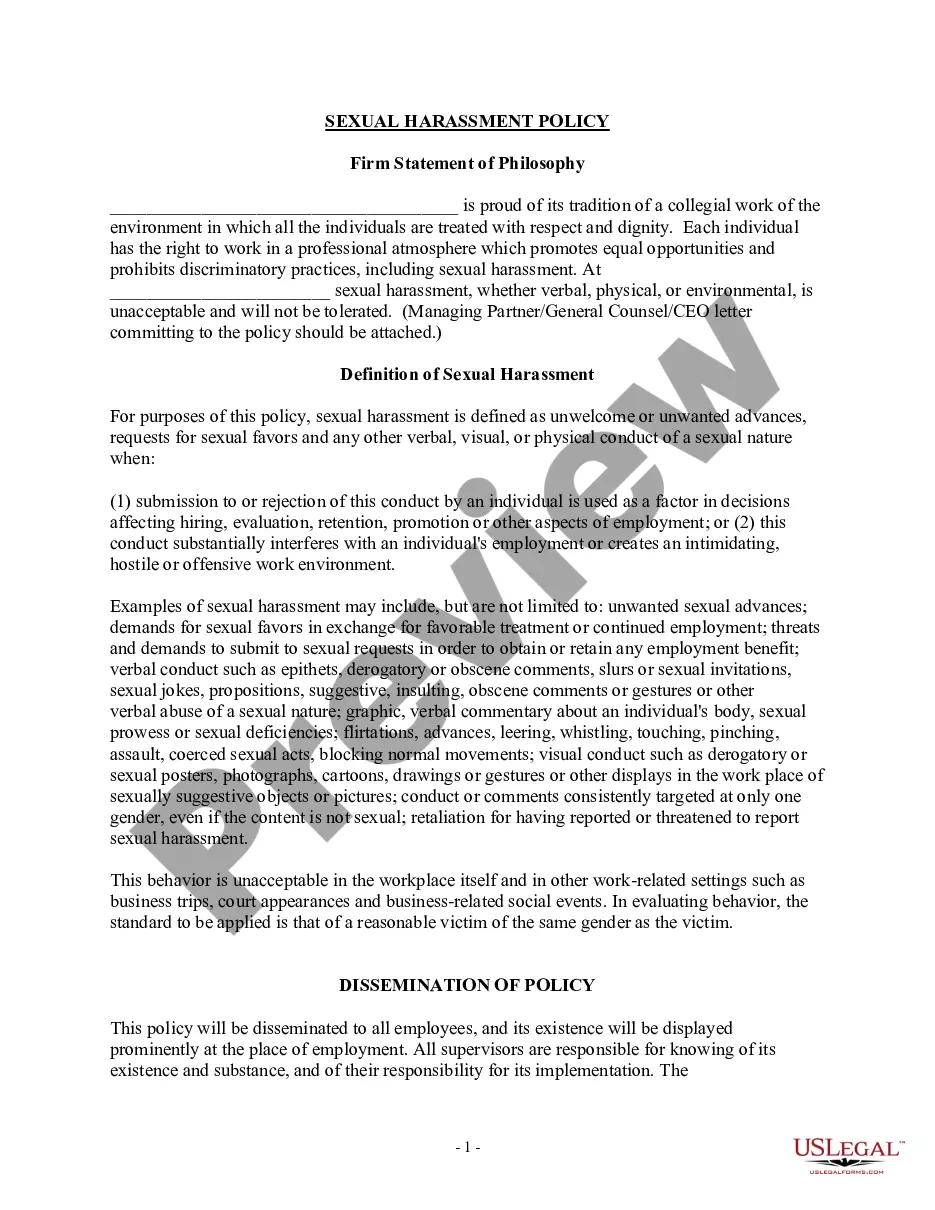



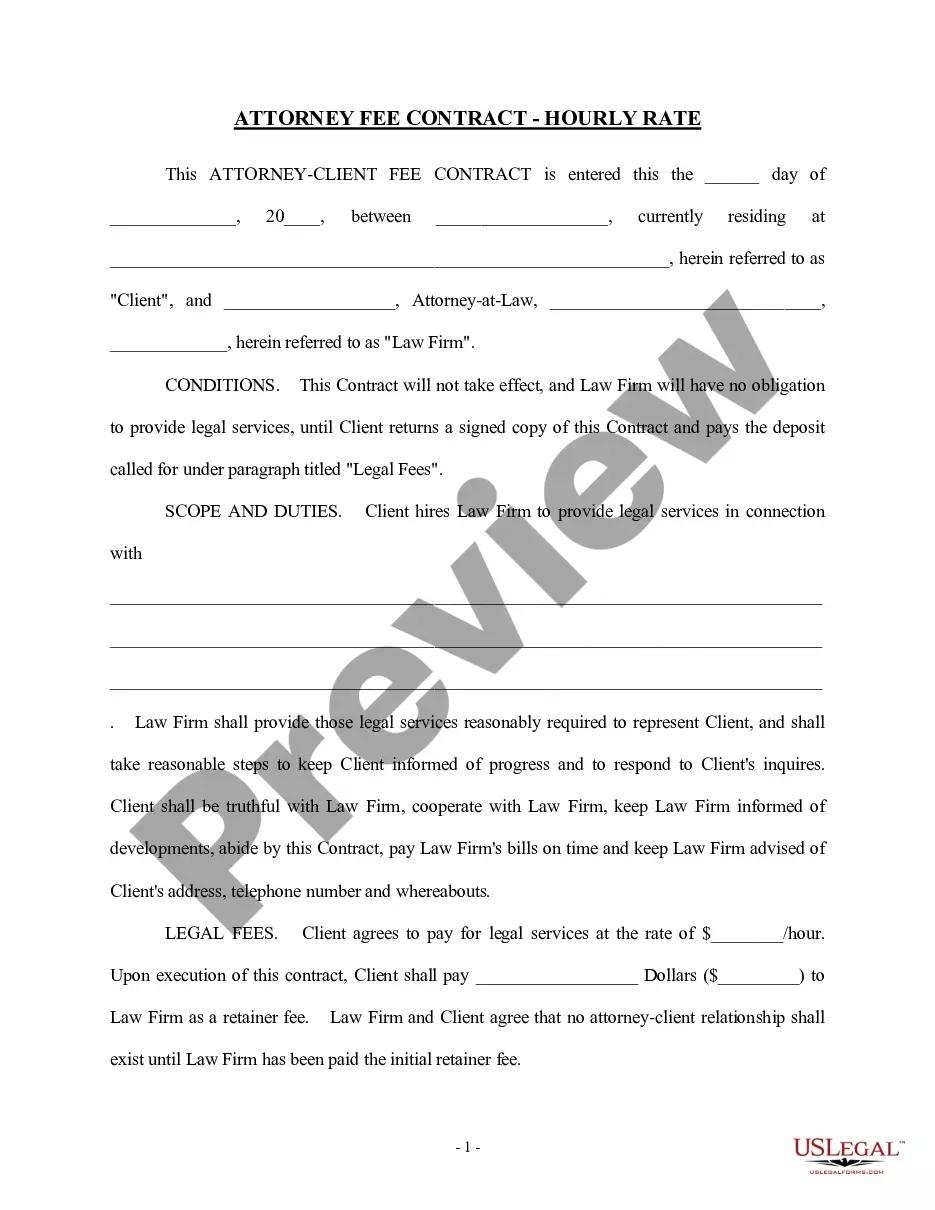

Form popularity
FAQ
The size of your pieces will also influence how it should be packaged. Smaller pieces and medium-sized artworks should be shipped in padded mailers or corrugated cardboard boxes, while crating is the best approach for large artwork larger than 48 inches to ensure maximum protection.
For unframed works on paper, sandwich the artwork between sheets of archival glassine paper then add layers of foam board, cardboard etc, until it is thick and sturdy enough to not bend or fold. You can create a mount/mat from corrugated cardboard or foam board to make sure nothing touches the artwork.
Use Frames Choose the Right Frame: Select frames that complement your art without overshadowing it. Use Mats: Adding a mat around your print can give it a polished look and draw attention to the artwork. Display in a Grid: Arrange framed prints in a grid pattern on the wall to create a cohesive and organized display.
Step One: COVER THE PAINTING'S SURFACE WITH GLASSINE PAPER. Step two: protect the artwork from moisture. Step three: ADD A THANK YOU NOTE (& INCLUDE YOUR BUSINESS CARD) ... Step four: CUT the PACKING MATERIAL (I USED STYROFOAM HERE, BEGRUDGINGLY) ... Step five: Wrap the artwork in its custom cut padding.
Invoices should contain information about: you the artist. your billing address. your client or customer. their taxable address. your tax reference code (UTR - unique tax reference code if in the UK) the tax date for the product or service rendered. description of the artwork provided or artistic service rendered.
Bubble wrap both cushions the art and fills space, preventing unwanted movement within your packaging. When shipping paintings, bubble wrap should be your filler of choice -- never use styrofoam peanuts when shipping paintings (more on this later).
Based on these requirements, the best way to accept credit cards at a craft fair is with a mobile card terminal. The top payment processors offer a number of options: Standalone credit card machine. Tablet-based POS with card reader.
How to accept payments from customers on a website Identify your business needs. Choose a payment processor. Create an account with the payment processor. Integrate the payment processor into your website. Configure your payment settings. Test your payment system. Launch your payment system. Manage your transactions.
Copying a painting for personal use is typically legal, as long as you do not intend to sell or distribute the reproduction. Personal use implies that the copy is for private enjoyment and not for profit. However, public display or sale could breach copyright laws, even for personal reproductions.
On your invoice, you should include: Your details. Your business name and address. Your buyer's details. Your buyer's name and address. Information about the artwork. Separate line items for each product or service delivered. Information about the payment terms. Your hourly rate, if relevant.