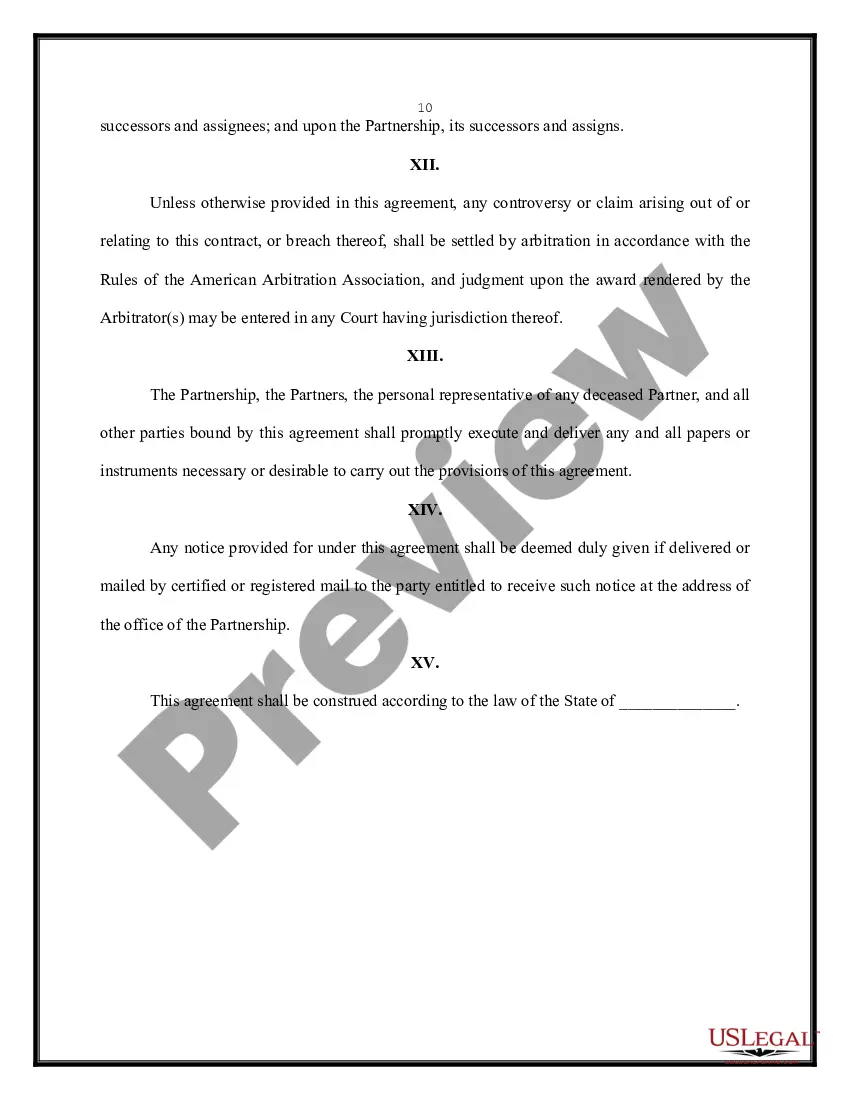
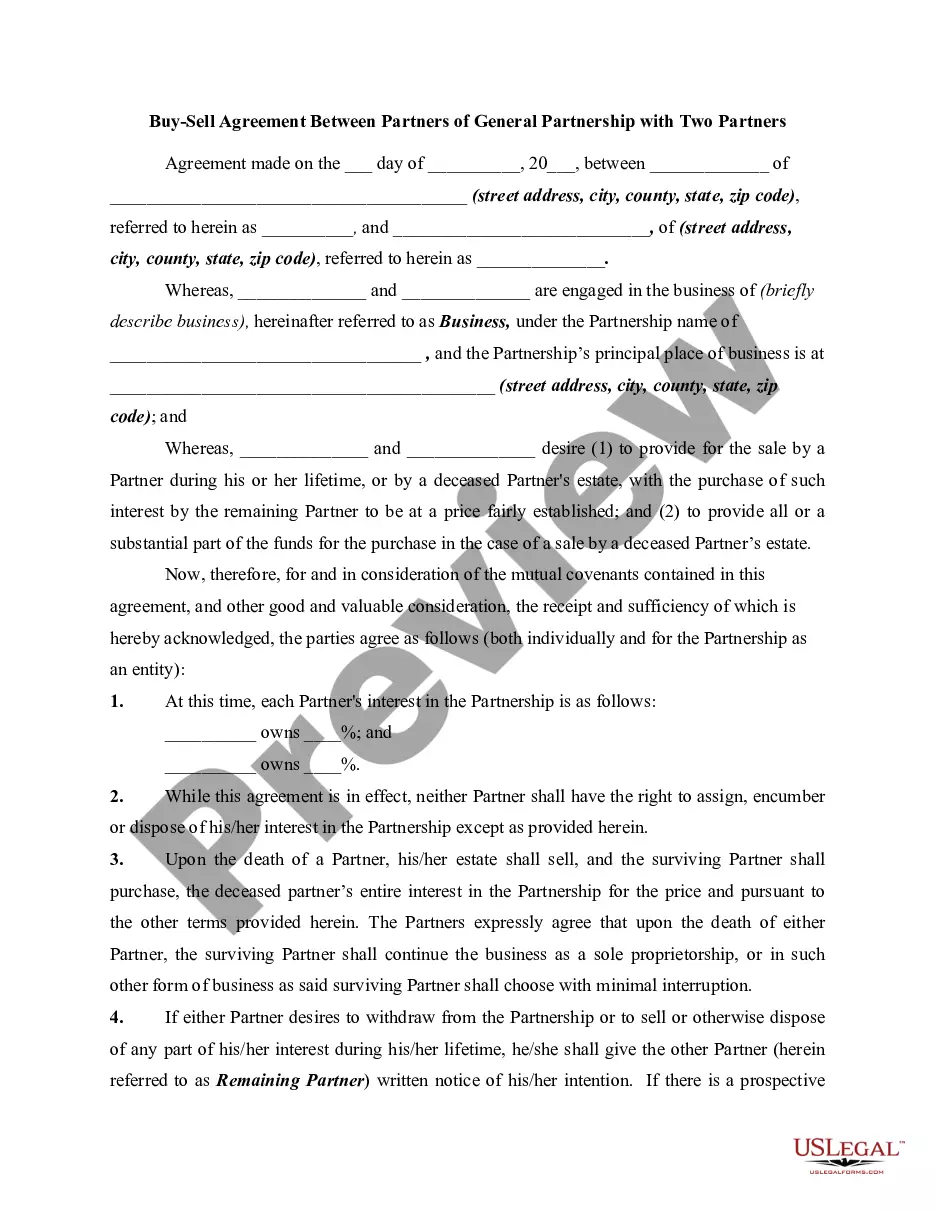
Agreement Between Partnership For Small Business In Washington
Description

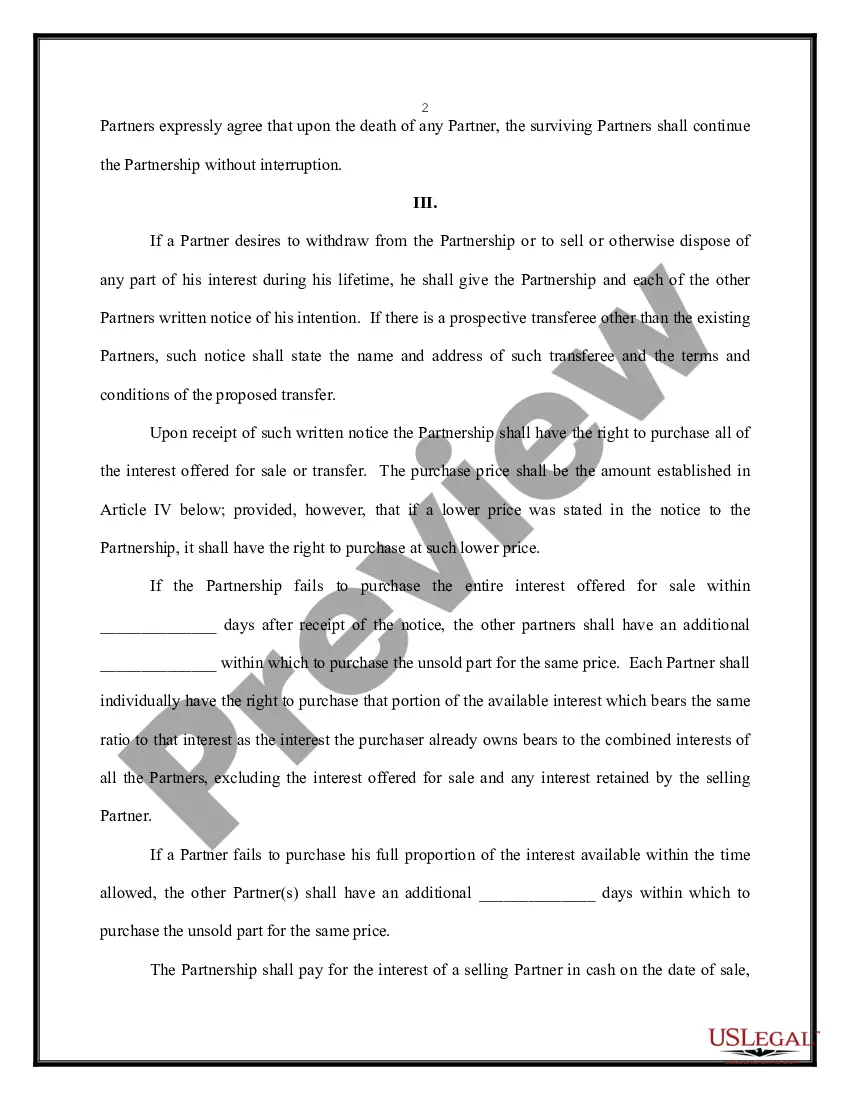
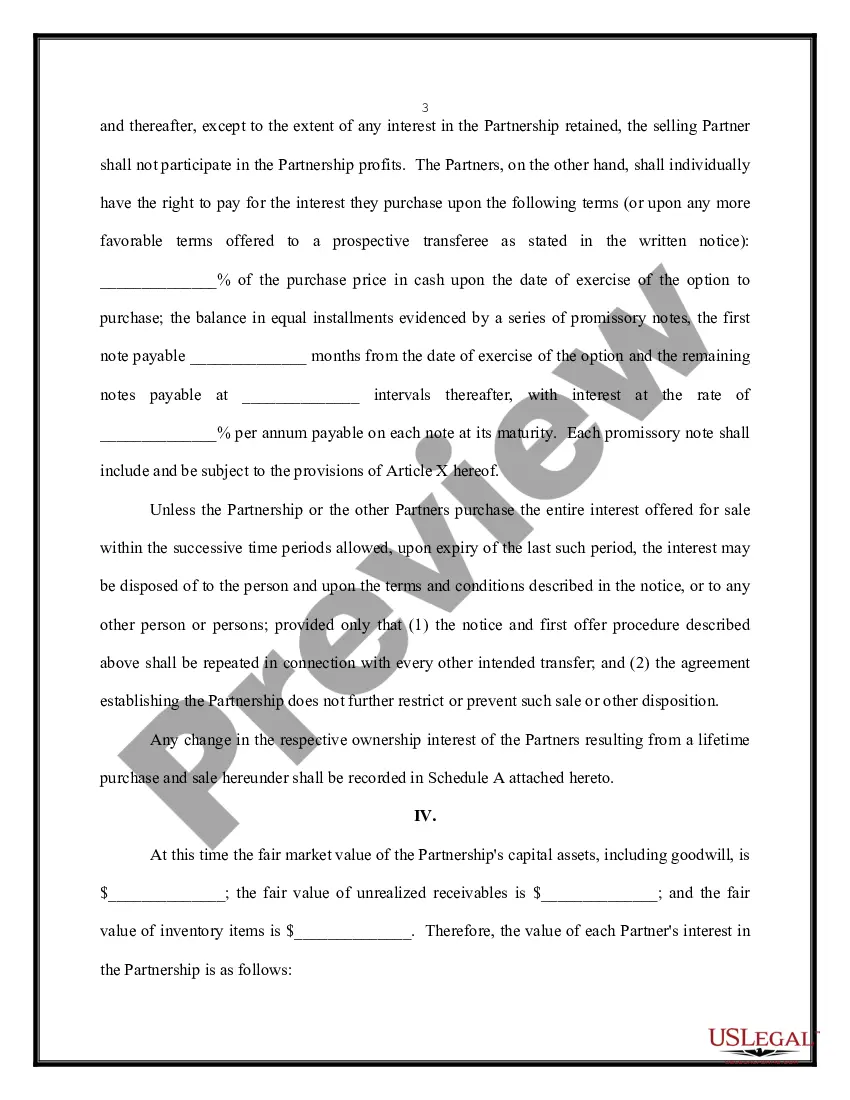
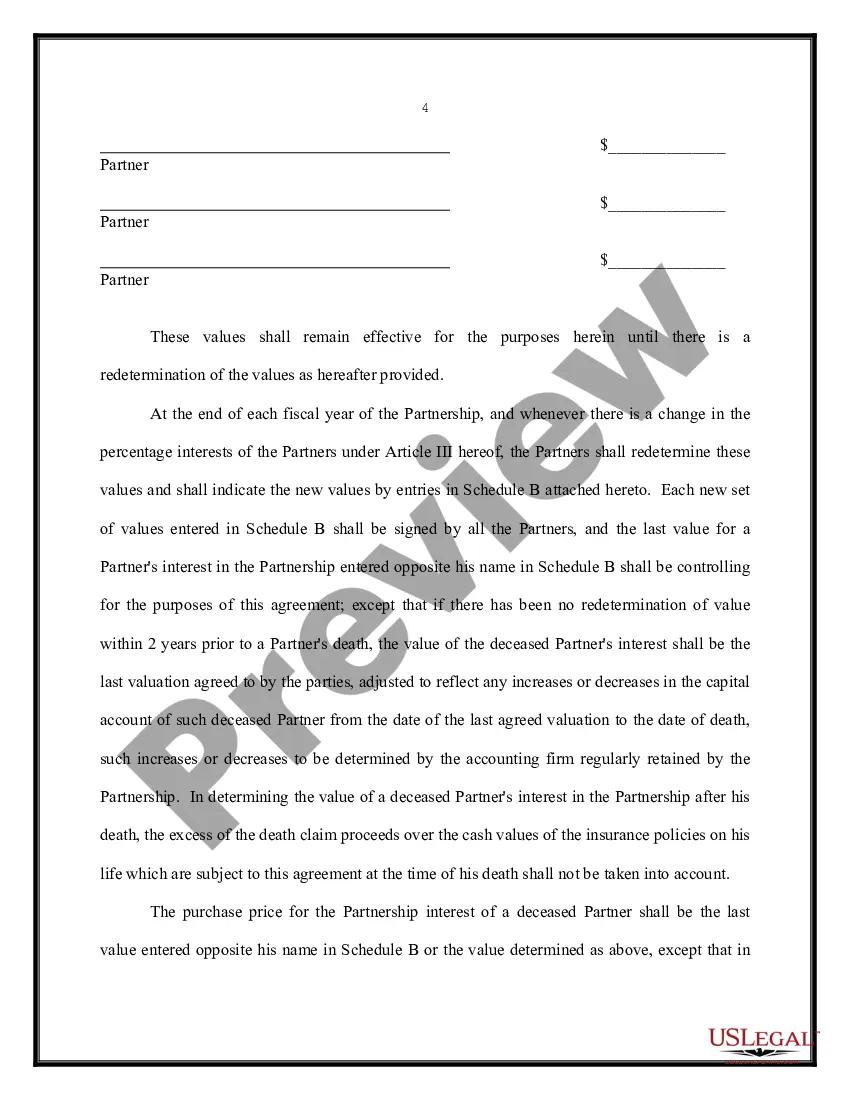
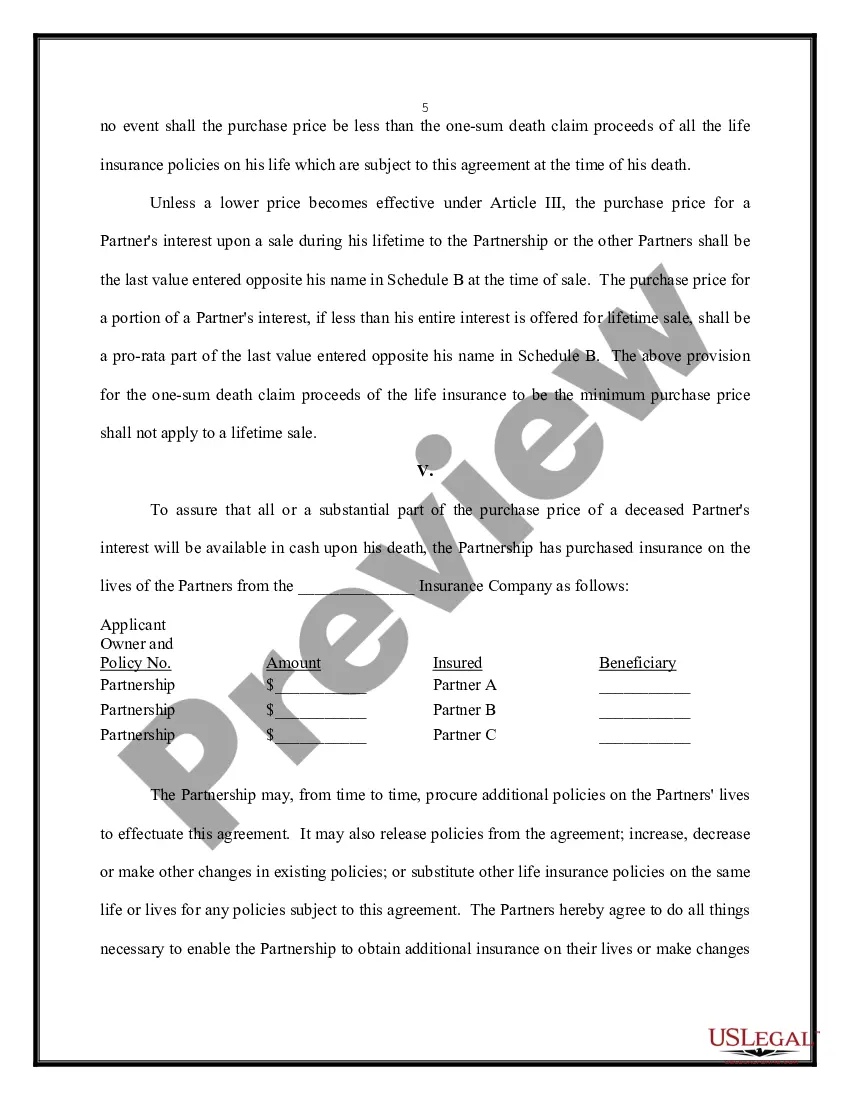


Get your form ready online
Our built-in tools help you complete, sign, share, and store your documents in one place.
Make edits, fill in missing information, and update formatting in US Legal Forms—just like you would in MS Word.
Download a copy, print it, send it by email, or mail it via USPS—whatever works best for your next step.
Sign and collect signatures with our SignNow integration. Send to multiple recipients, set reminders, and more. Go Premium to unlock E-Sign.
If this form requires notarization, complete it online through a secure video call—no need to meet a notary in person or wait for an appointment.
We protect your documents and personal data by following strict security and privacy standards.

Make edits, fill in missing information, and update formatting in US Legal Forms—just like you would in MS Word.

Download a copy, print it, send it by email, or mail it via USPS—whatever works best for your next step.

Sign and collect signatures with our SignNow integration. Send to multiple recipients, set reminders, and more. Go Premium to unlock E-Sign.

If this form requires notarization, complete it online through a secure video call—no need to meet a notary in person or wait for an appointment.

We protect your documents and personal data by following strict security and privacy standards.
Looking for another form?










Form popularity
FAQ
How do I create a Partnership Agreement? Provide partnership details. Start by specifying the industry you're in and what type of business you'll run. Detail the capital contributions of each partner. Outline management responsibilities. Prepare for accounting. Add final details.
Washington requires a “general” state-level business license for General Partnerships. Most cities or towns in Washington also require business licenses. Washington state requires all businesses to register for taxes. And you apply for a DBA through the Business License Application, as well.
As a general rule, if there are two people in the partnership, it's 50/50, and if there are three people, it's a ⅓ split. The biggest thing to remember is that no matter how you split your profits, the percentage must equal 100. For example, imagine you have three business partners.
To draft a contract from scratch, start by identifying the parties involved and clearly outlining the agreement. Include consideration (what is exchanged), define the terms and conditions, ensure all parties are legally competent, and finalise it with signatures. These essential elements make the contract enforceable.
Read below for tips on writing business contracts for your small business. Get It in Writing. Use Language You Can Understand. Be Detailed. Include Payment Details. Consider Confidentiality. Include Language on How to End the Contract. Consider State Laws Governing the Contract.
Kickstart your new business in minutes There are three relatively common partnership types: general partnership (GP), limited partnership (LP) and limited liability partnership (LLP). A fourth, the limited liability limited partnership (LLLP), is not recognized in all states.
The first thing to do when seeking to put a Partnership Agreement in place is to enlist the help of an experienced business law solicitor. They will be able to help clarify what exactly needs to go into the document and draft it in line with your best interests.
As a general rule, if there are two people in the partnership, it's 50/50, and if there are three people, it's a ⅓ split. The biggest thing to remember is that no matter how you split your profits, the percentage must equal 100. For example, imagine you have three business partners.
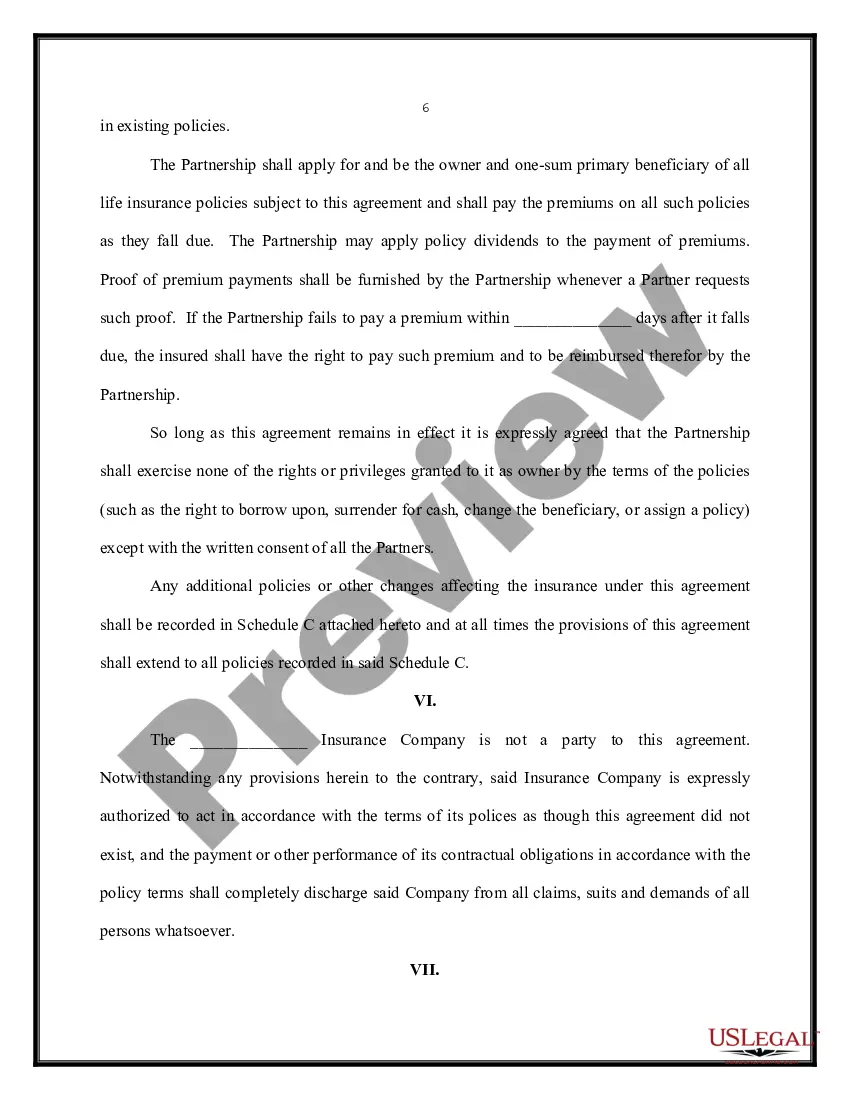
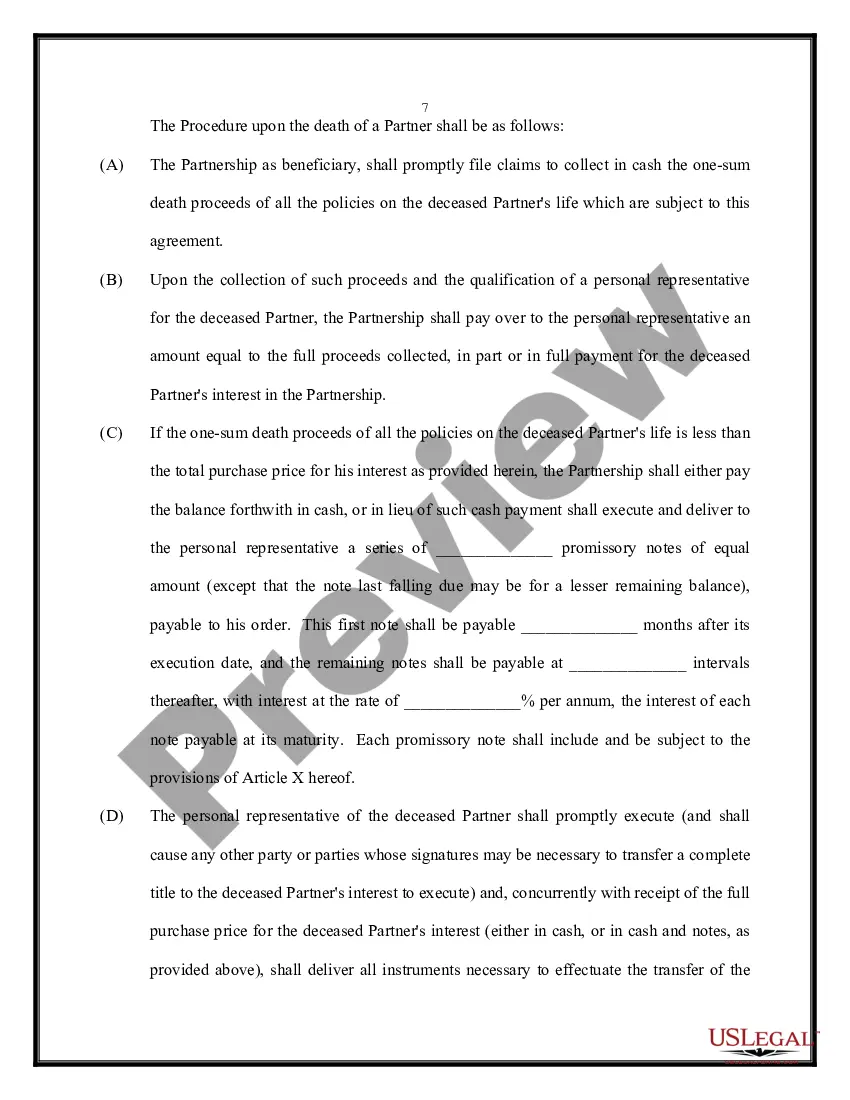
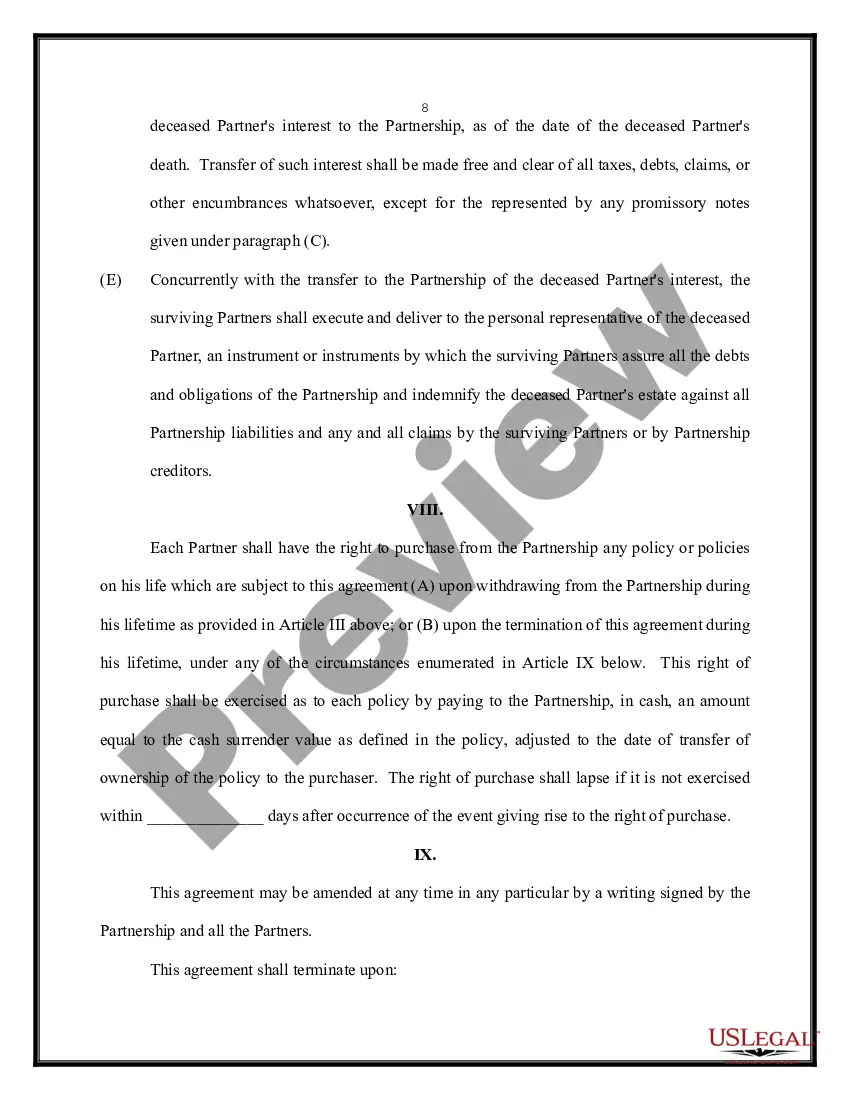
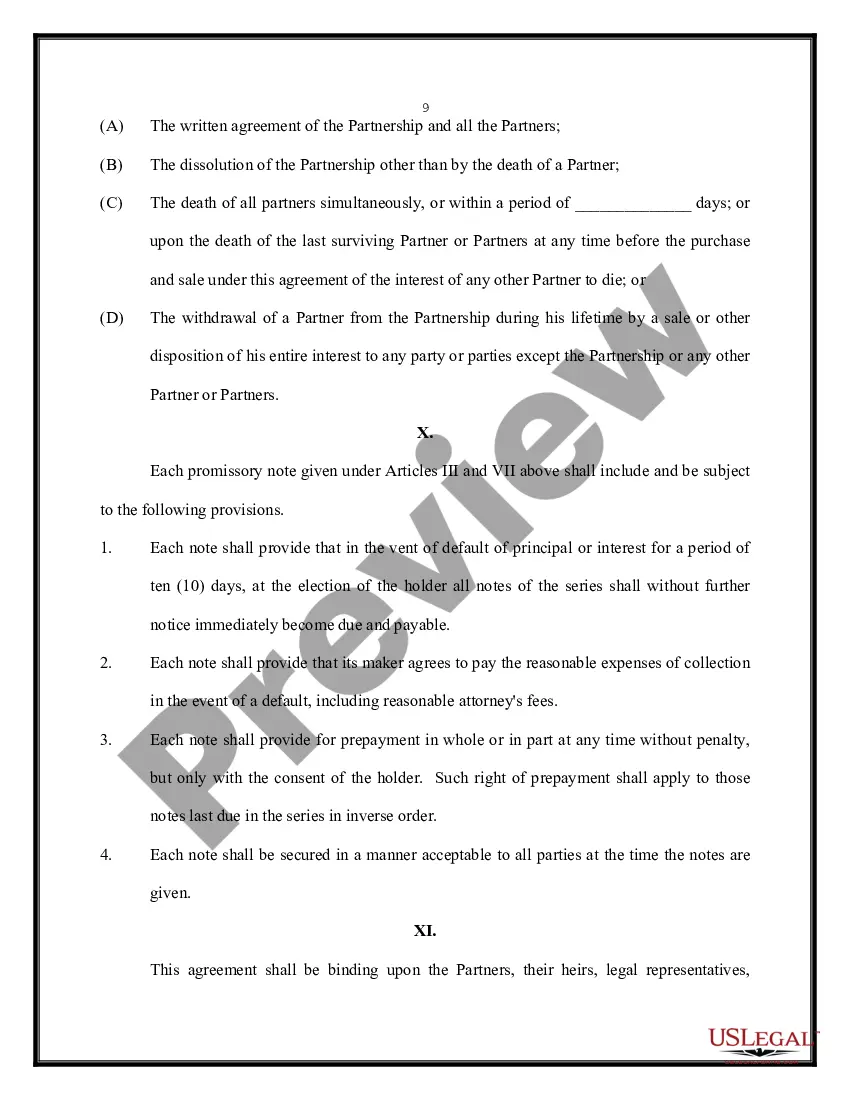
The parties hereto hereby form a Partnership under the name and style of _______________________________________________ (hereafter referred to as "the Partnership") to own real property, develop real property, and thereafter to manage, operate, develop, mortgage, lease or sell real property and do all other lawful ...
