Agreement Between Partnership For Dissolution In Utah
Description

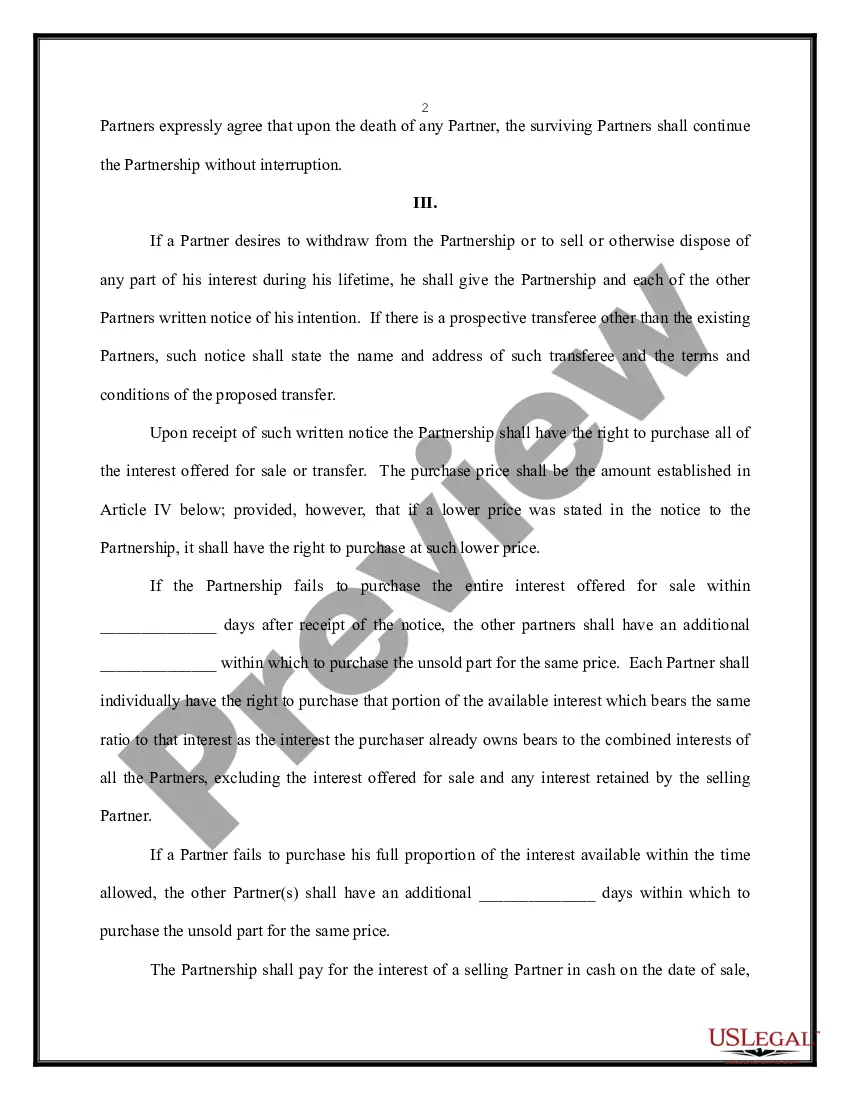
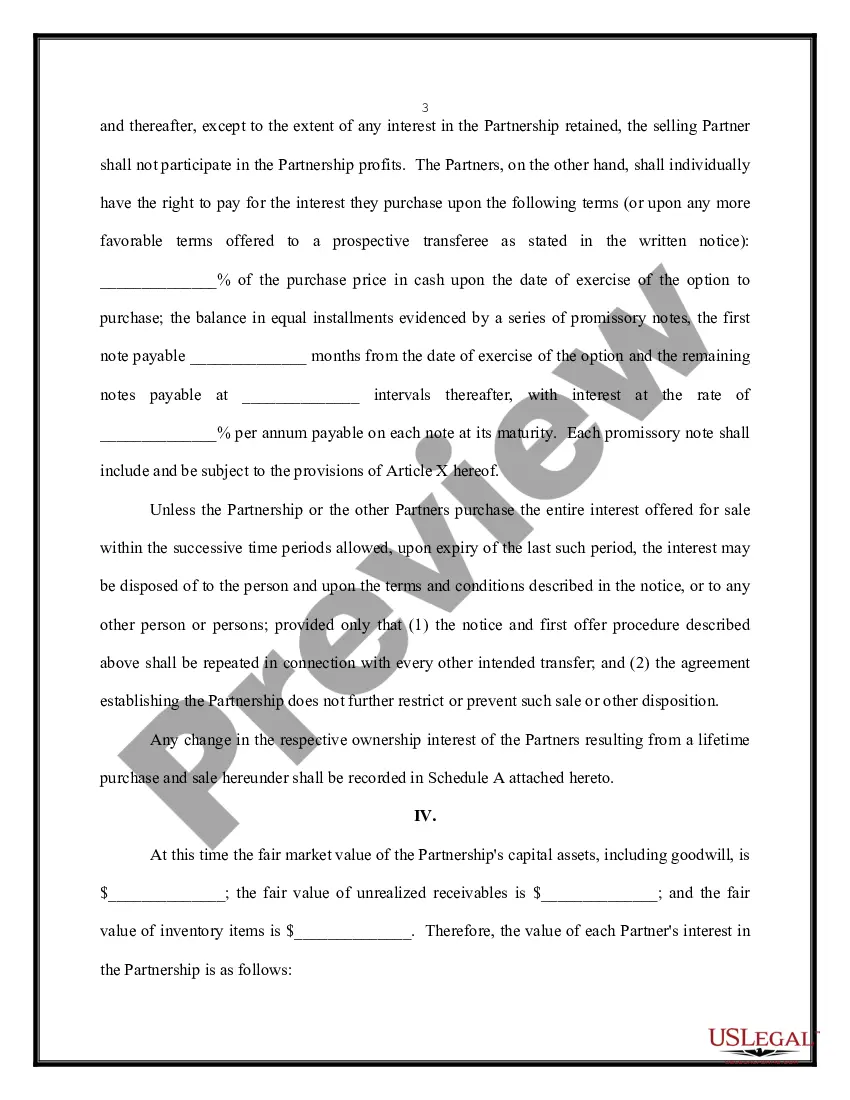
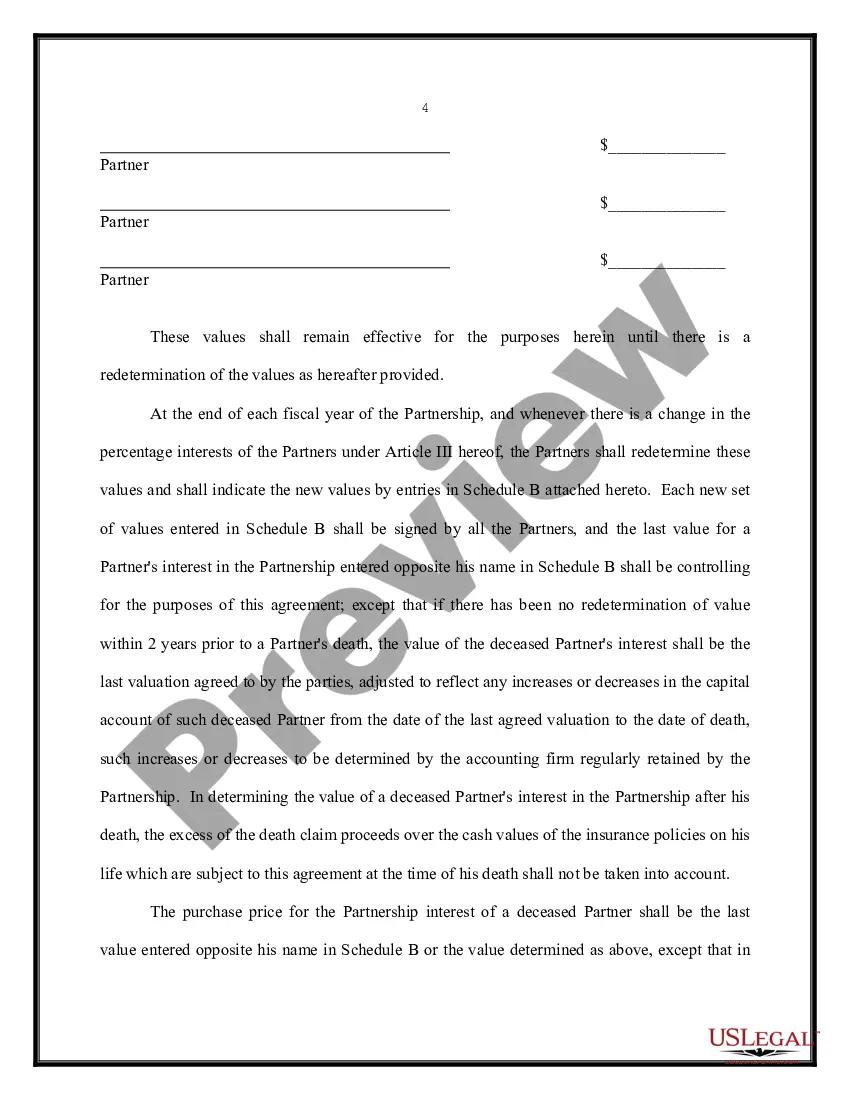
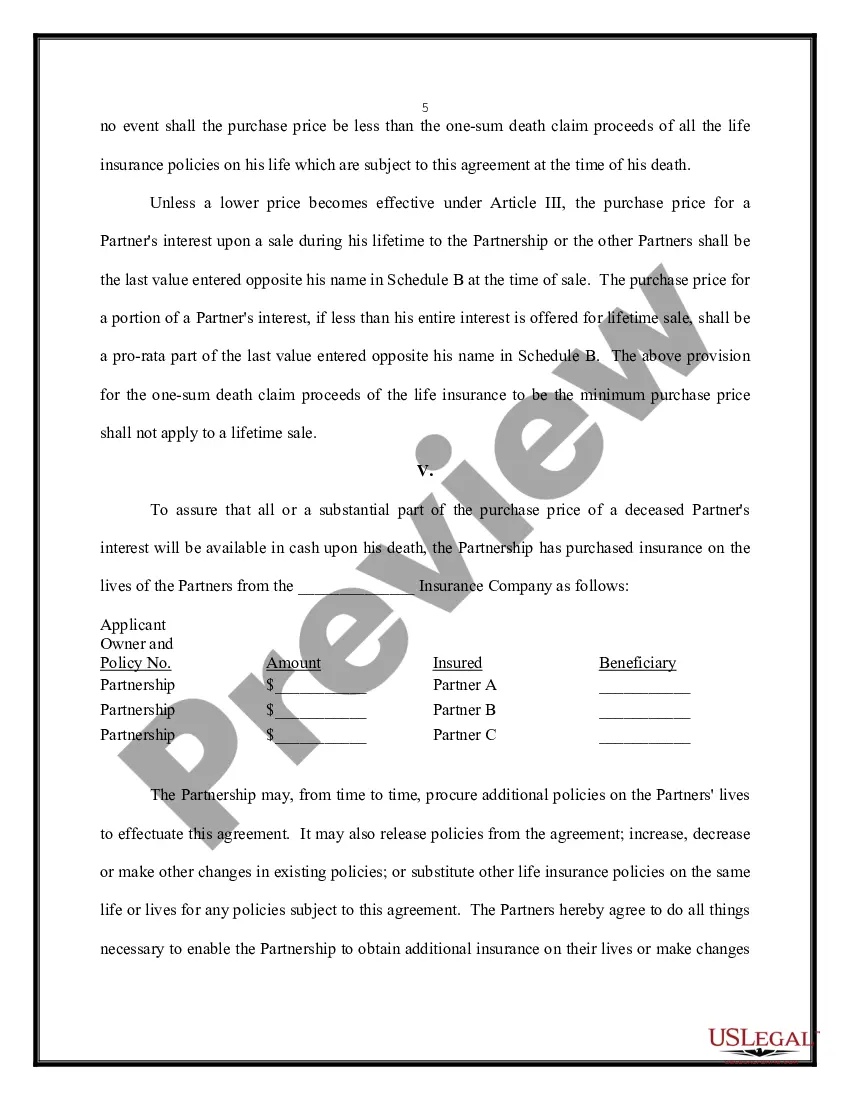


Get your form ready online
Our built-in tools help you complete, sign, share, and store your documents in one place.
Make edits, fill in missing information, and update formatting in US Legal Forms—just like you would in MS Word.
Download a copy, print it, send it by email, or mail it via USPS—whatever works best for your next step.
Sign and collect signatures with our SignNow integration. Send to multiple recipients, set reminders, and more. Go Premium to unlock E-Sign.
If this form requires notarization, complete it online through a secure video call—no need to meet a notary in person or wait for an appointment.
We protect your documents and personal data by following strict security and privacy standards.

Make edits, fill in missing information, and update formatting in US Legal Forms—just like you would in MS Word.

Download a copy, print it, send it by email, or mail it via USPS—whatever works best for your next step.

Sign and collect signatures with our SignNow integration. Send to multiple recipients, set reminders, and more. Go Premium to unlock E-Sign.

If this form requires notarization, complete it online through a secure video call—no need to meet a notary in person or wait for an appointment.

We protect your documents and personal data by following strict security and privacy standards.
Looking for another form?









Form popularity
FAQ
A partnership dissolution ends the legal relationship between partners. Dissolution can occur because of disputes between partners, departure of a partner from the firm, business failure, bankruptcy, or retirement. California law outlines five ways a partnership can be dissolved.
Kickstart your new business in minutes There are three relatively common partnership types: general partnership (GP), limited partnership (LP) and limited liability partnership (LLP). A fourth, the limited liability limited partnership (LLLP), is not recognized in all states.
If you and your partners disagree on certain issues, you can ask an impartial third party or legal counsel to mediate. Draft a dissolution agreement. Vote on your decision, and draft a dissolution agreement, which will set out the agreed-upon termination terms. Document your individual votes for dissolution.
A partner leaving will, unless you have an agreement that provides otherwise, bring that partnership to an end. If other partners wish to continue the business, they will do so using the old partnership's assets and will have to account to the outgoing partner for the use of them.
How to Write a Partnership Agreement Define Partnership Structure. Outline Capital Contributions and Ownership. Detail Profit, Loss, and Distribution Arrangements. Set Decision-Making and Management Protocols. Plan for Changes and Contingencies. Include Legal Provisions and Finalize the Agreement.
The business profits (or losses) are usually divided among the partners based on the partnership agreement. Like a sole proprietorship, a partnership is easy to form. In fact, a simple verbal agreement is enough to form a partnership.
A partnership agreement need only be a contract/agreement signed by the parties (sometimes referred to as a simple contract 'under hand') unless there is some part of the agreement that relates to the transfer of property, in which case the agreement must take the form of a deed note 5.
How to Write a Partnership Agreement Define Partnership Structure. Outline Capital Contributions and Ownership. Detail Profit, Loss, and Distribution Arrangements. Set Decision-Making and Management Protocols. Plan for Changes and Contingencies. Include Legal Provisions and Finalize the Agreement.
Vote to dissolve the partnership. Notify creditors and settle debts. Conduct a business valuation. Distribute remaining assets. File a Statement of Dissolution.
