Buy Sell Agreement Online With English Subtitles In Palm Beach
Description




Form popularity
FAQ
If your business is solely owned, or owned solely by legally married spouses or registered domestic partners, a Buy-Sell Agreement may not be necessary (although succession planning is still a crucial aspect to consider).
sell agreement may even be used by a limited liability company (LLC), conventional corporation, or sole proprietorship (where it is used to designate an employee as a purchaser of the business or business successor).
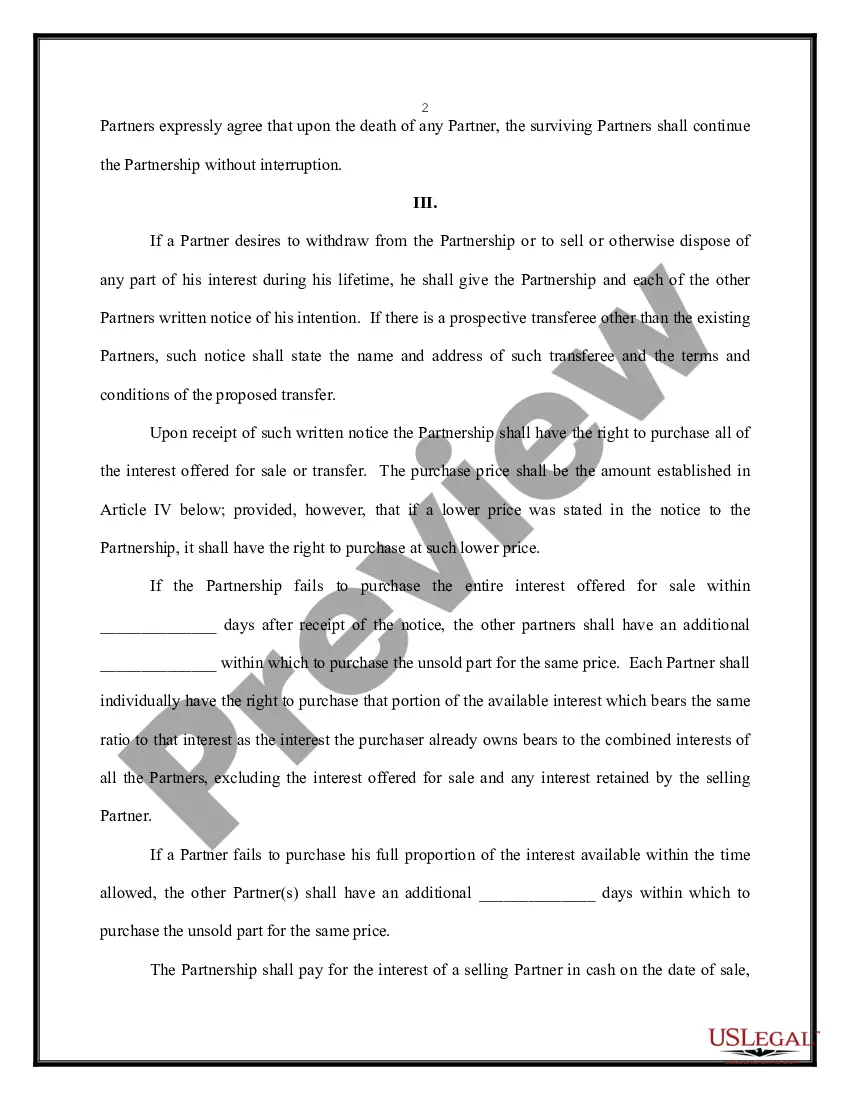
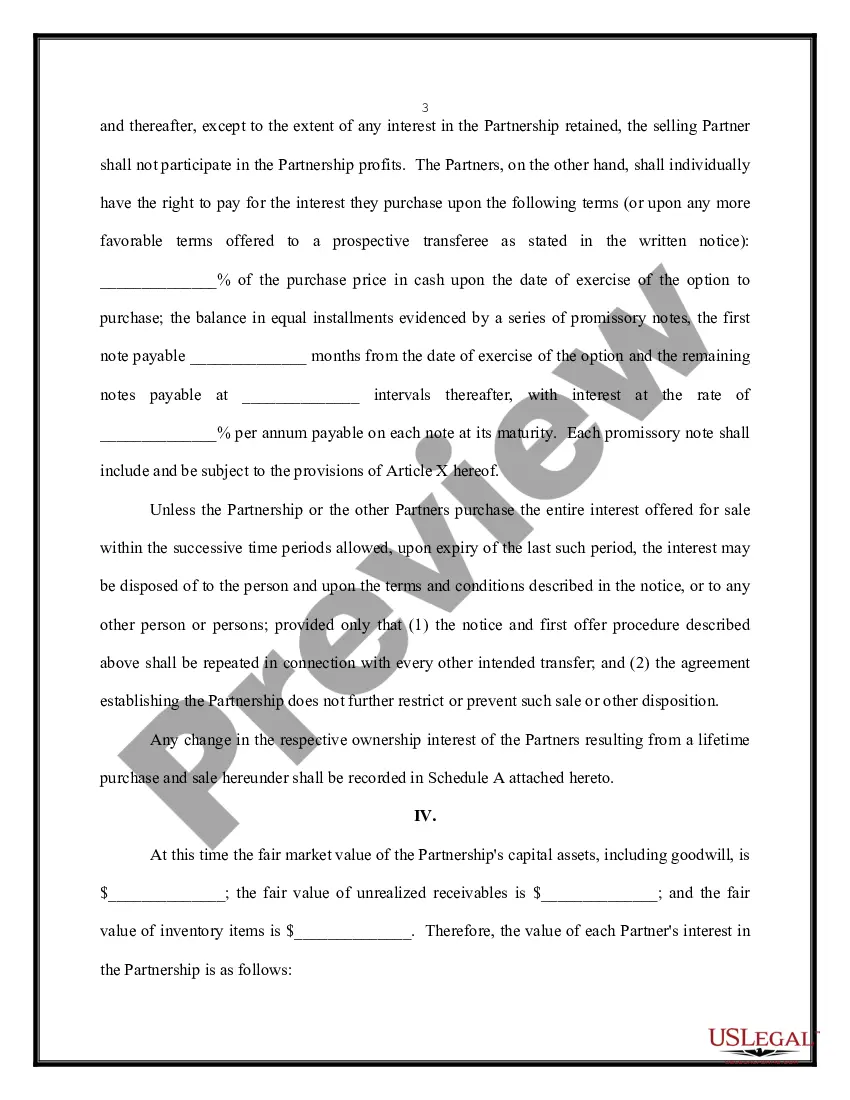
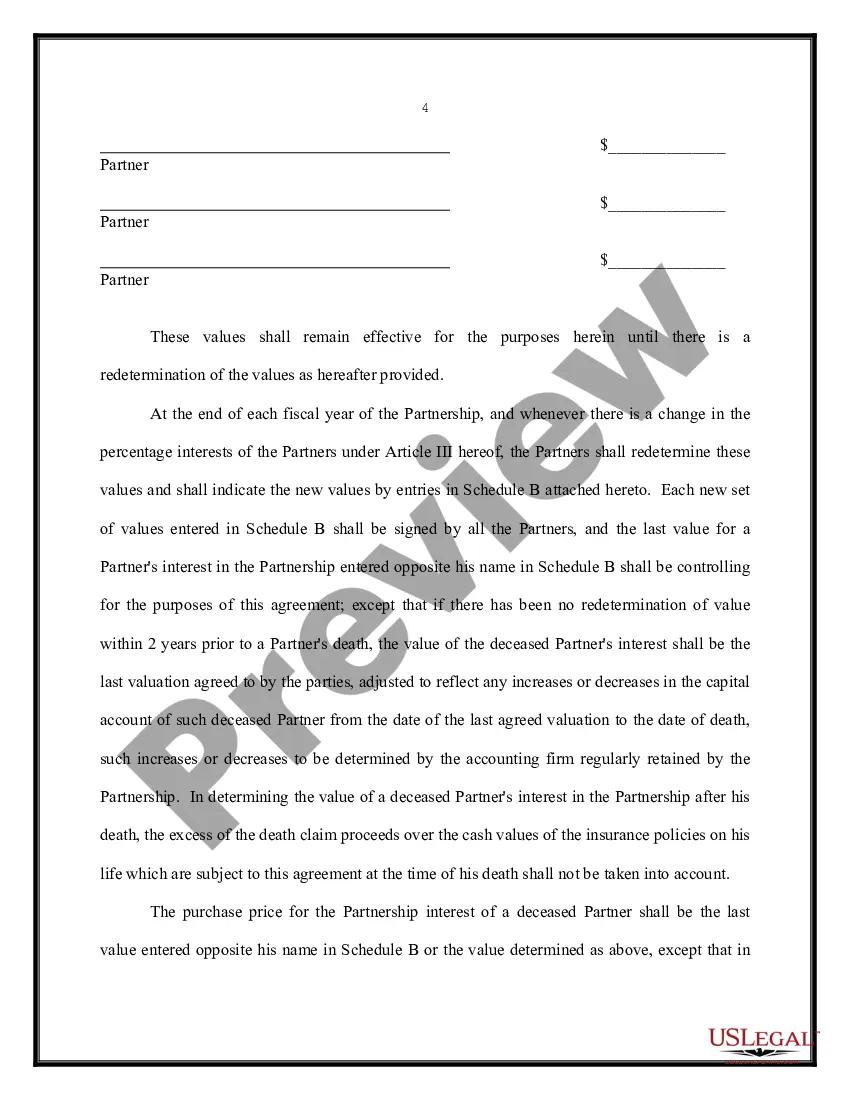
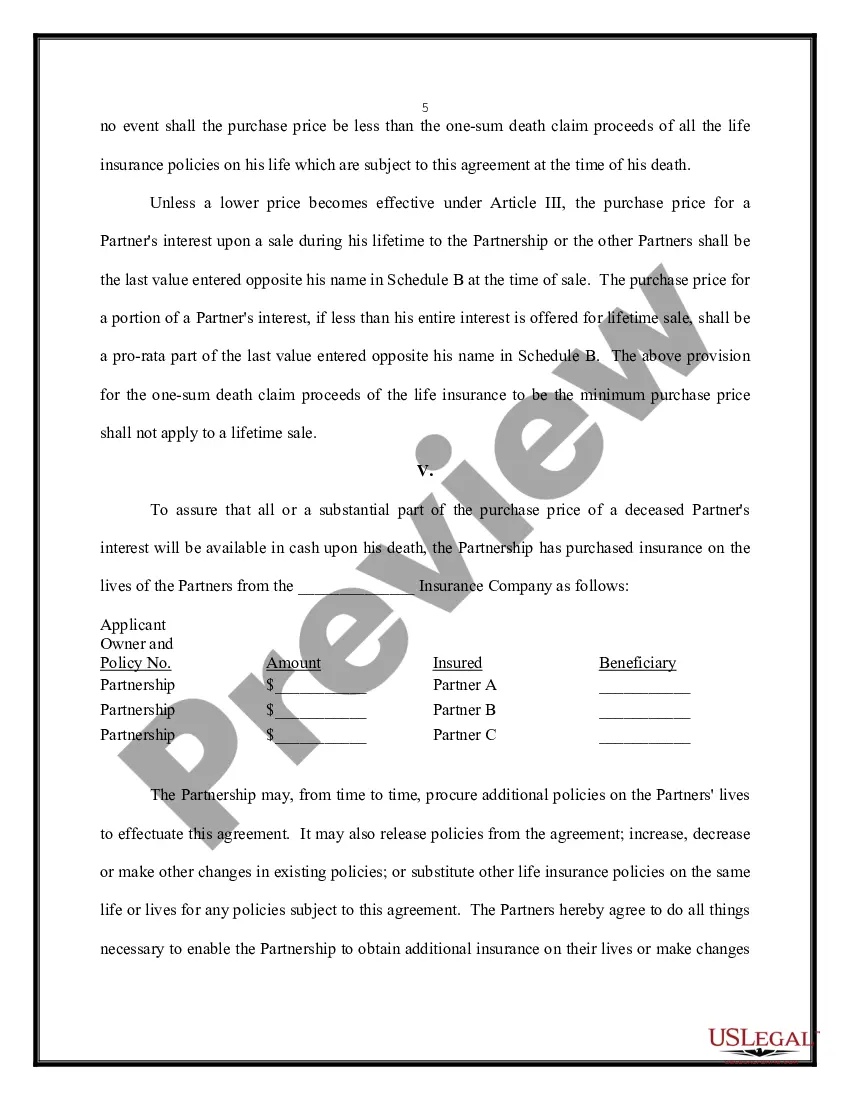
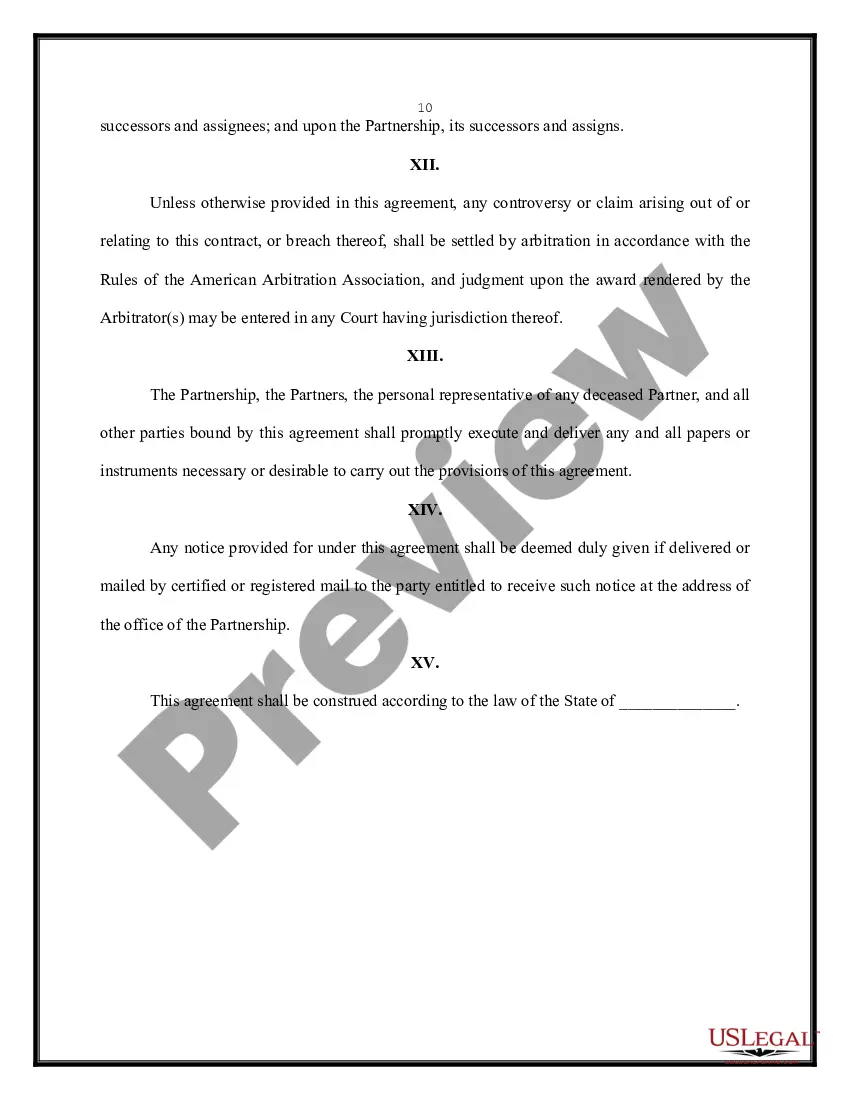
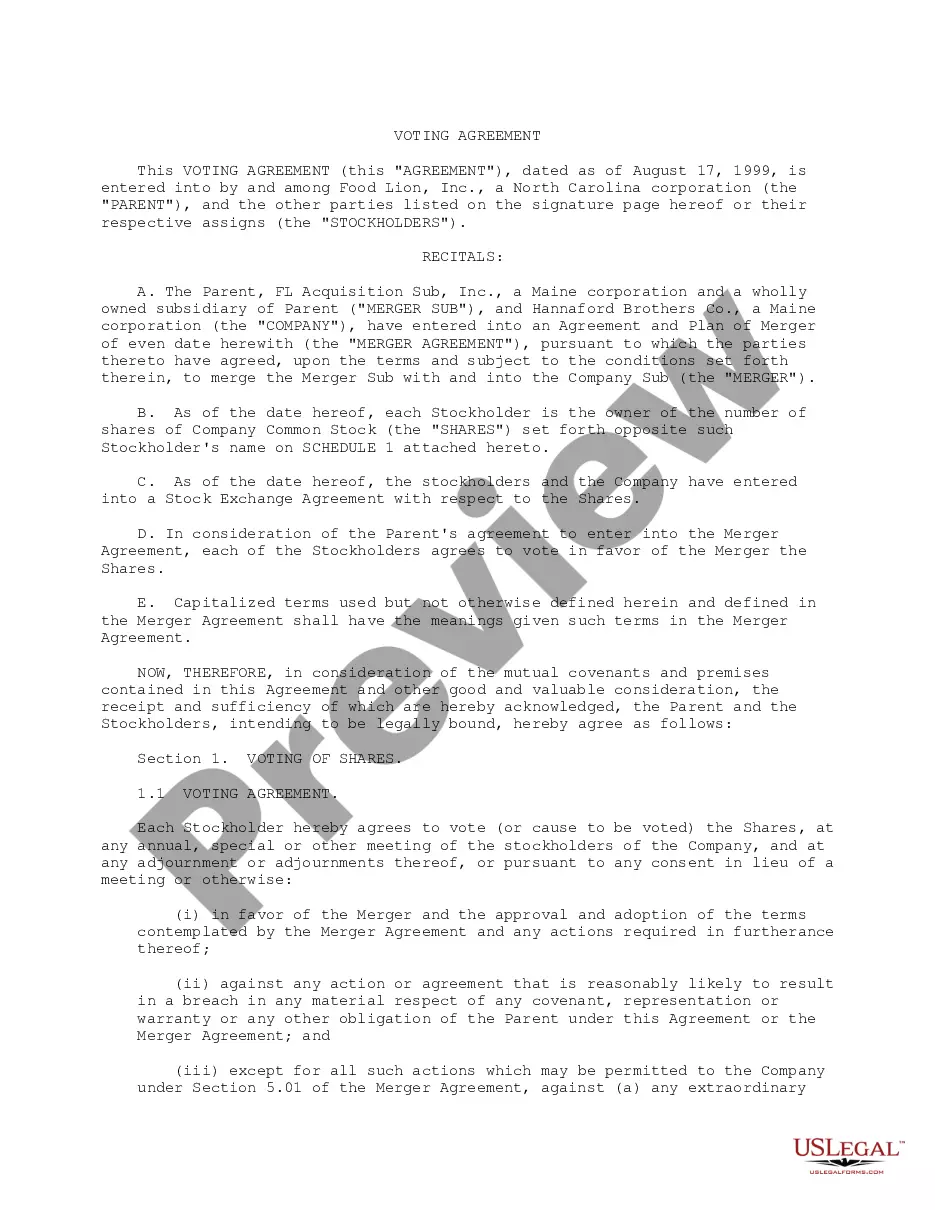
sell agreement is a written contract between two or more owners of a business, or among owners of the business and the entity.
A buy and sell agreement may also be called a buyout agreement, a business will, or a business prenup.
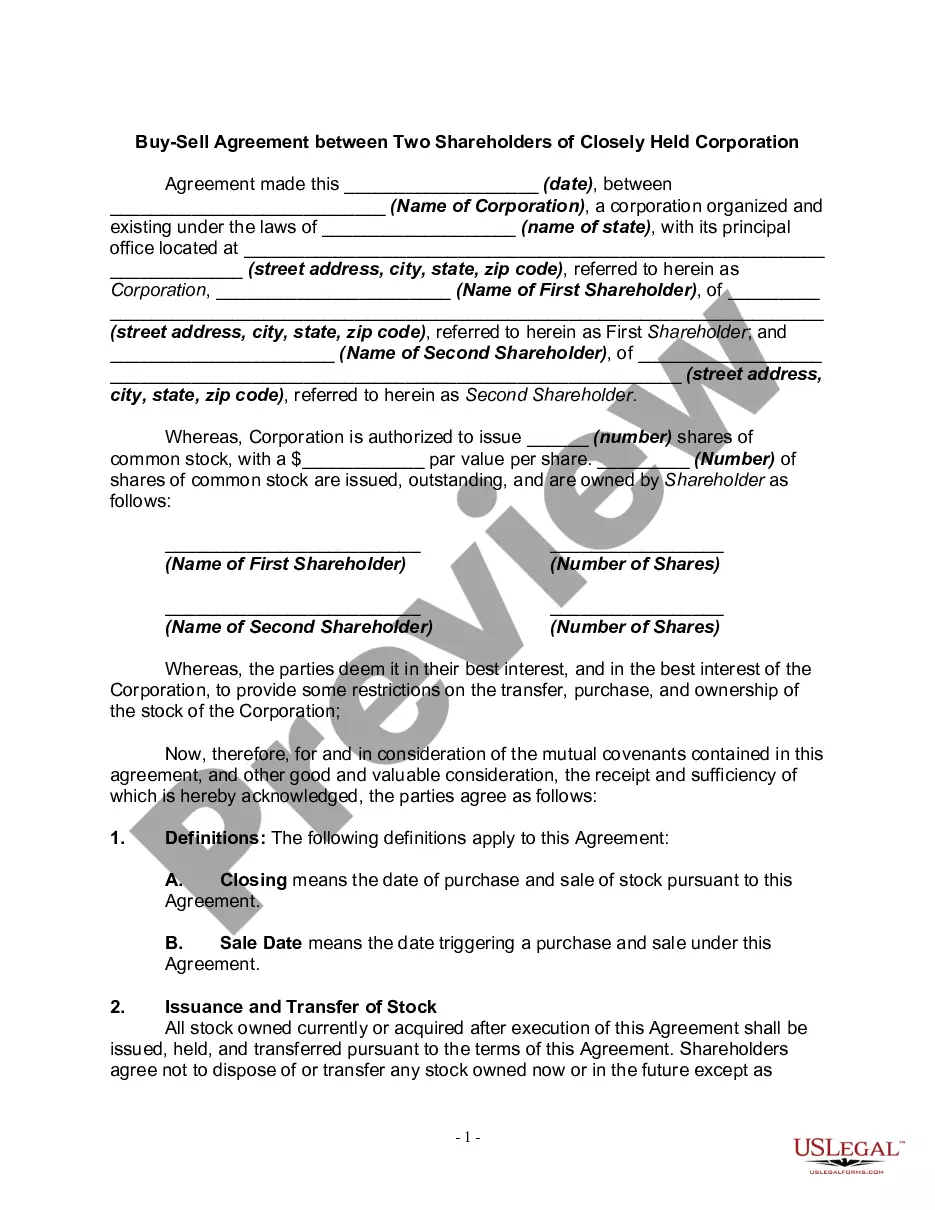
Therefore, shareholder agreements are often called buy/sell agreements. The agreement should define persons to whom stock may be transferred without triggering any implications.
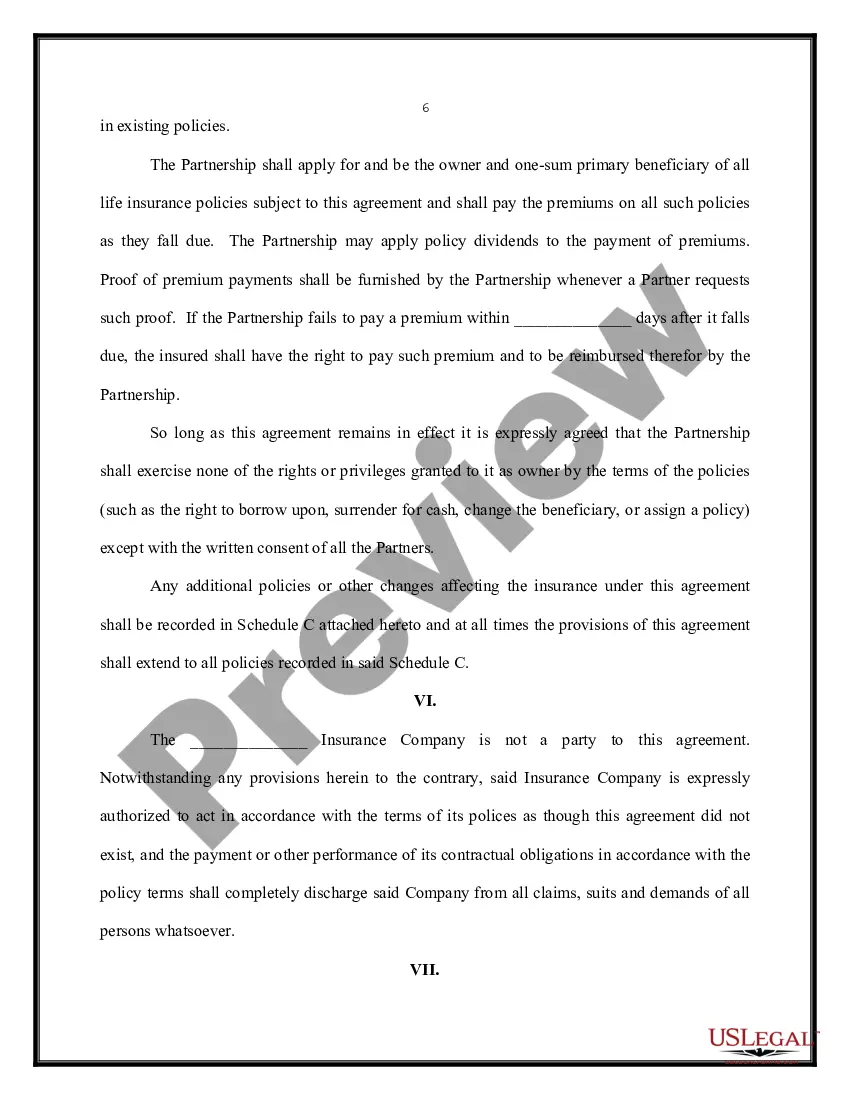
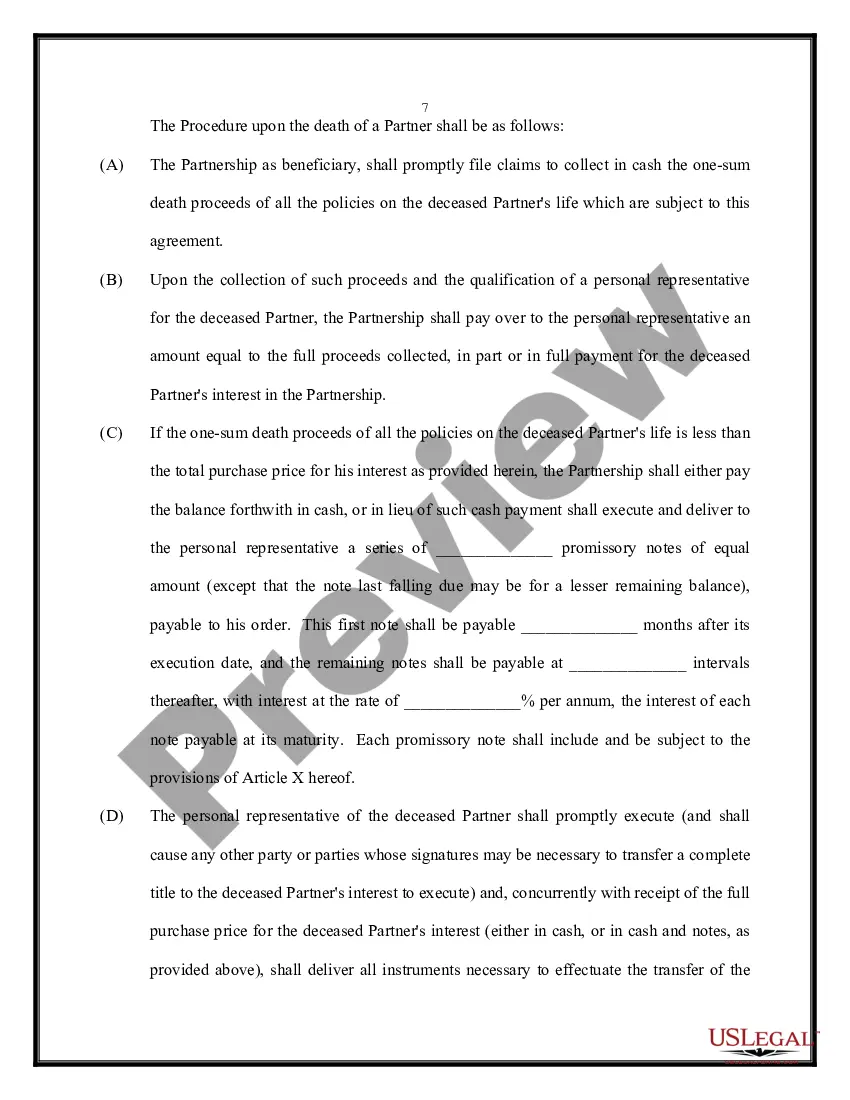
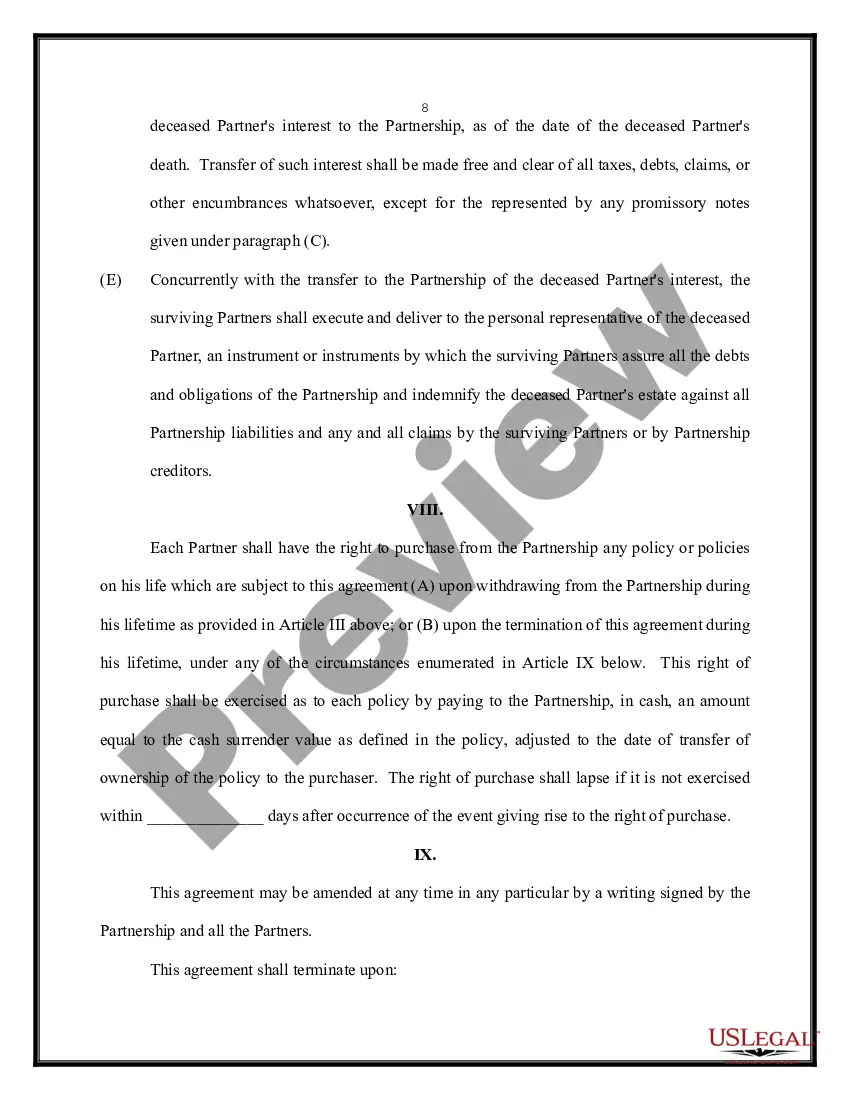
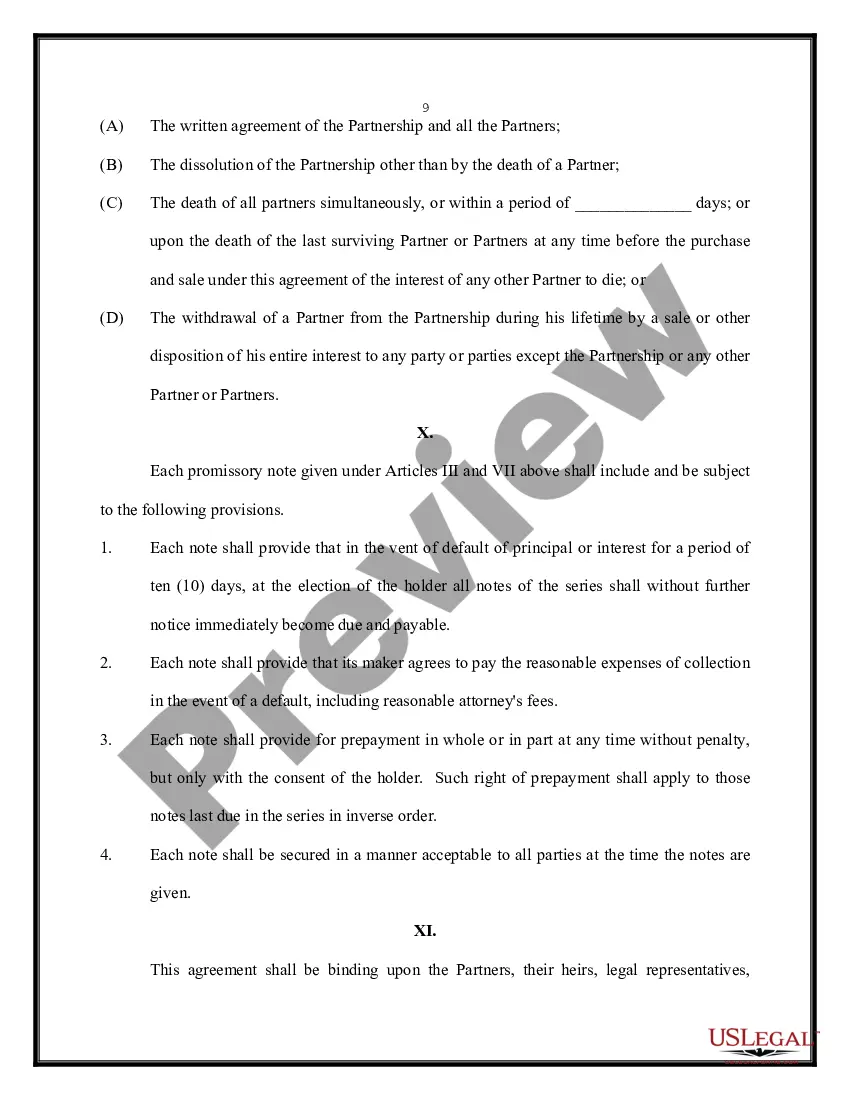
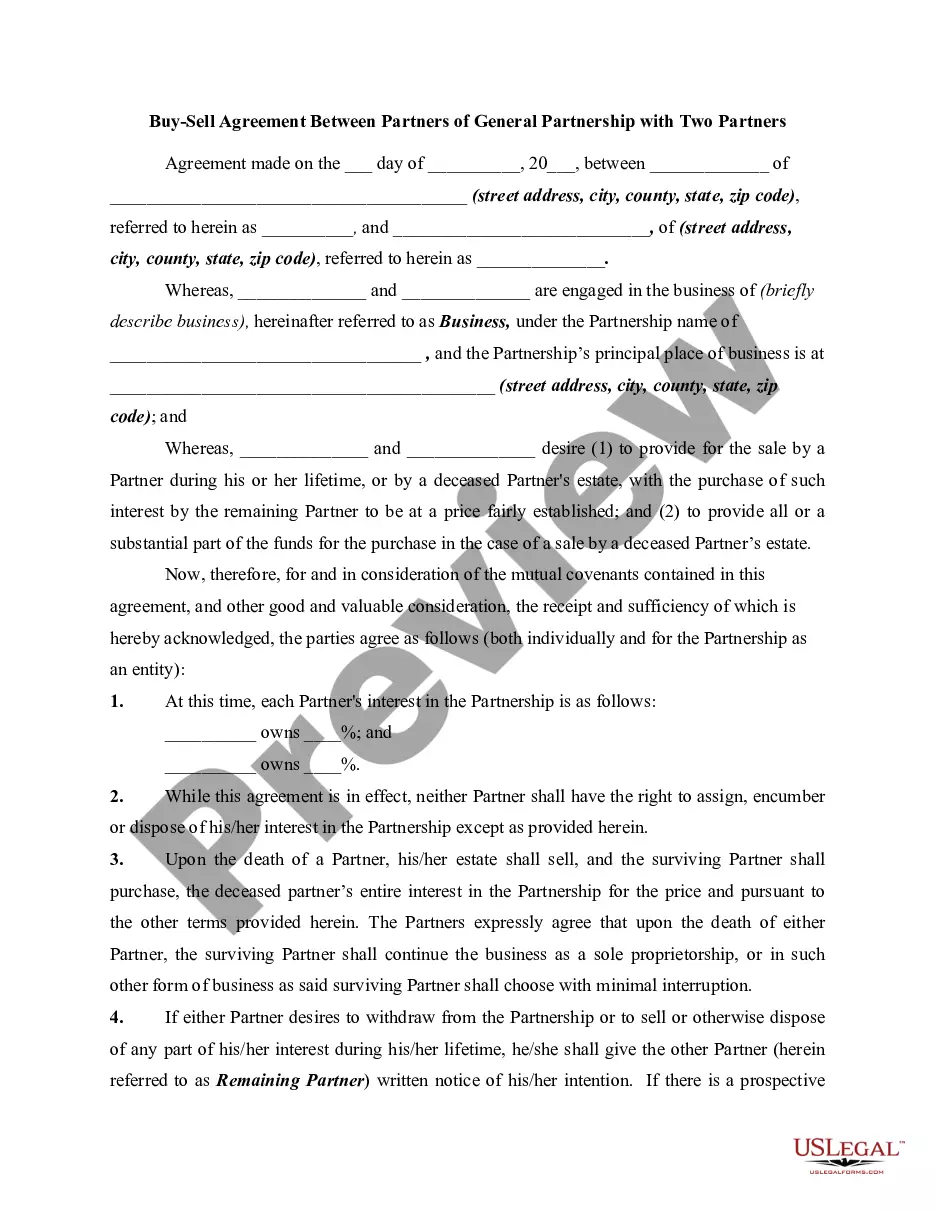
Generally, they should include the following information: A list of the partners or owners involved and their current equity stakes. A recent business valuation, which is used to place a value on each partner's interest. Events that trigger a buyout, such as death, disability, bankruptcy, or retirement.
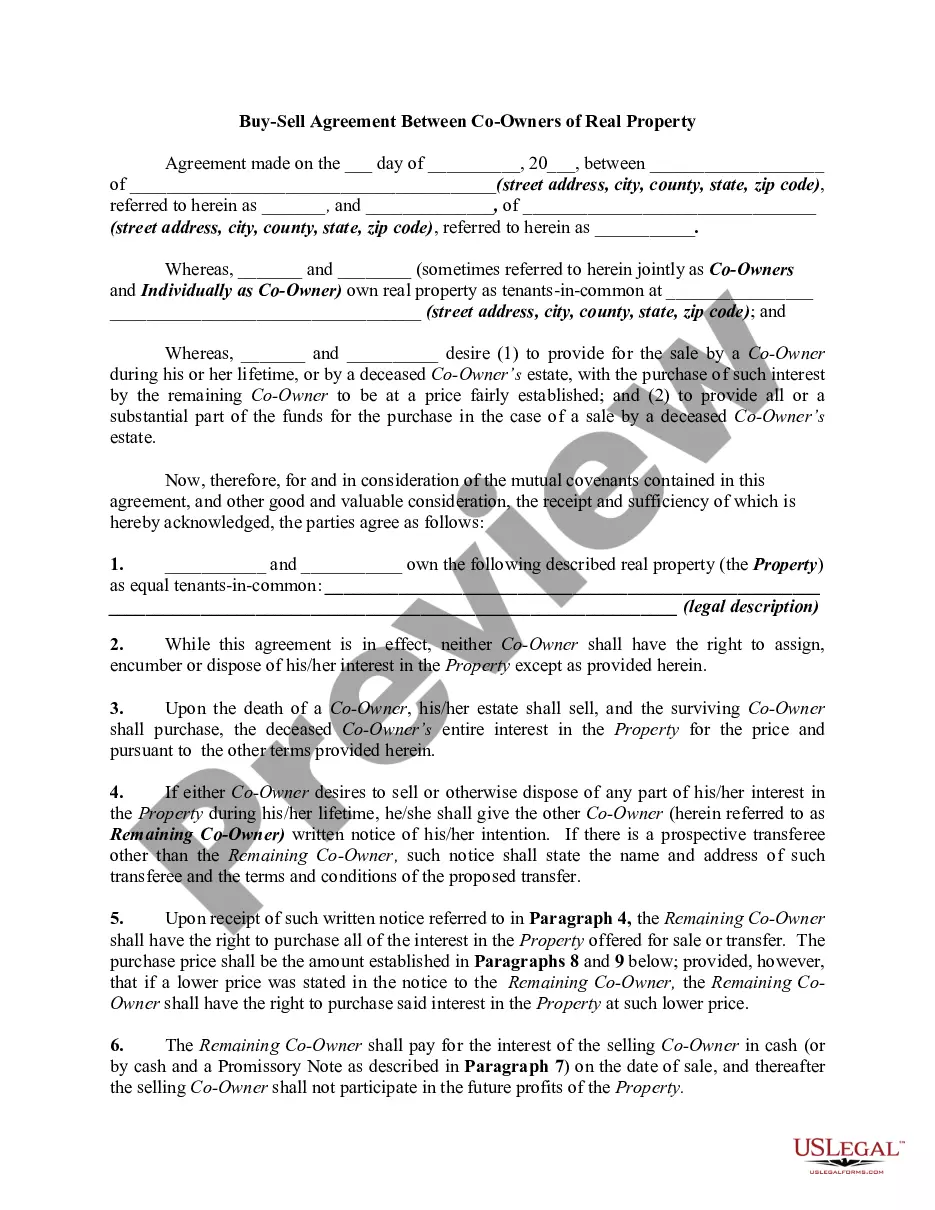
While Shareholder Agreements might touch on provisions related to the transfer of shares or prohibiting transfers, a Buy-Sell Agreement is more specific and effective. It ensures that transitions are handled in a way that aligns with the owners' expectations and the business's financial stability.
While a buy-sell agreement typically addresses the sale of shares among co-owners of a business, a shareholder agreement may address a wider range of issues, including the management and control of the business , the distribution of profits, and the appointment of directors and officers.
Below are four critical topics you and your lawyer should consider when drafting your company's buy-sell agreement. Identify the Parties Involved. Agree on the Trigger Events. Agree on a Valuation Method. Set Realistic Expectations and Frequently Review the Agreement Terms.
