Partnership Selling Examples In Michigan
Description

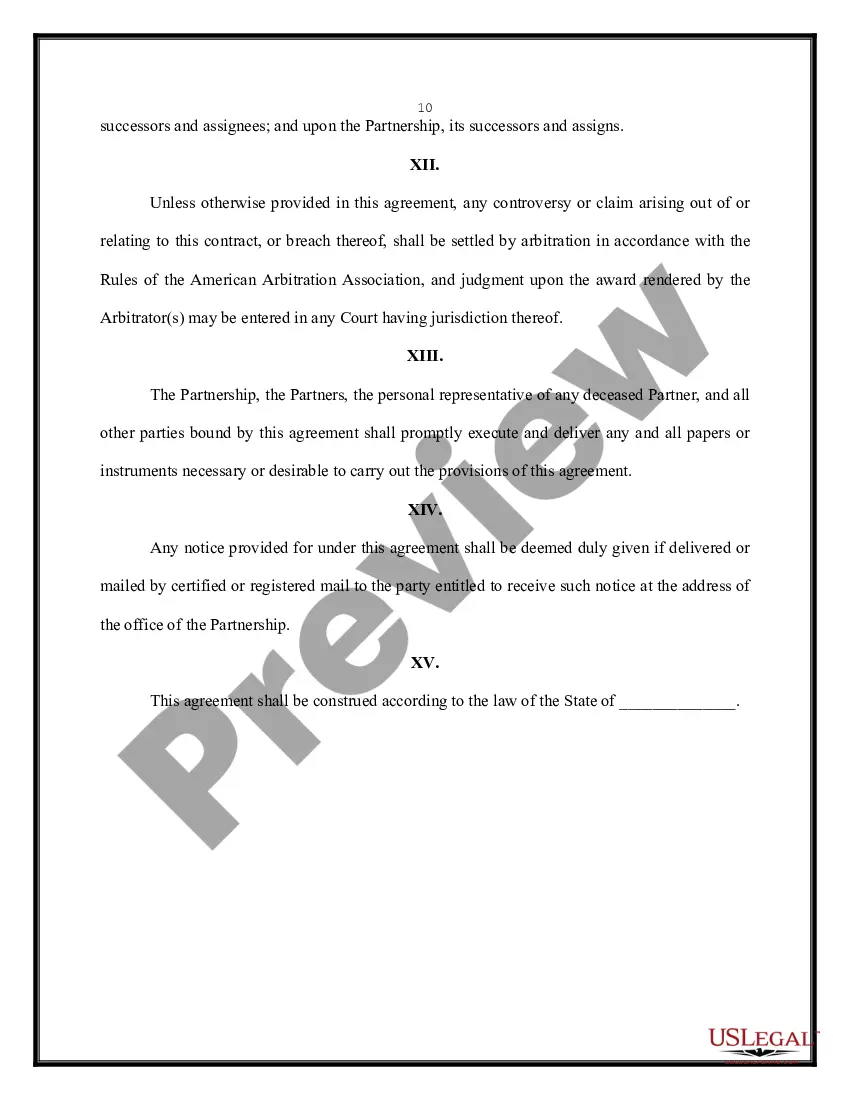


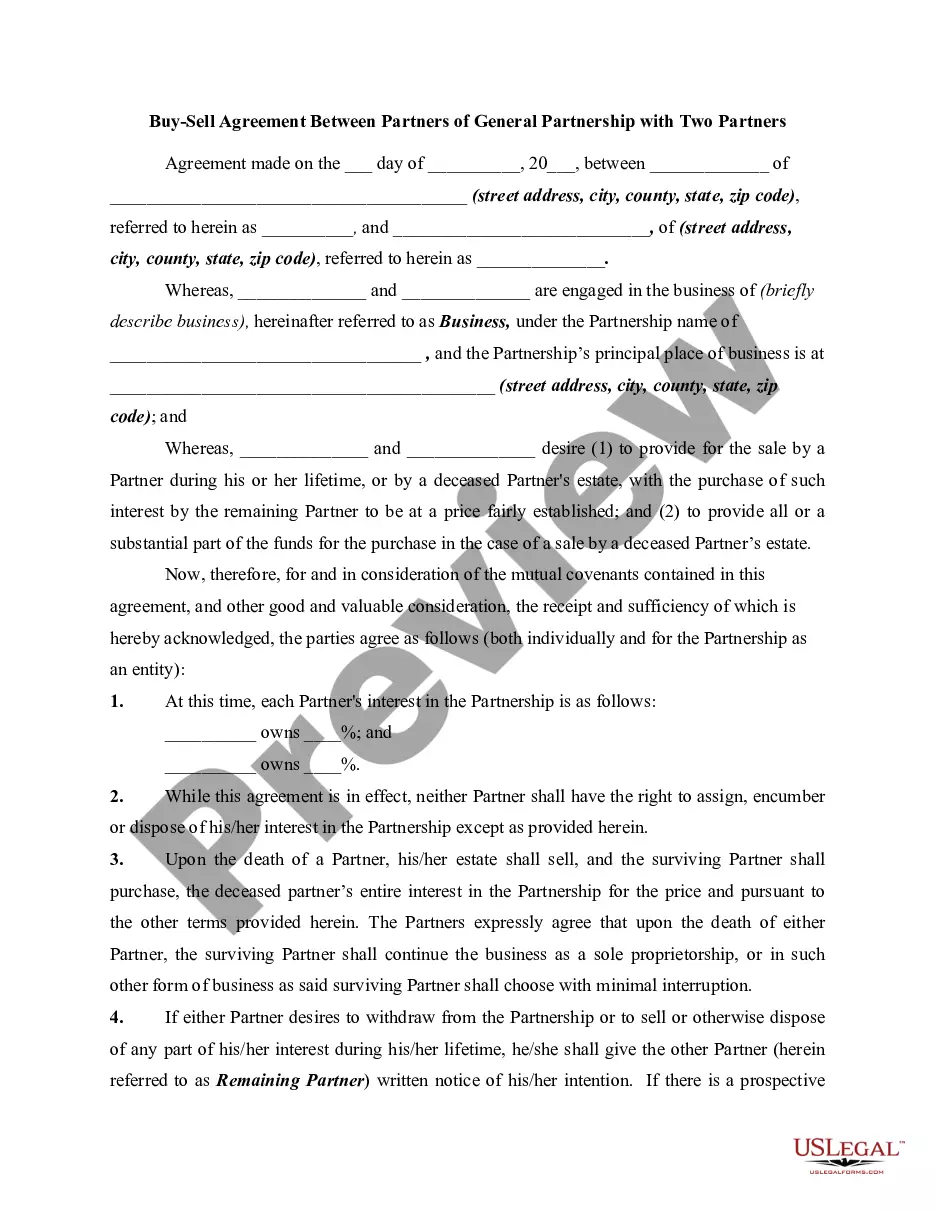
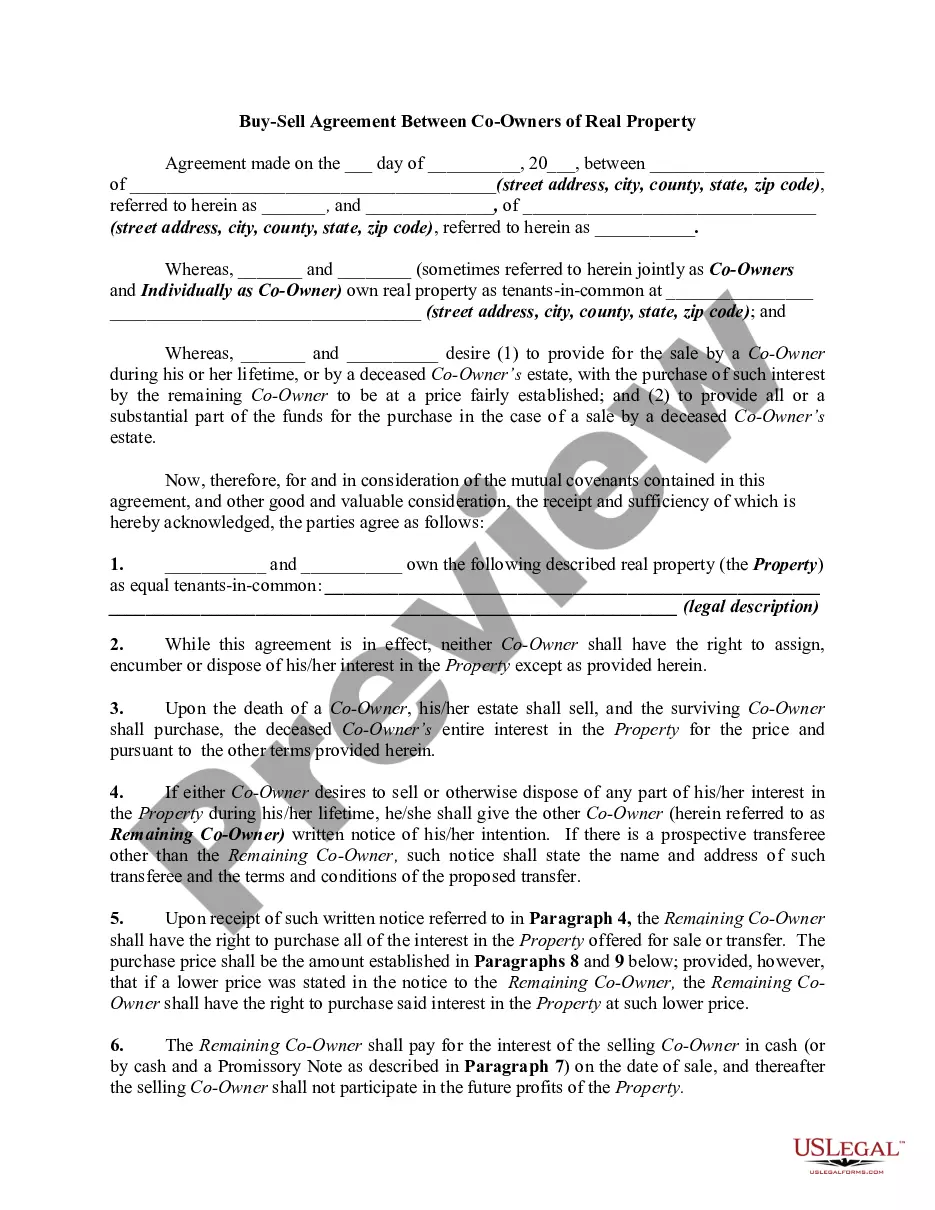
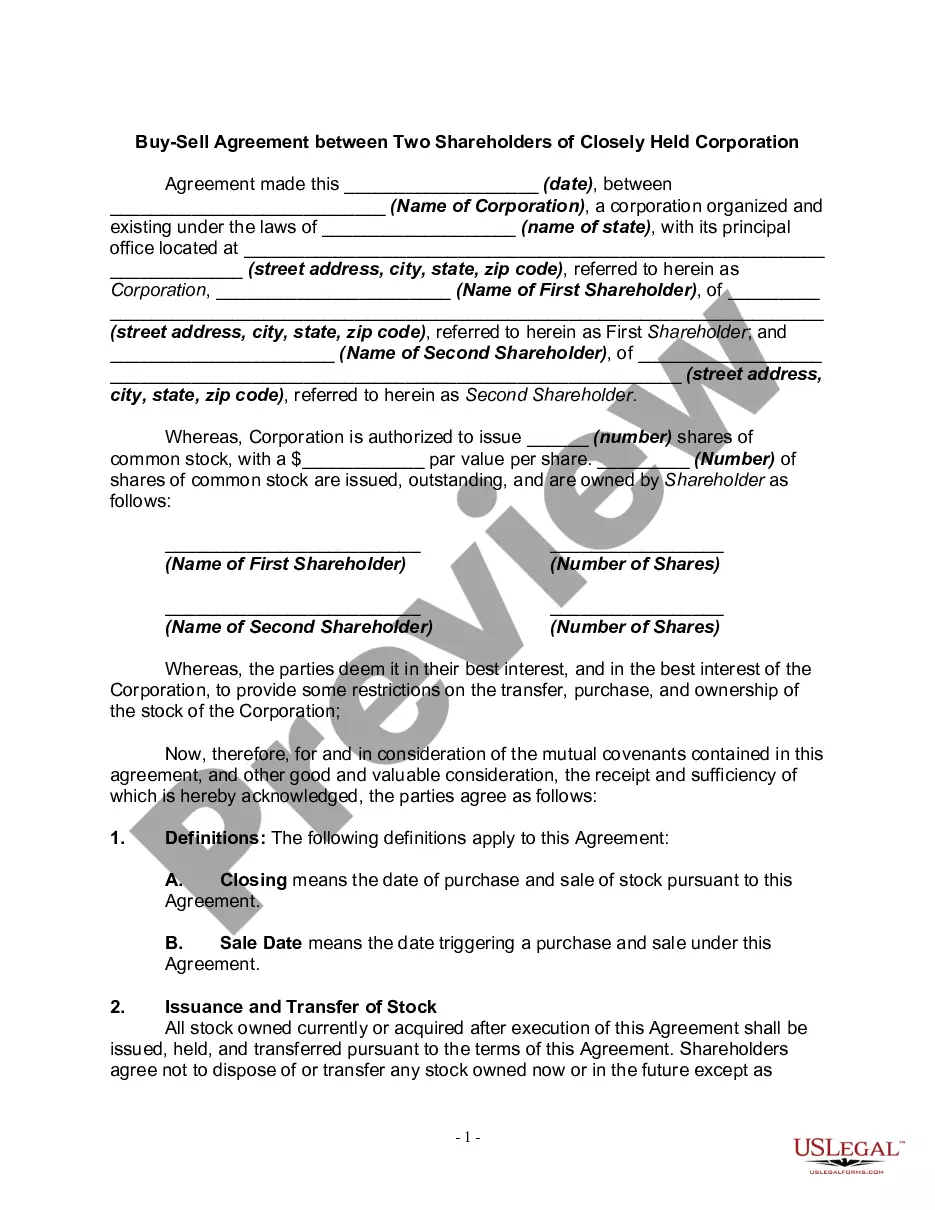
Get your form ready online
Our built-in tools help you complete, sign, share, and store your documents in one place.
Make edits, fill in missing information, and update formatting in US Legal Forms—just like you would in MS Word.
Download a copy, print it, send it by email, or mail it via USPS—whatever works best for your next step.
Sign and collect signatures with our SignNow integration. Send to multiple recipients, set reminders, and more. Go Premium to unlock E-Sign.
If this form requires notarization, complete it online through a secure video call—no need to meet a notary in person or wait for an appointment.
We protect your documents and personal data by following strict security and privacy standards.

Make edits, fill in missing information, and update formatting in US Legal Forms—just like you would in MS Word.

Download a copy, print it, send it by email, or mail it via USPS—whatever works best for your next step.

Sign and collect signatures with our SignNow integration. Send to multiple recipients, set reminders, and more. Go Premium to unlock E-Sign.

If this form requires notarization, complete it online through a secure video call—no need to meet a notary in person or wait for an appointment.

We protect your documents and personal data by following strict security and privacy standards.
Looking for another form?








Form popularity
FAQ
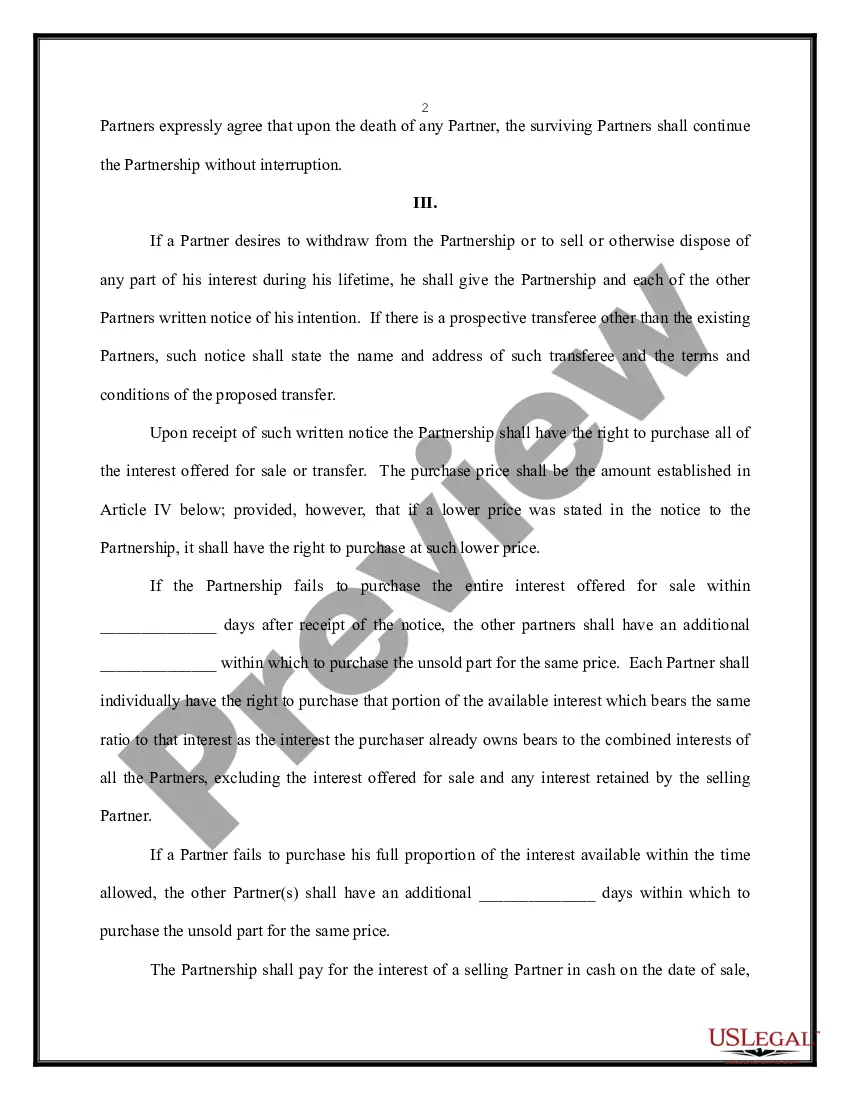
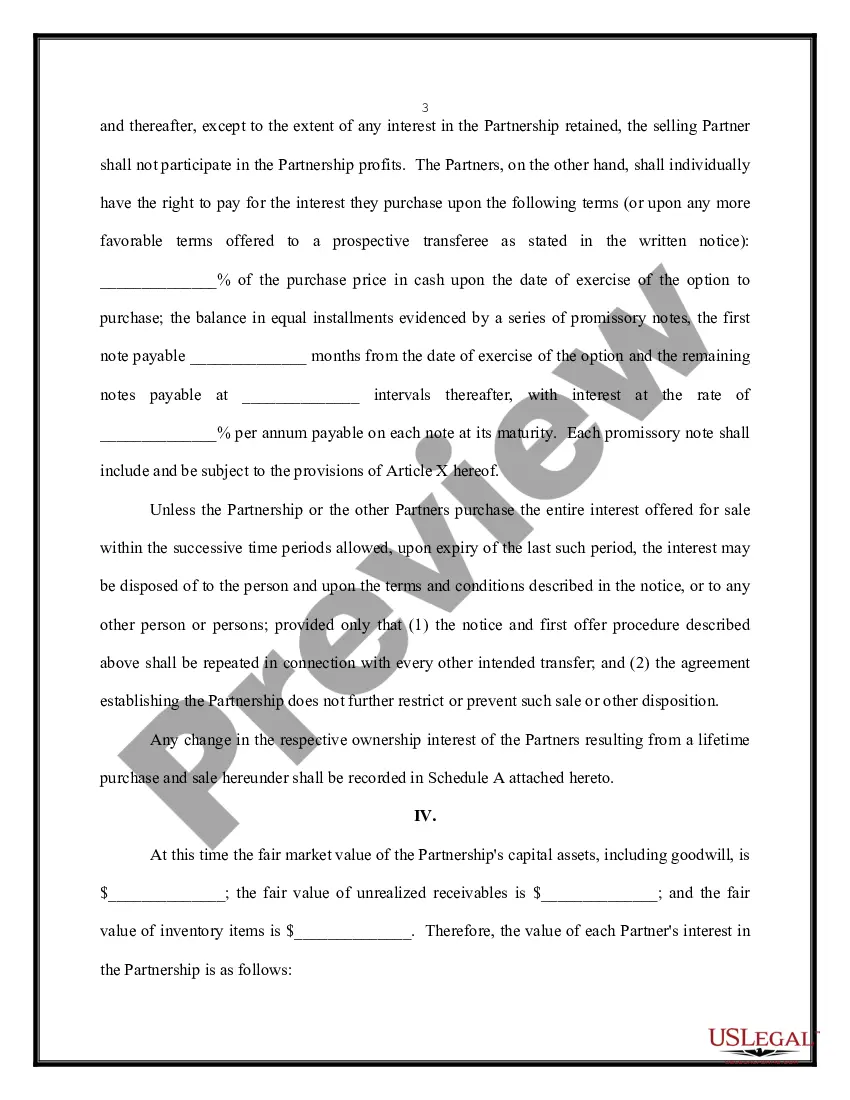
Essentially, partners share in the profits and the debts of the daily workings of the business. Because of that, when one partner wants to sell, they cannot sell the entire business. They can only sell their assets – i.e., their share of the partnership.
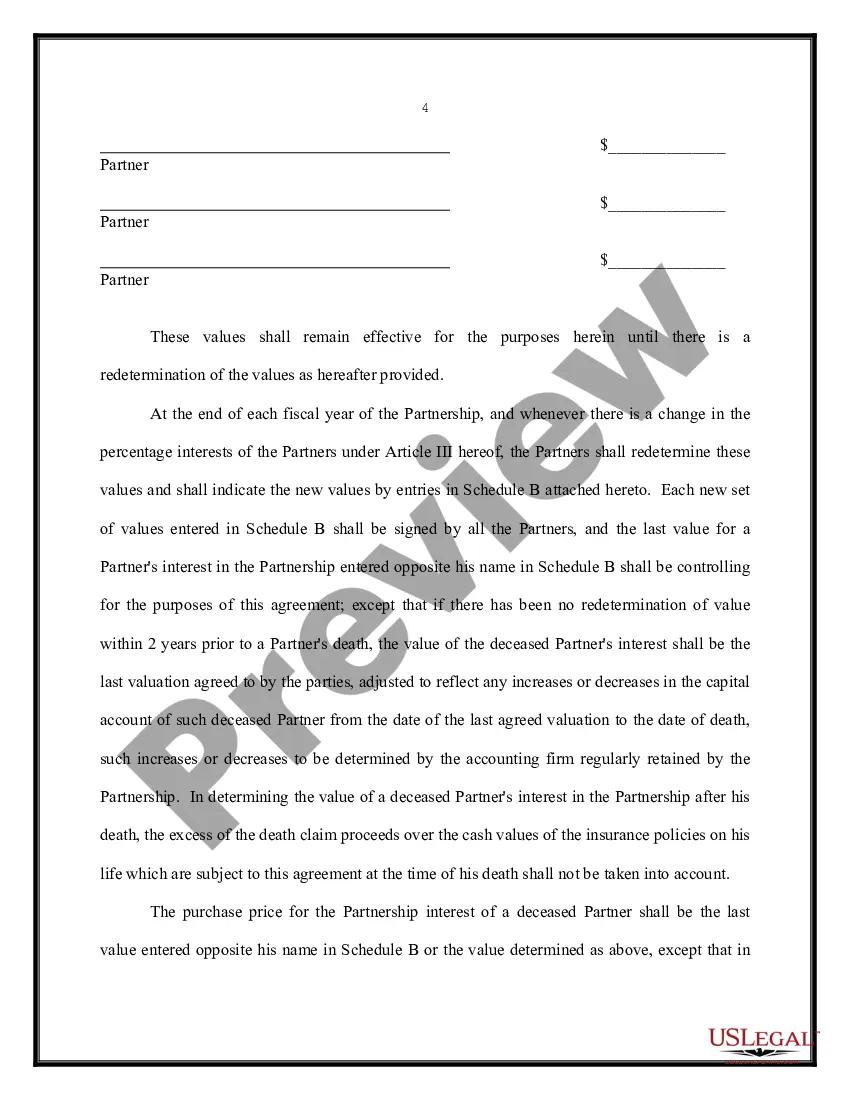
When a business is structured as a general partnership, the business and partners are not separate entities. For that reason, you can't sell the business. You can sell only the partnership's assets. Partnership agreements typically require the partners to meet annually and agree to a value for the partnership's assets.
A General Partnership is a formal agreement between two or more people to operate a business together. The partners share the business assets, profits, and debts. Michigan's Uniform Partnership Act (Act 72 in Chapter 449 of the Michigan Compiled Laws) governs General Partnerships in the state.
Takeover of partnership firm The business of the partnership firm can be taken over by Private limited company or by another partnership firm, the assets and liabilities of the firm can be transfer on payment of consideration & on payment of stamp duty.
Partnership selling is where your company and another company strategically become allies in business. You'll set targets together and expand your horizons through shared resources and databases. The goal is to establish a long-term relationship and create real value and revenue for both companies involved.
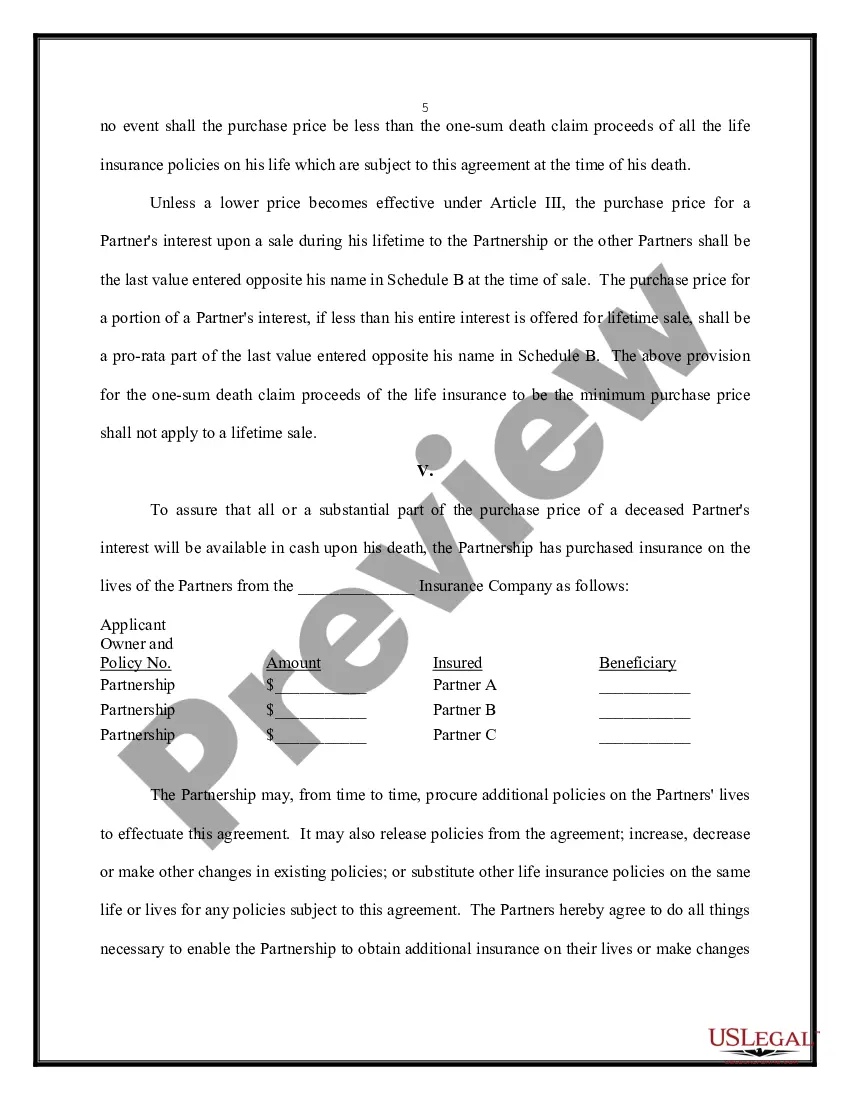
To accomplish this, you must first show that an enforceable buy-sell agreement is in place. You may find this as a term in the operating or partnership agreement. Or it might be a separate agreement. Next, you'd need to show that the situation meets a condition in the buyout agreement.
Forming a Partnership in Michigan Choose a business name for your partnership and check for availability. Register the business name with local, state, and/or federal authorities. Draft and sign a partnership agreement. Obtain any required local licenses.
There are three relatively common partnership types: general partnership (GP), limited partnership (LP) and limited liability partnership (LLP). A fourth, the limited liability limited partnership (LLLP), is not recognized in all states.
How to Write a Partnership Agreement Define Partnership Structure. Outline Capital Contributions and Ownership. Detail Profit, Loss, and Distribution Arrangements. Set Decision-Making and Management Protocols. Plan for Changes and Contingencies. Include Legal Provisions and Finalize the Agreement.
What to include in your partnership agreement Name of the partnership. Contributions to the partnership. Allocation of profits, losses, and draws. Partners' authority. Partnership decision-making. Management duties. Admitting new partners. Withdrawal or death of a partner.
