Agreement Between Partnership For Llc In Massachusetts
Description

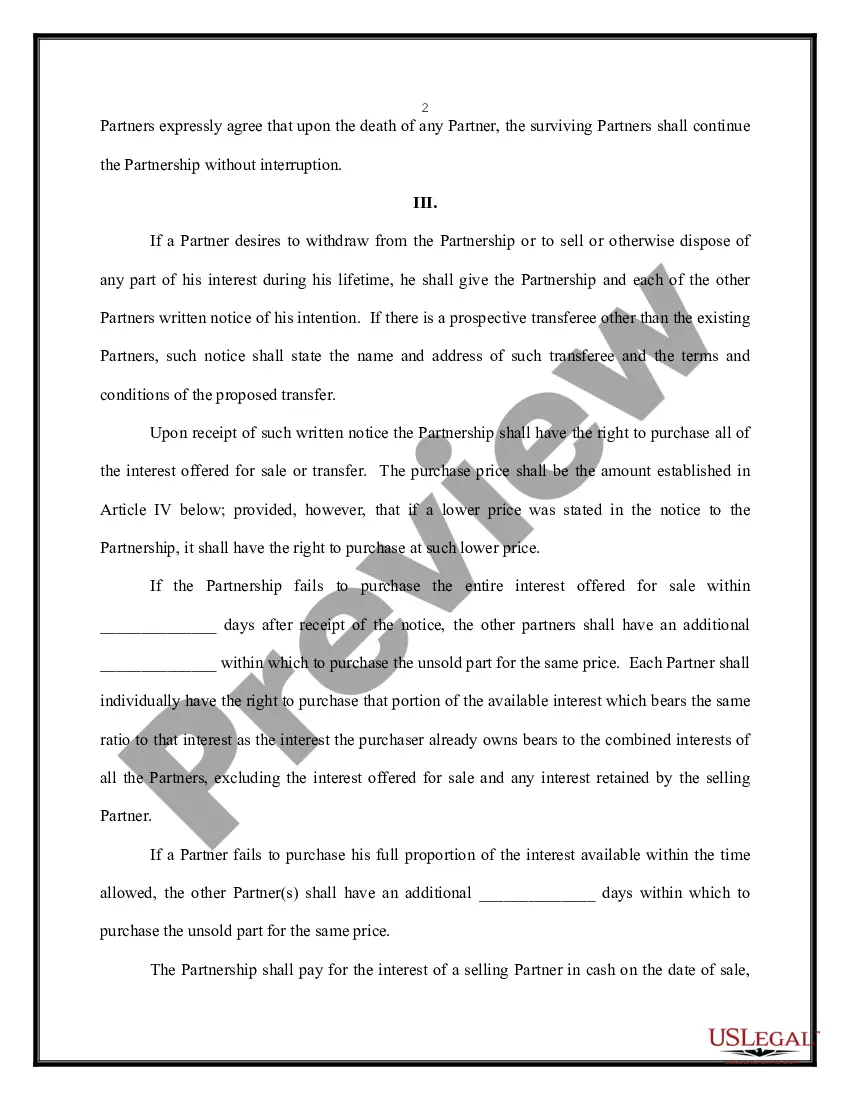
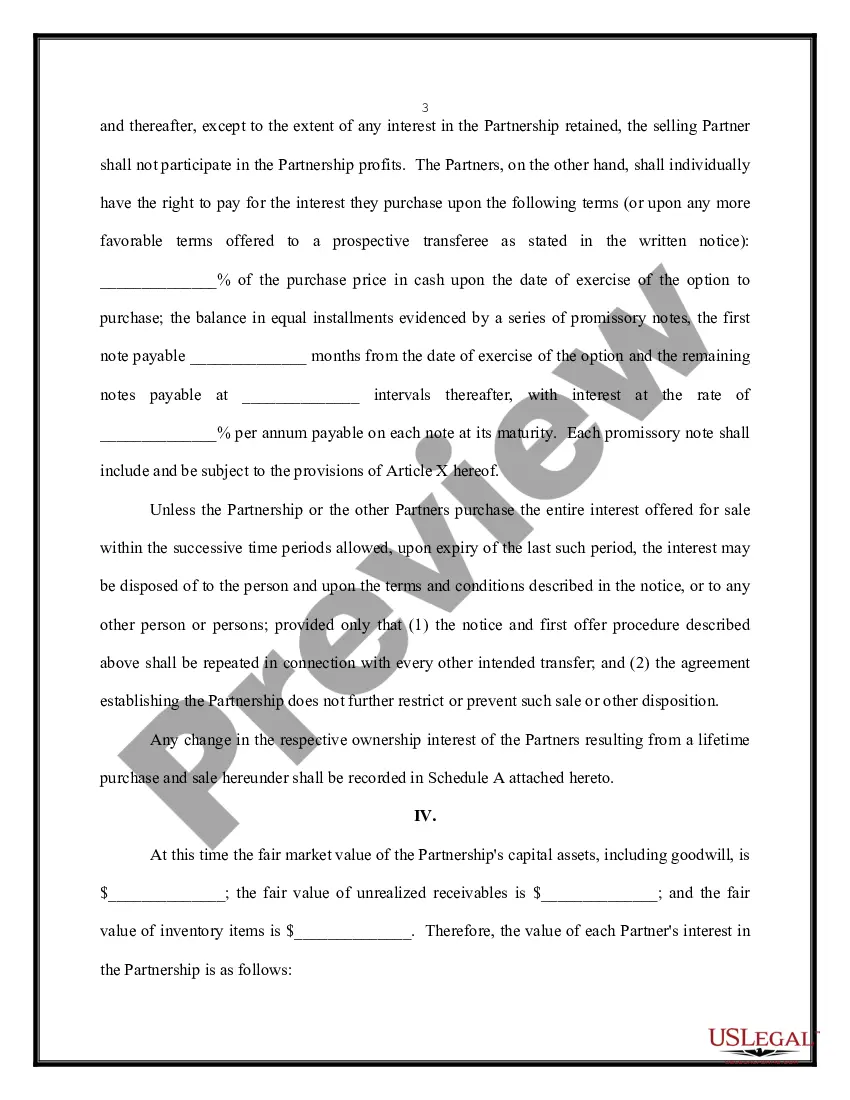
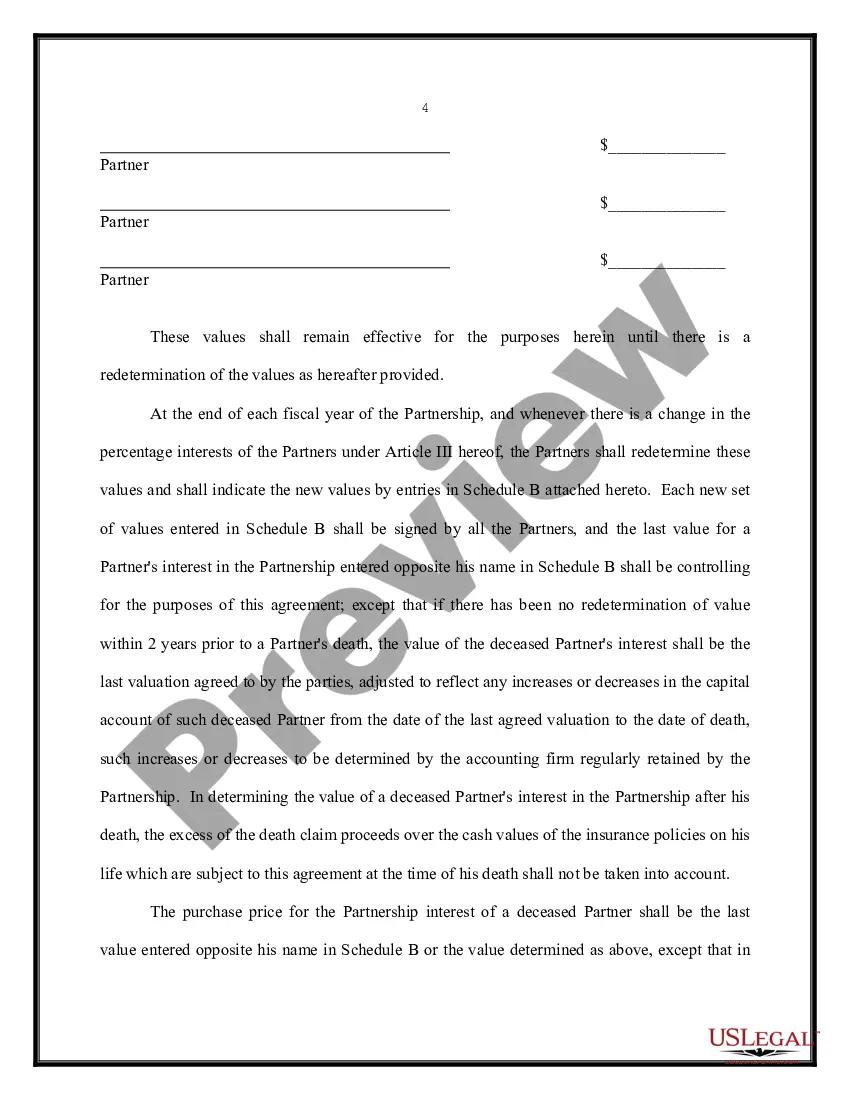
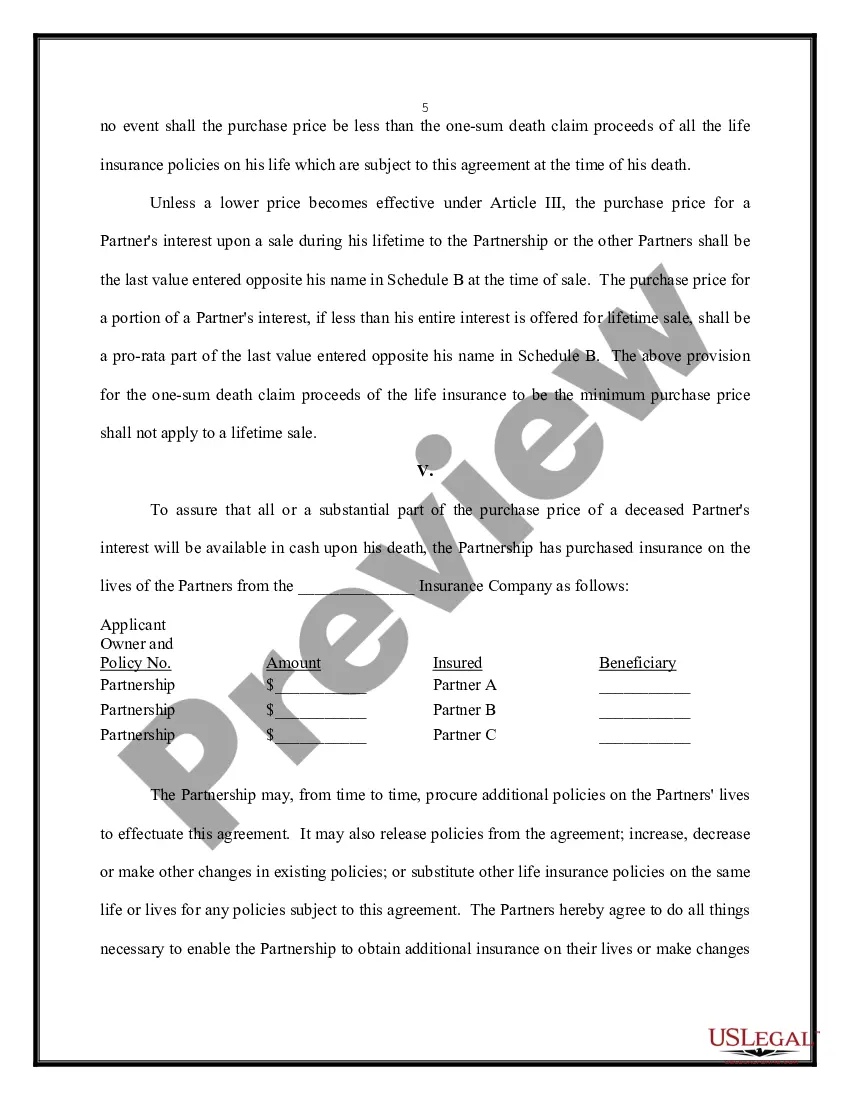
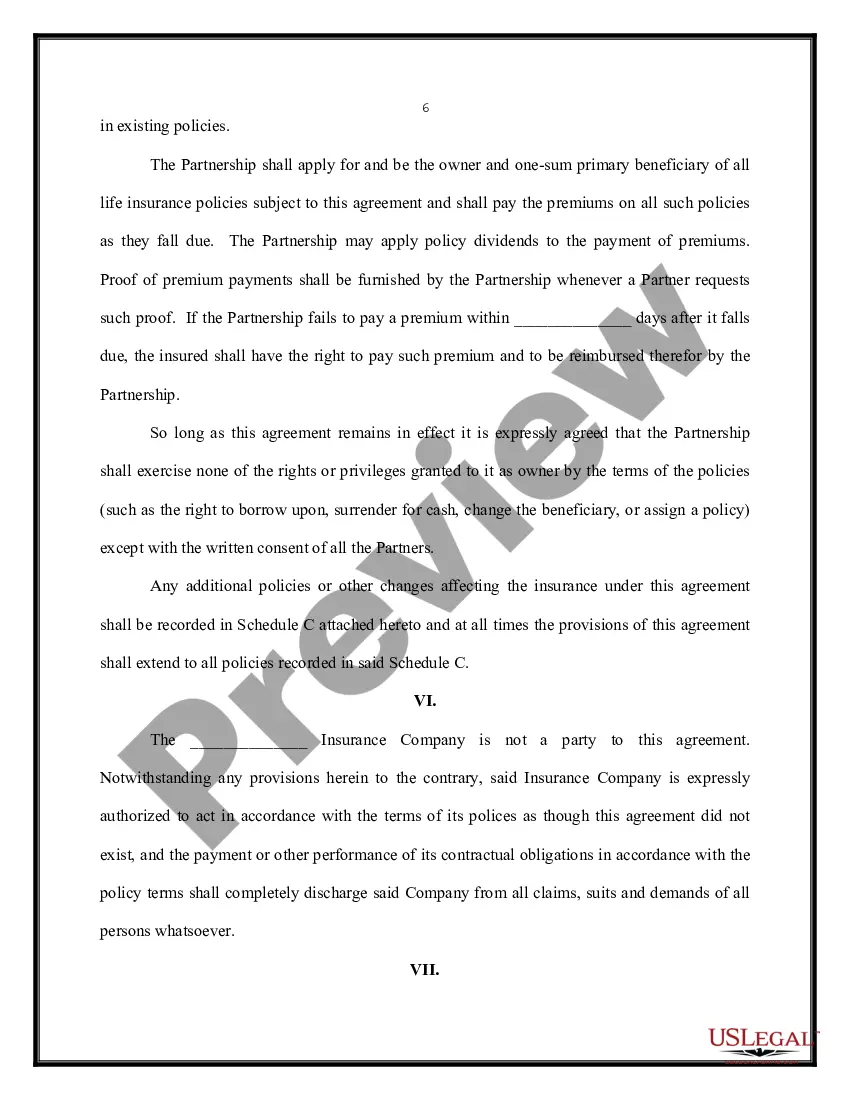
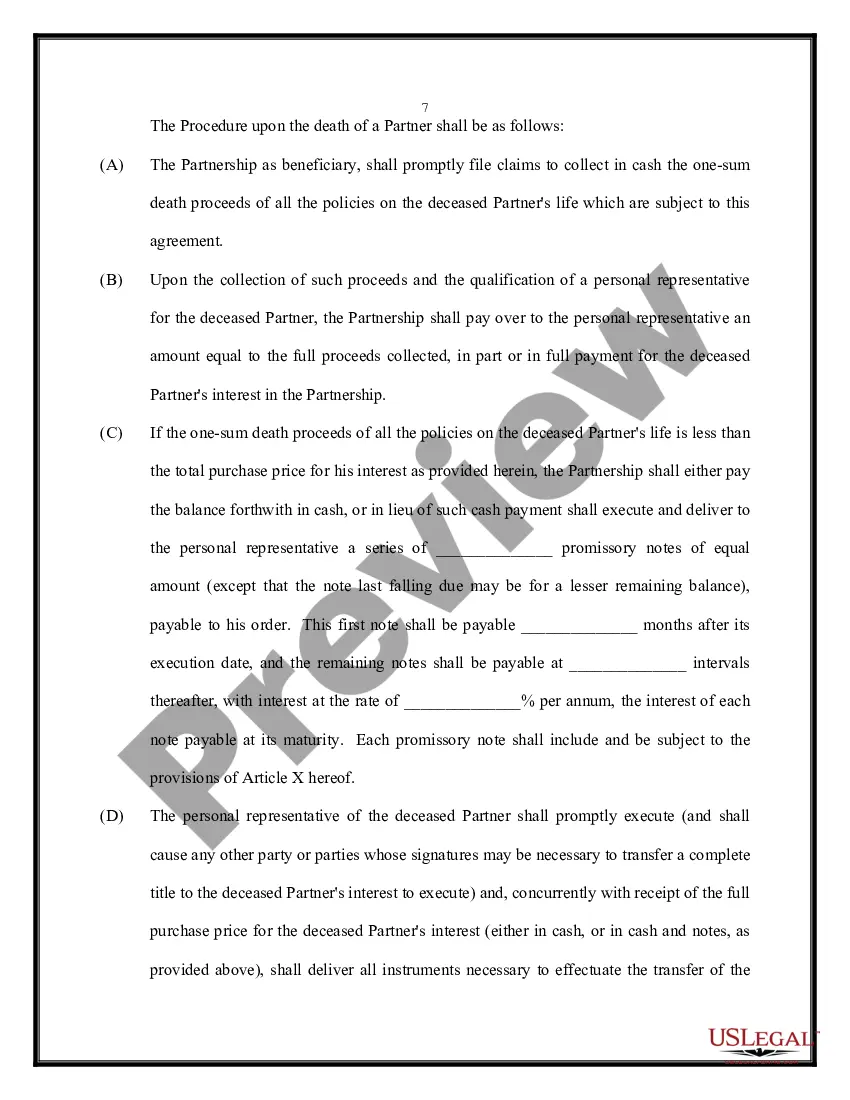
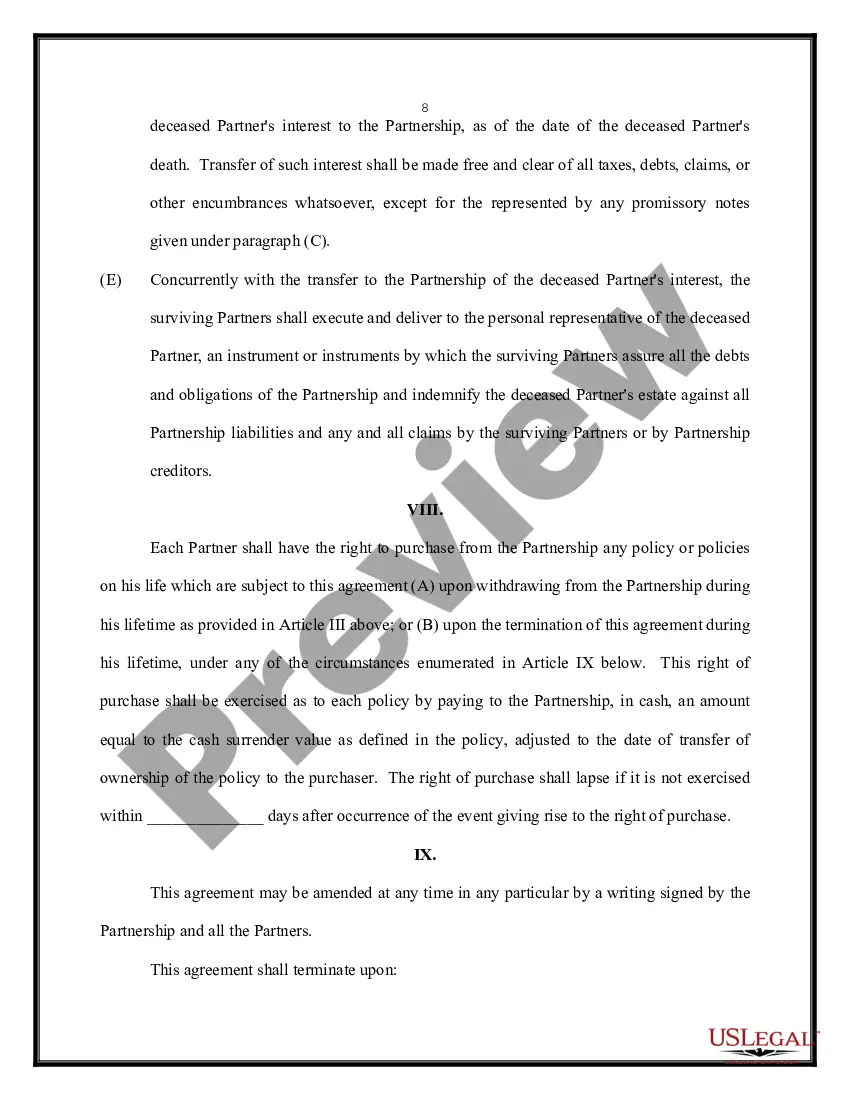
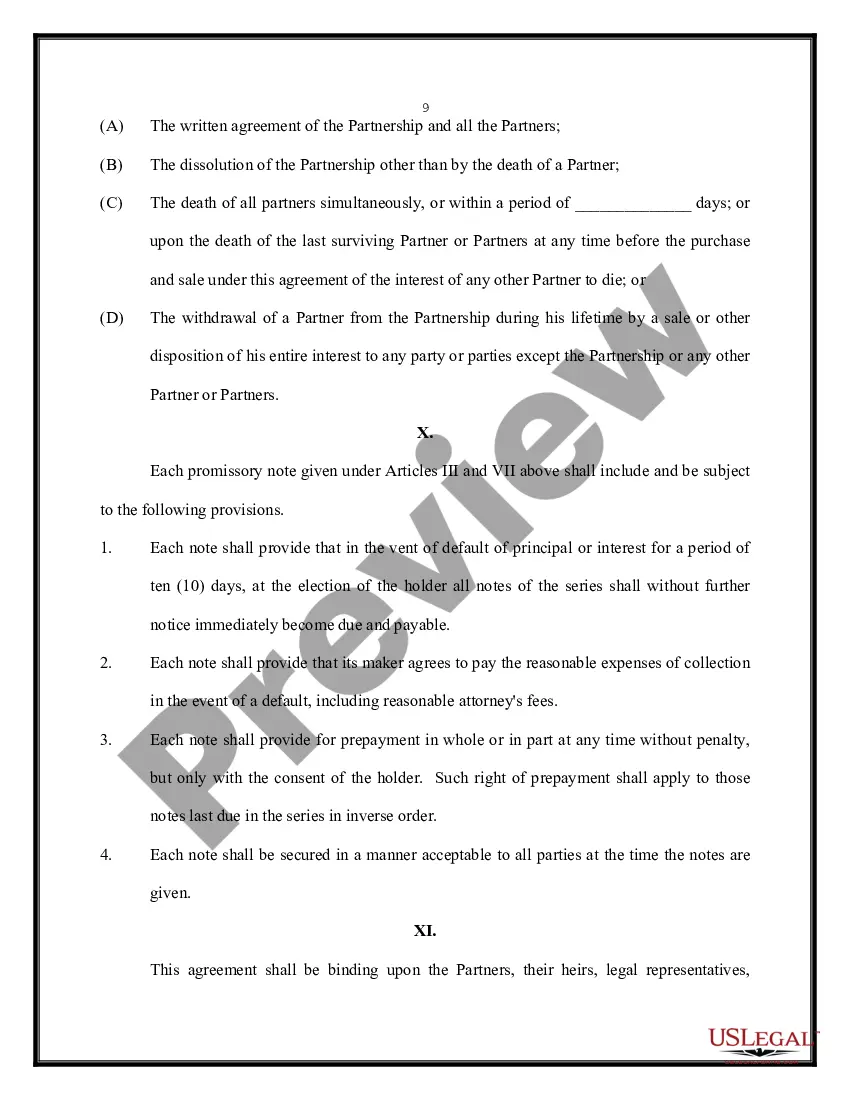
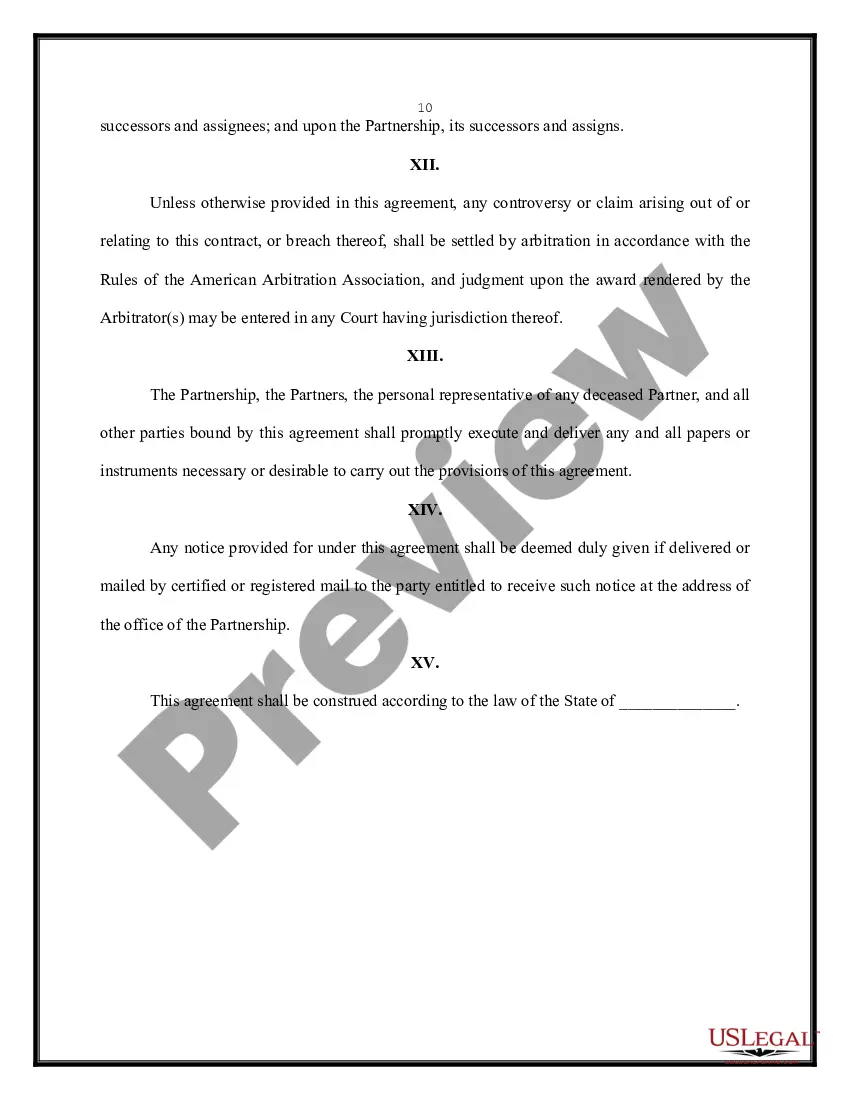


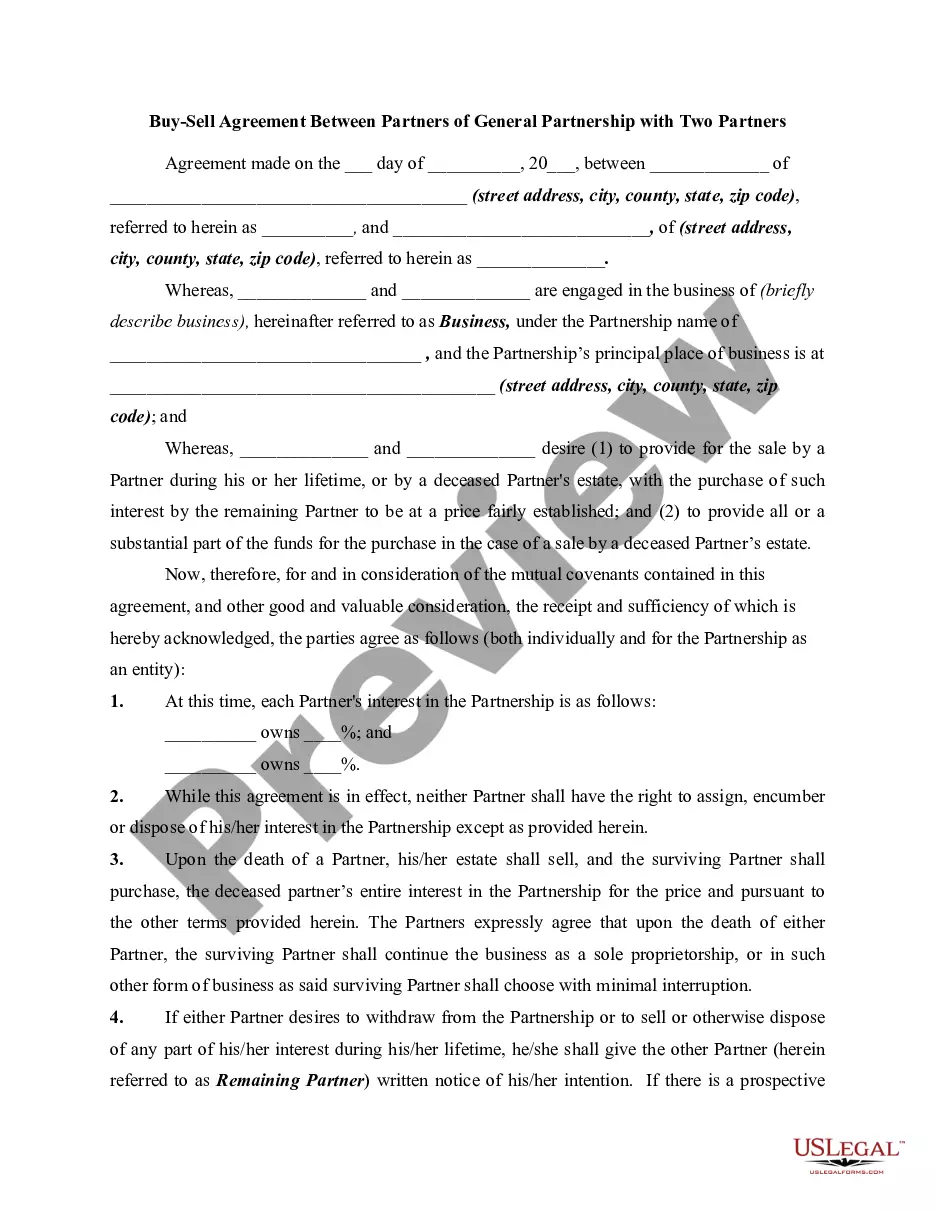
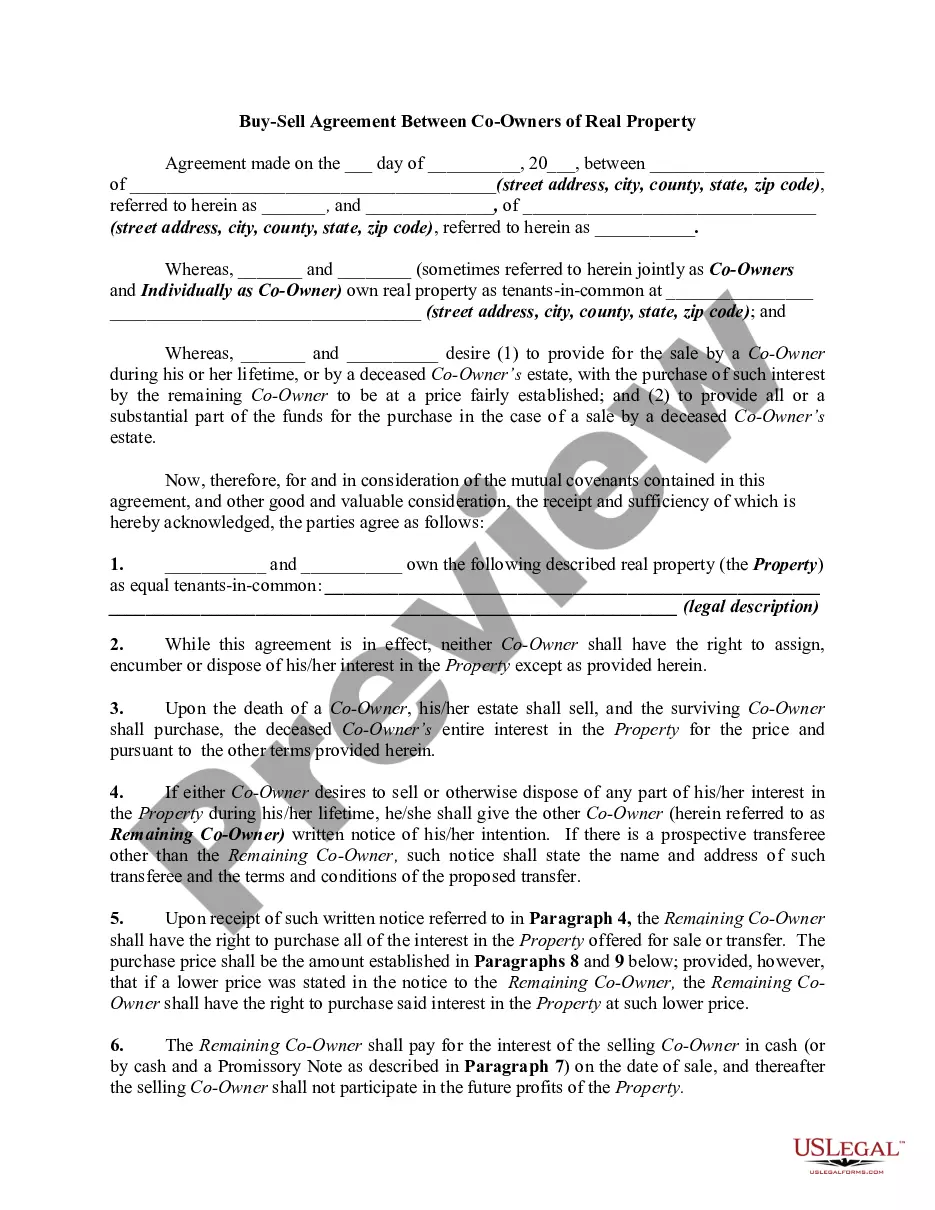
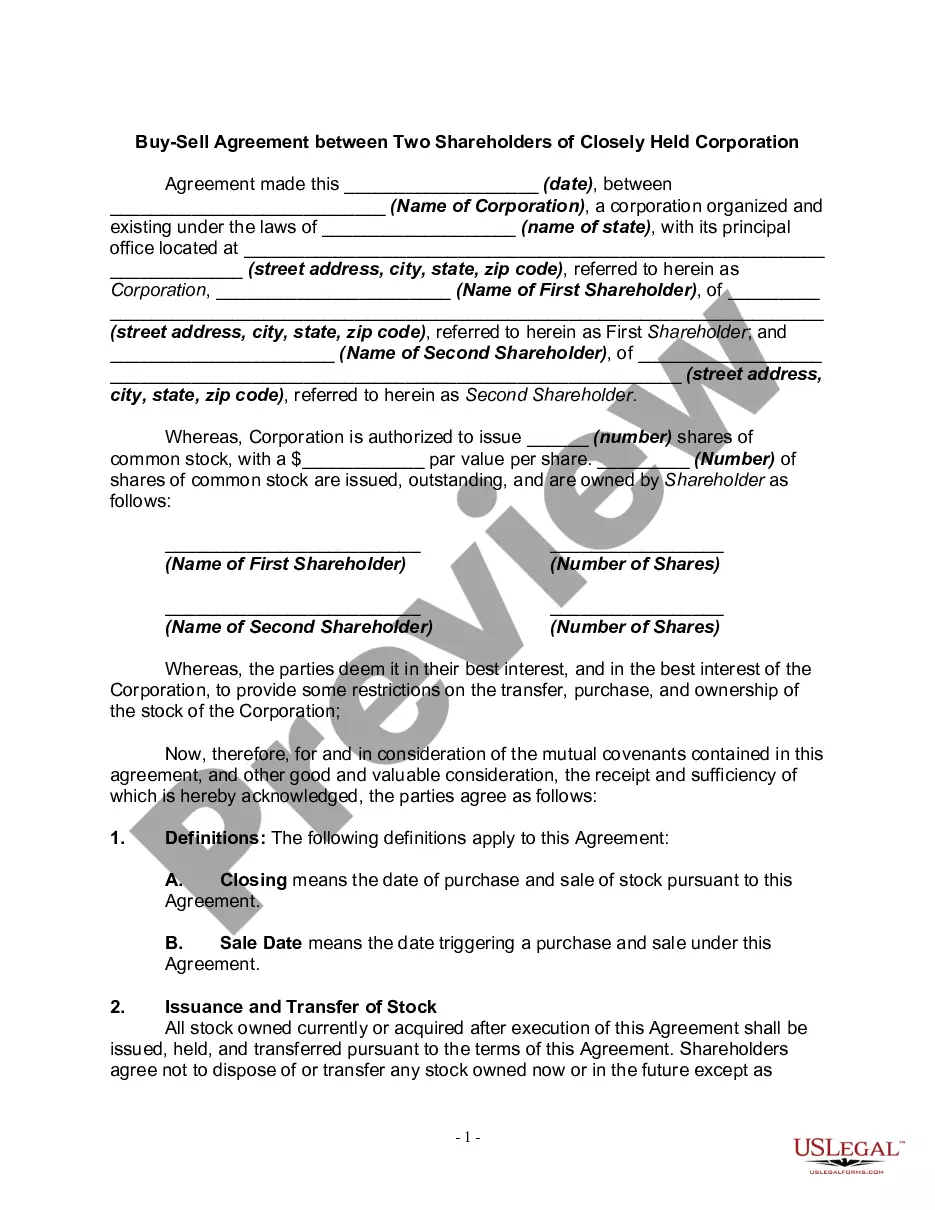
Get your form ready online
Our built-in tools help you complete, sign, share, and store your documents in one place.
Make edits, fill in missing information, and update formatting in US Legal Forms—just like you would in MS Word.
Download a copy, print it, send it by email, or mail it via USPS—whatever works best for your next step.
Sign and collect signatures with our SignNow integration. Send to multiple recipients, set reminders, and more. Go Premium to unlock E-Sign.
If this form requires notarization, complete it online through a secure video call—no need to meet a notary in person or wait for an appointment.
We protect your documents and personal data by following strict security and privacy standards.

Make edits, fill in missing information, and update formatting in US Legal Forms—just like you would in MS Word.

Download a copy, print it, send it by email, or mail it via USPS—whatever works best for your next step.

Sign and collect signatures with our SignNow integration. Send to multiple recipients, set reminders, and more. Go Premium to unlock E-Sign.

If this form requires notarization, complete it online through a secure video call—no need to meet a notary in person or wait for an appointment.

We protect your documents and personal data by following strict security and privacy standards.
Looking for another form?







Form popularity
FAQ
Partnerships aren't directly taxed. Instead, each partner is taxed on their share of the partnership's income. There are a few different types of partnerships. In a general partnership, all partners are legally responsible for the business's debts.
LLCs are classified for Massachusetts income tax purposes the same way they are for federal income tax purposes. A single-member LLC will be disregarded as an entity separate from its owner for Massachusetts income tax purposes, if it is disregarded for federal tax purposes.
General partners have full management control of the business and unlimited financial liability for their financial obligations. Limited partners have little or no involvement in management, and their liability is limited to the amount of their investment in the LP.
How to Write a Partnership Agreement Define Partnership Structure. Outline Capital Contributions and Ownership. Detail Profit, Loss, and Distribution Arrangements. Set Decision-Making and Management Protocols. Plan for Changes and Contingencies. Include Legal Provisions and Finalize the Agreement.
The business profits (or losses) are usually divided among the partners based on the partnership agreement. Like a sole proprietorship, a partnership is easy to form. In fact, a simple verbal agreement is enough to form a partnership.
How to Write a Partnership Agreement Define Partnership Structure. Outline Capital Contributions and Ownership. Detail Profit, Loss, and Distribution Arrangements. Set Decision-Making and Management Protocols. Plan for Changes and Contingencies. Include Legal Provisions and Finalize the Agreement.
Kickstart your new business in minutes There are three relatively common partnership types: general partnership (GP), limited partnership (LP) and limited liability partnership (LLP). A fourth, the limited liability limited partnership (LLLP), is not recognized in all states.
A partnership agreement need only be a contract/agreement signed by the parties (sometimes referred to as a simple contract 'under hand') unless there is some part of the agreement that relates to the transfer of property, in which case the agreement must take the form of a deed note 5.
LLCs are classified for Massachusetts income tax purposes the same way they are for federal income tax purposes. A single-member LLC will be disregarded as an entity separate from its owner for Massachusetts income tax purposes, if it is disregarded for federal tax purposes.
