Buy Sell Agreement Purchase With Multiple Partners In California
Description

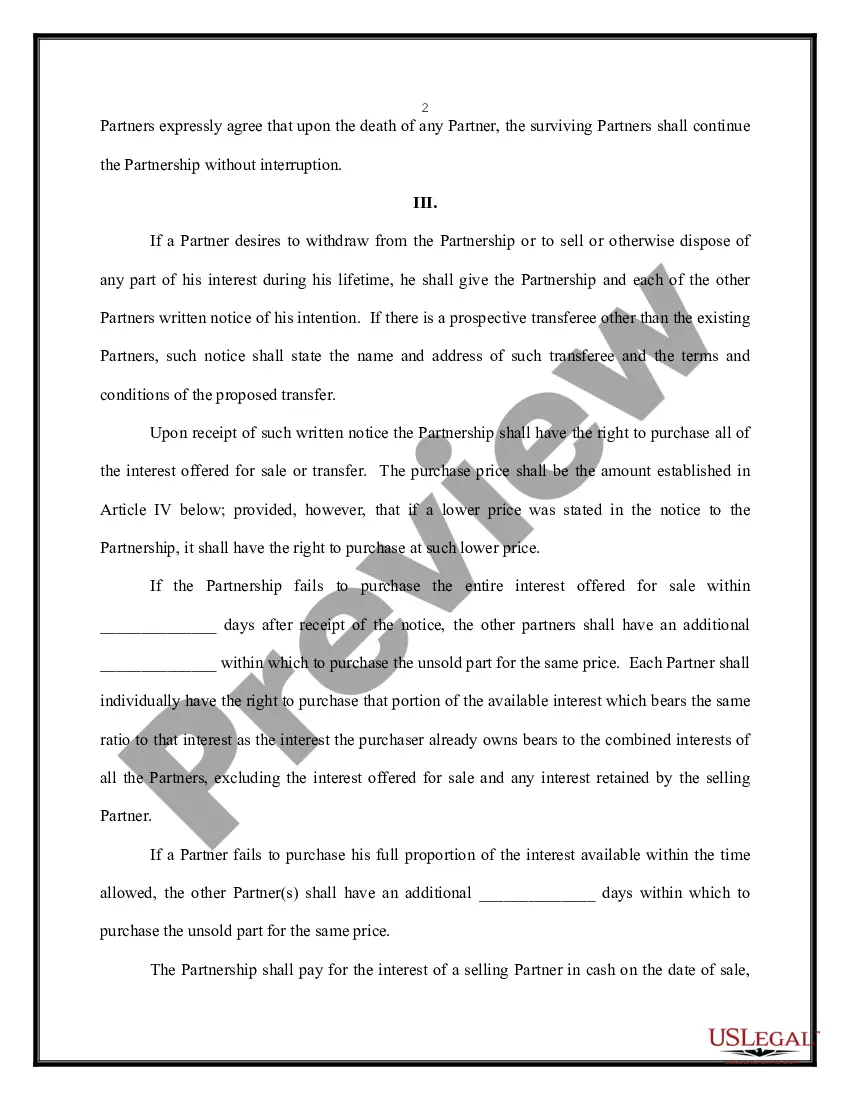
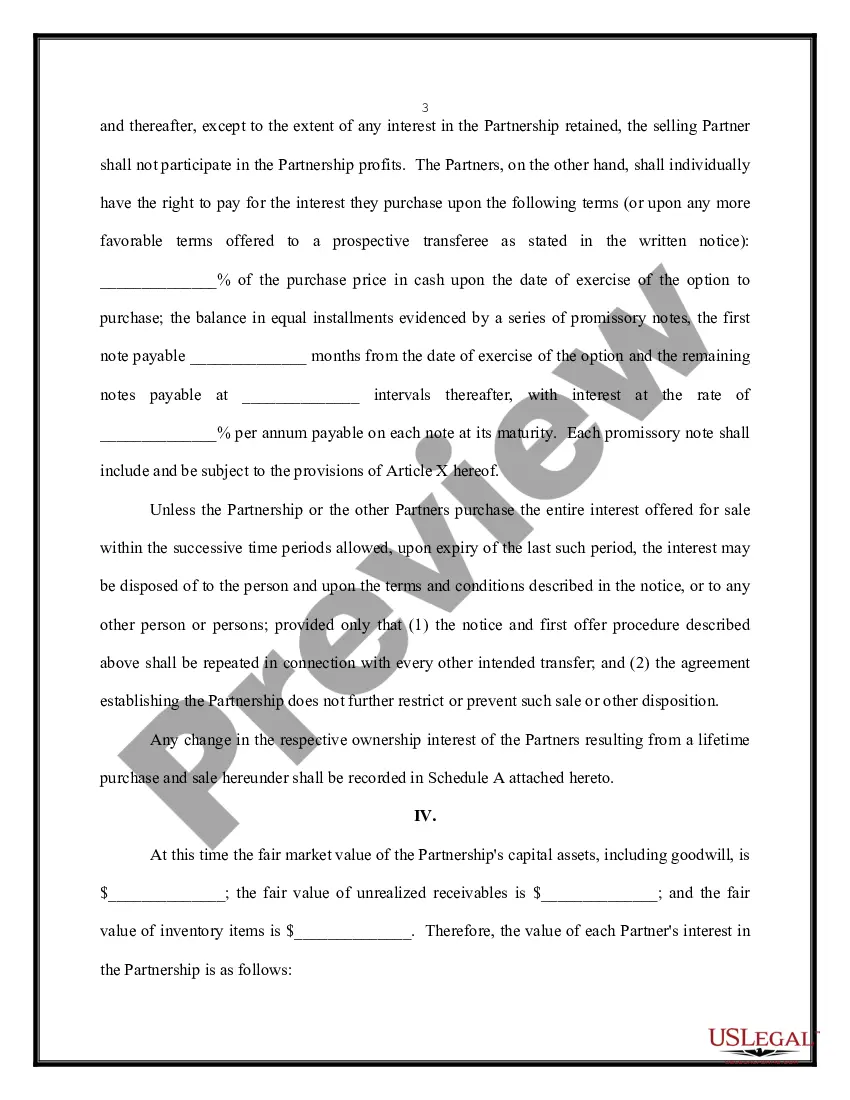
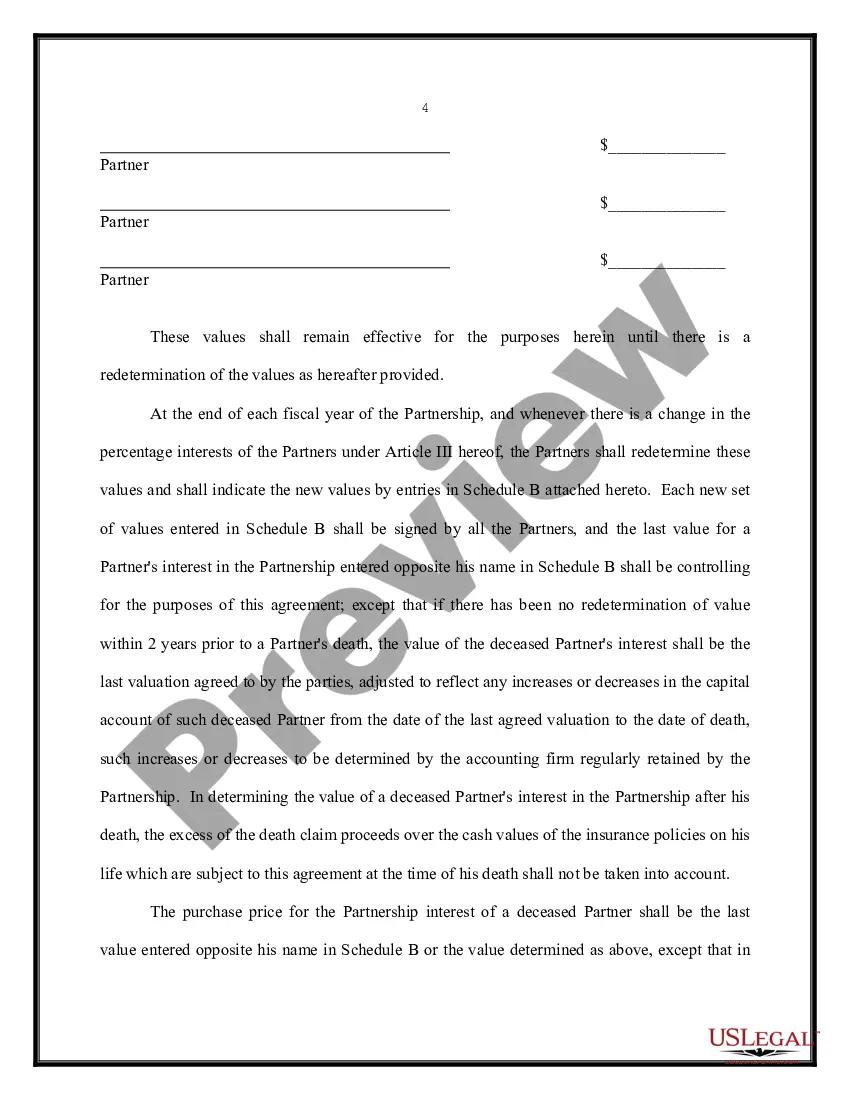
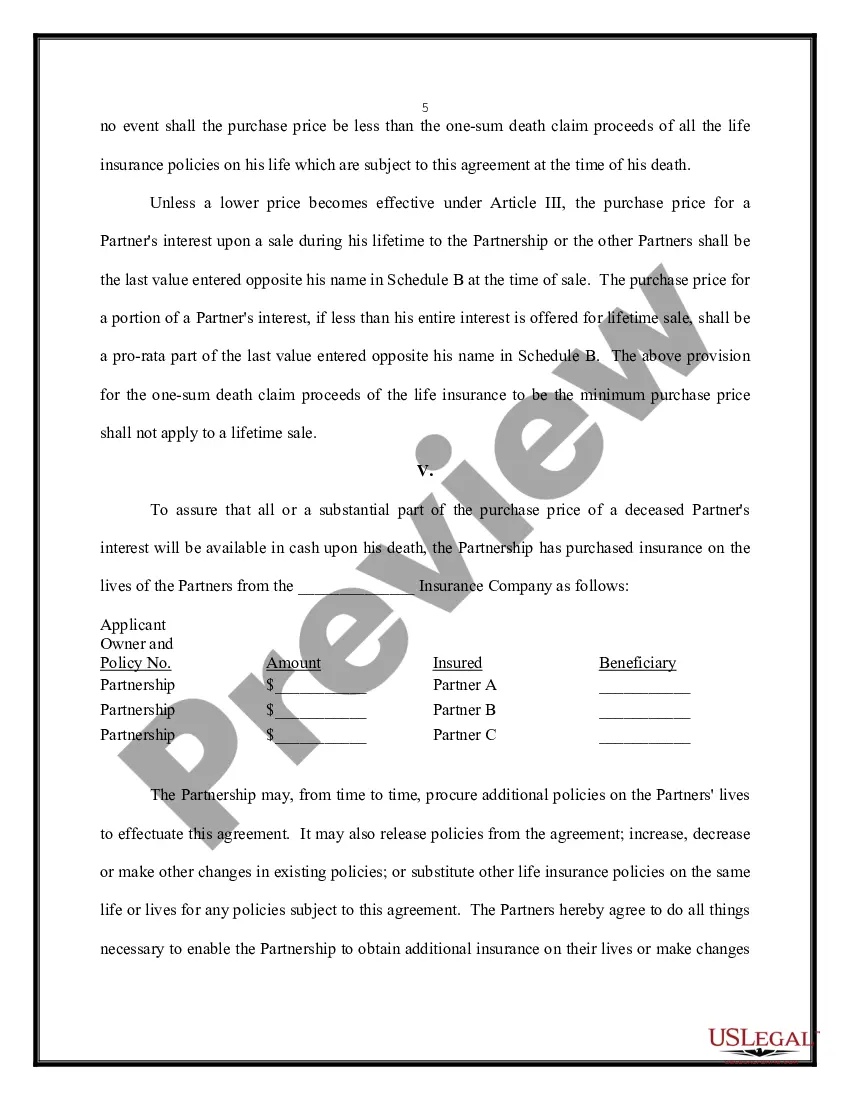


Get your form ready online
Our built-in tools help you complete, sign, share, and store your documents in one place.
Make edits, fill in missing information, and update formatting in US Legal Forms—just like you would in MS Word.
Download a copy, print it, send it by email, or mail it via USPS—whatever works best for your next step.
Sign and collect signatures with our SignNow integration. Send to multiple recipients, set reminders, and more. Go Premium to unlock E-Sign.
If this form requires notarization, complete it online through a secure video call—no need to meet a notary in person or wait for an appointment.
We protect your documents and personal data by following strict security and privacy standards.

Make edits, fill in missing information, and update formatting in US Legal Forms—just like you would in MS Word.

Download a copy, print it, send it by email, or mail it via USPS—whatever works best for your next step.

Sign and collect signatures with our SignNow integration. Send to multiple recipients, set reminders, and more. Go Premium to unlock E-Sign.

If this form requires notarization, complete it online through a secure video call—no need to meet a notary in person or wait for an appointment.

We protect your documents and personal data by following strict security and privacy standards.
Looking for another form?
Form popularity
FAQ
A SPA is a legally binding contract that sets out the terms and conditions of a sale between a buyer and a seller. It is typically used in the context of buying and selling a business or a significant asset, such as shares in a company.
The biggest difference is that an SPA is the sale of all shares, and an APA is the sale of selected assets. Therefore, they are both different transactions and have different procedures. 2. With a SPA, all shareholders in the company must be consulted and agree to sell their shares in the company.
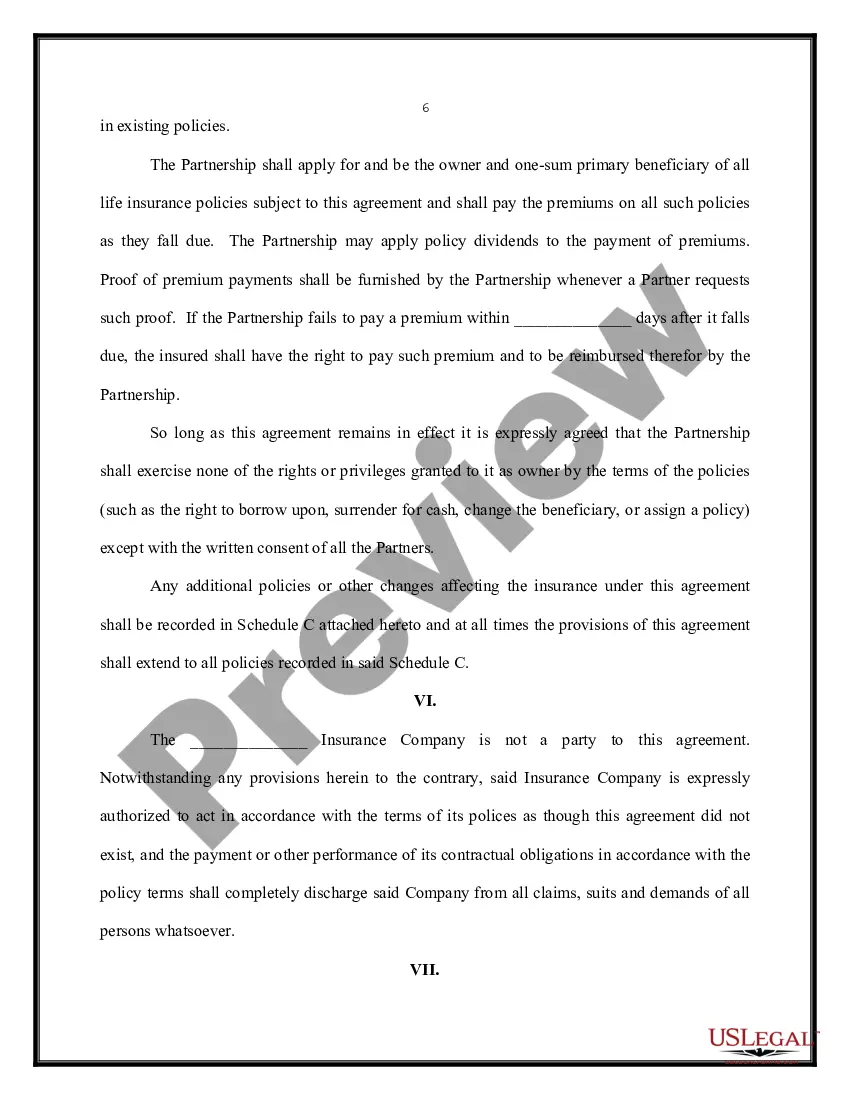
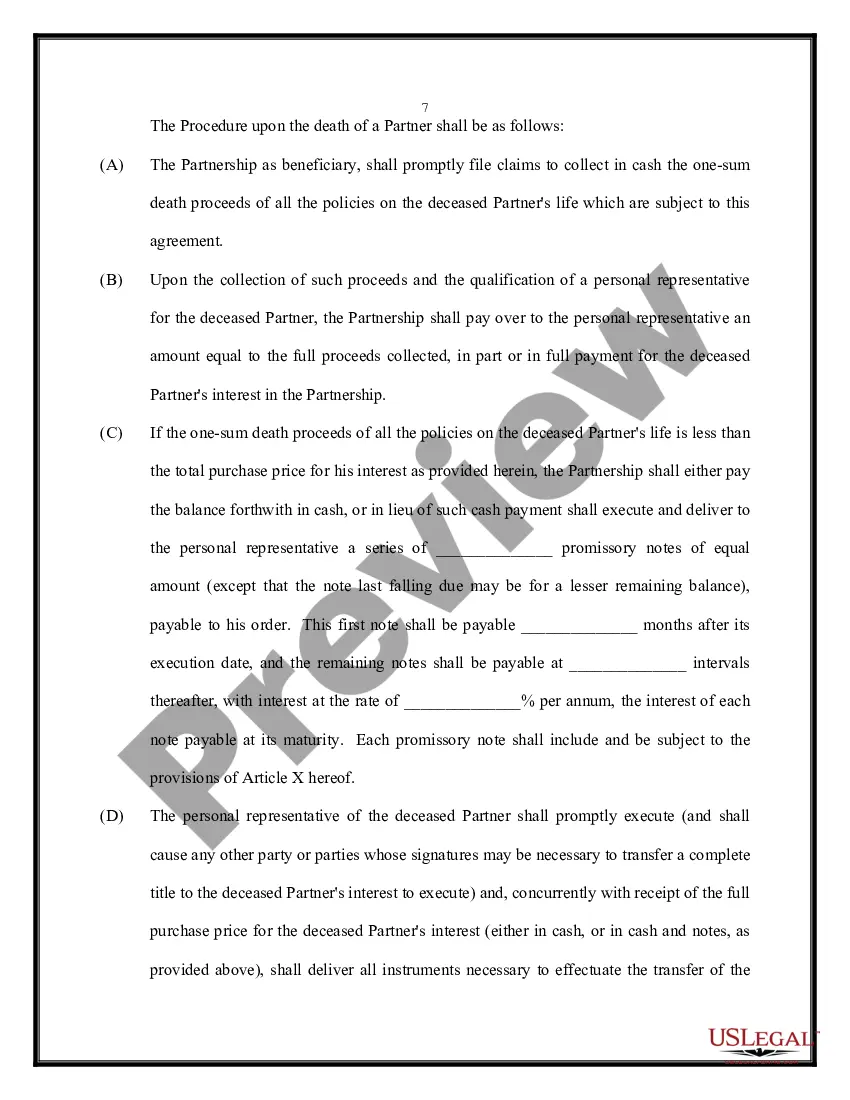
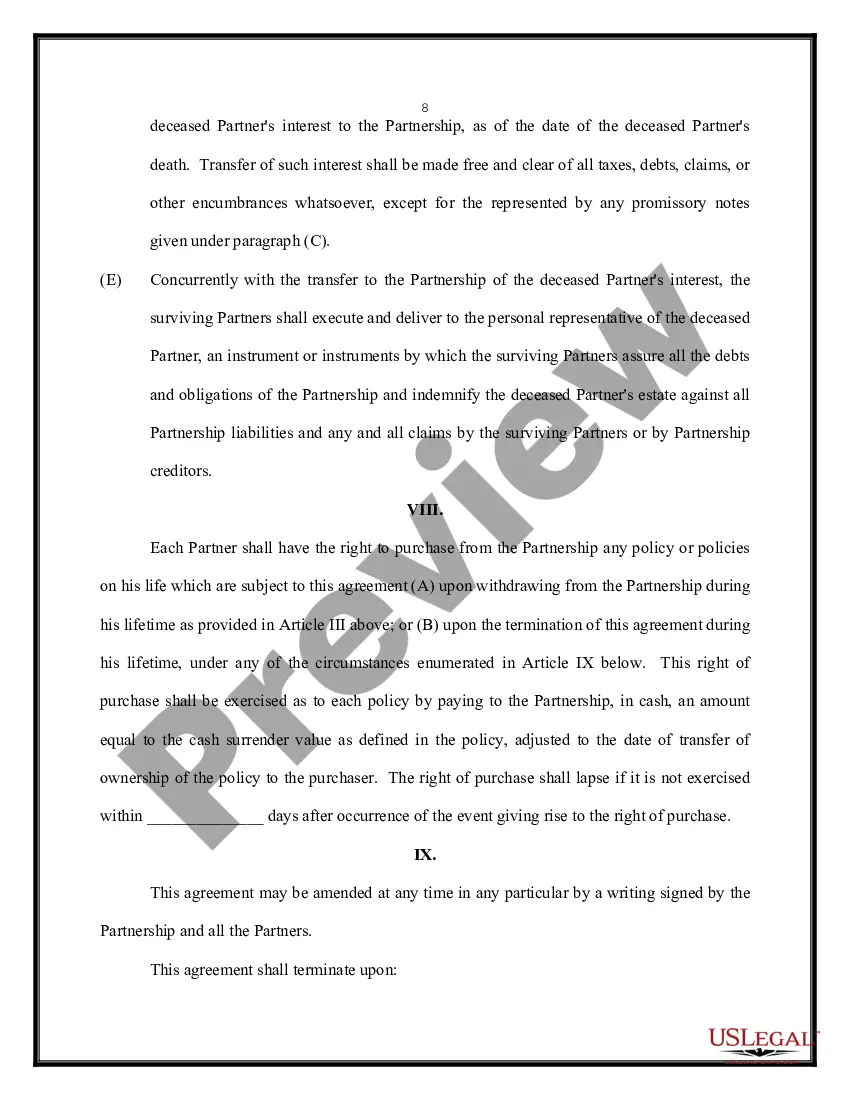
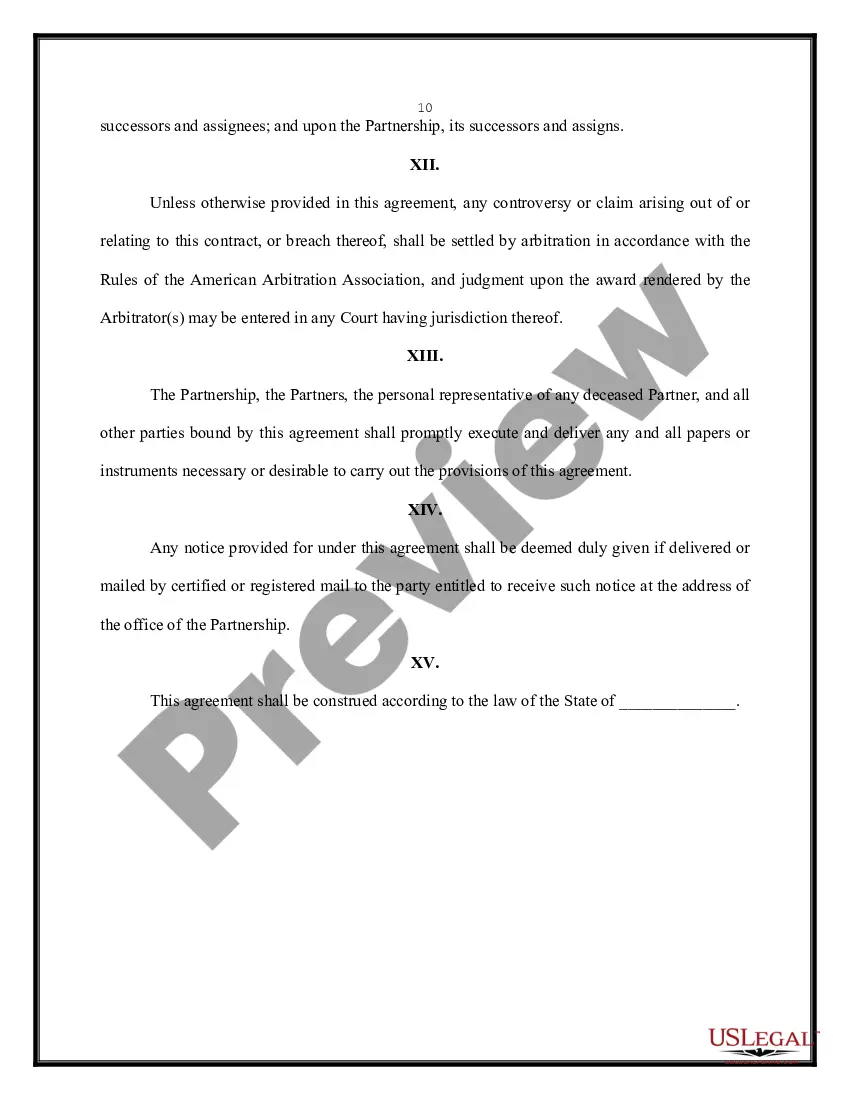
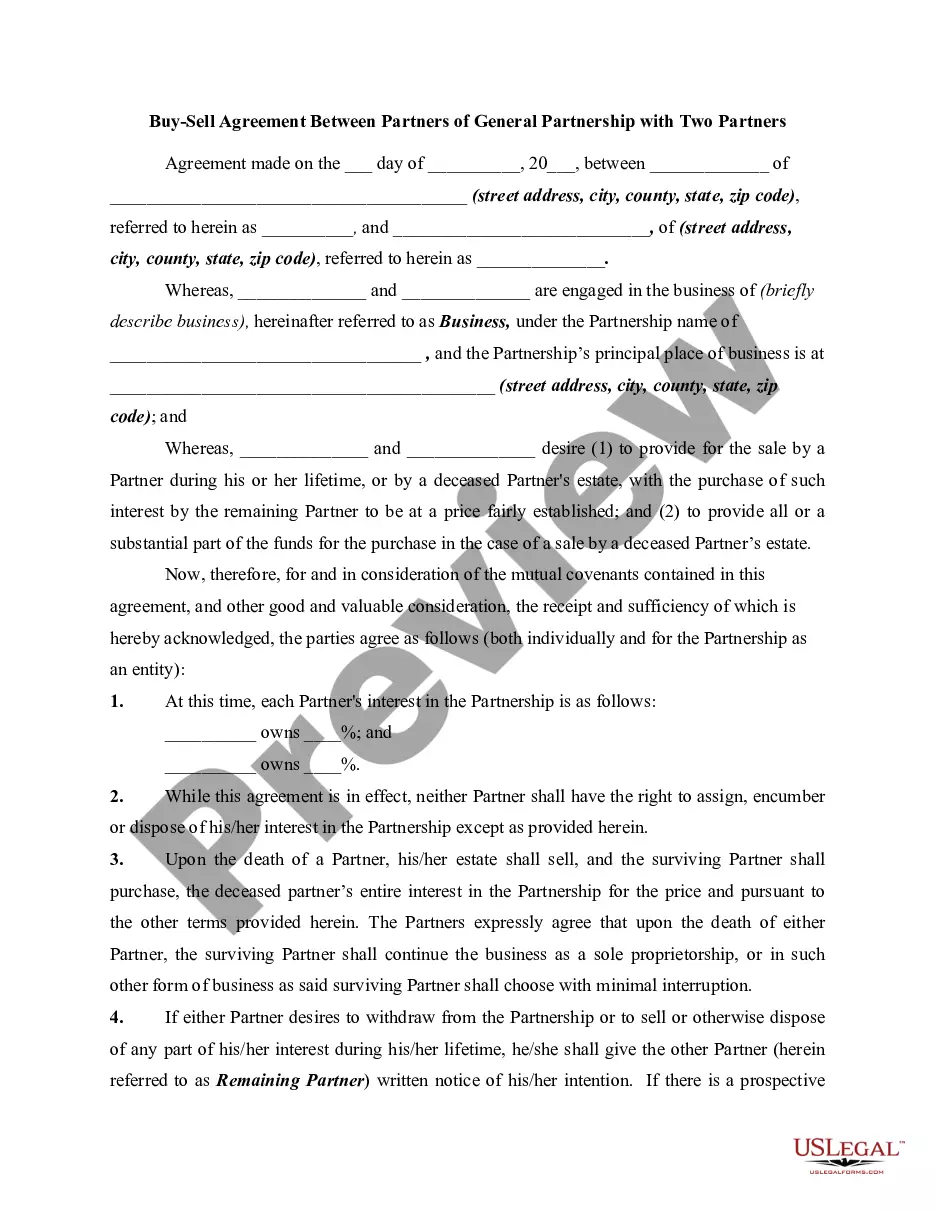
sell agreement is a written contract between two or more owners of a business, or among owners of the business and the entity.
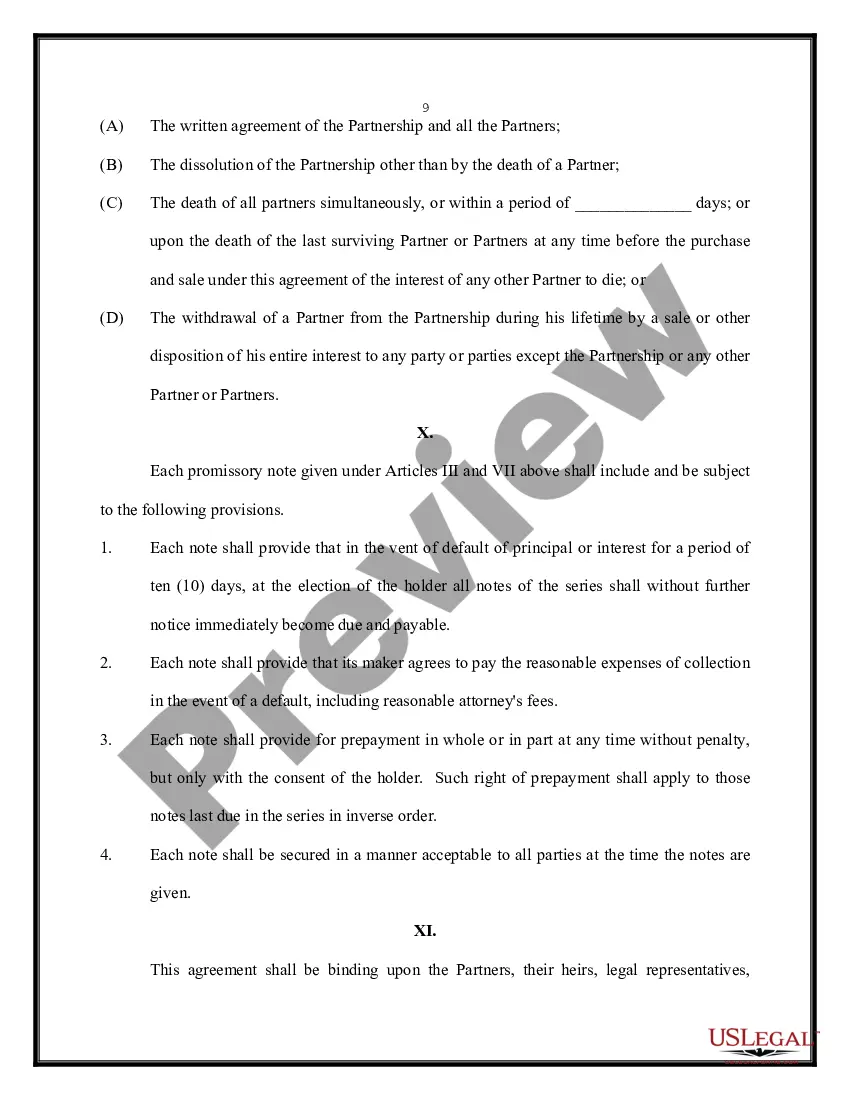
What should be included in a buy-sell agreement? Any stakeholders, including partners or owners, and their current stake in the business' equity. Events that would trigger a buyout, such as death, disability, divorce, retirement, or bankruptcy. A recent business valuation.
Trigger events will determine when your buy-sell agreement will come into play. Common circumstances include the death, disability, retirement or voluntary departure of a partner, but may extend to additional scenarios, such as divorce or individual bankruptcy.
