Agreement Between Partnership For Small Business In California
Description

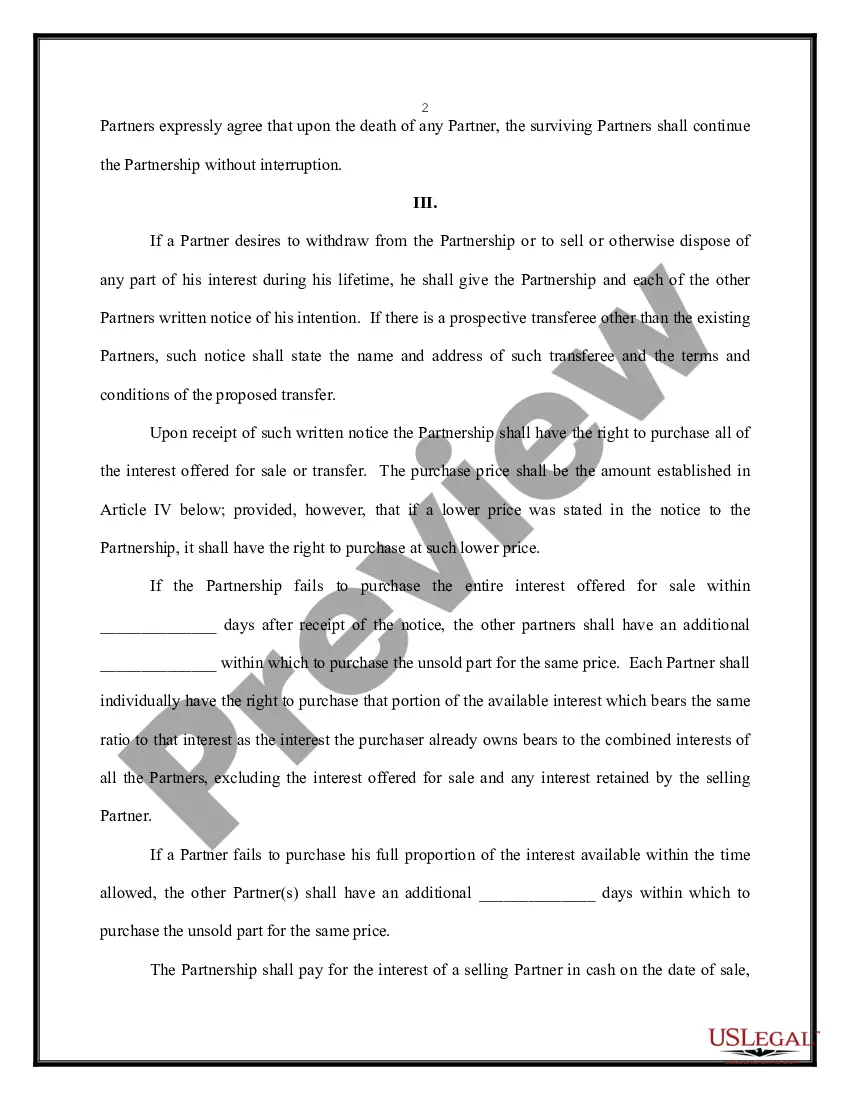
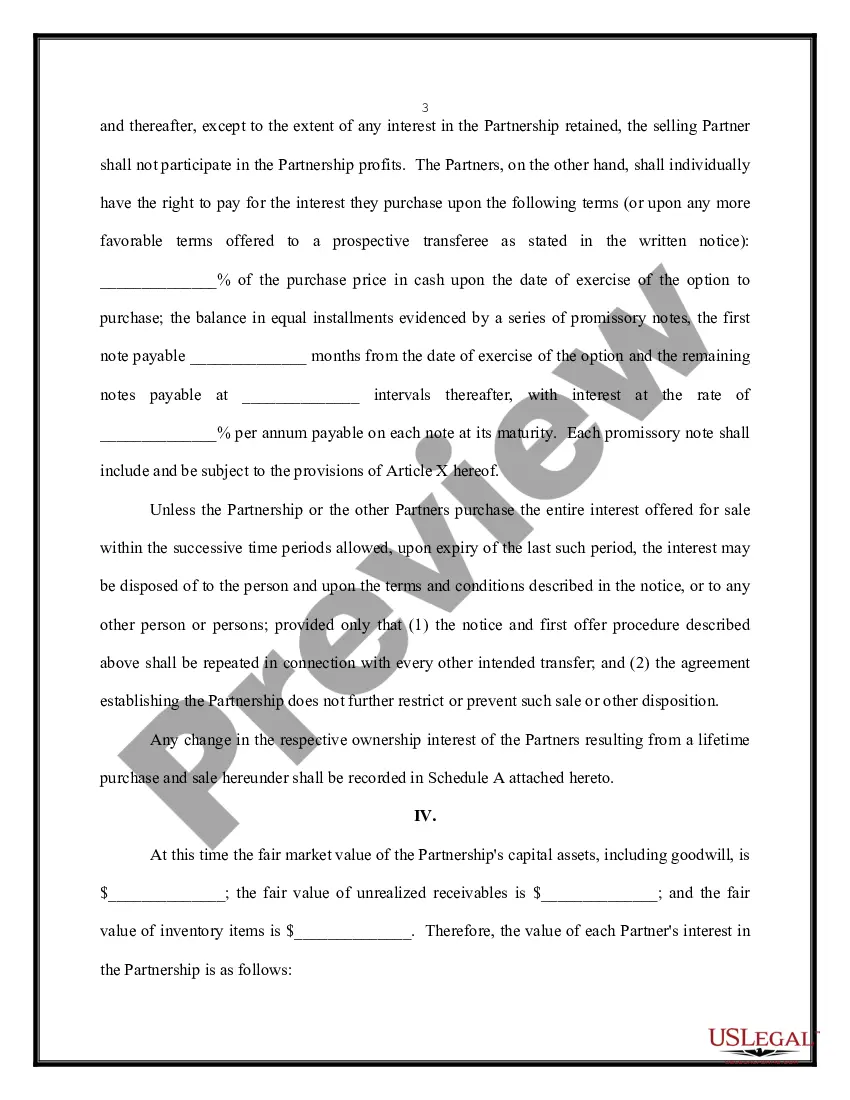
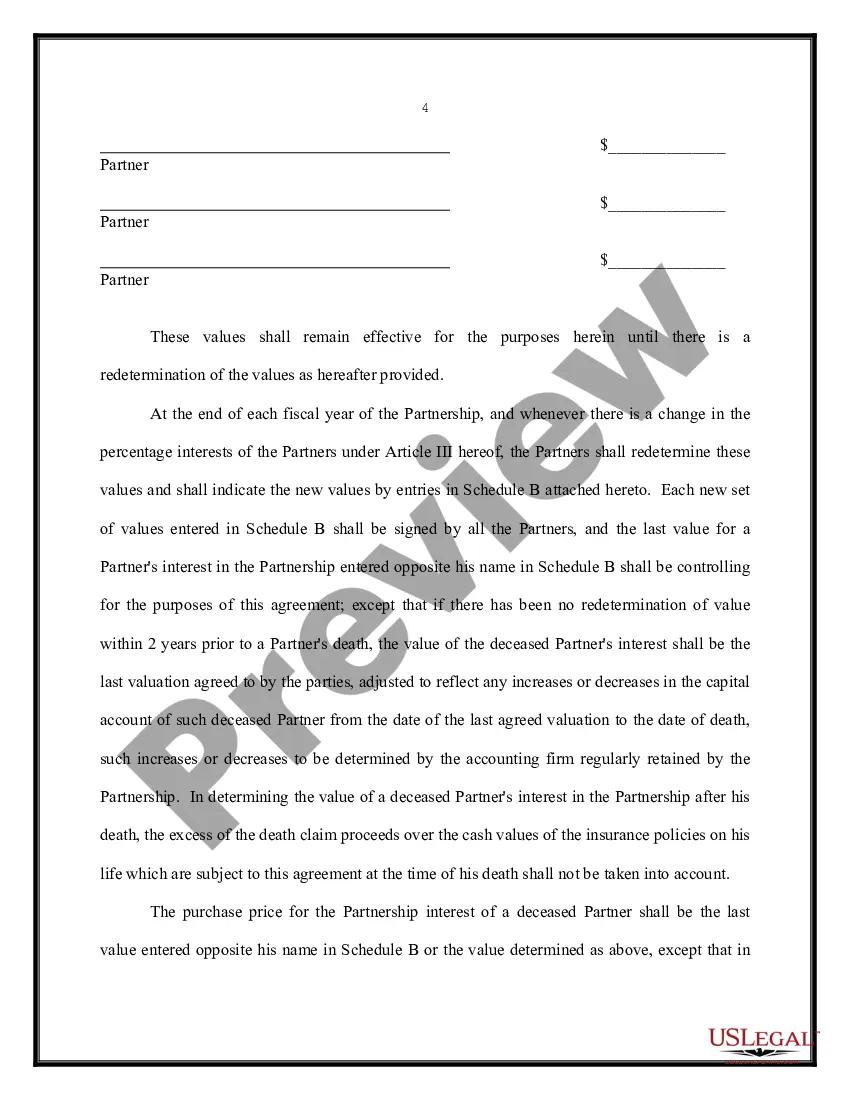
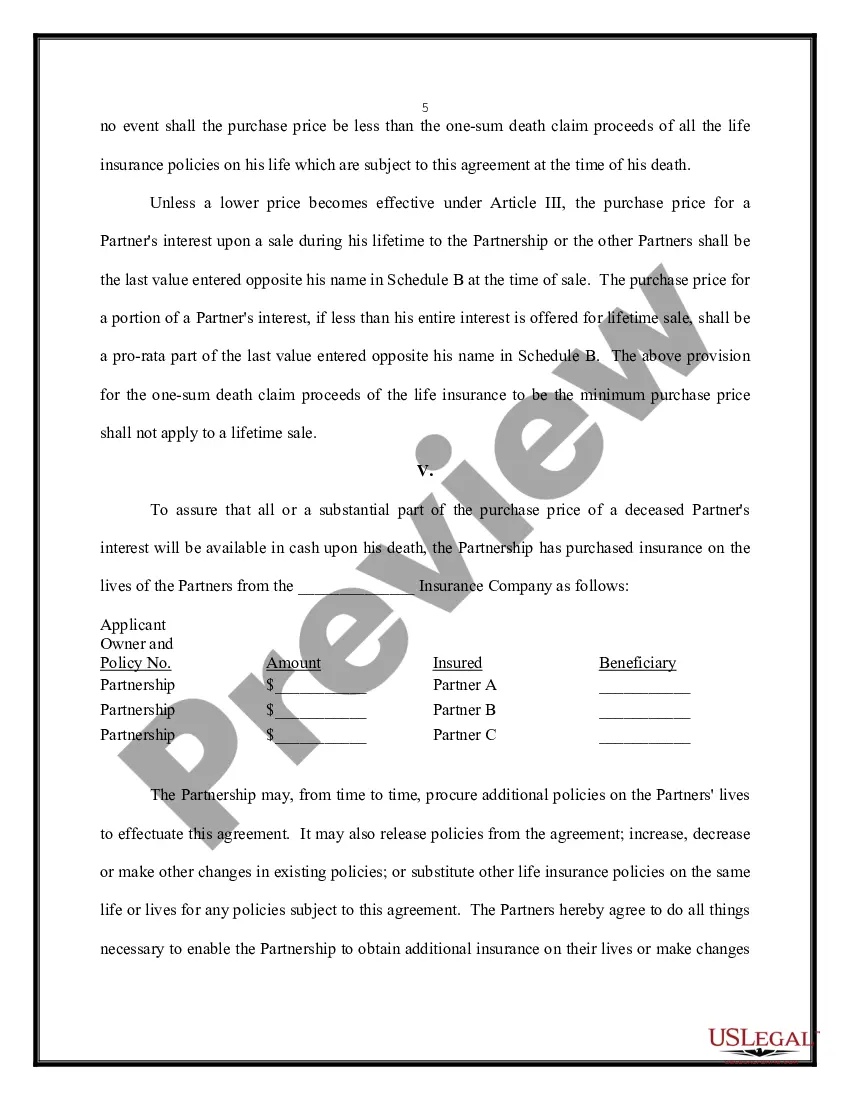


Get your form ready online
Our built-in tools help you complete, sign, share, and store your documents in one place.
Make edits, fill in missing information, and update formatting in US Legal Forms—just like you would in MS Word.
Download a copy, print it, send it by email, or mail it via USPS—whatever works best for your next step.
Sign and collect signatures with our SignNow integration. Send to multiple recipients, set reminders, and more. Go Premium to unlock E-Sign.
If this form requires notarization, complete it online through a secure video call—no need to meet a notary in person or wait for an appointment.
We protect your documents and personal data by following strict security and privacy standards.

Make edits, fill in missing information, and update formatting in US Legal Forms—just like you would in MS Word.

Download a copy, print it, send it by email, or mail it via USPS—whatever works best for your next step.

Sign and collect signatures with our SignNow integration. Send to multiple recipients, set reminders, and more. Go Premium to unlock E-Sign.

If this form requires notarization, complete it online through a secure video call—no need to meet a notary in person or wait for an appointment.

We protect your documents and personal data by following strict security and privacy standards.
Looking for another form?









Form popularity
FAQ
A limited liability partnership: Both partners have limited liability. It operates like a general partnership, where both partners manage the business, but limits their liability for each other's actions. This provides the most protection for both partners.
A general partnership is formed by an agreement entered into by each partner and should include the contributions of each partner, the distribution of profits or losses, and the terms for dissolution. If there is no written agreement, the profits and losses are presumed to be distributed equally.
Kickstart your new business in minutes There are three relatively common partnership types: general partnership (GP), limited partnership (LP) and limited liability partnership (LLP). A fourth, the limited liability limited partnership (LLLP), is not recognized in all states.
Partnerships are required to file an annual California Partnership Return (Form 565) and provide each partner with a Schedule K-1 (Form 568) by the tax filing deadline. Individual partners report their share of the partnership's income on their personal tax returns (Form 540).
How to form a partnership: 10 steps to success Choose your partners. Determine your type of partnership. Come up with a name for your partnership. Register the partnership. Determine tax obligations. Apply for an EIN and tax ID numbers. Establish a partnership agreement. Obtain licenses and permits, if applicable.
How to Write a Partnership Agreement Define Partnership Structure. Outline Capital Contributions and Ownership. Detail Profit, Loss, and Distribution Arrangements. Set Decision-Making and Management Protocols. Plan for Changes and Contingencies. Include Legal Provisions and Finalize the Agreement.
How do I create a Partnership Agreement? Provide partnership details. Start by specifying the industry you're in and what type of business you'll run. Detail the capital contributions of each partner. Outline management responsibilities. Prepare for accounting. Add final details.
Filing requirements You must file a Partnership Return of Income (Form 565) if you're: Engaged in a trade or business in California. Have income from California sources. Use a Pass-Through Entity Ownership (Schedule EO 568) to report any ownership interest in other partnerships or limited liability companies.
It may not be mandatory to create and sign a partnership agreement, but it is a good idea that you do so. A partnership agreement can ensure there are no disagreements between partners. A well-written agreement can help you and your partners know how to handle certain issues.
It is not required by law to create a formal Partnership Agreement. However, if business owners enter into a partnership without one, their arrangement will be governed by the Partnership Act 1890 (the “1890 Act”).
