Contingency Contract In House In Suffolk
Description







Get your form ready online
Our built-in tools help you complete, sign, share, and store your documents in one place.
Make edits, fill in missing information, and update formatting in US Legal Forms—just like you would in MS Word.
Download a copy, print it, send it by email, or mail it via USPS—whatever works best for your next step.
Sign and collect signatures with our SignNow integration. Send to multiple recipients, set reminders, and more. Go Premium to unlock E-Sign.
If this form requires notarization, complete it online through a secure video call—no need to meet a notary in person or wait for an appointment.
We protect your documents and personal data by following strict security and privacy standards.

Make edits, fill in missing information, and update formatting in US Legal Forms—just like you would in MS Word.

Download a copy, print it, send it by email, or mail it via USPS—whatever works best for your next step.

Sign and collect signatures with our SignNow integration. Send to multiple recipients, set reminders, and more. Go Premium to unlock E-Sign.

If this form requires notarization, complete it online through a secure video call—no need to meet a notary in person or wait for an appointment.

We protect your documents and personal data by following strict security and privacy standards.
Looking for another form?








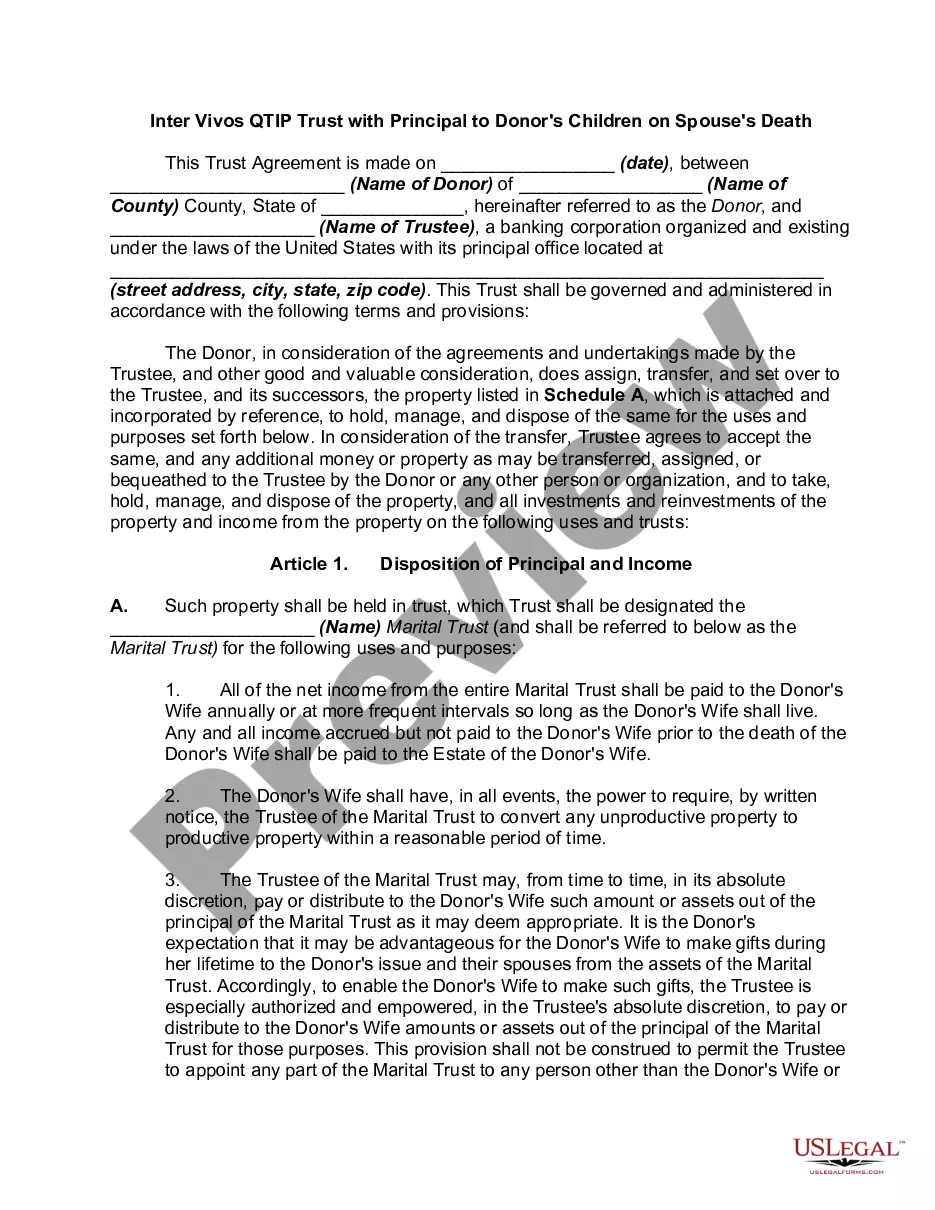
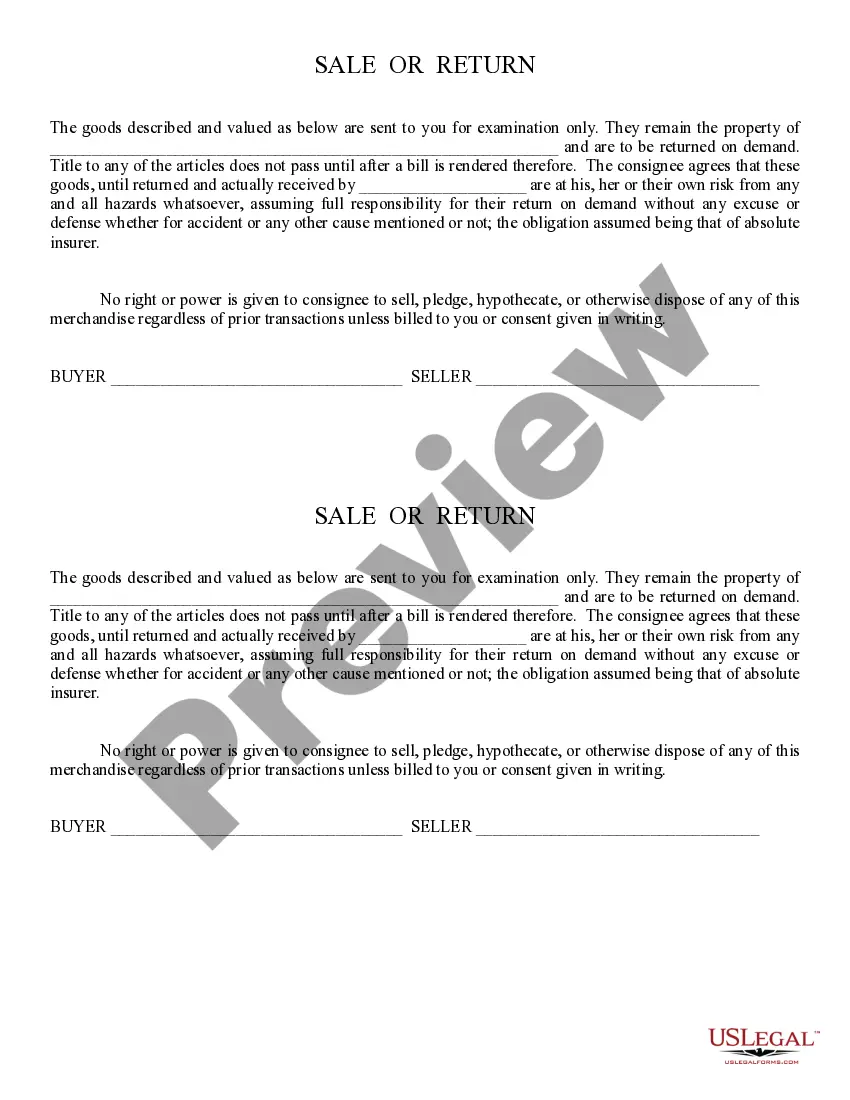
Form popularity
FAQ
Buyers serious about closing on a home may exercise a non-contingent offer. This means that they are willing to waive some or all contingencies and assume the risk and liability as a result. For sellers, these offers are great because more risk shifts to the buyer.
A home sale contingency can leave buyers in limbo, particularly if they move forward without selling after their contingency gets called. In such cases, buyers may face overlapping costs, such as paying for two mortgages, insurance, and property taxes, until their existing property sells.
A contingency clause should clearly outline the conditions, how the conditions are to be fulfilled, and which party is responsible for fulfilling them. The clause should also provide a timeframe for what happens if the condition is not met.
The contingent period usually lasts anywhere from 30 to 60 days. If you have a mortgage contingency, the buyer's due date is usually about a week before closing. Overall, a home stays in contingent status for the specified period or until the contingencies are met and the buyer closes on their new house.
Your REALTOR® should be able to help you decide which contingency waivers, if any, are right for you. Appraisal Contingency – Low Risk. Financing Contingency – High Risk. Home Inspection Contingency – Medium Risk. Home Sale Contingency – Low Risk. Title Search Contingency – High Risk.
We want to help you prepare for the worst-case scenario, which is why we created this straightforward guide to three types of contingencies: Design contingencies. Bidding contingencies. Construction contingencies.
Contracts for the Rotating Site changes as the operation rotates, and from C.C. Barrenland, must be unlocked by clearing the respective operation with a certain threshold of Risk: Clearing the operation for the first time unlocks all Level 1 Contracts. Clearing the operation with Risk 2 unlocks all Level 2 Contracts.
The most common contingency is the home inspection contingency. This condition on an offer states the home sale will only be finalized if the property passes a professional home inspection. In other words, buyers can walk away from a home sale if the home inspection turns up serious problems.
