Contingent Forward Contract In Santa Clara
Description







Get your form ready online
Our built-in tools help you complete, sign, share, and store your documents in one place.
Make edits, fill in missing information, and update formatting in US Legal Forms—just like you would in MS Word.
Download a copy, print it, send it by email, or mail it via USPS—whatever works best for your next step.
Sign and collect signatures with our SignNow integration. Send to multiple recipients, set reminders, and more. Go Premium to unlock E-Sign.
If this form requires notarization, complete it online through a secure video call—no need to meet a notary in person or wait for an appointment.
We protect your documents and personal data by following strict security and privacy standards.

Make edits, fill in missing information, and update formatting in US Legal Forms—just like you would in MS Word.

Download a copy, print it, send it by email, or mail it via USPS—whatever works best for your next step.

Sign and collect signatures with our SignNow integration. Send to multiple recipients, set reminders, and more. Go Premium to unlock E-Sign.

If this form requires notarization, complete it online through a secure video call—no need to meet a notary in person or wait for an appointment.

We protect your documents and personal data by following strict security and privacy standards.
Looking for another form?


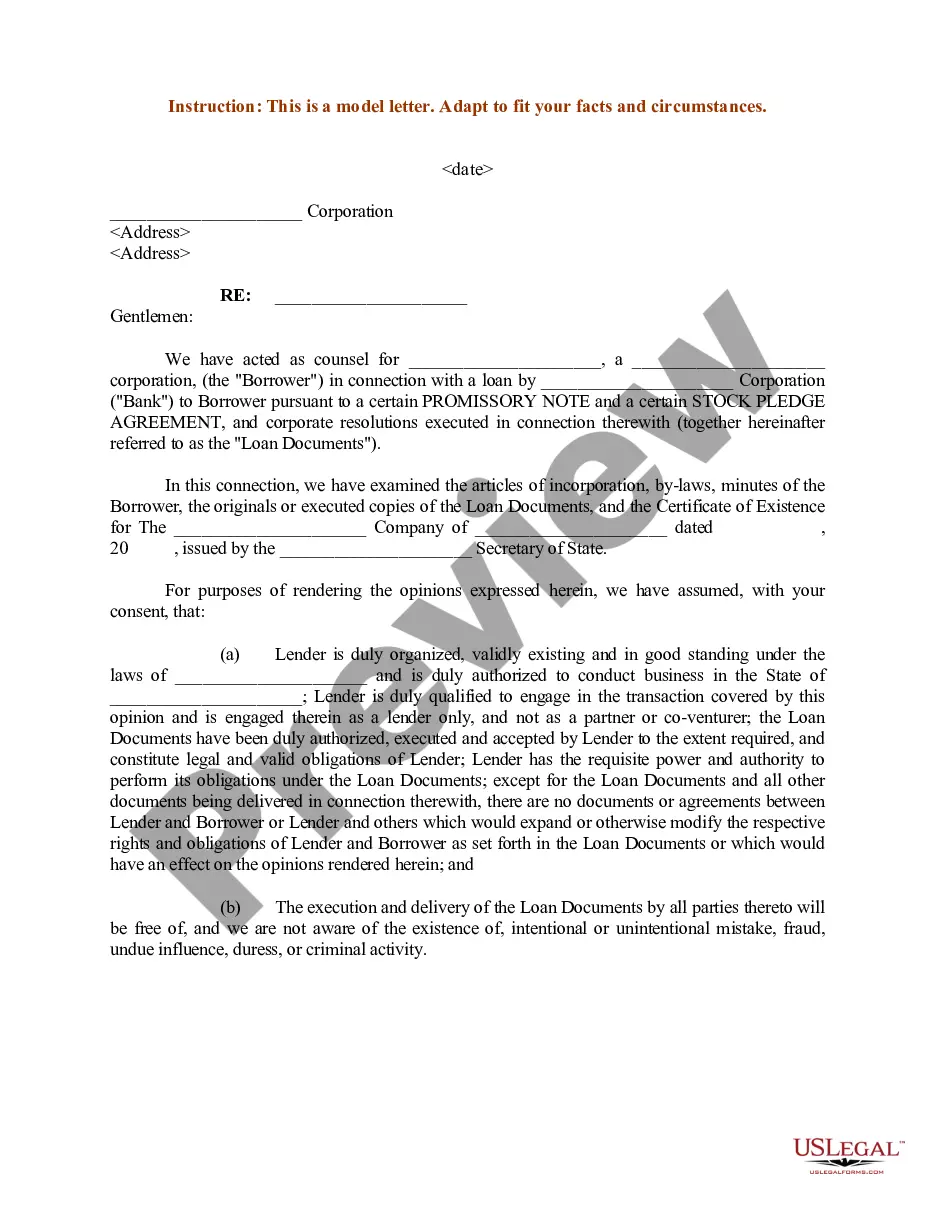
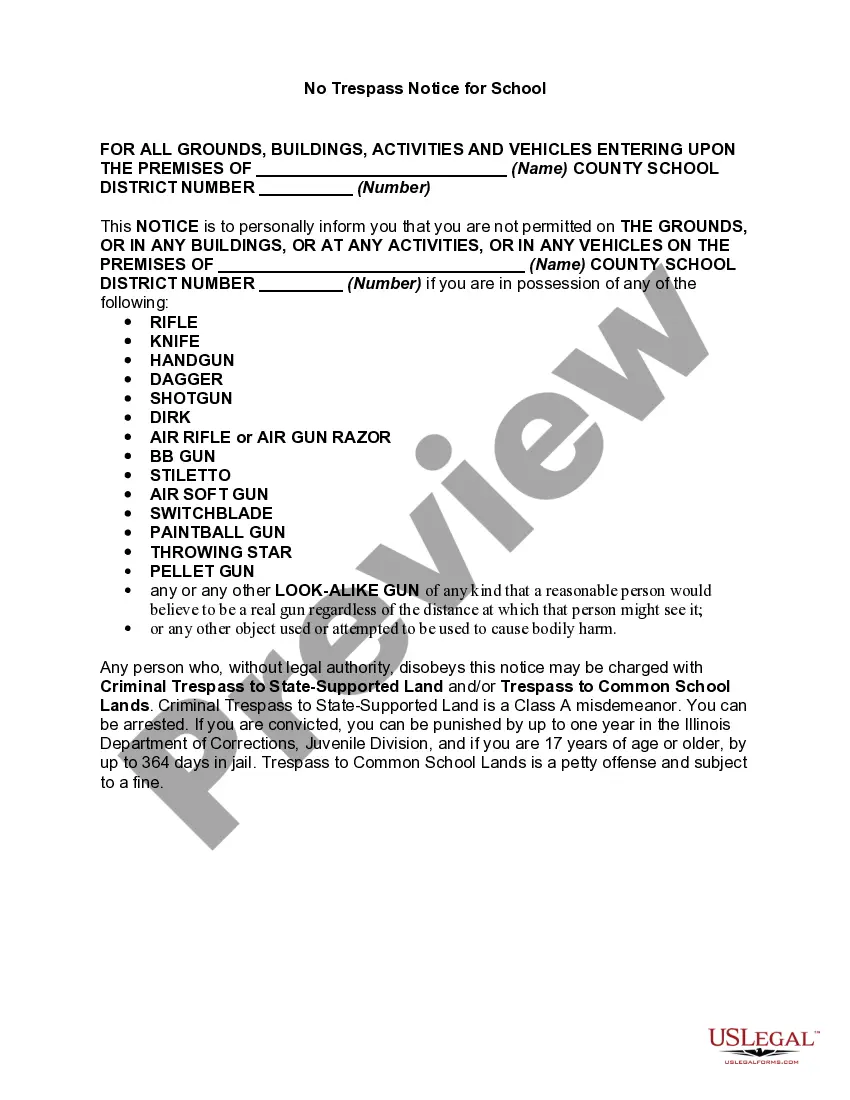





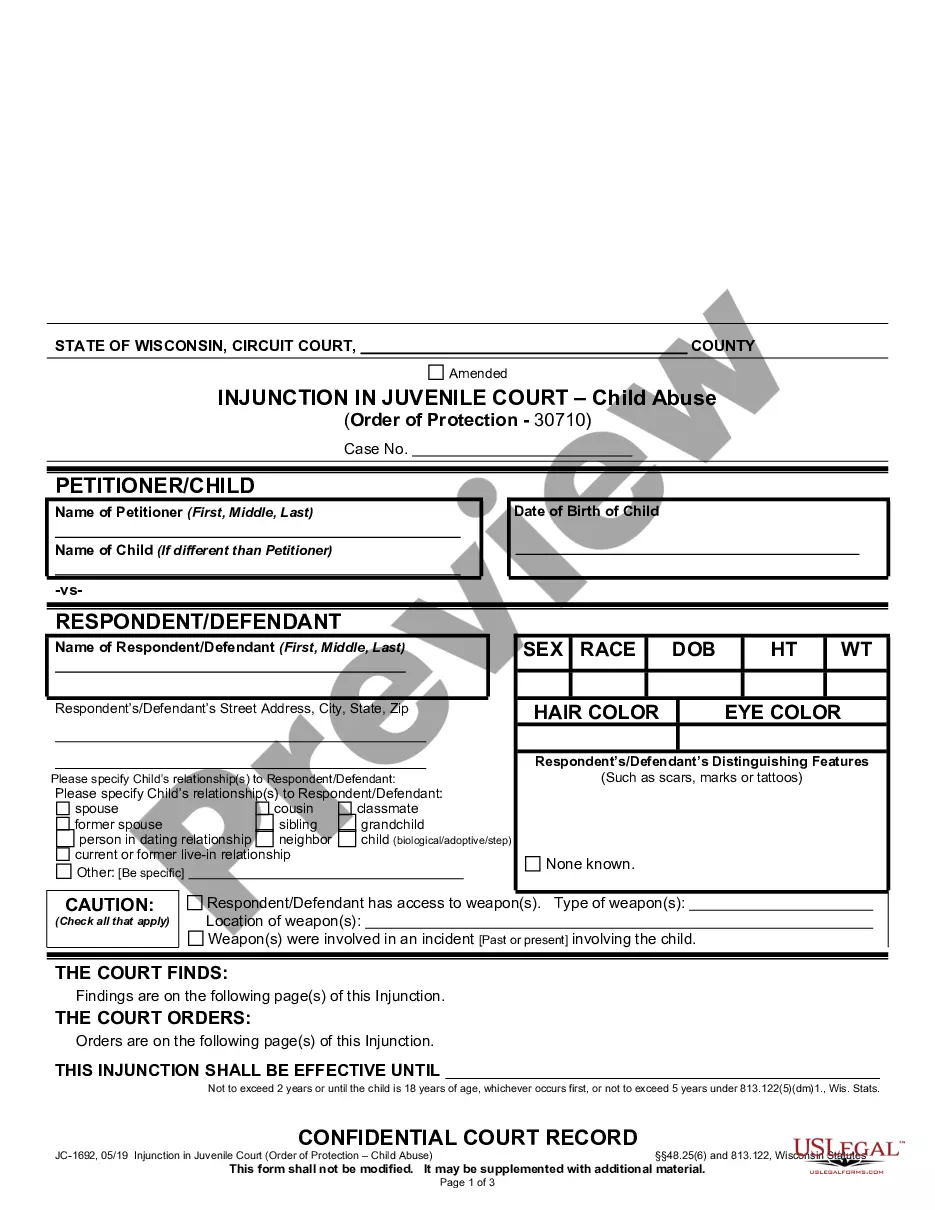
Form popularity
FAQ
A Forward FX contract is considered a financial derivative. Under IFRS 9, a derivative must be initially measured at fair value and subsequent value changes are recognized. Unless you are applying hedge accounting then movements must be posted to the profit or loss account.
Common types of contingent claim derivatives include options and modified versions of swaps, forward contracts, and futures contracts. Any derivative instrument that isn't a contingent claim is called a forward commitment. Vanilla swaps, forward and futures are all considered forward commitments.
In recording a forward exchange contract intended for trading or speculation purposes, the premium or discount on the contract is ignored and at each balance sheet date, the value of the contract is marked to its current market value and the gain or loss on the contract is recognised.
A Forward FX contract is considered a financial derivative. Under IFRS 9, a derivative must be initially measured at fair value and subsequent value changes are recognized. Unless you are applying hedge accounting then movements must be posted to the profit or loss account.
Exporters/Importers booking a forward contract on basis of declaration : i) Turnover evidence either from audited Balance Sheet (provided it contains turnover data regarding exports/imports) or Chartered Accountant's Certificate. ii) Declaration confirming that the aggregate forward contracts booked is within limit.
Contingency clauses help parties find common ground when they have divergent future expectations. However, they come with complexities and potential drawbacks, such as increased administrative overhead and the need for careful negotiation and drafting.
A "contingent contract is a contract to do or not to do something, if some event, collateral to such contract, does or does not happen.
Contingent contracts usually occur when negotiating parties fail to reach an agreement. The contract is characterized as "contingent" because the terms are not final and are based on certain events or conditions occurring. A contingent contract can also be viewed as protection against a future change of plans.
A forward contract is a private, customizable agreement that settles at the end of the agreement and is traded over the counter. A futures contract has standardized terms and is traded on an exchange, where prices are settled daily until the end of the contract.
