Law Firm Form Withdrawal In Ohio
Description







Get your form ready online
Our built-in tools help you complete, sign, share, and store your documents in one place.
Make edits, fill in missing information, and update formatting in US Legal Forms—just like you would in MS Word.
Download a copy, print it, send it by email, or mail it via USPS—whatever works best for your next step.
Sign and collect signatures with our SignNow integration. Send to multiple recipients, set reminders, and more. Go Premium to unlock E-Sign.
If this form requires notarization, complete it online through a secure video call—no need to meet a notary in person or wait for an appointment.
We protect your documents and personal data by following strict security and privacy standards.

Make edits, fill in missing information, and update formatting in US Legal Forms—just like you would in MS Word.

Download a copy, print it, send it by email, or mail it via USPS—whatever works best for your next step.

Sign and collect signatures with our SignNow integration. Send to multiple recipients, set reminders, and more. Go Premium to unlock E-Sign.

If this form requires notarization, complete it online through a secure video call—no need to meet a notary in person or wait for an appointment.

We protect your documents and personal data by following strict security and privacy standards.
Looking for another form?
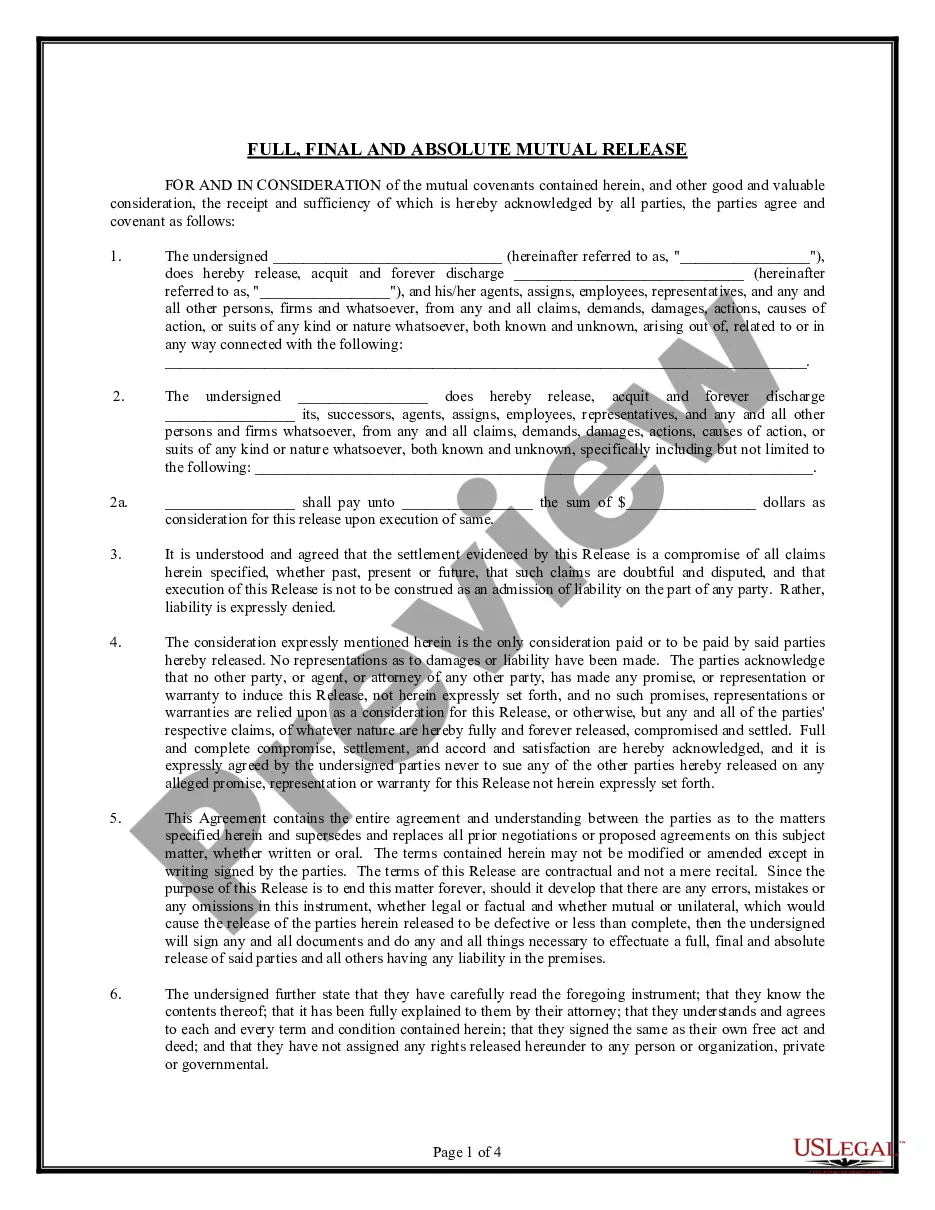

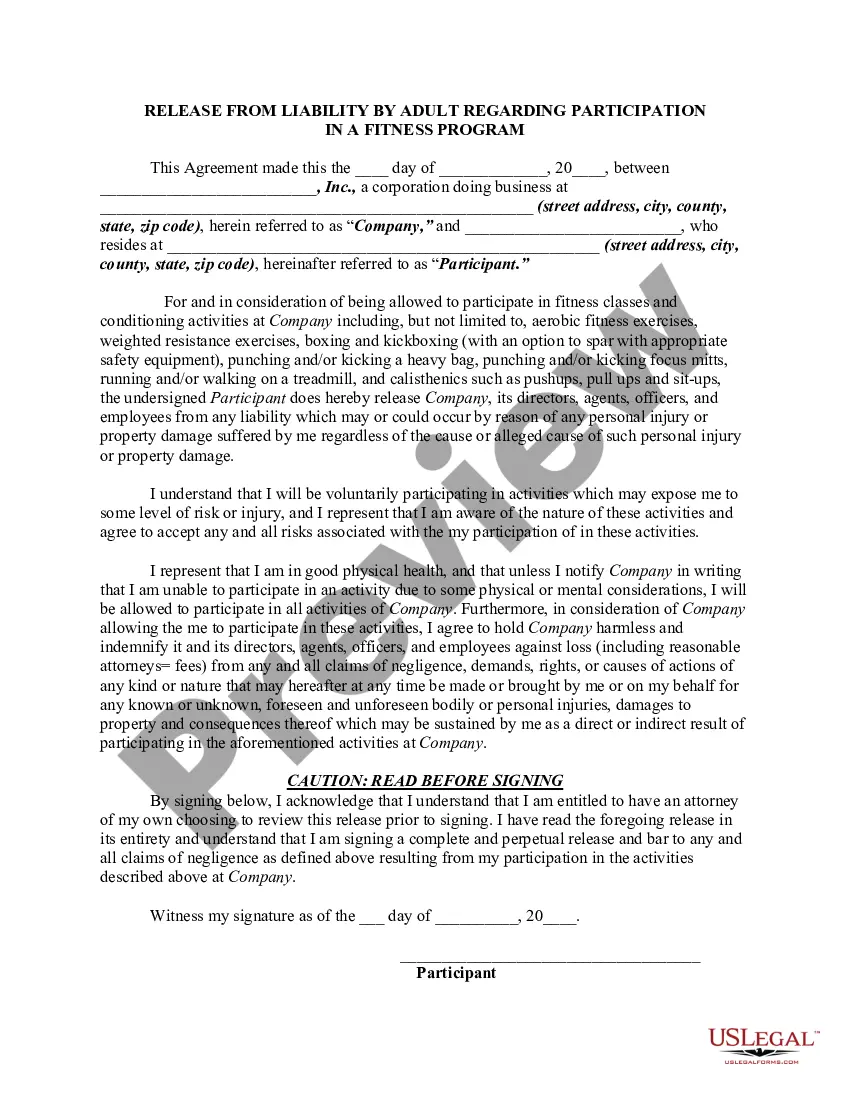





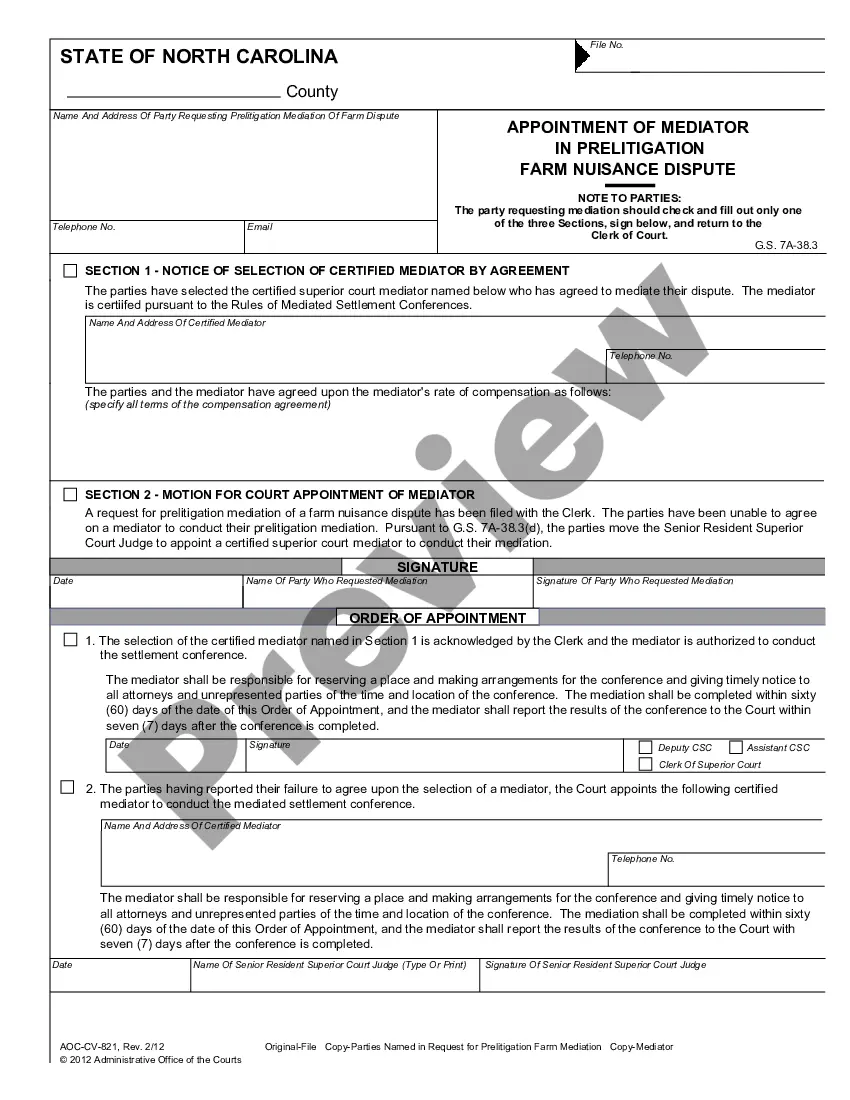

Form popularity
FAQ
R. 1.16 Declining or Terminating Representation, which distinguishes scenarios where a lawyer must withdraw or decline representation from when the lawyer may withdraw from representation. The rule also specifies that a local court (or tribunal) may set its own rules for withdrawal if there is a pending proceeding.
Rule 1.6 - Confidentiality of Information (a) A lawyer shall not reveal information relating to the representation of a client, including information protected by the attorney-client privilege under applicable law, unless the client gives informed consent, the disclosure is impliedly authorized in order to carry out ...
Rule 1.16 is labeled “Declining or Terminating Representation” and discusses both when a lawyer may withdraw from representation (leaving one's client in the middle of a complex litigation without counsel is frowned upon) and under what circumstances they must withdraw from representation.
This division imposes an equal duty on each party to disclose the list of witnesses that will be called at trial. It prohibits counsel from commenting on the witness lists but does not prohibit the commenting upon the absence or presence of a witness relevant to the proceeding.
A short letter will suffice, but it should involve a written statement that affirms you no longer wish to retain their legal services. Make sure to keep a copy of this letter (or email if you sent your notice digitally), as your new lawyer will likely ask for it.
The lawyer must warn the client before withdrawing under the circumstances. Paragraph (b)(6) permits a lawyer to withdraw with the consent of the client. Paragraph (b)(7) carries forward current rule 3-700(C)(3), which permits withdrawal if a lawyer is unable to work with co-counsel.
