Contingency By Law Definition In Ohio
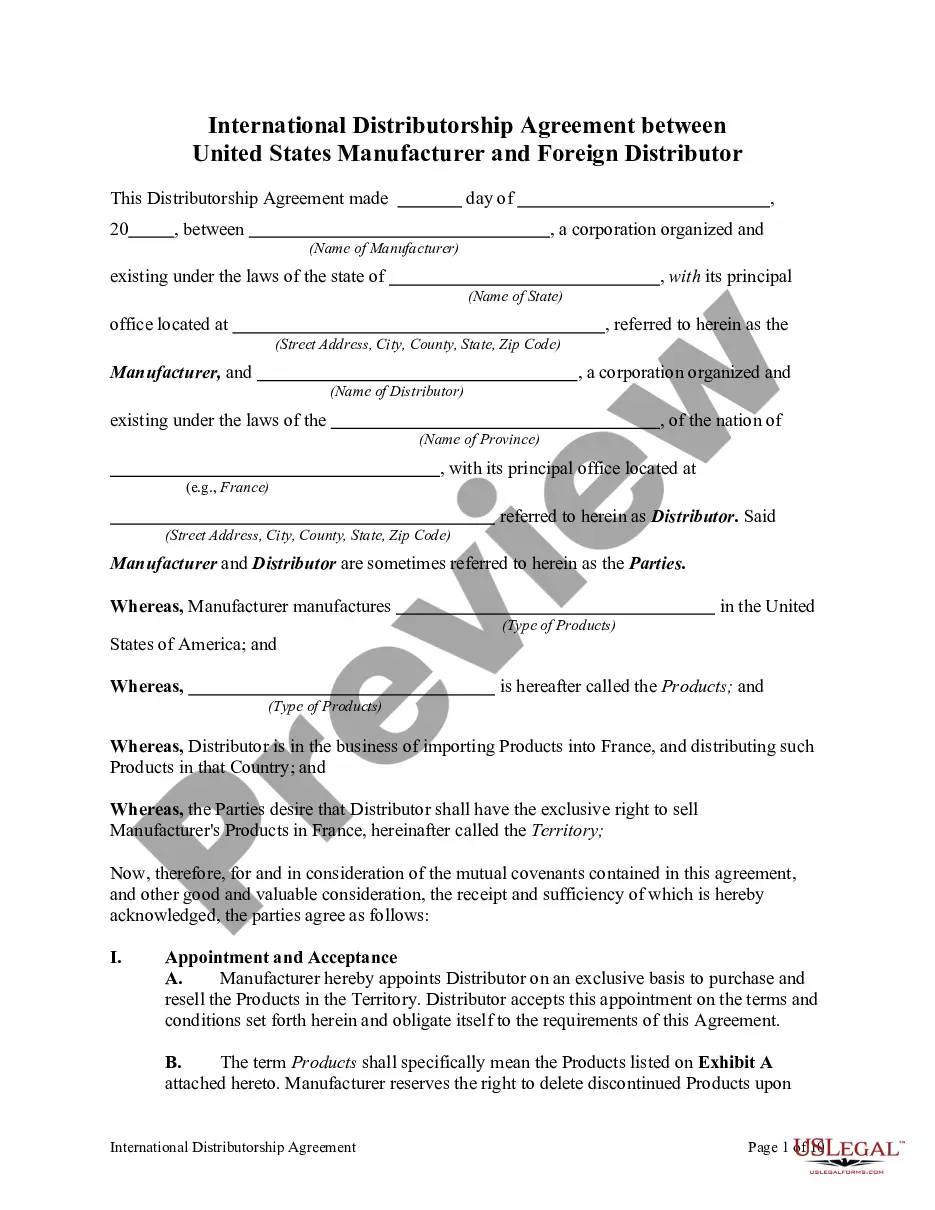
Description







Get your form ready online
Our built-in tools help you complete, sign, share, and store your documents in one place.
Make edits, fill in missing information, and update formatting in US Legal Forms—just like you would in MS Word.
Download a copy, print it, send it by email, or mail it via USPS—whatever works best for your next step.
Sign and collect signatures with our SignNow integration. Send to multiple recipients, set reminders, and more. Go Premium to unlock E-Sign.
If this form requires notarization, complete it online through a secure video call—no need to meet a notary in person or wait for an appointment.
We protect your documents and personal data by following strict security and privacy standards.

Make edits, fill in missing information, and update formatting in US Legal Forms—just like you would in MS Word.

Download a copy, print it, send it by email, or mail it via USPS—whatever works best for your next step.

Sign and collect signatures with our SignNow integration. Send to multiple recipients, set reminders, and more. Go Premium to unlock E-Sign.

If this form requires notarization, complete it online through a secure video call—no need to meet a notary in person or wait for an appointment.

We protect your documents and personal data by following strict security and privacy standards.
Looking for another form?









Form popularity
FAQ
This contingency is normally calculated as a percentage. If the phase is 100 days of effort, contingency at 20% would be another 20 days. As the project progresses, the level of risk reduces as the requirements and issues become known, so the percentage will be reduced.
What Is a Contingency? A contingency is a potential occurrence of a negative event in the future, such as an economic recession, natural disaster, fraudulent activity, terrorist attack, or a pandemic.
Contingency Contract Examples If you fail to secure the financing within the stipulated period, either party may terminate the contract without any legal consequences. Another simple example is a child who agrees with their parent that they would receive a new bicycle if they receive an A in a specific class.
Contingent means that an event may or may not occur in the future, depending on the fulfillment of some condition that is uncertain. This term is often used in contracts where the event will not take effect until the specified condition occurs.
The contingency rules theory assumes that: (I) compliance-gaining and com- pliance-resisting activities are governed antecedently by jive varieties of sev- evaluative and adaptive contingency rules; (2) the actual contexts where social influence agents interact determine the configuration of rules governing their ...
In logic, contingency is the feature of a statement making it neither necessary nor impossible. Contingency is a fundamental concept of modal logic. Modal logic concerns the manner, or mode, in which statements are true. Contingency is one of three basic modes alongside necessity and possibility.
A clear offer and acceptance; Consideration, or each party providing something of value to “seal the deal”; A legal—not illegal—purpose; Capacity of the parties to enter into a contract; and.
Probate isn't always required after someone dies; it depends on what assets the decedent owned.
(B)(1) Every administrator and executor, within six months after appointment, shall render a final and distributive account of the administrator's or executor's administration of the estate unless one or more of the following circumstances apply: (a) An Ohio estate tax return must be filed for the estate.
Section 2107.26 | Lost, spoliated, or destroyed wills may be admitted to probate.
