Contingency Under Law In Michigan
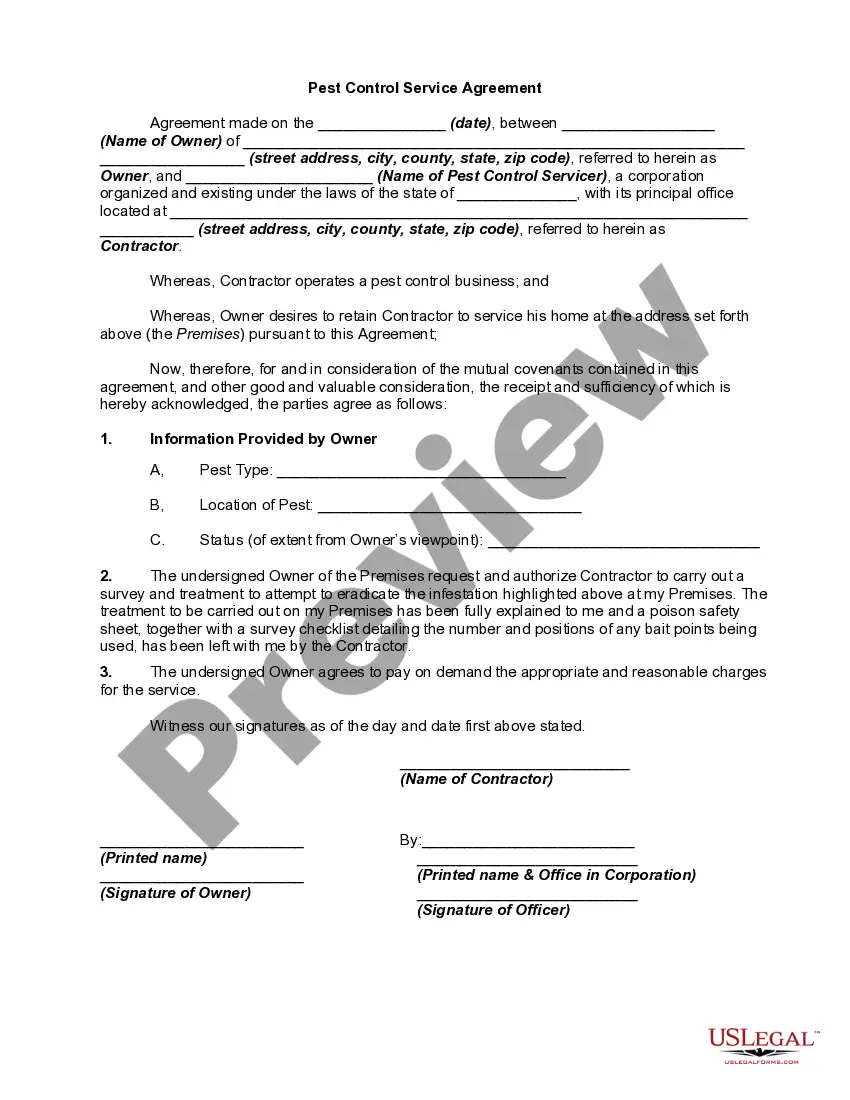
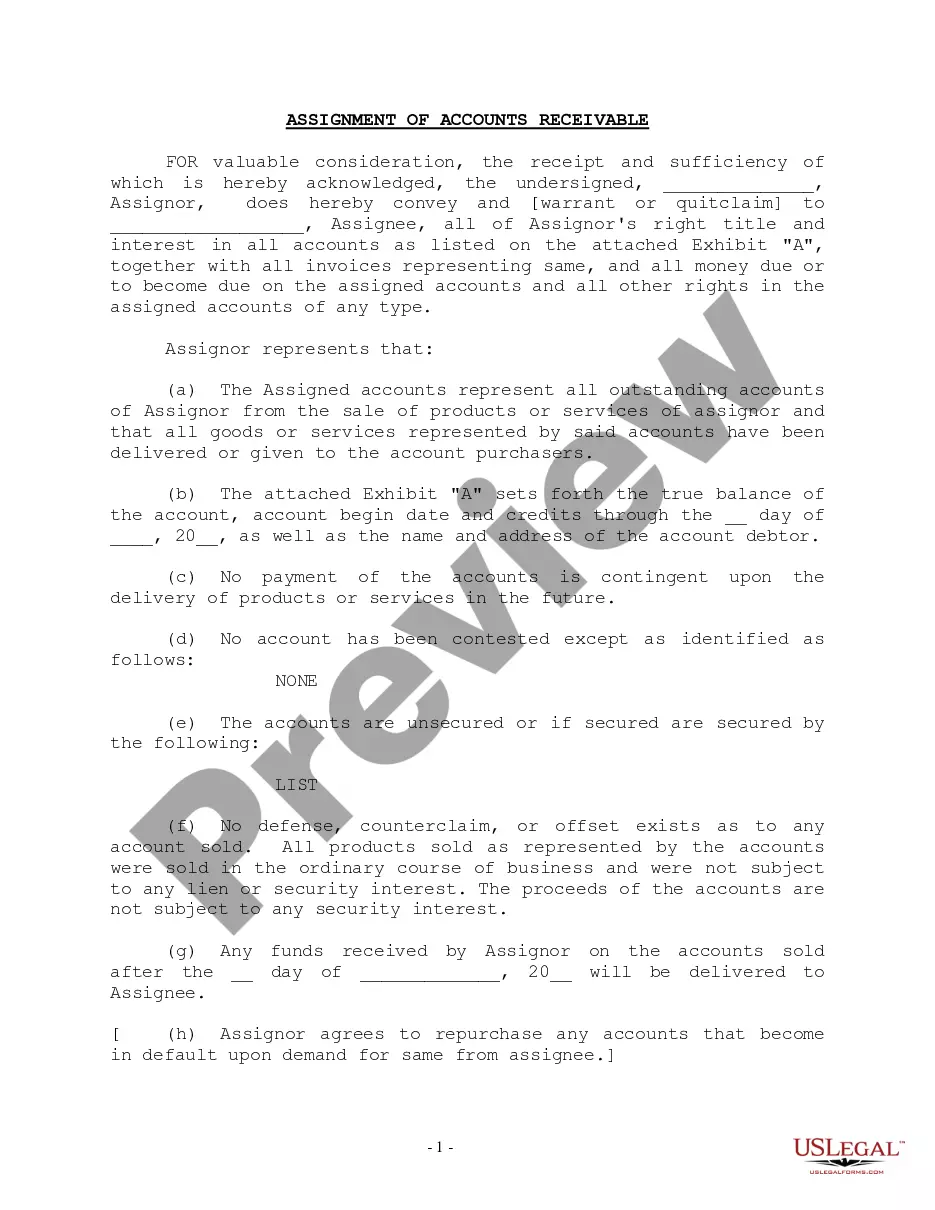
Description







Get your form ready online
Our built-in tools help you complete, sign, share, and store your documents in one place.
Make edits, fill in missing information, and update formatting in US Legal Forms—just like you would in MS Word.
Download a copy, print it, send it by email, or mail it via USPS—whatever works best for your next step.
Sign and collect signatures with our SignNow integration. Send to multiple recipients, set reminders, and more. Go Premium to unlock E-Sign.
If this form requires notarization, complete it online through a secure video call—no need to meet a notary in person or wait for an appointment.
We protect your documents and personal data by following strict security and privacy standards.

Make edits, fill in missing information, and update formatting in US Legal Forms—just like you would in MS Word.

Download a copy, print it, send it by email, or mail it via USPS—whatever works best for your next step.

Sign and collect signatures with our SignNow integration. Send to multiple recipients, set reminders, and more. Go Premium to unlock E-Sign.

If this form requires notarization, complete it online through a secure video call—no need to meet a notary in person or wait for an appointment.

We protect your documents and personal data by following strict security and privacy standards.
Looking for another form?








Form popularity
FAQ
Rule 1.7 - Conflict of Interest: General Rule (a) A lawyer shall not represent a client if the representation of that client will be directly adverse to another client, unless: (1) the lawyer reasonably believes the representation will not adversely affect the relationship with the other client; and (2) each client ...
Romeo and Juliet Exception The law specifically mentions that if the age difference is 5 years or more, it is a crime. This means that you are protected under the law to the extent that you have sexual contact with a minor and you are no more than four years older than the minor.
Under 7411, the judge does not formally enter the judgment of guilt but rather defers the proceedings and places the defendant on probation. Once the conditions of the probation are met, the defendant is discharged from probation and the case is dismissed.
The Michigan clean slate law provides for the following offenses to be automatically set aside once the corresponding period has elapsed: Misdemeanors with a sentence up to 92 days – Seven years. Up to four misdemeanors with a sentence of 93+ days – Seven years. Up to two eligible felonies – 10 years.
LR 7.1(a) requires that a moving party conduct a meaningful and timely conference with other parties to explain the nature of the relief sought and the grounds for the motion, to seek concurrence, and to narrow the issues.
The prosecutor cannot be held responsible for the actions of persons over whom the prosecutor does not exercise authority. The prosecutor's obligation is discharged if the prosecutor has taken reasonable and appropriate steps to assure that the defendant's rights are protected.
The average contingency rate falls between 20-40%, with most lawyers charging around 33% to 35% of the total amount recovered in a case. The exact percentage can vary depending on the complexity of the case, the lawyer's experience, and the stage at which the case is resolved.
Rule 7.3 - Solicitation (a) A lawyer shall not solicit professional employment from a person with whom the lawyer has no family or prior professional relationship when a significant motive for the lawyer's doing so is the lawyer's pecuniary gain.