Contingency Agreement Sample For Drrm In Kings
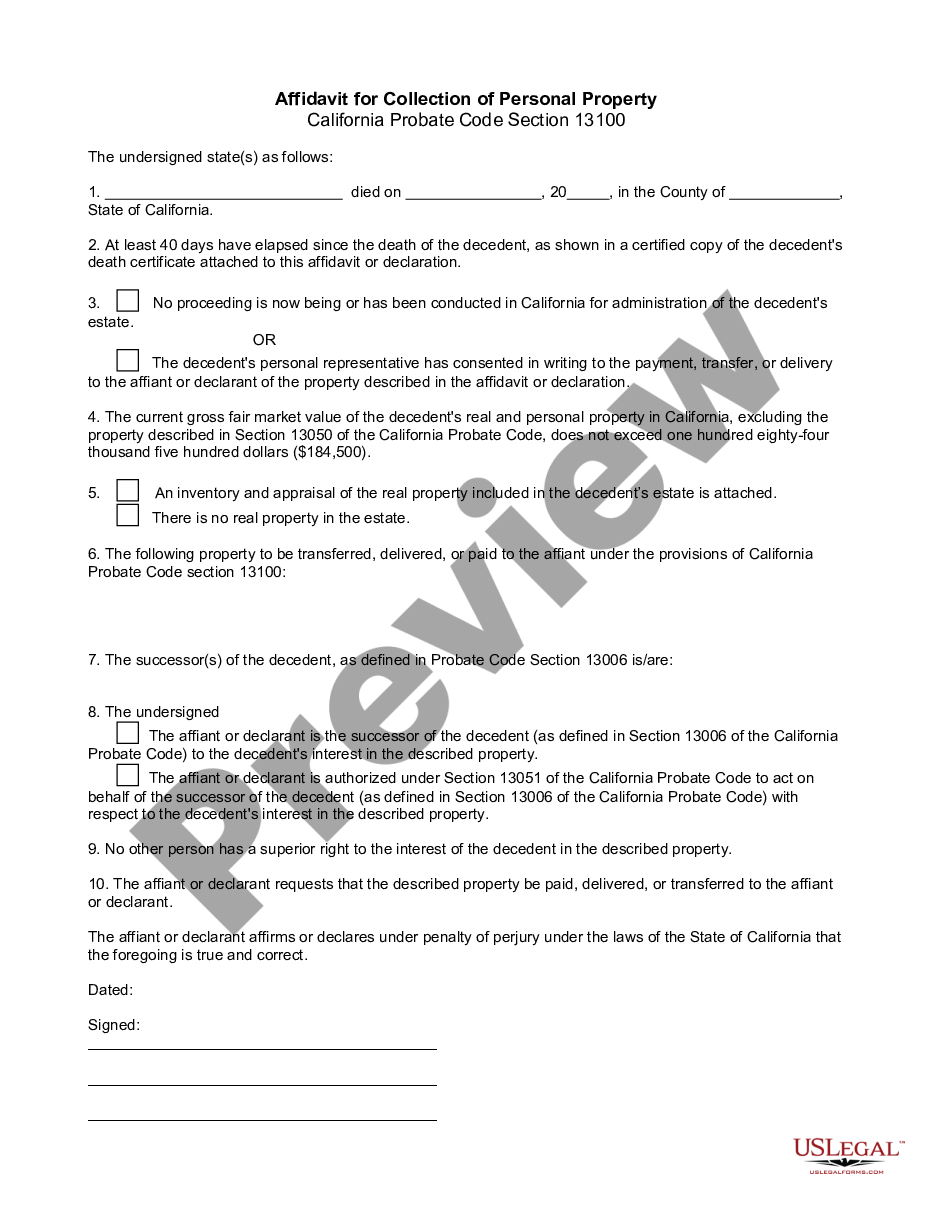
Description







Get your form ready online
Our built-in tools help you complete, sign, share, and store your documents in one place.
Make edits, fill in missing information, and update formatting in US Legal Forms—just like you would in MS Word.
Download a copy, print it, send it by email, or mail it via USPS—whatever works best for your next step.
Sign and collect signatures with our SignNow integration. Send to multiple recipients, set reminders, and more. Go Premium to unlock E-Sign.
If this form requires notarization, complete it online through a secure video call—no need to meet a notary in person or wait for an appointment.
We protect your documents and personal data by following strict security and privacy standards.

Make edits, fill in missing information, and update formatting in US Legal Forms—just like you would in MS Word.

Download a copy, print it, send it by email, or mail it via USPS—whatever works best for your next step.

Sign and collect signatures with our SignNow integration. Send to multiple recipients, set reminders, and more. Go Premium to unlock E-Sign.

If this form requires notarization, complete it online through a secure video call—no need to meet a notary in person or wait for an appointment.

We protect your documents and personal data by following strict security and privacy standards.
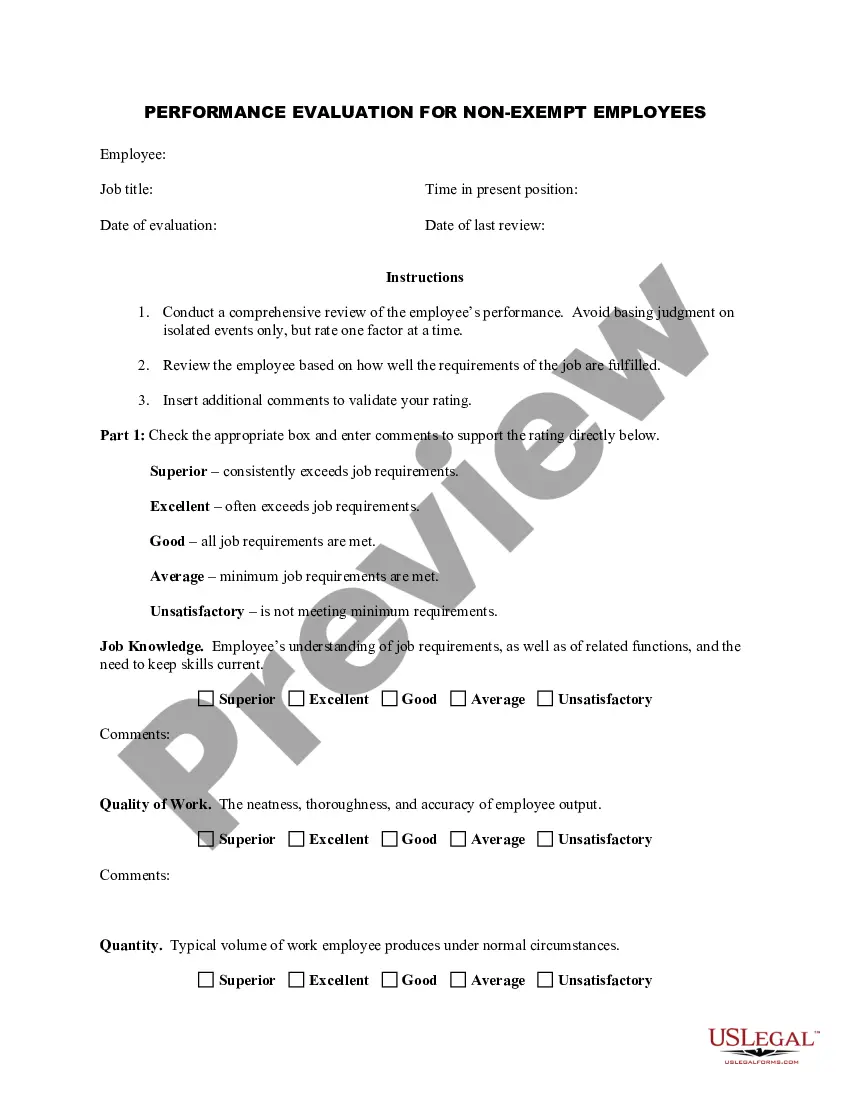
Looking for another form?




Form popularity
FAQ
How to Create a Contingency Plan Identify Potential Risks: First, identify potential risks or unexpected events that could impact the success of your project. Assess the Impact: Once you have identified potential risks, assess each risk's potential impact.
A contingency is a potentially negative future event or circumstance, such as a global pandemic, natural disaster, or terrorist attack. By designing plans that take contingencies into account, companies, governments, and individuals are able to limit the damage done by such events.
Emergency Contingency Plan Template Define clear examples of your focus areas. Think about the objectives that could fall under that focus area. Set measurable targets (KPIs) to tackle the objective. Implement related projects to achieve the KPIs.
How to write a contingency plan Make a list of risks. Weigh risks based on severity and likelihood. Identify important risks. Conduct a business impact analysis. Create contingency plans for the biggest risks. Get approval for contingency plans. Share your contingency plans. Monitor contingency plans.
A management process that analyses disaster risks and establishes arrangements in advance to enable timely, effective and appropriate responses.
A good contingency plan should include a comprehensive business impact analysis, identifying key risks and their potential effects on normal operations. It must also outline actionable response plans, recovery strategies, and the roles and responsibilities of team members during an emergency.
Contingency planning means preparing an organization to be ready to respond effectively in the event of an emergency.
The best emergency response plans include a list of individuals to contact (and their contact information), evacuation routes, how to act during an emergency, how to mitigate risk to your people and facilities, and detailed communication procedures to follow during and after a specific emergency occurs.
