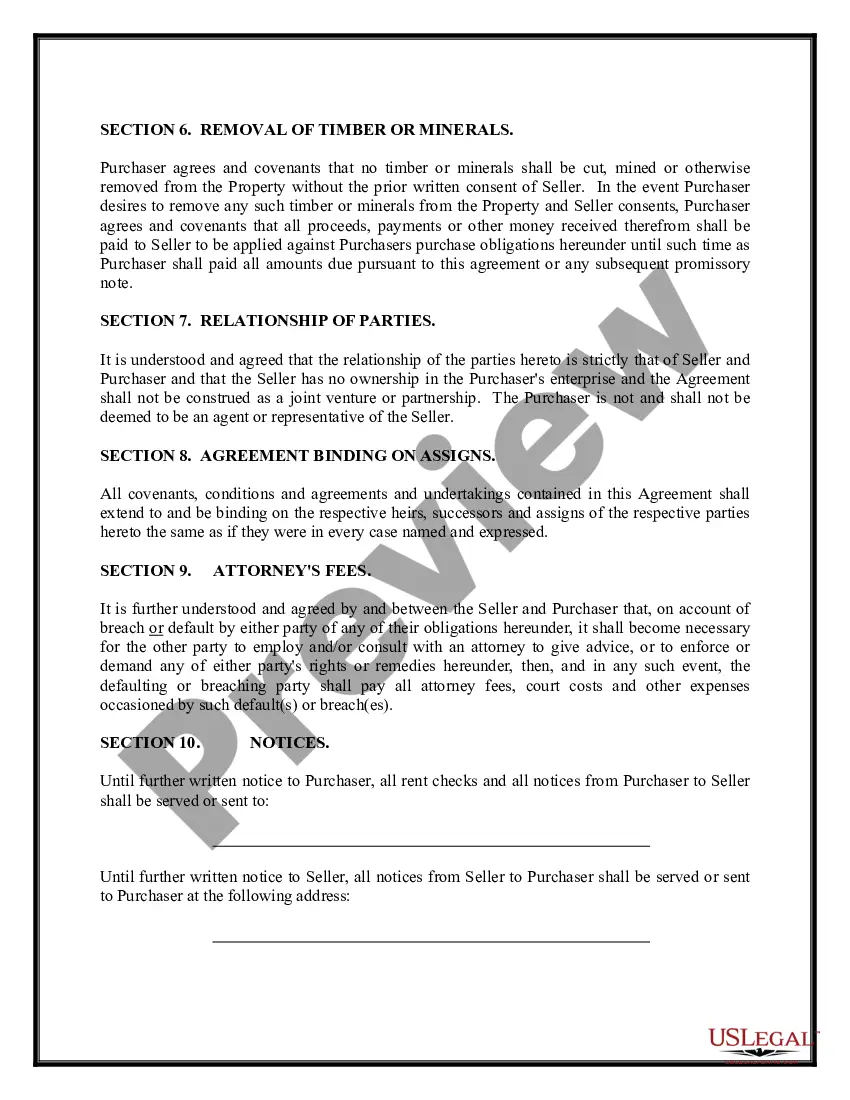
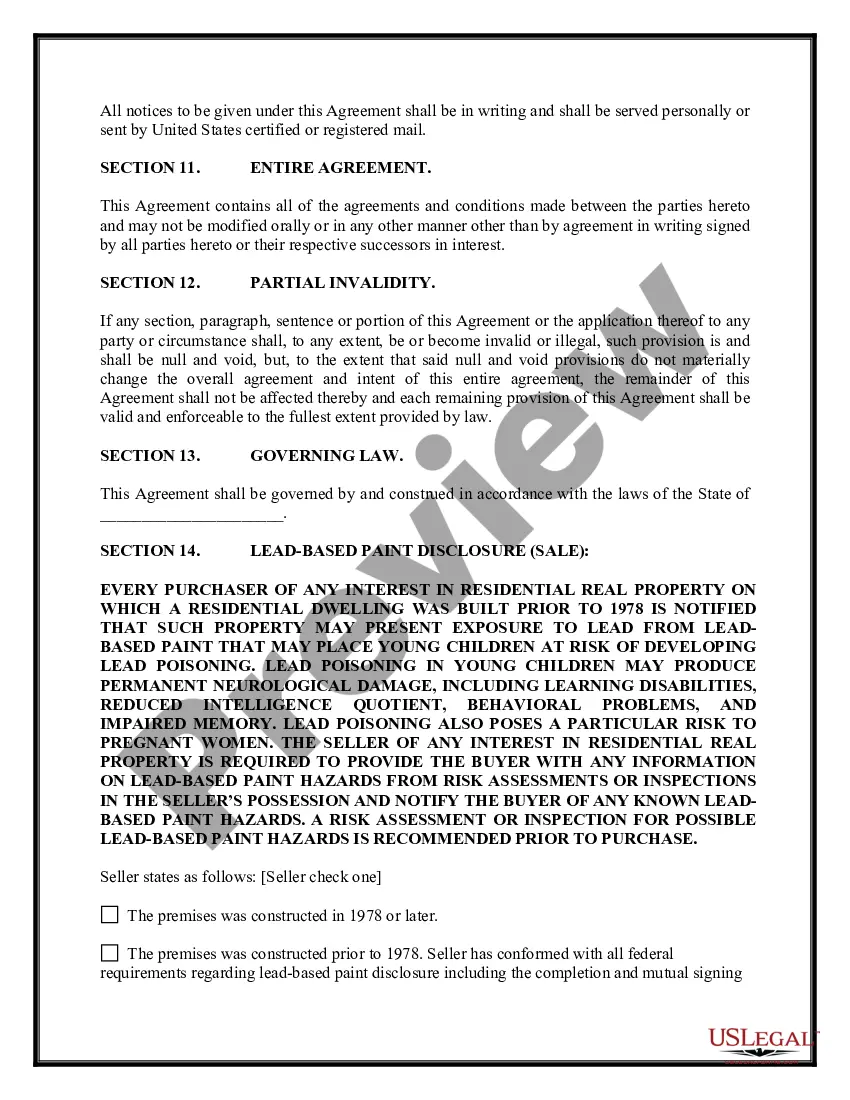
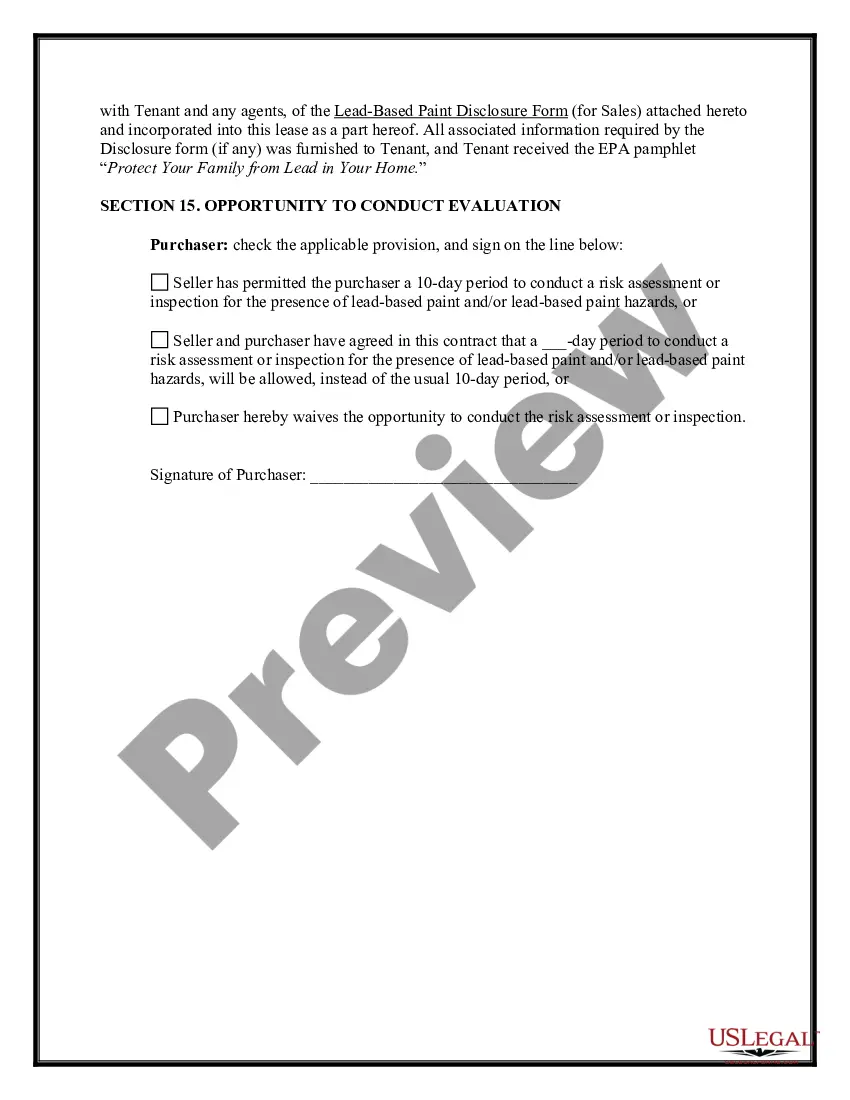
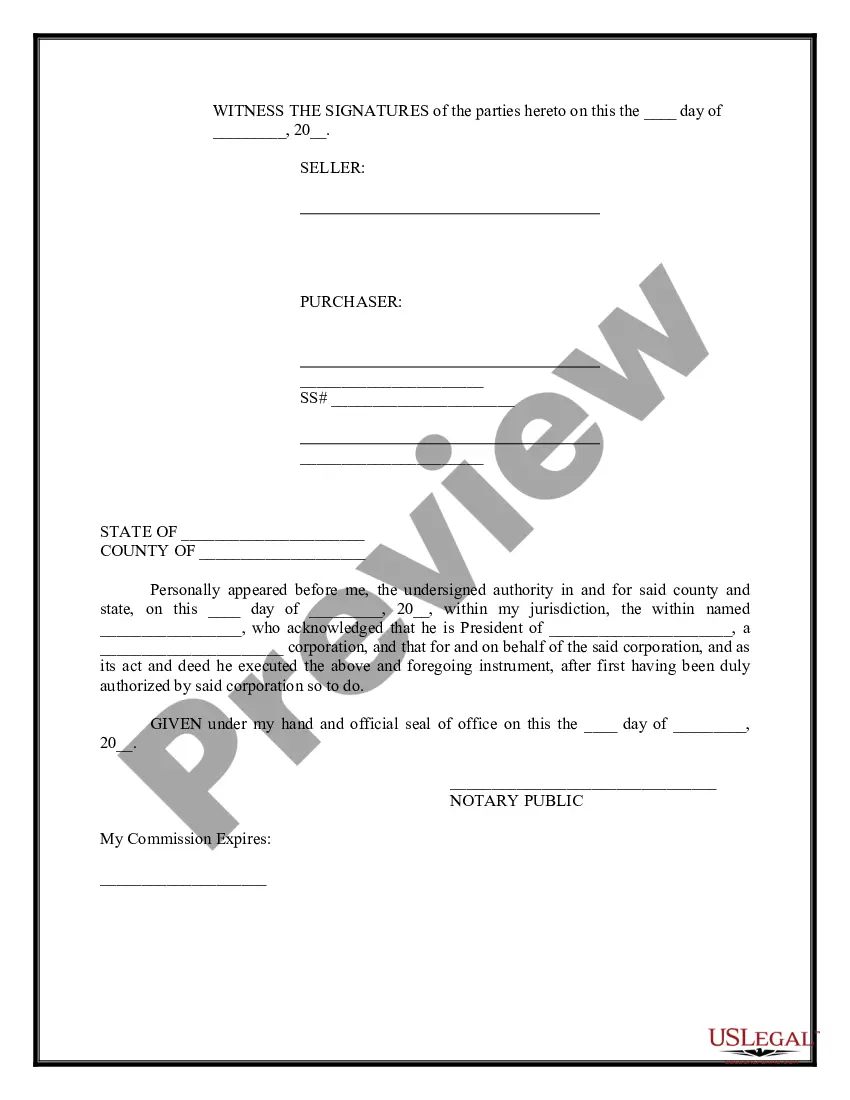
Forfeiture Clause Real Estate In King
Description

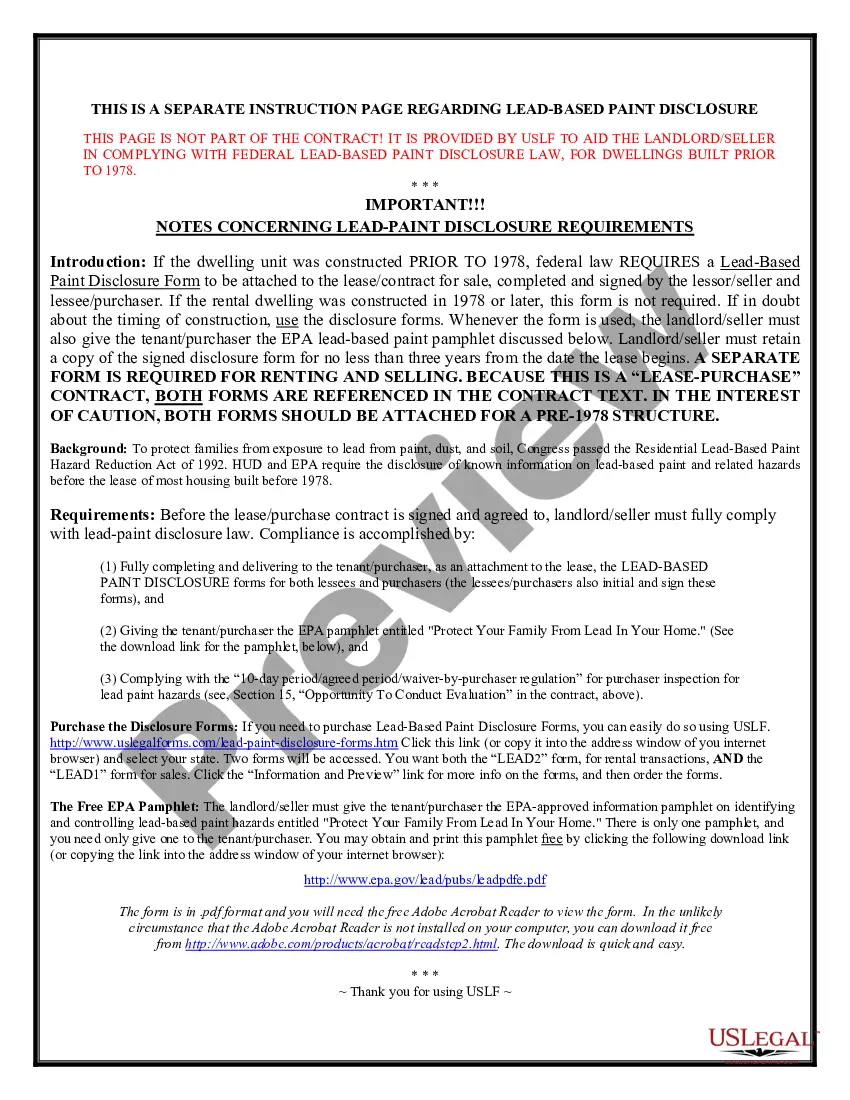
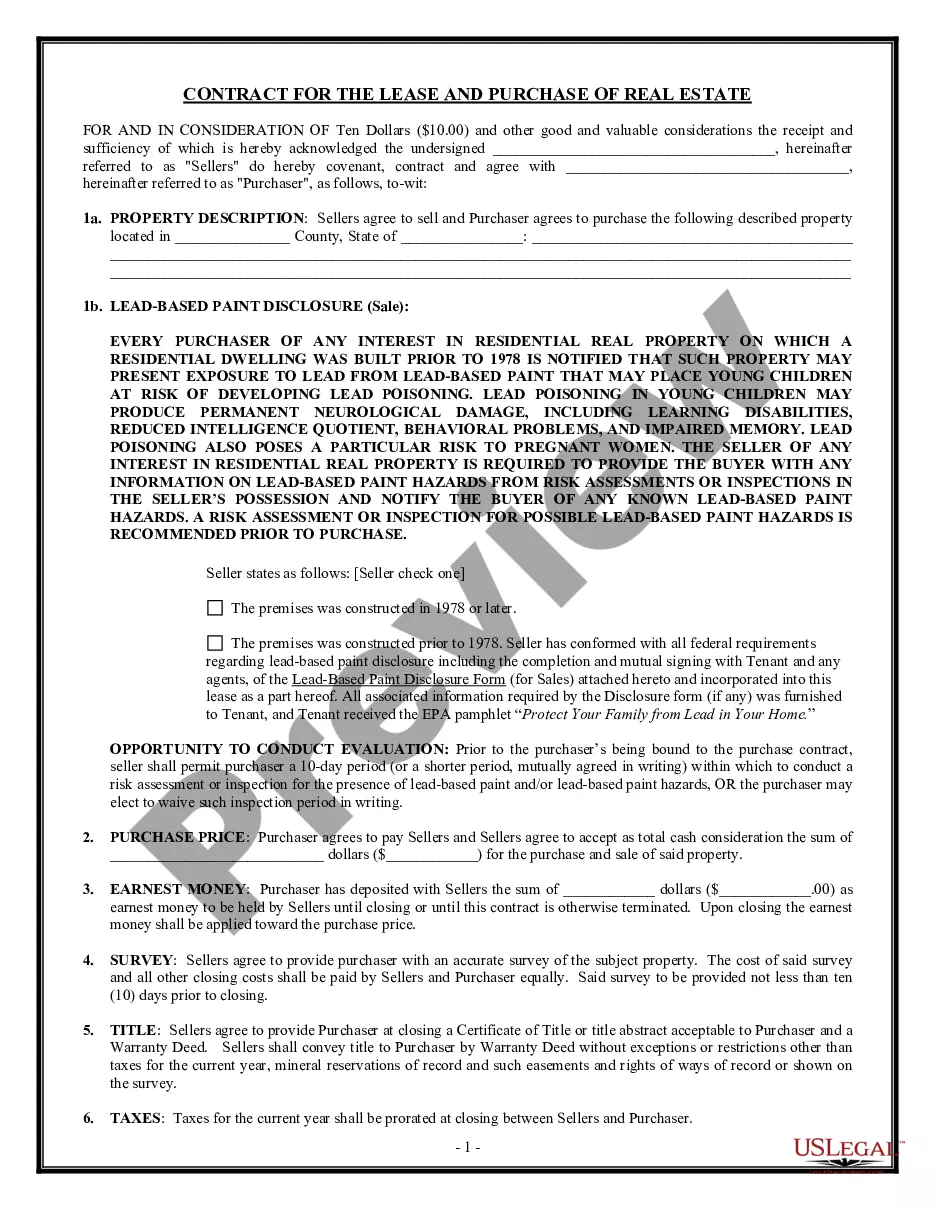
Get your form ready online
Our built-in tools help you complete, sign, share, and store your documents in one place.
Make edits, fill in missing information, and update formatting in US Legal Forms—just like you would in MS Word.
Download a copy, print it, send it by email, or mail it via USPS—whatever works best for your next step.
Sign and collect signatures with our SignNow integration. Send to multiple recipients, set reminders, and more. Go Premium to unlock E-Sign.
If this form requires notarization, complete it online through a secure video call—no need to meet a notary in person or wait for an appointment.
We protect your documents and personal data by following strict security and privacy standards.

Make edits, fill in missing information, and update formatting in US Legal Forms—just like you would in MS Word.

Download a copy, print it, send it by email, or mail it via USPS—whatever works best for your next step.

Sign and collect signatures with our SignNow integration. Send to multiple recipients, set reminders, and more. Go Premium to unlock E-Sign.

If this form requires notarization, complete it online through a secure video call—no need to meet a notary in person or wait for an appointment.

We protect your documents and personal data by following strict security and privacy standards.
Looking for another form?








Form popularity
FAQ
In criminal forfeiture, an individual has the right to contest the seizure through trial proceedings. Civil Judicial Forfeiture: Civil judicial forfeiture is a judicial process that does not require a criminal conviction and is a legal tool that allows law enforcement to seize property that is involved in a crime.
Forfeit or forfeiture means losing a right, privilege, or property without compensation as a consequence of violating the law, breaching a legal obligation, failing to perform a contractual obligation or condition, or neglecting a legal duty. Under federal law, there are civil, criminal, and administrative forfeitures.
In law, a forfeiture is the loss of rights or goods due to not fulfilling some obligation. For example, failing to make car payments to a bank can result in the forfeiture of your car. the act of losing or surrendering something as a penalty for a mistake or fault or failure to perform etc.
This clause is similar to conditions and other qualifications of estates in land, but it is often considered void. Let's say you rent a car for a week, and the rental agreement includes a forfeiture clause. The clause states that if you return the car with any damage, you will forfeit your security deposit.
Forfeiture is broadly defined as the loss of property for failing to obey the law, and that property is generally lost to the state. A person may have a vested interest in property to be forfeit in two ways: In personum jurisdiction and in rem jurisdiction.
What is the disadvantage of a forfeiture clause to the buyer? The seller can end the contract and take possession of the property.
Possible Criticisms and Negative Consequences Profit Motive. In a rather creative study, Miller and Selva50 used covert participant observation to document asset forfeiture activities. Budget Consequences. Neglect of Other Crimes. Appearance of Impropriety. Threats to Due Process.