Law Firm Form With Highest Billable Hour Requirement In Florida
Description







Get your form ready online
Our built-in tools help you complete, sign, share, and store your documents in one place.
Make edits, fill in missing information, and update formatting in US Legal Forms—just like you would in MS Word.
Download a copy, print it, send it by email, or mail it via USPS—whatever works best for your next step.
Sign and collect signatures with our SignNow integration. Send to multiple recipients, set reminders, and more. Go Premium to unlock E-Sign.
If this form requires notarization, complete it online through a secure video call—no need to meet a notary in person or wait for an appointment.
We protect your documents and personal data by following strict security and privacy standards.

Make edits, fill in missing information, and update formatting in US Legal Forms—just like you would in MS Word.

Download a copy, print it, send it by email, or mail it via USPS—whatever works best for your next step.

Sign and collect signatures with our SignNow integration. Send to multiple recipients, set reminders, and more. Go Premium to unlock E-Sign.

If this form requires notarization, complete it online through a secure video call—no need to meet a notary in person or wait for an appointment.

We protect your documents and personal data by following strict security and privacy standards.
Looking for another form?
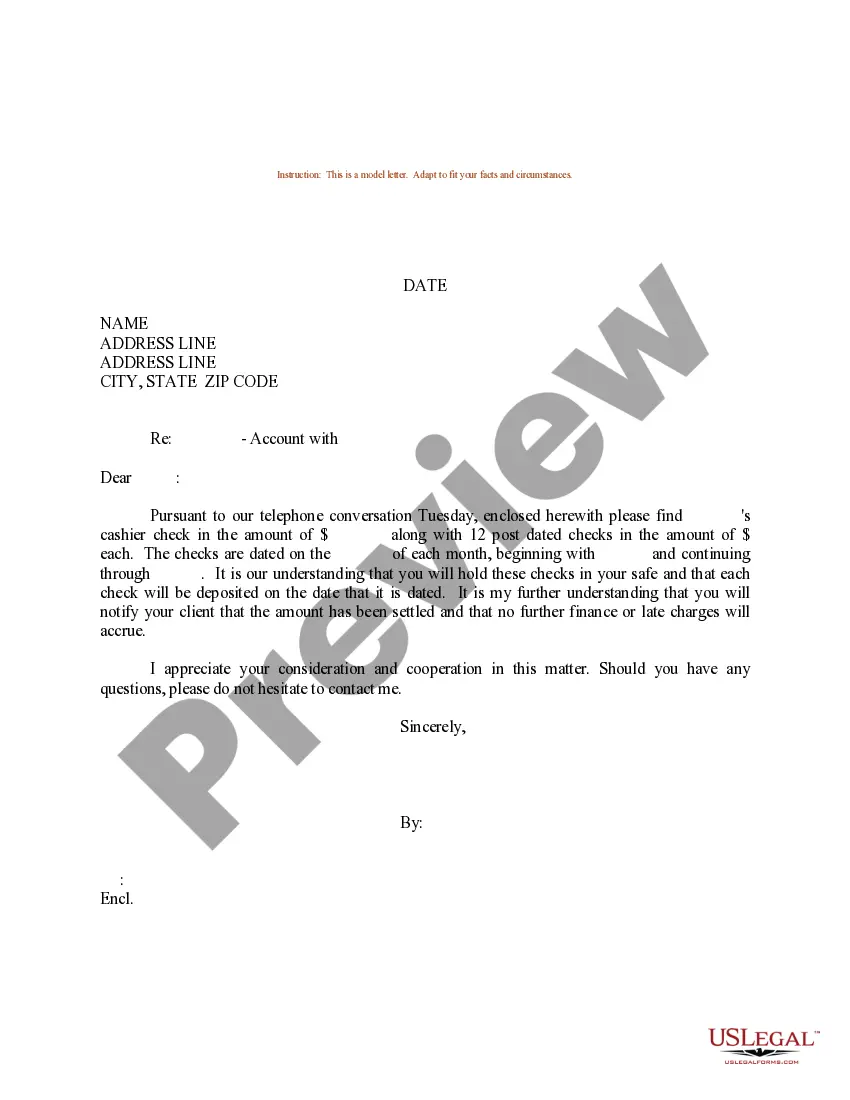


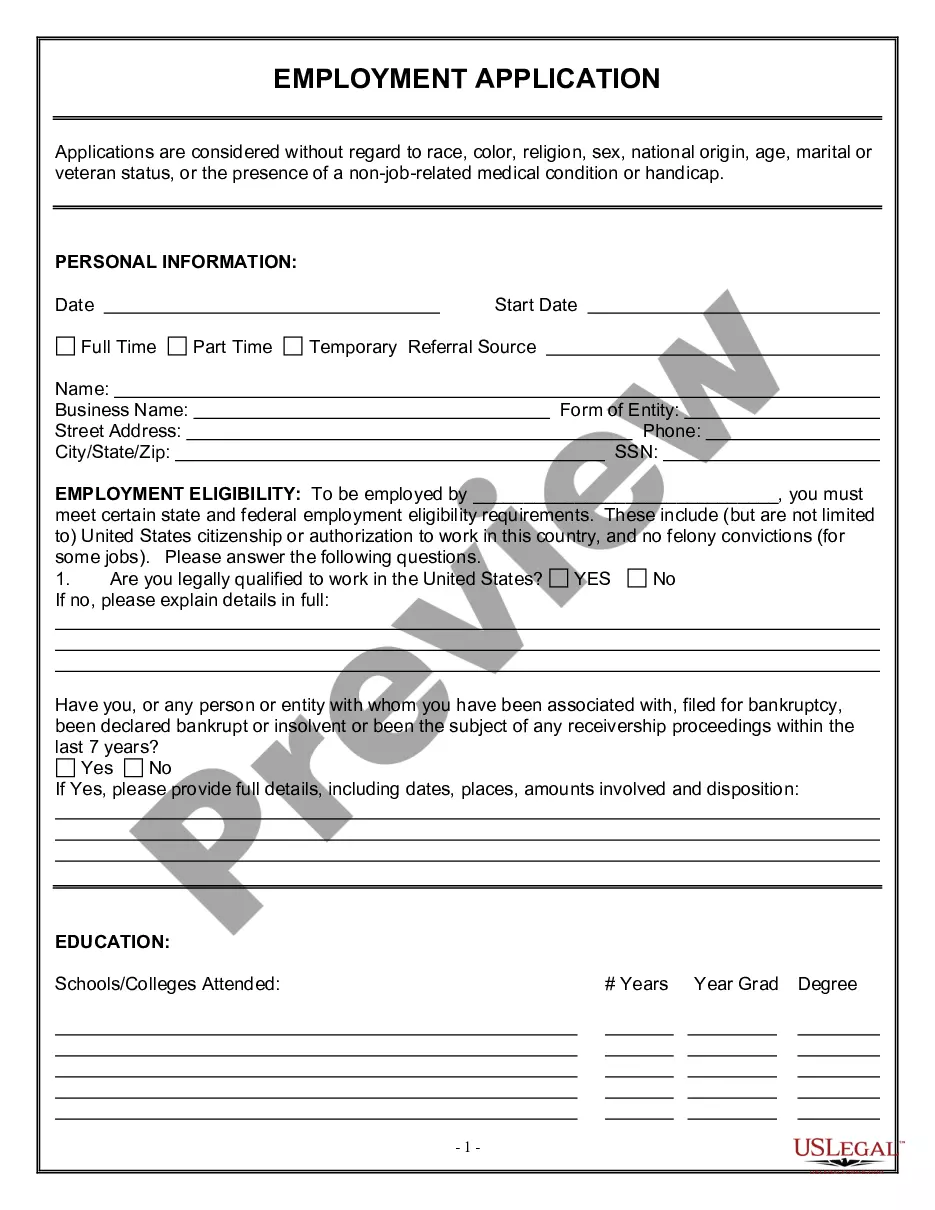

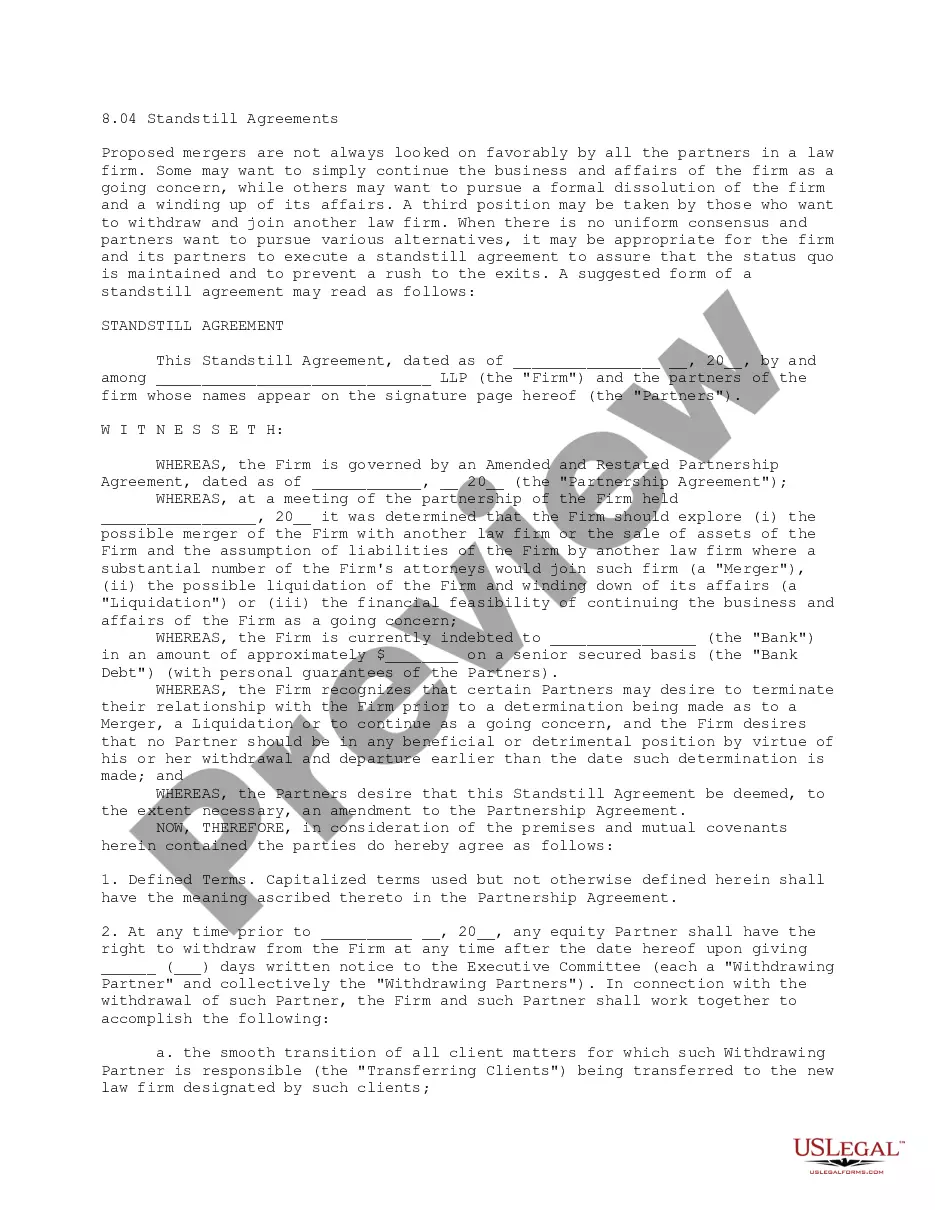




Form popularity
FAQ
What constitutes a large law firm may vary somewhat geographically – but if a firm has more than one office location, or over 100 attorneys, it is a fair assumption they could be considered a large law firm no matter where they are located.
It varies by firm. The most credential-conscious firms tend to look for a 3.5 or higher, but many are more flexible, requiring a minimum GPA between a 3.0 and 3.25. A GPA below 3.0 is generally considered “low” in the lateral hiring world.
What constitutes a large law firm may vary somewhat geographically – but if a firm has more than one office location, or over 100 attorneys, it is a fair assumption they could be considered a large law firm no matter where they are located.
Size: BigLaw vs. BigLaw firms typically have over 100 attorneys, while midsize law firms usually have between 20 and 100 attorneys. The size of the firm can affect the resources available, including support staff, technology, and the range of practice areas offered.
The attribute used most often is number of employees; small businesses are usually defined as organizations with fewer than 100 employees; midsize enterprises are those organizations with 100 to 999 employees.
As we mentioned, many law firms require their lawyers to work between 1,700 and 2,300 billable hours per year, depending on their situation. This means working between 142 and 192 hours per month, or between seven and ten billable hours per day.
In general, however, a common target is to aim for a billable-to-non-billable hour ratio of around 70 percent billable hours to 30 percent non-billable hours. In a nutshell, most MSPs should strive to keep at least 70 percent of your team's time dedicated to billable client work.
Cutting down on non-billable hours: Strategies for reducing... Examine the hours logged by the employees. Identifying and categorising non-billable activities. Setting clear guidelines for internal hours usage. Implementing tools and processes for efficiency. Communicating the guidelines to the staff.
Ways to bill more accurately Track your time automatically. Tracking your time diligently and comprehensively is essential for accurate billing. Effective Time management strategies. Streamline Admin tasks. Avoid Multitasking. Delegate non-billable tasks. Clearly Define Scope and Expectations. Minimize distractions.
How To Calculate Time in 6-Minute Increments. To calculate time in six-minute increments, divide the work duration in minutes by 6. Each of these increments equals 0.1 of an hour when converted to decimal form. So, for 42 minutes, you get seven increments, which equals 0.7 hours.
