Contingent Contract With Case Law
Description







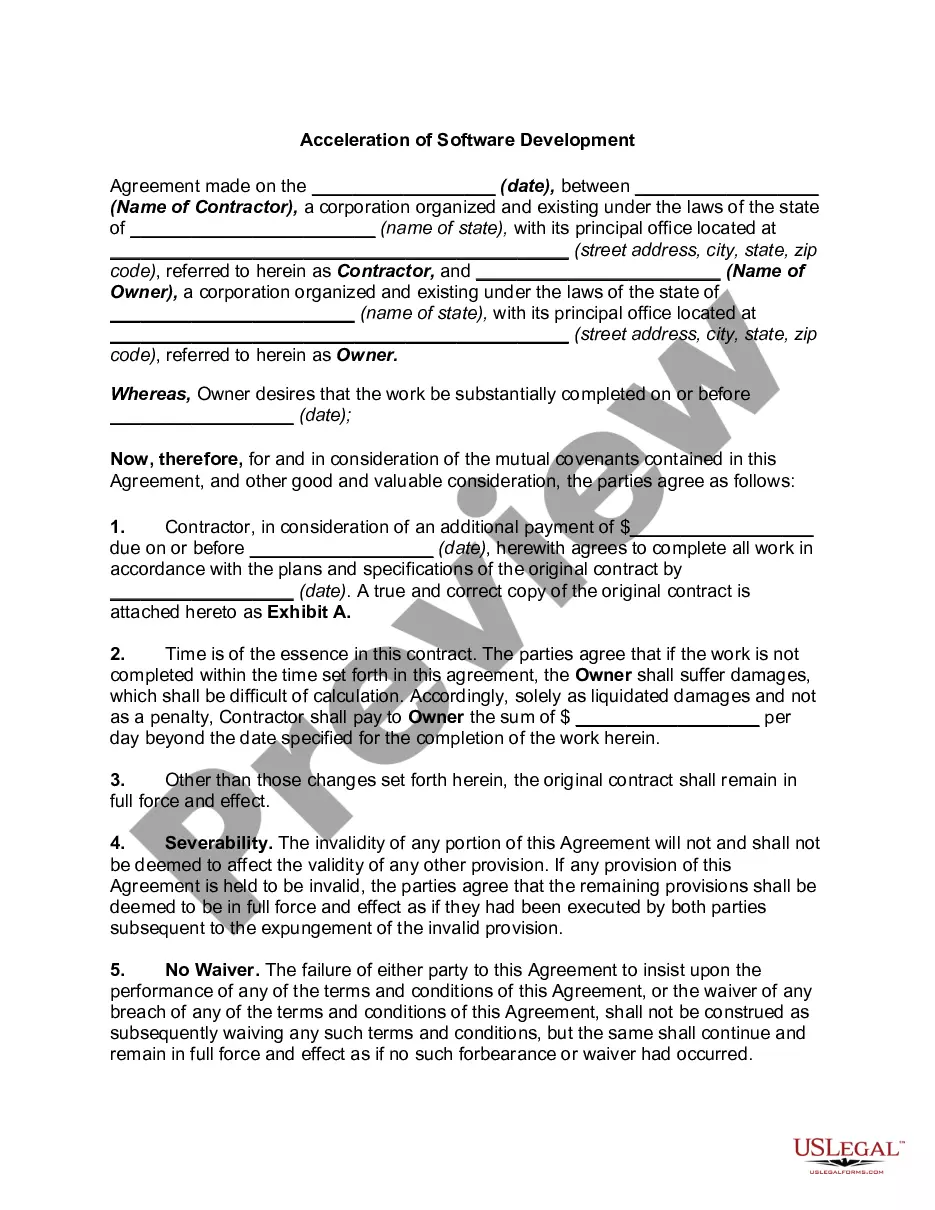
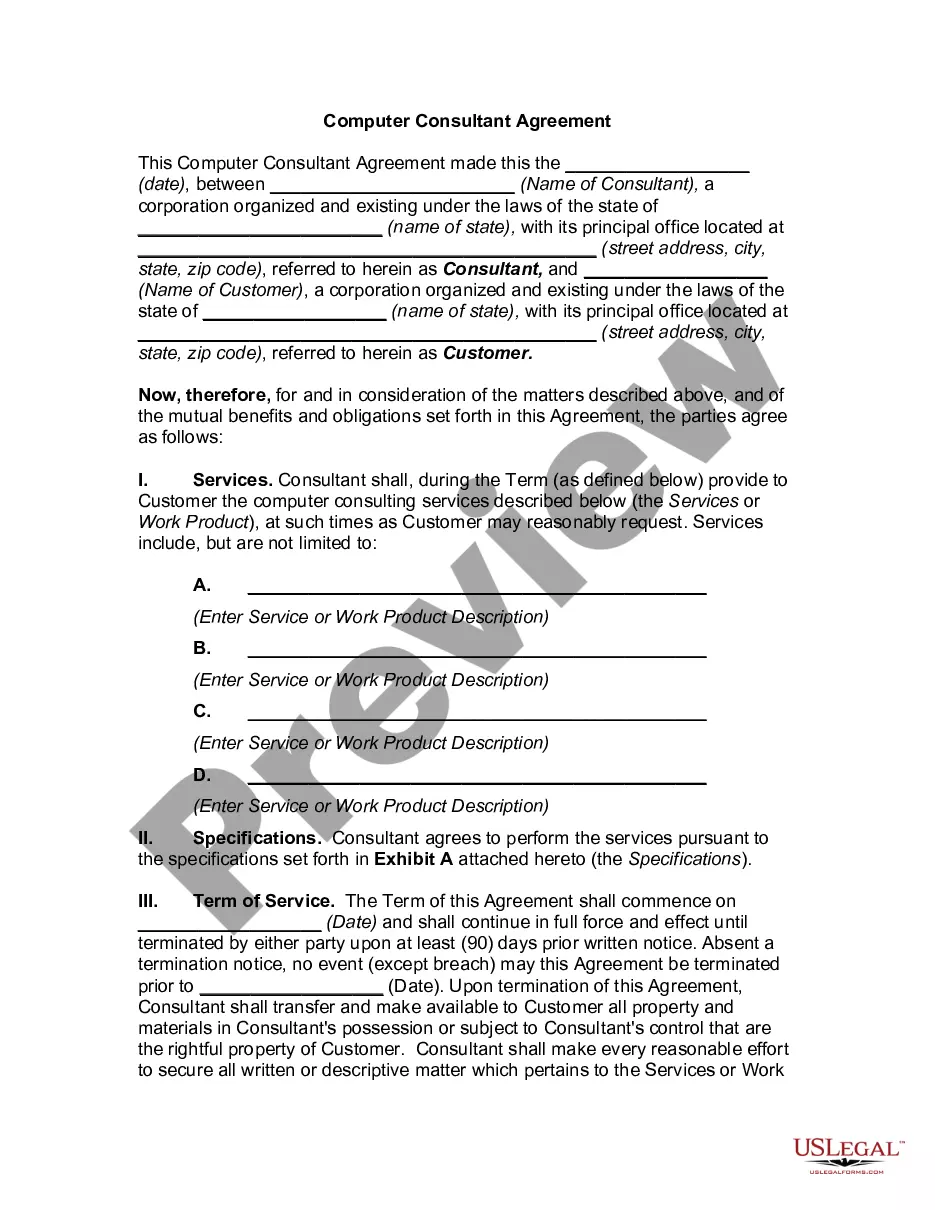

How to fill out Contingency Fee Agreement With An Attorney Or Law Firm?
It’s well-known that you cannot transform into a legal authority in a single night, nor can you swiftly acquire the ability to draft a Contingent Contract With Case Law without possessing a specialized skill set.
Creating legal documents is an intricate undertaking that demands specific training and expertise. So why not entrust the drafting of the Contingent Contract With Case Law to the specialists.
With US Legal Forms, one of the most extensive legal document repositories, you can find everything from court filings to templates for internal business communication. We recognize the significance of compliance with federal and state regulations.
Sign up for a free account and select a subscription option to purchase the form.
Click Buy now. Once the payment is processed, you can receive the Contingent Contract With Case Law, complete it, print it, and deliver or send it to the necessary parties or organizations.
- That’s why, on our platform, all templates are specific to locations and current.
- Here’s how to begin with our website and obtain the form you require in just minutes.
- Search for the form you need using the search bar at the top of the page.
- Preview it (if this option is available) and review the supporting description to determine if Contingent Contract With Case Law is what you seek.
- Start your search anew if you require a different form.
Form popularity
FAQ
Connecticut Practice Book, Rules of Professional Conduct, Rule 1.15. The Rules of Professional Conduct, Rule 1.15 Safekeeping Property, provides lawyers with a framework for handling their clients' funds. Attorneys are responsible for maintaining and monitoring their clients' trust accounts properly.
Rule 1.10 - Imputation of Conflicts of Interest: General Rule (a) While lawyers are associated in a firm, none of them shall knowingly represent a client when any one of them practicing alone would be prohibited from doing so by Rules 1.7, 1.8(c), or 1.9, unless the prohibition is based on a personal interest of the ...
The Executor (or Administrator) of an estate will be supplied with a Fiduciary Probate Certificate (called PC-450), a document from the Probate Court that will evidence that the Executor/Administrator is appointed as such for the estate.
Rule 8.4(7) defines ?professional misconduct? by a Connecticut attorney as including speech that the lawyer knows or reasonably should know ?is harassment or discrimination on the basis of? any of 15 listed characteristics?among them race, sex, religion, disability, sexual orientation, and gender identity.
Rule 4.2 of the Rules of Professional Conduct provides that ?[i]n representing a client, a lawyer shall not communicate about the subject of the representation with a party the lawyer knows to be represented by another lawyer in the matter, unless the lawyer has the consent of the other lawyer or is authorized by law ...
Rule 1.7 - Conflict of Interest: General Rule (a) Except as provided in paragraph (b), a lawyer shall not represent a client if the representation involves a concurrent conflict of interest.
Rule 7.1. A communication is false or misleading if it contains a material misrepresentation of fact or law, or omits a fact necessary to make the statement considered as a whole not materially misleading.