Contingency With Law In Allegheny
Description







Get your form ready online
Our built-in tools help you complete, sign, share, and store your documents in one place.
Make edits, fill in missing information, and update formatting in US Legal Forms—just like you would in MS Word.
Download a copy, print it, send it by email, or mail it via USPS—whatever works best for your next step.
Sign and collect signatures with our SignNow integration. Send to multiple recipients, set reminders, and more. Go Premium to unlock E-Sign.
If this form requires notarization, complete it online through a secure video call—no need to meet a notary in person or wait for an appointment.
We protect your documents and personal data by following strict security and privacy standards.

Make edits, fill in missing information, and update formatting in US Legal Forms—just like you would in MS Word.

Download a copy, print it, send it by email, or mail it via USPS—whatever works best for your next step.

Sign and collect signatures with our SignNow integration. Send to multiple recipients, set reminders, and more. Go Premium to unlock E-Sign.

If this form requires notarization, complete it online through a secure video call—no need to meet a notary in person or wait for an appointment.

We protect your documents and personal data by following strict security and privacy standards.
Looking for another form?


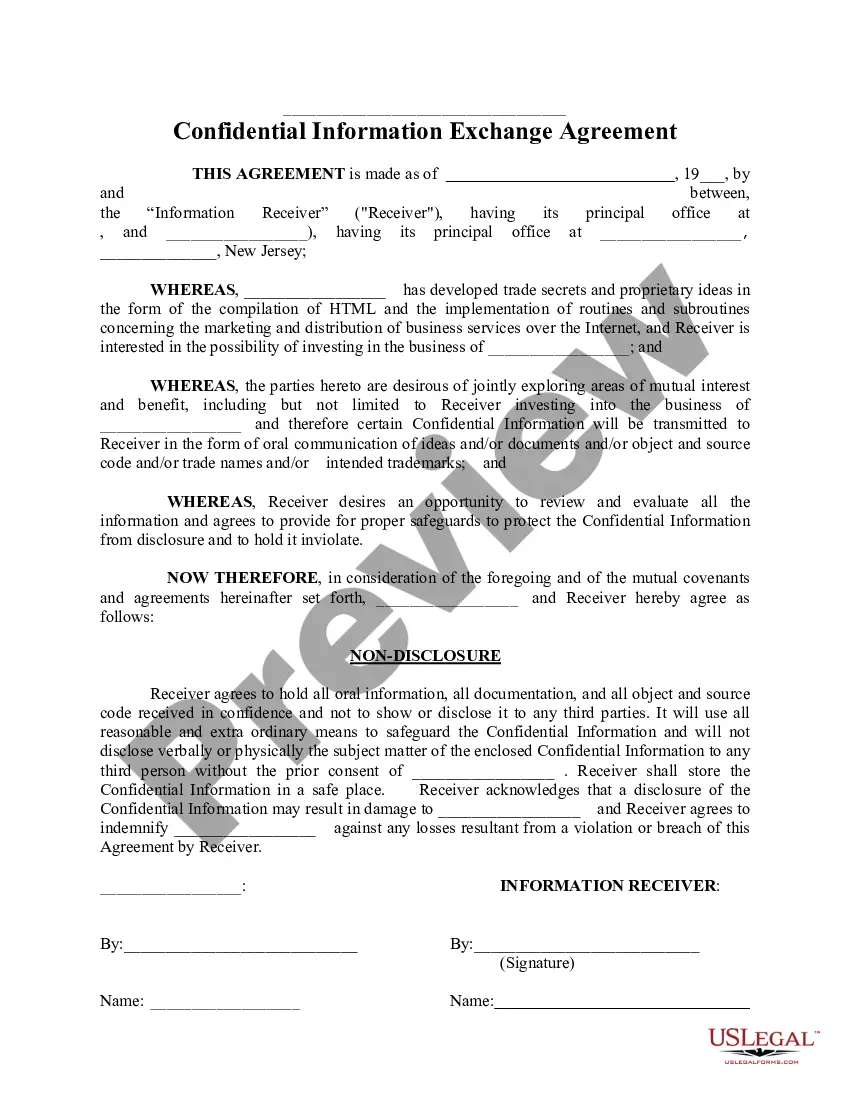



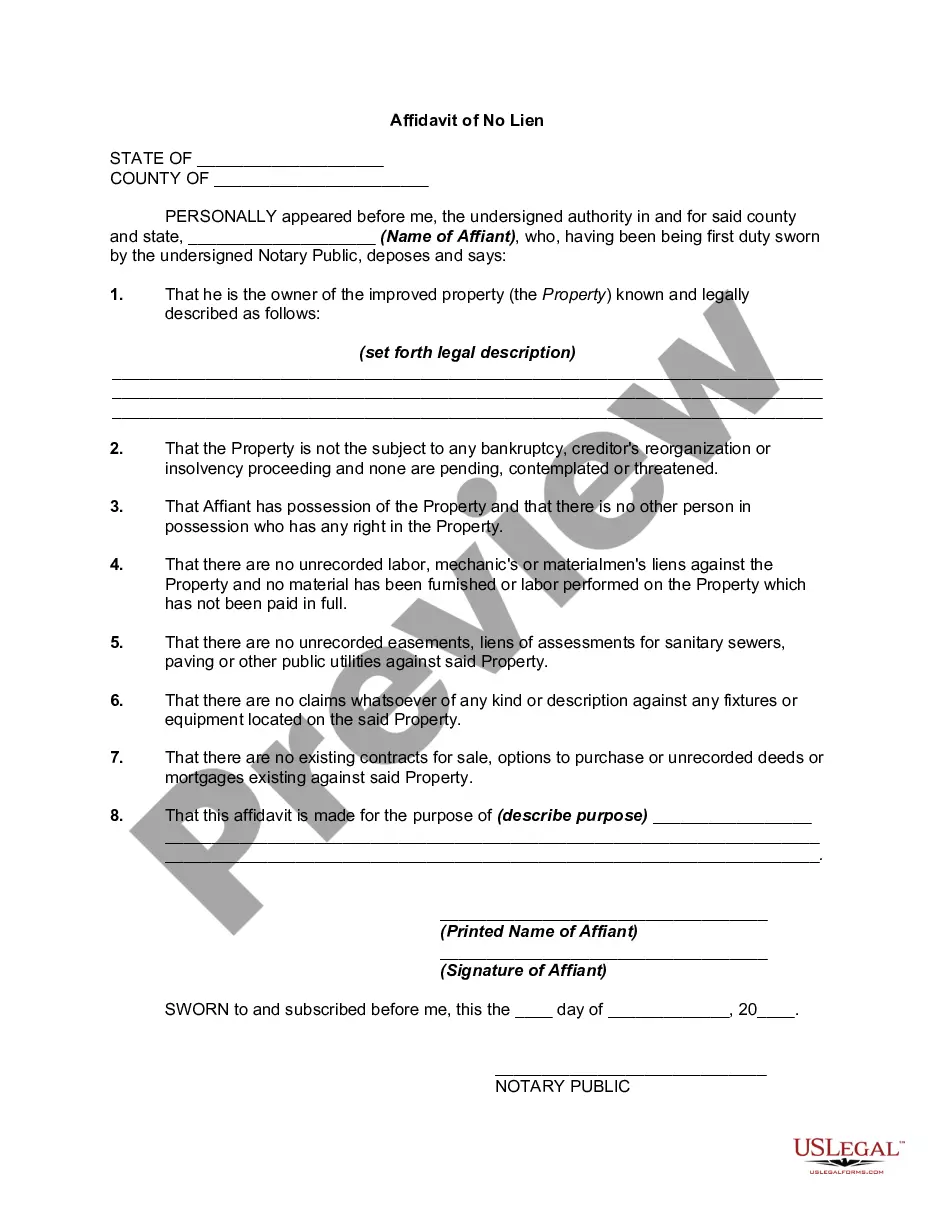



Form popularity
FAQ
The problem of recovering litigation costs drives many of the claims for imaginative damages. Contingent fees create an undue emphasis on the extent of the plaintiff's damages, and they encourage the filing and prosecution of cases with large damages but little negligence.
A lawyer shall maintain a record of these disclosures for six years after the termination of the representation of a client.
In dealing on behalf of a client with a person who is not represented by counsel, a lawyer shall not state or imply that the lawyer is disinterested.
Rule 1028 - Preliminary Objections (a) Preliminary objections may be filed by any party to any pleading and are limited to the following grounds: (1) lack of jurisdiction over the subject matter of the action or the person of the defendant, improper venue or improper form or service of a writ of summons or a complaint; ...
A lawyer shall not bring or defend a proceeding, or assert or controvert an issue therein, unless there is a basis in law and fact for doing so that is not frivolous, which includes a good faith argument for an extension, modification or reversal of existing law.
In representing a client, a lawyer shall not communicate about the subject of the representation with a person the lawyer knows to be represented by another lawyer in the matter, unless the lawyer has the consent of the other lawyer or is authorized to do so by law or a court order.
(a) A lawyer shall not reveal information relating to the representation of a client unless the client gives informed consent, the disclosure is impliedly authorized in order to carry out the representation or the disclosure is permitted by paragraph (b).
Rule 3.5(b) of the Pennsylvania Rules of Professional Conduct states in part: "A lawyer shall not communicate ex parte with a judge, juror, prospective juror or other official except as permitted by law..."This opinion addresses a number of questions relating to Rule 3.5(b)'s limitations on ex parte communications ...
The Act 152 Blight Removal Program provides funding for demolition and blight remediation planning. This program uses established blight conditions to focus on demolishing hazardous structures, site preparation for development projects, and multiphase planning efforts.
Pittsburgh has 10,000 abandoned houses and empty lots, of which 1300 have reported code violations, and restoring these properties to the tax rolls would go far in helping to balance the city and school district budgets.
