Primerica Shareholder Services Beneficiary Change Form In Houston
Description







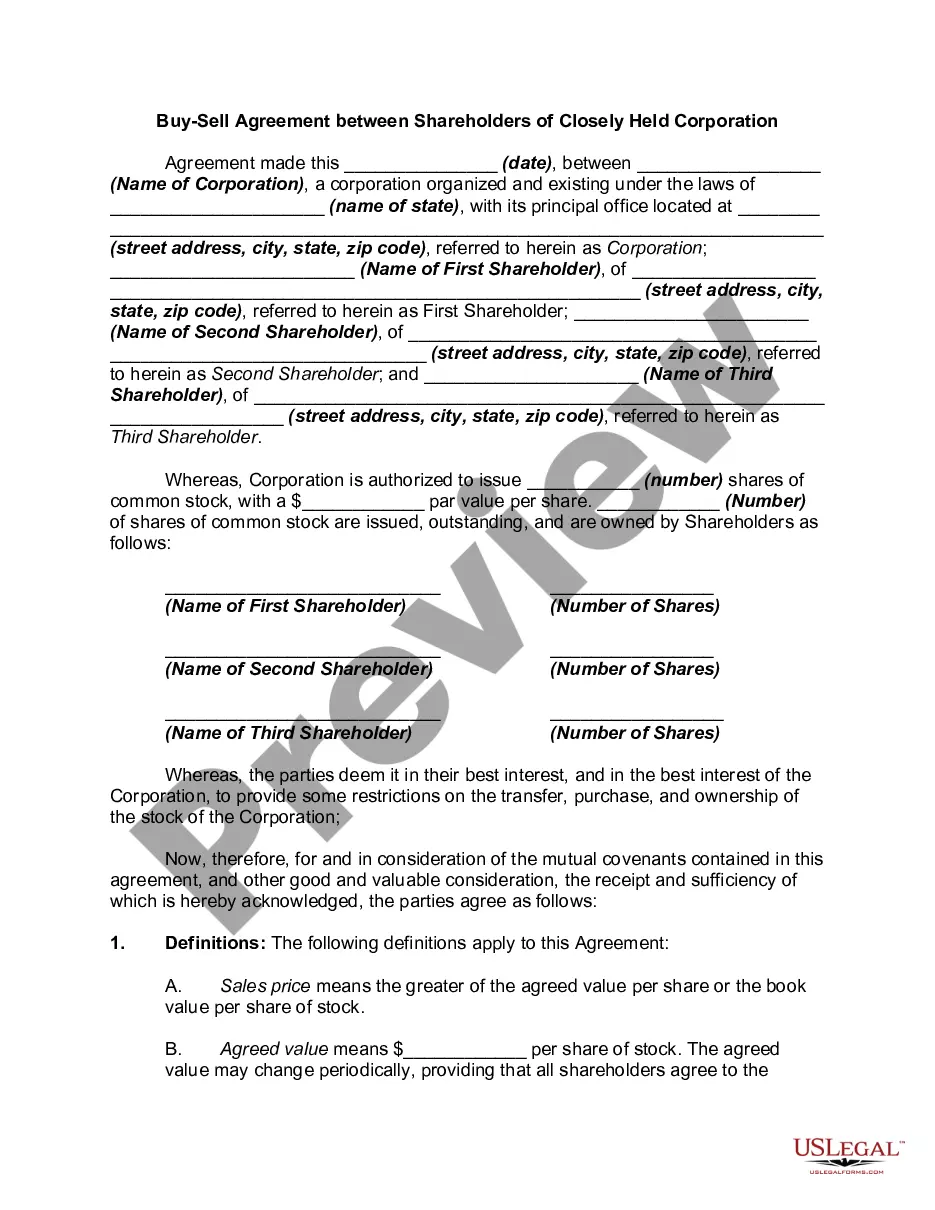


Get your form ready online
Our built-in tools help you complete, sign, share, and store your documents in one place.
Make edits, fill in missing information, and update formatting in US Legal Forms—just like you would in MS Word.
Download a copy, print it, send it by email, or mail it via USPS—whatever works best for your next step.
Sign and collect signatures with our SignNow integration. Send to multiple recipients, set reminders, and more. Go Premium to unlock E-Sign.
If this form requires notarization, complete it online through a secure video call—no need to meet a notary in person or wait for an appointment.
We protect your documents and personal data by following strict security and privacy standards.

Make edits, fill in missing information, and update formatting in US Legal Forms—just like you would in MS Word.

Download a copy, print it, send it by email, or mail it via USPS—whatever works best for your next step.

Sign and collect signatures with our SignNow integration. Send to multiple recipients, set reminders, and more. Go Premium to unlock E-Sign.

If this form requires notarization, complete it online through a secure video call—no need to meet a notary in person or wait for an appointment.

We protect your documents and personal data by following strict security and privacy standards.
Looking for another form?










Form popularity
FAQ
The legal authority to modify revocable beneficiaries typically rests with the grantor or settlor of the trust. The grantor can add or remove beneficiaries, change the distribution percentages, or modify any other provisions related to the beneficiaries.
It's simple — to change a beneficiary, you just send the new person's details to your insurer. It's a good idea to have a few backups in mind at all times, as you never know when you might need to make a change.
Generally speaking, you can name a non-citizen, such as a family member living abroad, as the beneficiary of an annuity or other financial account.
You must use form POL-28-COM. Please indicate the account registration to include owner/joint owner(s) first name, middle initial and last name. Please include the owner's social security number and the Primerica Shareholder Services Account number for which the change of beneficiary will apply.
Generally, you can review and update your beneficiary designations by contacting the company or organization that provides your insurance or retirement plan. You can sometimes do this online. Otherwise, you'll have to complete, sign, and mail a paper form.
Complete the Request for Change of Beneficiary form by listing the full given name for each person being named. Indicate their address, social security number, date of birth, and relationship to the insured person.
As the policyholder, only you — or someone who holds durable power of attorney for you — can change your life insurance beneficiaries. However, if your policy names an irrevocable beneficiary, you will also need to get that beneficiary's consent before making changes.
You can request a transfer form directly from your life insurance company. However, you may also have to change the policy to indicate that the insured is no longer the owner. After the transfer, the new owner is responsible for making all premium payments.
For example, if you name your three cousins as your primary beneficiaries, you can name the children of each cousin as alternate primary beneficiaries. Then, if one cousin dies before you do, their share will be divided between their children who are named as alternate primary beneficiaries.
