Agreement Commercial Property With Living Space In Wayne
Description


Get your form ready online
Our built-in tools help you complete, sign, share, and store your documents in one place.
Make edits, fill in missing information, and update formatting in US Legal Forms—just like you would in MS Word.
Download a copy, print it, send it by email, or mail it via USPS—whatever works best for your next step.
Sign and collect signatures with our SignNow integration. Send to multiple recipients, set reminders, and more. Go Premium to unlock E-Sign.
If this form requires notarization, complete it online through a secure video call—no need to meet a notary in person or wait for an appointment.
We protect your documents and personal data by following strict security and privacy standards.

Make edits, fill in missing information, and update formatting in US Legal Forms—just like you would in MS Word.

Download a copy, print it, send it by email, or mail it via USPS—whatever works best for your next step.

Sign and collect signatures with our SignNow integration. Send to multiple recipients, set reminders, and more. Go Premium to unlock E-Sign.

If this form requires notarization, complete it online through a secure video call—no need to meet a notary in person or wait for an appointment.

We protect your documents and personal data by following strict security and privacy standards.
Looking for another form?





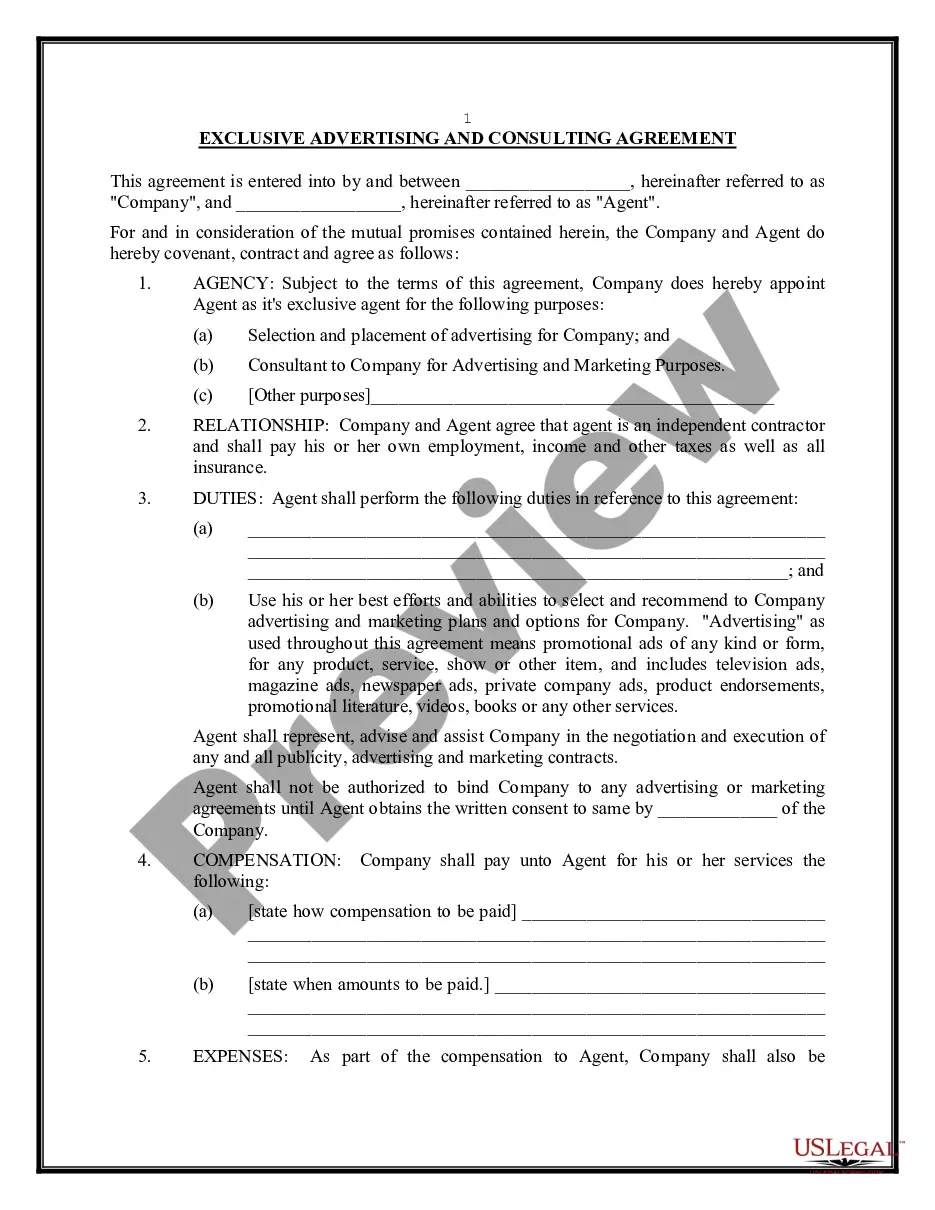

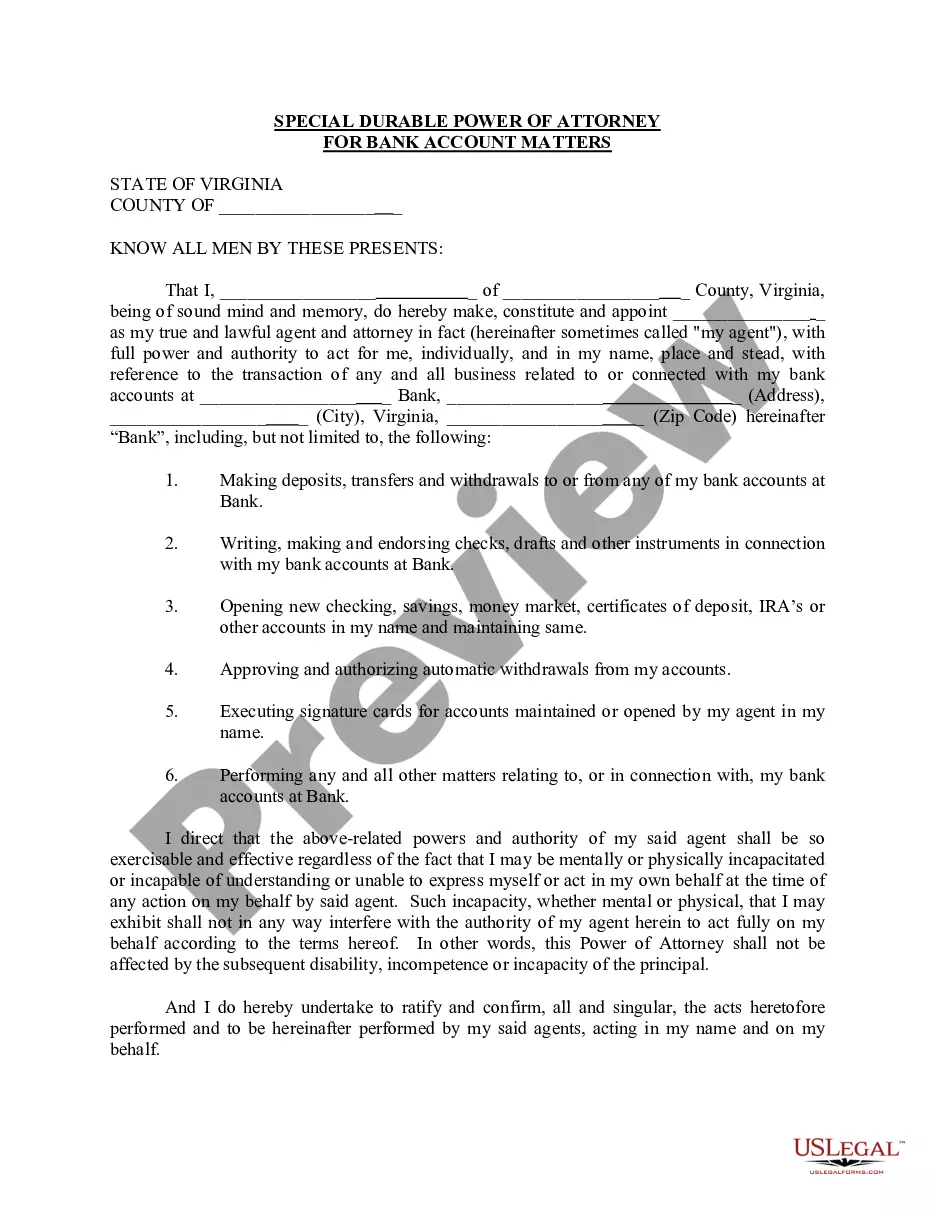
Form popularity
FAQ
The letter of intent should include the following six things: A Statement Declaring Your Interest in Leasing the Space. A Description of Your Company. An Outline of On-Site Employees, Equipment, and Machinery. Your Business Hours. An Overview of Your Current Space. Contact Details.
Examples of Good Letters of Intent 1) Be genuine, authentic, and earnest. 2) Use examples from your experience to highlight your skills and how you have grown. 3) Demonstrate that you have a growth mindset and are enthusiastic. 4) Be positive. 5) Don't go overboard or try to be too much. As always, aim for zero.
An LOI stands for Letter of Intent. In commercial real estate, a Letter of Intent is a preliminary agreement that is negotiated between a tenant and landlord or buyer and seller. The LOI or Letter of Intent states the primary economics and deal points with proposed terms.
LOI: A preliminary, non-binding agreement that outlines the basic terms and conditions of a potential transaction. It is a tool that sets the stage for more detailed negotiations. PSA: A legally binding contract that finalizes the terms of a real estate transaction.
Unless a commercial real estate property is defined as mixed use—for example, tenants living above storefronts—it is intended to be for business operations only, not for residential use.
Yes, it is. BUT you must apply to the local Planning Authority for Change of Use. Building Control may need to get involved, due to certain residential restrictions - such as “must have two doors between the kitchen and any lavatory”.
And safety standards for residential. Living attempting to live on commercial property can lead toMoreAnd safety standards for residential. Living attempting to live on commercial property can lead to legal. Issues fines and eviction as it violates zoning laws.
Using a commercial property as a residential space This means you need to apply to change the building use from commercial to residential. While this is perfectly achievable, the first thing to consider is the type of building you're interested in.
Commercial properties involve tenants that are businesses or multifamily apartments with five or more units. Residential properties are those where people live, such as single-family homes, duplexes, triplexes, or apartment buildings with four or fewer units.
Now, delving into the legalities, it's typically illegal to reside in a property zoned as commercial. This is often due to health and safety codes that commercial properties don't align with. However, there might be exceptions if a commercial building gets zoned for residential use through a variance process.
