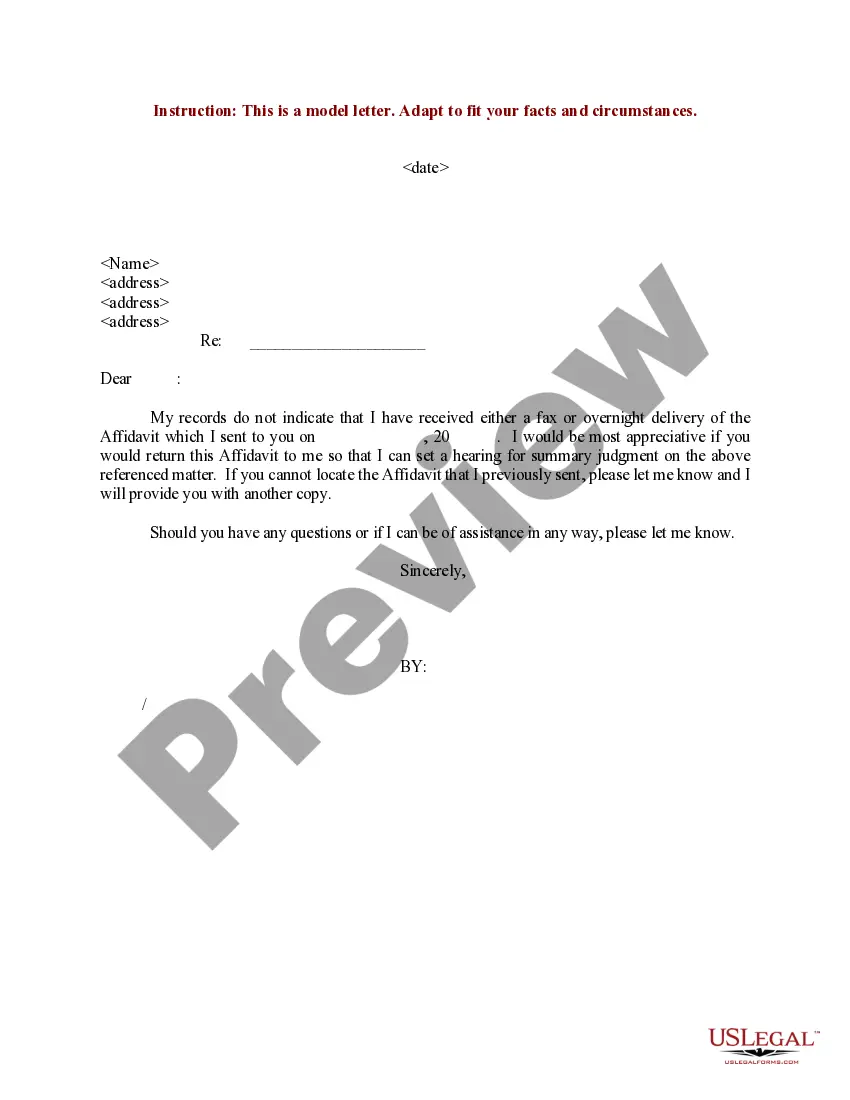
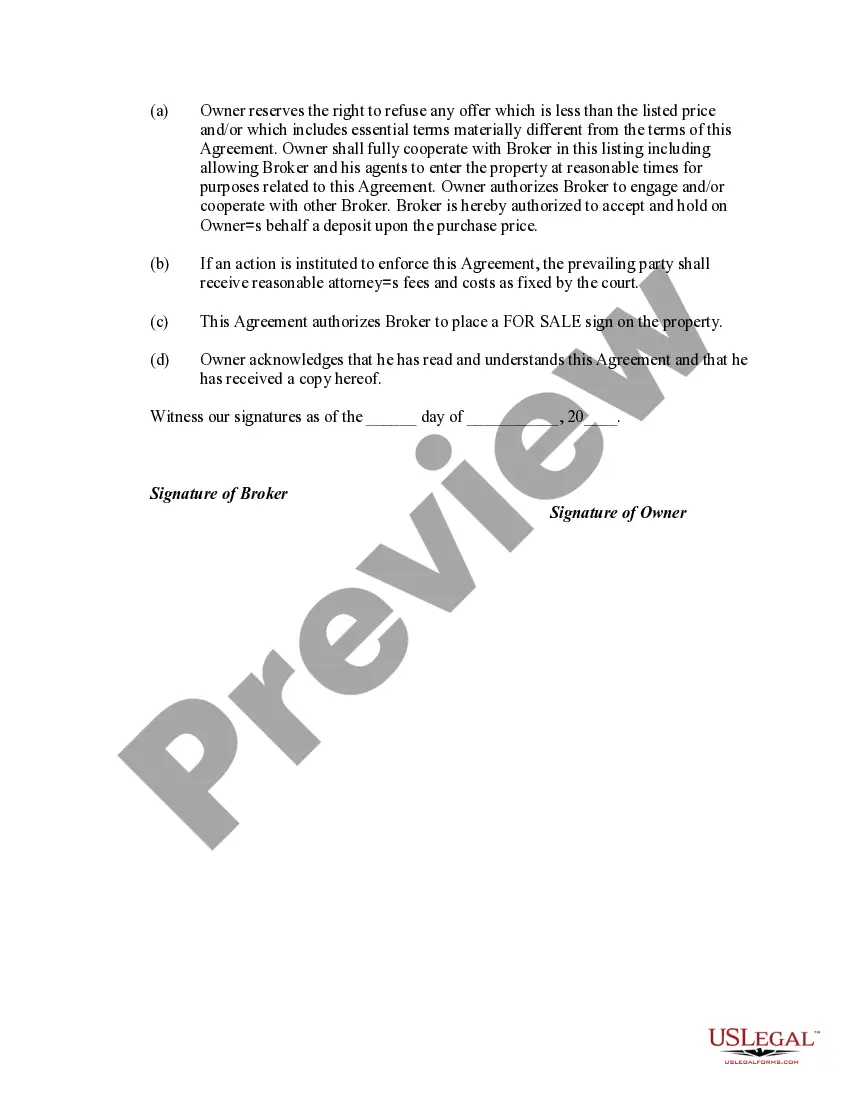
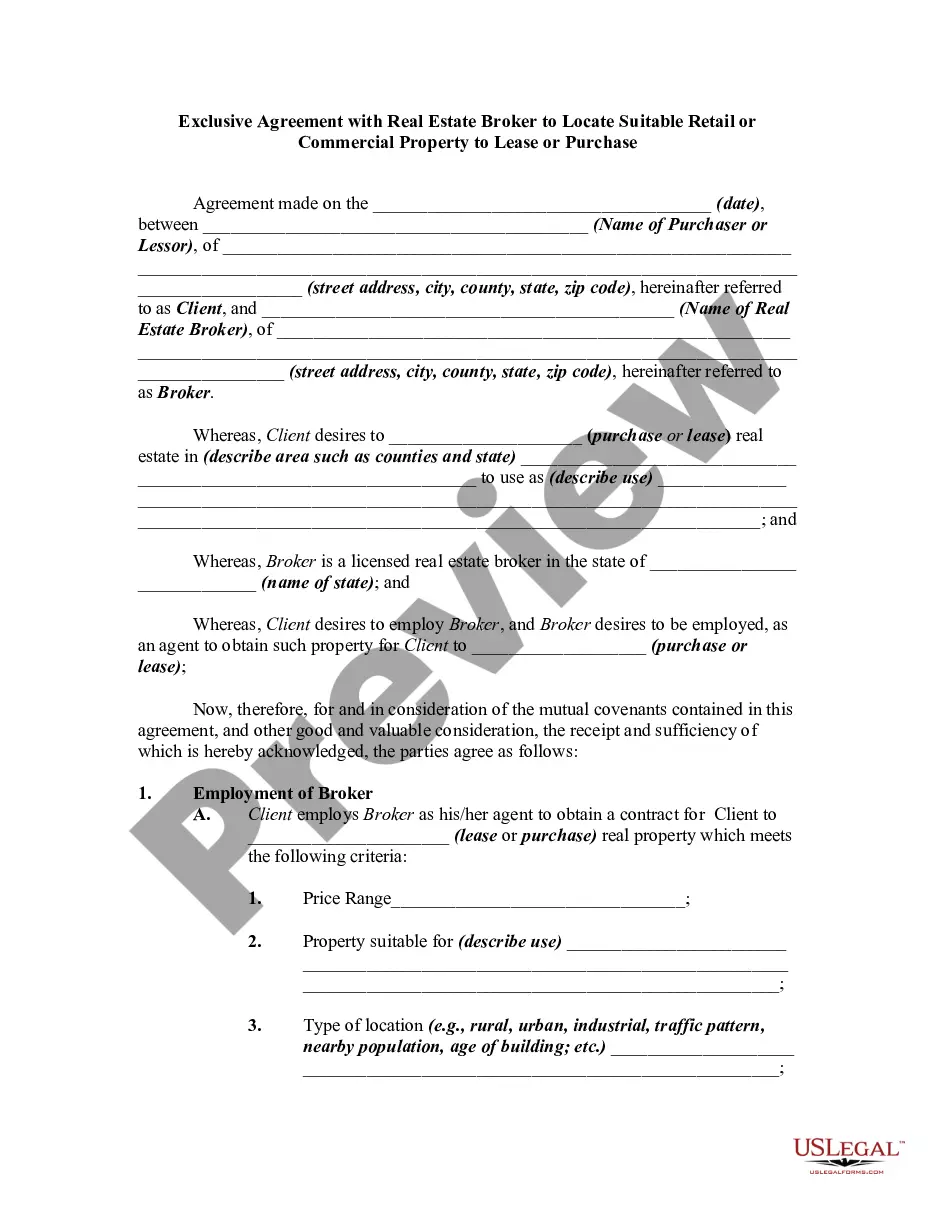
Right To Sell Property In Virginia
Description


Get your form ready online
Our built-in tools help you complete, sign, share, and store your documents in one place.
Make edits, fill in missing information, and update formatting in US Legal Forms—just like you would in MS Word.
Download a copy, print it, send it by email, or mail it via USPS—whatever works best for your next step.
Sign and collect signatures with our SignNow integration. Send to multiple recipients, set reminders, and more. Go Premium to unlock E-Sign.
If this form requires notarization, complete it online through a secure video call—no need to meet a notary in person or wait for an appointment.
We protect your documents and personal data by following strict security and privacy standards.

Make edits, fill in missing information, and update formatting in US Legal Forms—just like you would in MS Word.

Download a copy, print it, send it by email, or mail it via USPS—whatever works best for your next step.

Sign and collect signatures with our SignNow integration. Send to multiple recipients, set reminders, and more. Go Premium to unlock E-Sign.

If this form requires notarization, complete it online through a secure video call—no need to meet a notary in person or wait for an appointment.

We protect your documents and personal data by following strict security and privacy standards.
Looking for another form?








Form popularity
FAQ
Virginia law does not require home sellers to hire an attorney, whether a Realtor is part of the process or not. However, legal counsel is useful for all sellers and especially important for FSBO sellers. Real estate transactions are complex, and this is likely to be one of the biggest financial deals of your life.
If the will “directs” the Executor to sell, then he or she can and by direction in the will should sell the property; and the Executor may consummate the sale, without involving the beneficiaries of the real estate.
While there are many states that require the use of an attorney in a real estate transaction, Virginia law lets buyers and sellers choose whether they want to use an attorney or a title and escrow company to handle their real estate settlement.
Section 7(f) of the Virginia REALTORS® Exclusive Authorization to Sell allows the property owner to authorize or prohibit the display of the property on the Internet. If authorized, it also permits the property owner to limit the display of property reviews and automated estimates of market value on the Internet.
Virginia is considered a “single-party consent” jurisdiction. Va. Code § 19.2-62. That generally means that as long as a participant in a conversation consents to the communication being recorded, it is not illegal to record the conversation.
Some states have a law that gives a foreclosed homeowner time after the foreclosure sale to redeem the property. Virginia, however, doesn't have a law providing a post-sale redemption period. So, you won't be able to redeem the home following a foreclosure.
Some states also provide foreclosed borrowers with a redemption period after the foreclosure sale, during which they can buy back the home. Virginia law, however, doesn't provide a post-sale redemption period after a nonjudicial foreclosure.
A deed of gift must be signed by all parties, notarized by a Virginia notary, and witnessed by two or more parties who have no ownership interest in the property. The deed must be submitted to the recorder's office in the county of Virginia where the property exists.