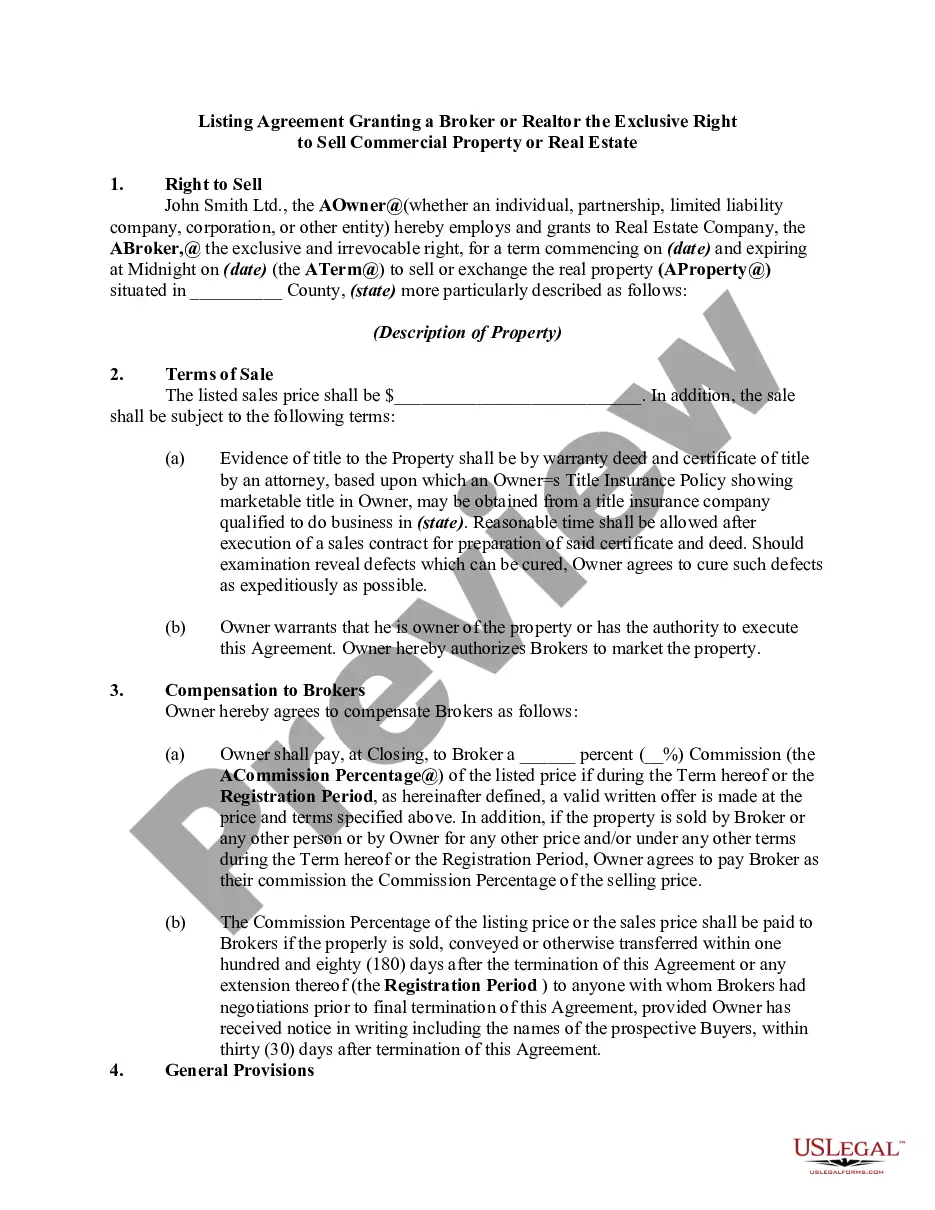
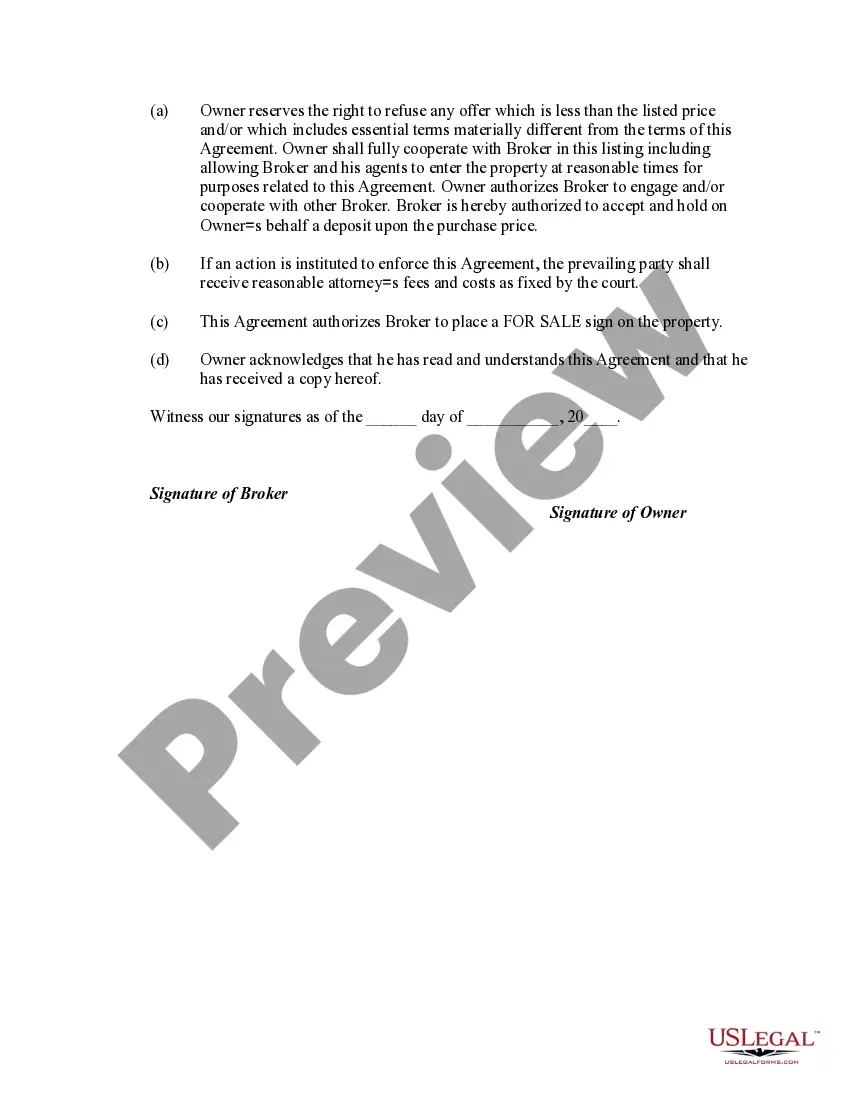
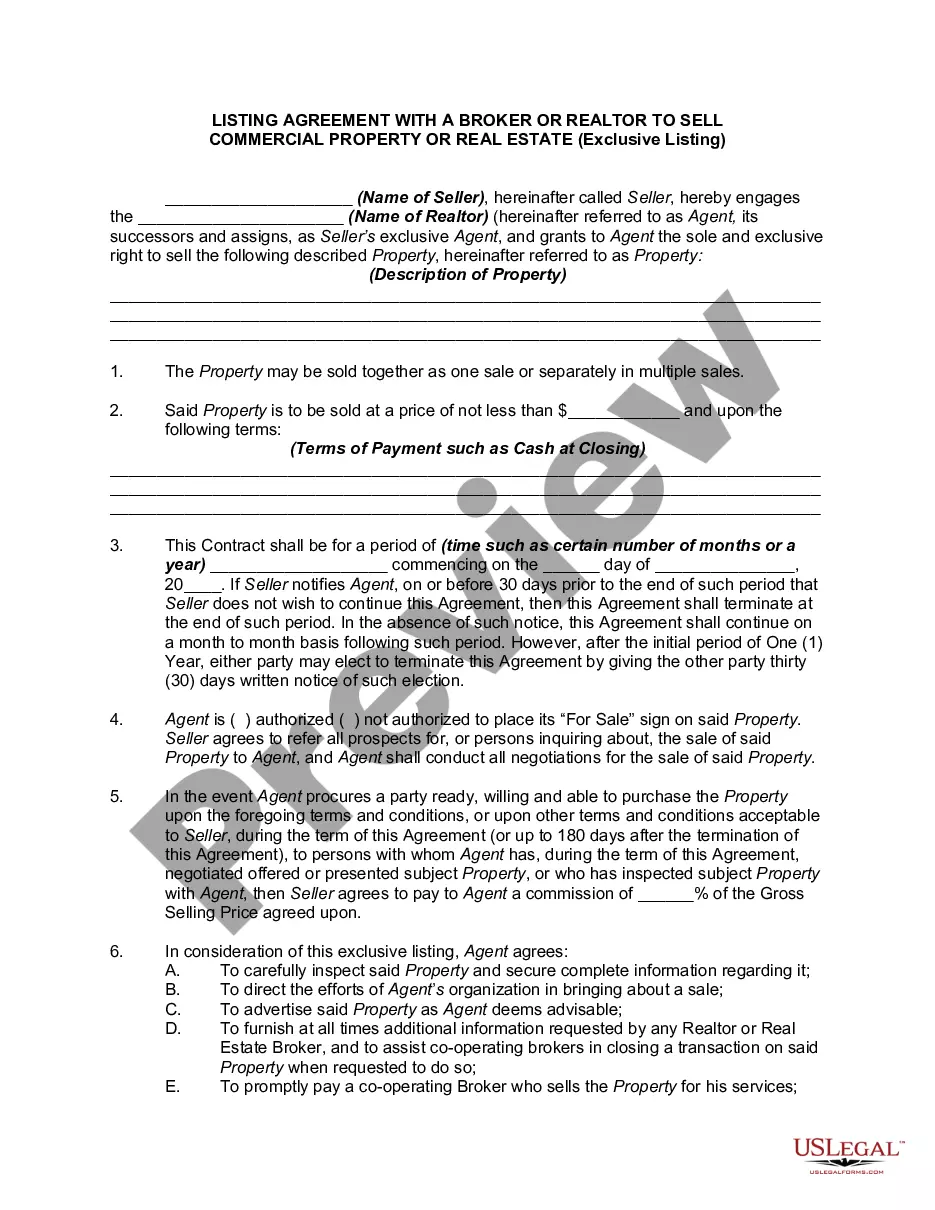
Listing Agreement For Rental Property In Virginia
Description
Get your form ready online
Our built-in tools help you complete, sign, share, and store your documents in one place.
Make edits, fill in missing information, and update formatting in US Legal Forms—just like you would in MS Word.
Download a copy, print it, send it by email, or mail it via USPS—whatever works best for your next step.
Sign and collect signatures with our SignNow integration. Send to multiple recipients, set reminders, and more. Go Premium to unlock E-Sign.
If this form requires notarization, complete it online through a secure video call—no need to meet a notary in person or wait for an appointment.
We protect your documents and personal data by following strict security and privacy standards.

Make edits, fill in missing information, and update formatting in US Legal Forms—just like you would in MS Word.

Download a copy, print it, send it by email, or mail it via USPS—whatever works best for your next step.

Sign and collect signatures with our SignNow integration. Send to multiple recipients, set reminders, and more. Go Premium to unlock E-Sign.

If this form requires notarization, complete it online through a secure video call—no need to meet a notary in person or wait for an appointment.

We protect your documents and personal data by following strict security and privacy standards.
Looking for another form?
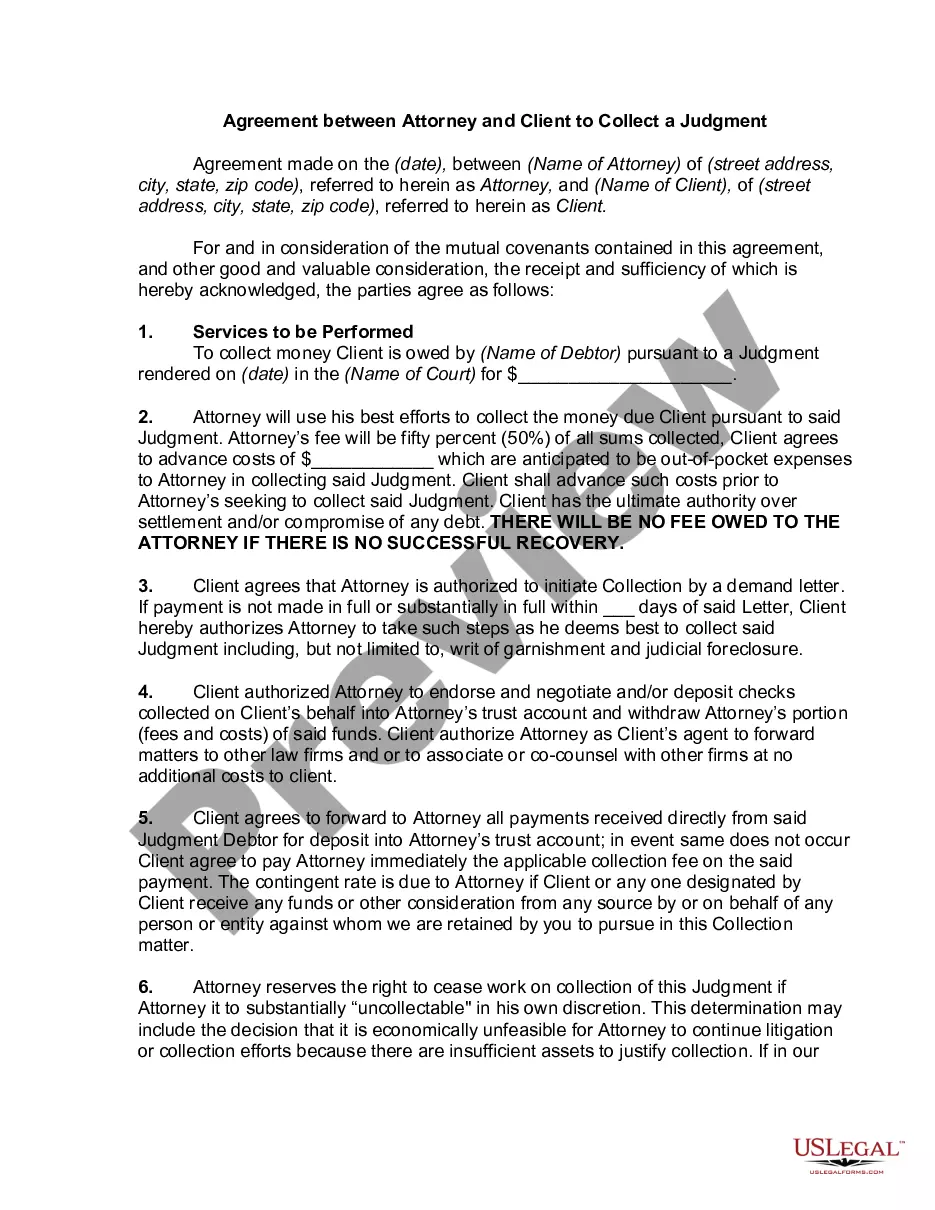
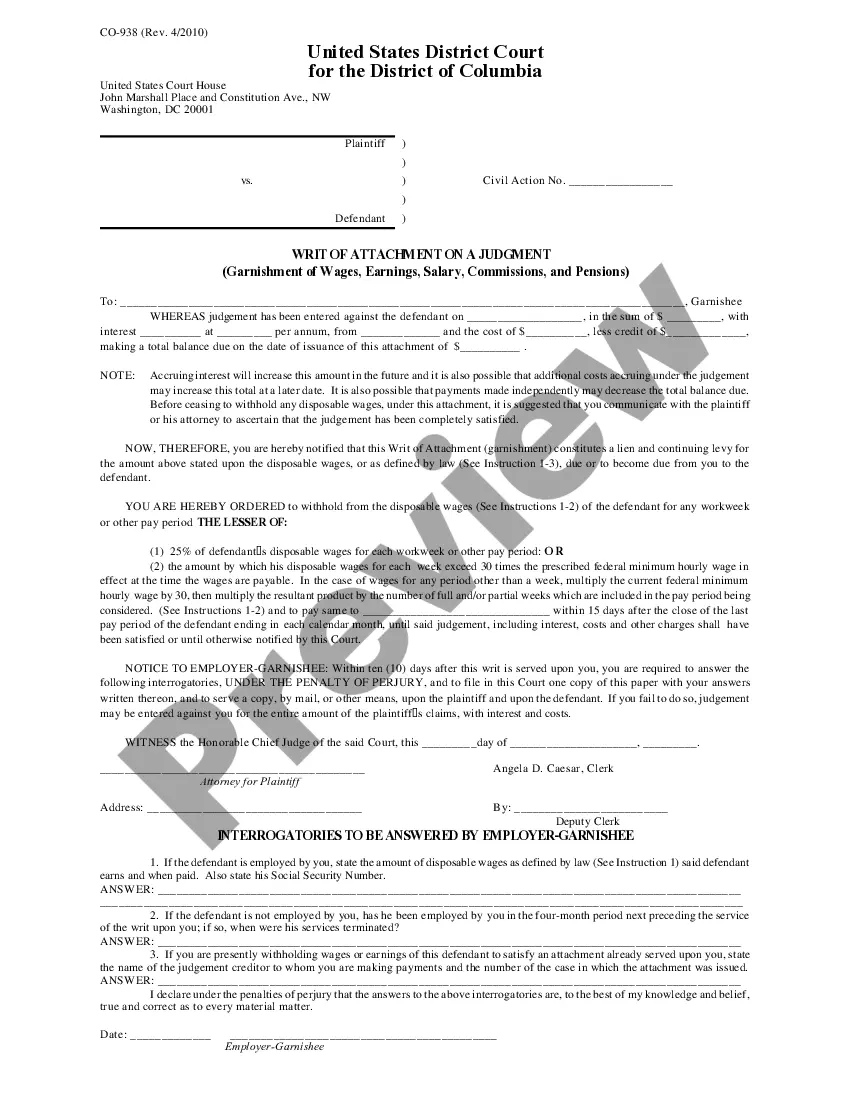
Form popularity
FAQ
Virginia law gives landlords the right to enter a tenant's home to make nonemergency repairs and show the unit to prospective future tenants and potential purchasers, as long as they give the tenant a 24-hour notice.
Yes, that's the response; however, it's crucial to know the legal criteria and processes. Before selling their property, Virginia landlords have to give their tenants written notice and give them a designated period to leave before closing the deal.
The first rule would be to make sure the owner of the house you are renting is actually willing to sell it to you. Renters do not have automatic rights to buy what they are renting. If so, make sure you have a sales agreement that both covers the lease terms while you are leasing, as well as the terms of sale.
Once it is signed by both the landlord and the tenant, the lease is a legally binding contract. If you have any questions about anything in this lease, you should talk to an attorney about the lease before you sign it.
In the case of non-curable violations, the landlord must only present a 30-Day Notice to Quit. In these cases, the tenant must vacate the property within 30 days.
If the property is being sold due to foreclosure, tenants are protected under the Protecting Tenants at Foreclosure Act (PTFA). This law requires the new owner to allow tenants to stay until the end of their lease, and month-to-month tenants must receive at least 90 days' notice before they have to leave.
No, they do not require notarization in Virginia, though the lease must be signed by one party and meet all requirements to be enforceable.
Violation of the lease/rental agreement Landlords and tenants are required to uphold the terms of the lease agreement at all times. In Virginia, landlords can evict tenants for a lease violation. The landlord must give tenants a 30-Day Notice to Comply, which provides them with 21 days to fix the issue.
Starting July 1, 2020, all landlords must offer the Statement of Tenant Rights and Responsibilities to any prospective tenant. Both the landlord and tenant must sign a form at the end of the statement acknowledging that the tenant has received from the landlord the statement of tenant rights and responsibilities.