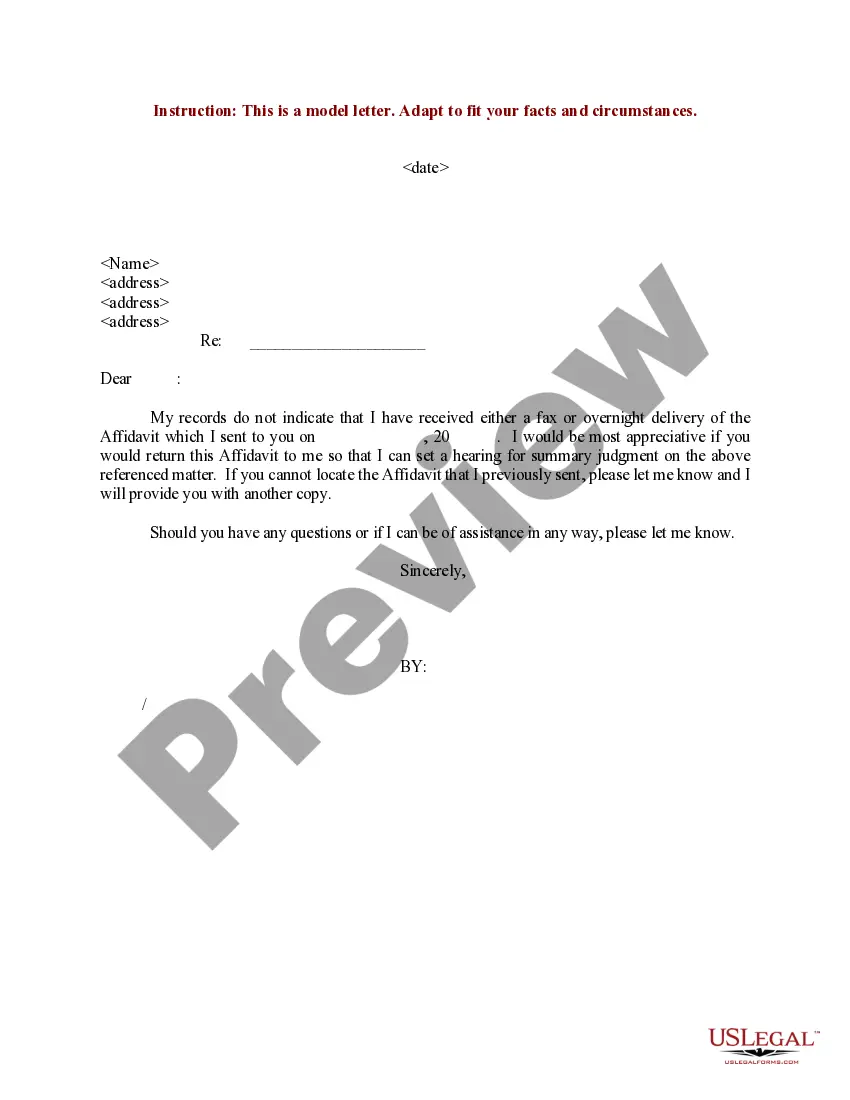
Right To Sell Is Known As In Michigan
Description

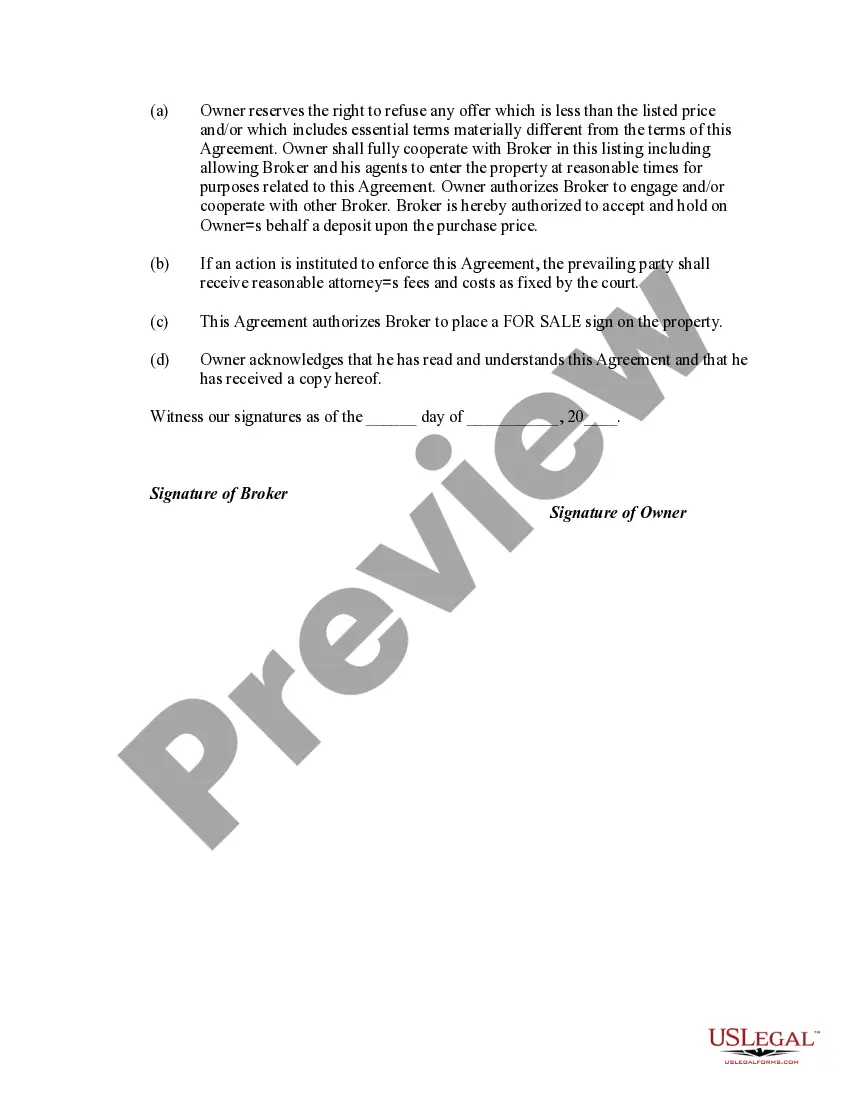

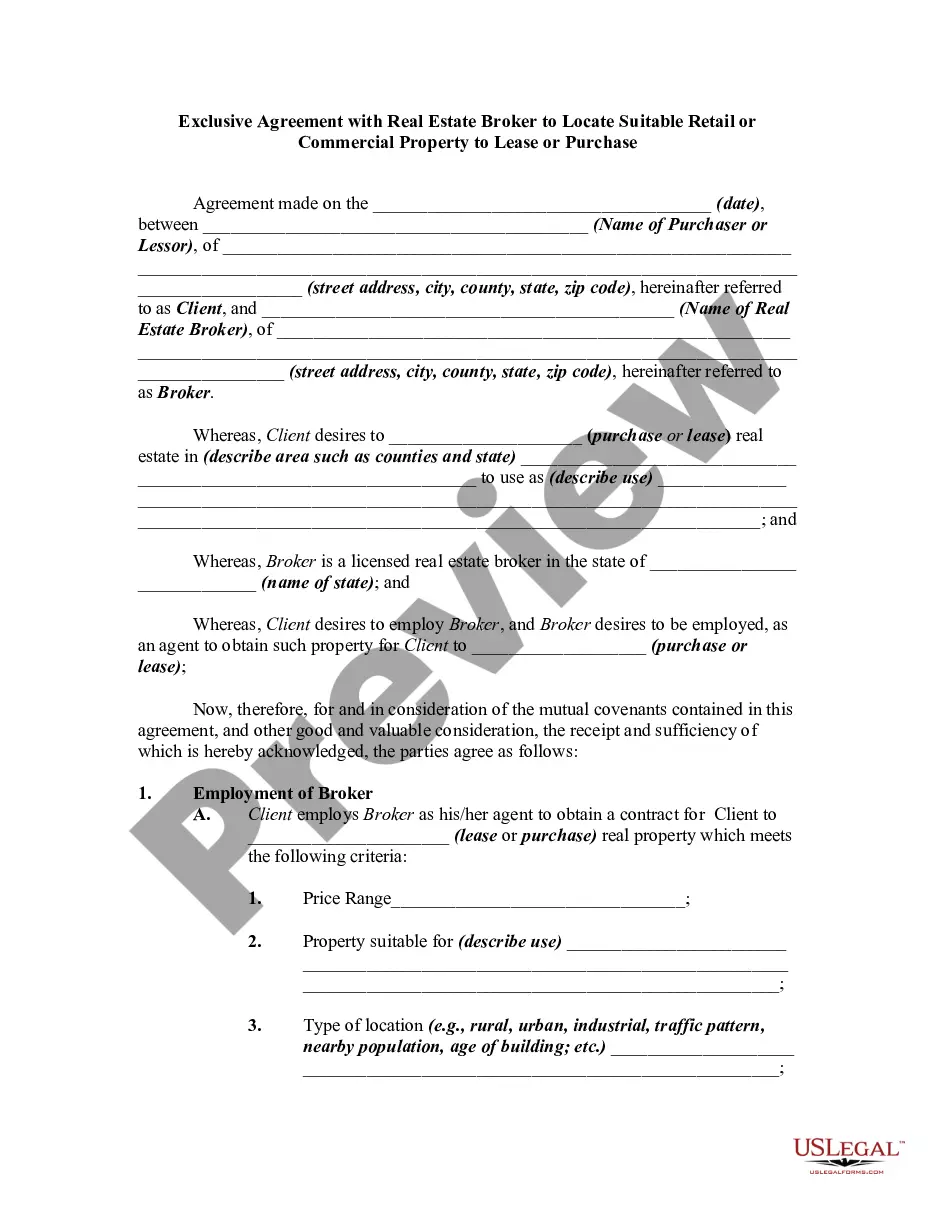
Get your form ready online
Our built-in tools help you complete, sign, share, and store your documents in one place.
Make edits, fill in missing information, and update formatting in US Legal Forms—just like you would in MS Word.
Download a copy, print it, send it by email, or mail it via USPS—whatever works best for your next step.
Sign and collect signatures with our SignNow integration. Send to multiple recipients, set reminders, and more. Go Premium to unlock E-Sign.
If this form requires notarization, complete it online through a secure video call—no need to meet a notary in person or wait for an appointment.
We protect your documents and personal data by following strict security and privacy standards.

Make edits, fill in missing information, and update formatting in US Legal Forms—just like you would in MS Word.

Download a copy, print it, send it by email, or mail it via USPS—whatever works best for your next step.

Sign and collect signatures with our SignNow integration. Send to multiple recipients, set reminders, and more. Go Premium to unlock E-Sign.

If this form requires notarization, complete it online through a secure video call—no need to meet a notary in person or wait for an appointment.

We protect your documents and personal data by following strict security and privacy standards.
Looking for another form?
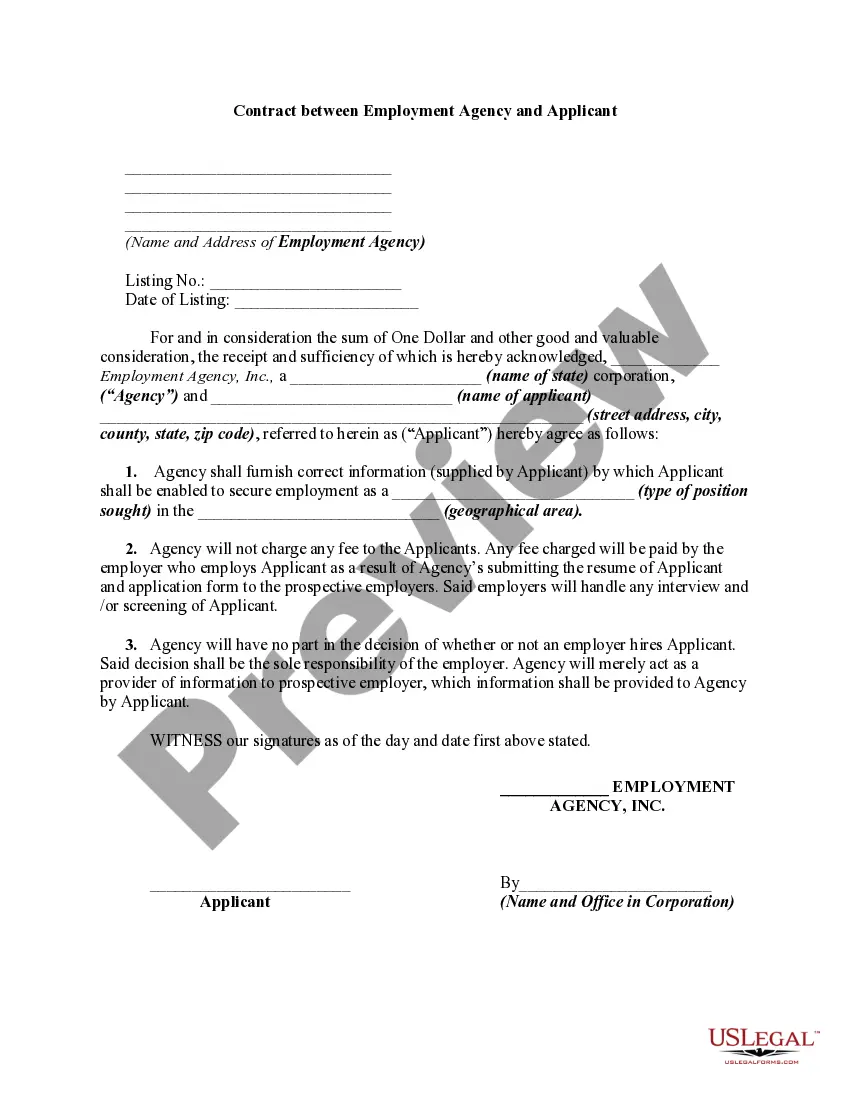




Form popularity
FAQ
Michigan courts have held that the First Amendment protects the use of a person's name or likeness when the use is newsworthy or otherwise a matter of “legitimate public concern.” Michigan sits within the Sixth Circuit Court of Appeals, which has applied the “Rogers/relatedness/Restatement Test” to evaluate First ...
The tort of invasion of privacy is based on a common-law right to privacy, and is said to protect against four types of invasion of privacy: 1) intrusion upon the plaintiff's seclusion or solitude, or into his private affairs; 2) public disclosure of embarrassing or private facts; 3) publicity that places the plaintiff ...
UCC § 2-309 (2002), codified in Michigan at MCL 440.2309, provides that termination by one party (except on the happening of an agreed event) requires “reasonable no- tification” to the other party, or enough time to seek a “sub- stitute arrangement.”1 Thus, courts will generally enforce an automatic renewal provision ...
Illinois supplanted the common law right of publicity by enacting the Illinois Right of Publicity Act (IRPA) back in 1999. IRPA provides an individual the "right to control and to choose whether and how to use an individual's identity for commercial purposes." 765 ILCS 1075/10.
The right of a natural person to control the commercial exploitation of their identity and prevent its unauthorized commercial appropriation by others. Protected aspects of identity can include a person's: Name.
445.903 Unfair, unconscionable, or deceptive methods, acts, or practices in conduct of trade or commerce; rules; applicability of subsection (1)(hh).
Michigan law requires real estate licensees who are acting as agents of sellers or buyers of real property to advise the potential sellers or buyers with whom they work of the nature of their agency relationship. A seller's agent, under a listing agreement with the seller, acts solely on behalf of the seller.
The road right-of-way is generally 66 feet (33 feet on either side of the center line of the road). Rights-of-way may be narrower or wider in certain situations.
Simply attaching the name to a product can constitute commercial exploitation. The U.S. Court of Appeals for the Sixth Circuit recognizes Michigan's right of publicity as a property right as opposed to a dignitary right, which means that the right survives the death of the person.
Unlike some states, Michigan does not require that sellers involve a lawyer in the house-selling transaction. Even if it's not required, you might decide to engage a lawyer at some point in the process—for example, to review the final contract or to assist with closing details.