Right To Sell Property In Illinois
Description

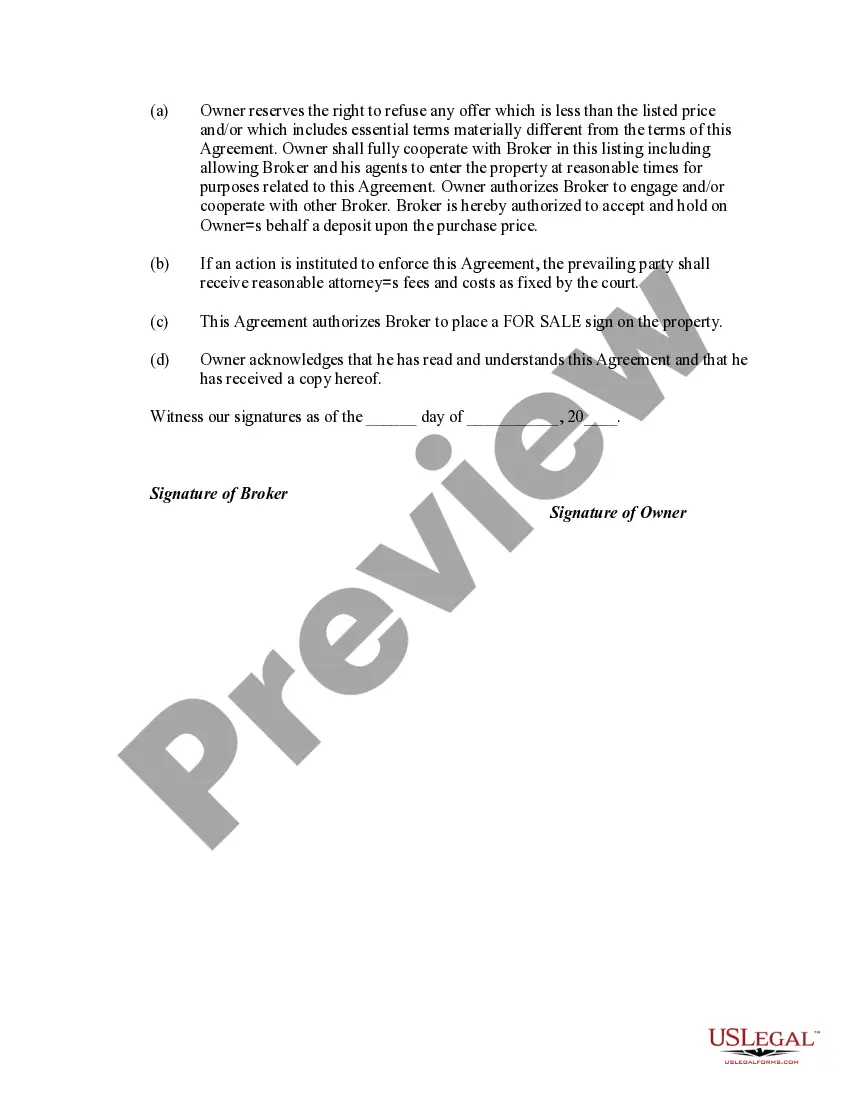

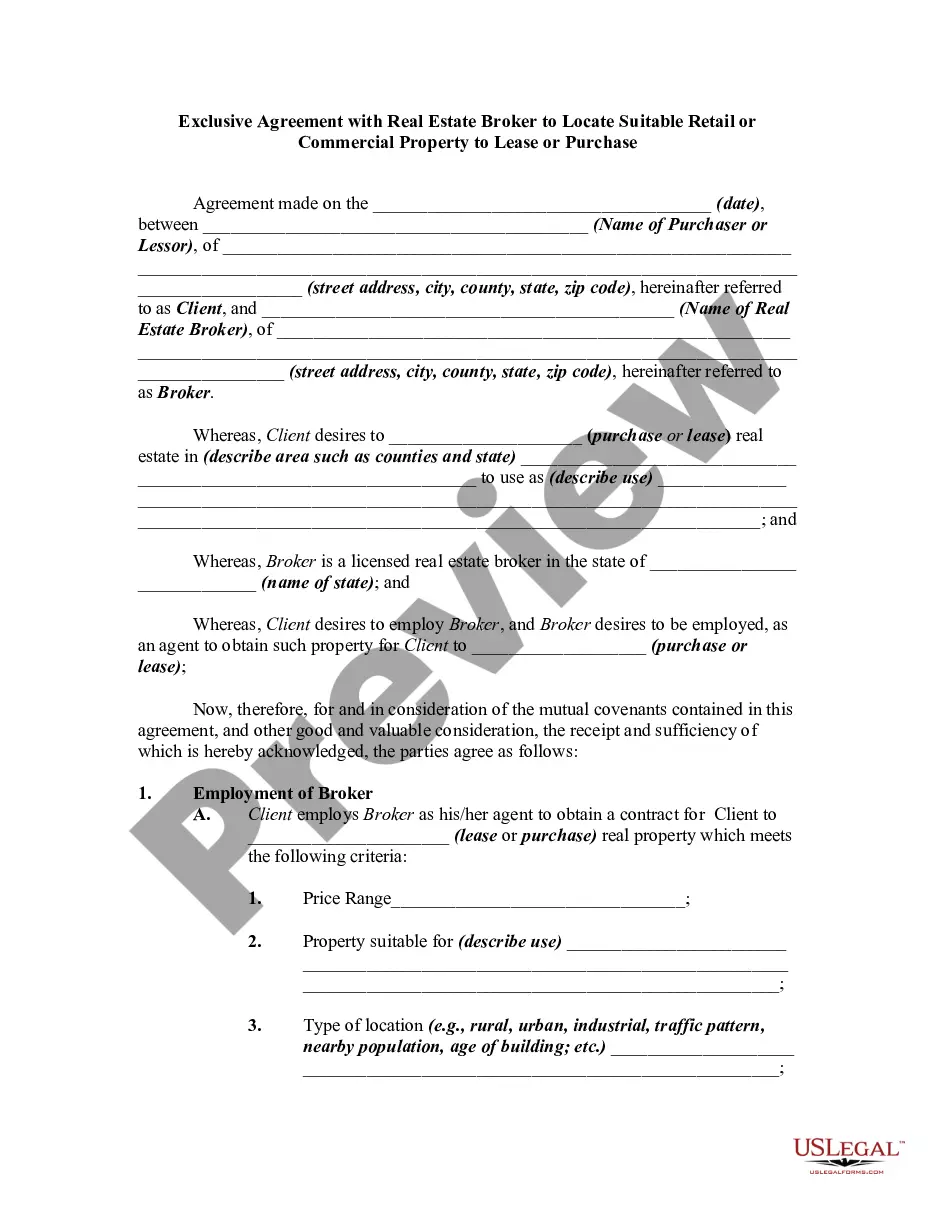
Get your form ready online
Our built-in tools help you complete, sign, share, and store your documents in one place.
Make edits, fill in missing information, and update formatting in US Legal Forms—just like you would in MS Word.
Download a copy, print it, send it by email, or mail it via USPS—whatever works best for your next step.
Sign and collect signatures with our SignNow integration. Send to multiple recipients, set reminders, and more. Go Premium to unlock E-Sign.
If this form requires notarization, complete it online through a secure video call—no need to meet a notary in person or wait for an appointment.
We protect your documents and personal data by following strict security and privacy standards.

Make edits, fill in missing information, and update formatting in US Legal Forms—just like you would in MS Word.

Download a copy, print it, send it by email, or mail it via USPS—whatever works best for your next step.

Sign and collect signatures with our SignNow integration. Send to multiple recipients, set reminders, and more. Go Premium to unlock E-Sign.

If this form requires notarization, complete it online through a secure video call—no need to meet a notary in person or wait for an appointment.

We protect your documents and personal data by following strict security and privacy standards.
Looking for another form?



Form popularity
FAQ
In general, a Letter of Intent document should include the following information: The names and addresses of all parties involved. The fundamental details of the arrangement. The closing date or deadline for signing a binding agreement.
However, the most important documents in real estate are offers, agreements, and contracts between the buyer and seller.
Here are 10 tips for building your own successful sales letter. Consider headlines and photos. Use a fitting salutation. Start your letter strong. Introduce your offer on page one. Break your first page mid-sentence. Fill the letter with specific details. Make your letter as long as it needs to be.
The main difference is that a cover letter will typically talk more about your achievements and work experience, while a letter of intent will talk more about what you can do for a company.
In short, to force the sale of jointly owned property, you must first confirm title, then attempt a voluntary sale or buyout, file and serve a partition lawsuit, get an appraisal, sell the property, and finally divide the sale proceeds fairly.
Hiring someone to help you is not legally required, but a real estate agent and a lawyer can help you avoid serious mistakes and get the most out of your home sale.
So, do all heirs have to agree to sell the property in Illinois? No, but it's ideal for all owners to be on the same page regarding the sale.
So, do all heirs have to agree to sell the property in Illinois? No, but it's ideal for all owners to be on the same page regarding the sale.
When you sign this Agreement, you grant that agent the exclusive right to market, list, and sell your home for a specified period, usually 2-6 months. This means a few important things: You cannot hire another broker or agent to sell your home during the contract term.
Illinois' “per stirpes” law dictates that half of the estate passes to the surviving spouse while the other half is divided among children, grandchildren, and great-grandchildren. If there is no surviving spouse, the entire estate passes to the deceased's children.