Right To Sell In California
Description

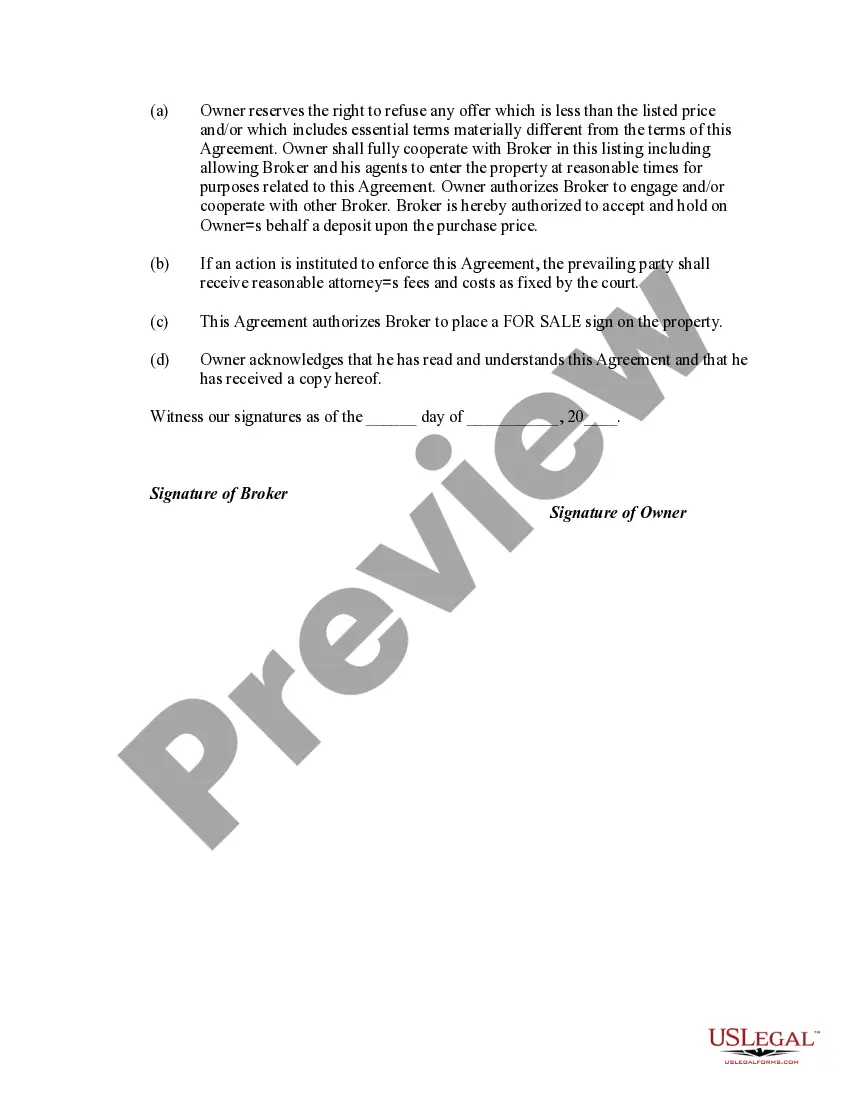

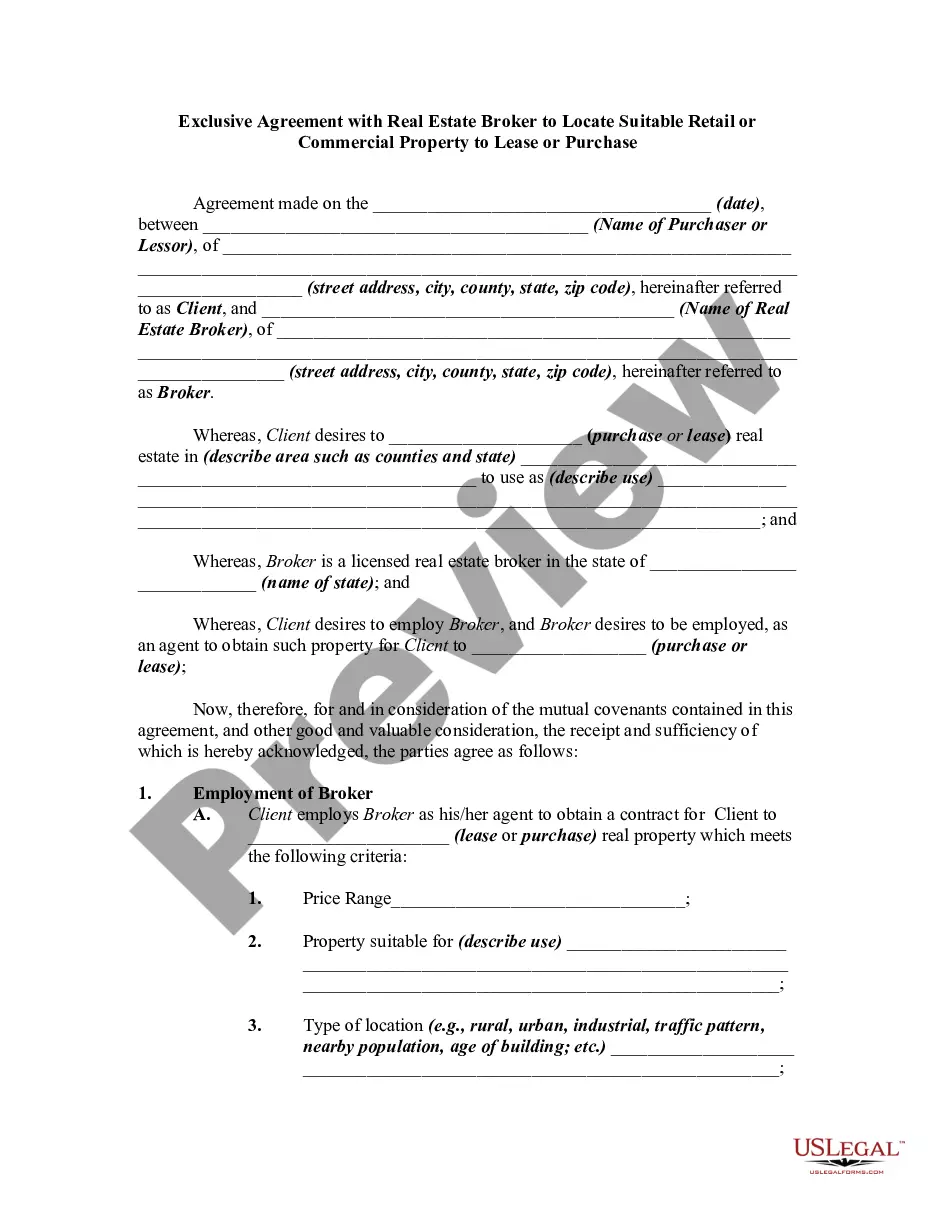
Get your form ready online
Our built-in tools help you complete, sign, share, and store your documents in one place.
Make edits, fill in missing information, and update formatting in US Legal Forms—just like you would in MS Word.
Download a copy, print it, send it by email, or mail it via USPS—whatever works best for your next step.
Sign and collect signatures with our SignNow integration. Send to multiple recipients, set reminders, and more. Go Premium to unlock E-Sign.
If this form requires notarization, complete it online through a secure video call—no need to meet a notary in person or wait for an appointment.
We protect your documents and personal data by following strict security and privacy standards.

Make edits, fill in missing information, and update formatting in US Legal Forms—just like you would in MS Word.

Download a copy, print it, send it by email, or mail it via USPS—whatever works best for your next step.

Sign and collect signatures with our SignNow integration. Send to multiple recipients, set reminders, and more. Go Premium to unlock E-Sign.

If this form requires notarization, complete it online through a secure video call—no need to meet a notary in person or wait for an appointment.

We protect your documents and personal data by following strict security and privacy standards.
Looking for another form?








Form popularity
FAQ
You must obtain a seller's permit if you: Are engaged in business in California and. Intend to sell or lease tangible personal property that would ordinarily be subject to sales tax if sold at retail.
A seller's permit is required if you are engaged in business in California, intend to sell or lease tangible personal property that would ordinarily be subject to sales tax if sold at retail (this includes wholesalers, manufacturers, and retailers), or will make sales for a temporary period, normally lasting no longer ...
Each partner, corporate officer, and limited liability company manager/member/officer, must also provide the above information. Typically a Seller's Permit will be issued within 14 days if the application is received by mail. It can be acquired the same day, if applied for in person.
Sellers are required to disclose property information to the realtor and potential buyers based on state and local laws. A disclosure document details a property's condition and what might negatively affect its value. Sellers who willfully conceal information can be sued and potentially convicted of a crime.
"Exclusive right to sell listing agreement" means a listing agreement whereby the owner grants to a seller's agent, for a specified period of time, the exclusive right to sell, find, or obtain a buyer for the real property, and the seller's agent is entitled to the agreed compensation if, during that period of time, ...
California real estate law requires sellers to disclose all known material facts about a property that could impact its value, even in “as-is” sales. While most sellers must complete detailed forms like the Transfer Disclosure Statement (TDS), some may qualify for exemptions under specific circumstances.
Post-sale statute of limitations for liabilities In real estate, the majority of liability claims fall under the civil statutes of limitations category. Here are a few examples of the statute of limitation periods in five states: California: 4 years for written contracts, 3 years for property damage.
Having bad neighbors is not a required disclosure. Defects (fixed or unfixed) in the actual property being sold are required to be disclosed. Sometimes neighbor issues are obvious, like if the neighbor's property is in disrepair, they have broken down cars parked in the yard, etc.
Nexus in California can be of different types: Physical nexus, Economic nexus, Trailing nexus, Marketplace nexus. You will have physical nexus here if you have a physical presence, such as through a store or through employees. You will have economic nexus here if your sales to California exceed $500,000.
You must provide the following to receive a seller's permit: Your social security number (corporate officers excluded) Your date of birth. Your driver's license number, state ID number, or other ID (e.g., passport, military ID)
