Right To Sell In Allegheny
Description


Get your form ready online
Our built-in tools help you complete, sign, share, and store your documents in one place.
Make edits, fill in missing information, and update formatting in US Legal Forms—just like you would in MS Word.
Download a copy, print it, send it by email, or mail it via USPS—whatever works best for your next step.
Sign and collect signatures with our SignNow integration. Send to multiple recipients, set reminders, and more. Go Premium to unlock E-Sign.
If this form requires notarization, complete it online through a secure video call—no need to meet a notary in person or wait for an appointment.
We protect your documents and personal data by following strict security and privacy standards.

Make edits, fill in missing information, and update formatting in US Legal Forms—just like you would in MS Word.

Download a copy, print it, send it by email, or mail it via USPS—whatever works best for your next step.

Sign and collect signatures with our SignNow integration. Send to multiple recipients, set reminders, and more. Go Premium to unlock E-Sign.

If this form requires notarization, complete it online through a secure video call—no need to meet a notary in person or wait for an appointment.

We protect your documents and personal data by following strict security and privacy standards.
Looking for another form?








Form popularity
FAQ
The right of redemption is reserved for homeowners whose property has been sold in a sheriff's sale because of unpaid real estate taxes in Pennsylvania. If your home was foreclosed upon and sold because of unpaid mortgage payments, you will not have a right of redemption.
One of the easiest ways to stop a sheriff's sale in Philadelphia is to file for bankruptcy. Once you do, an automatic stay will go into effect, stopping creditors' debt-collection efforts, including a sheriff's sale. If you file for Chapter 13 bankruptcy, your property will be unaffected.
A Sheriff Sale can be stopped by (1) the writ being stayed –that is all proceedings involving the sale of property is stopped; (2) a court order; (3) a bankruptcy being filed. (4) payment of the full amount due in full.
Tenants who live in recently foreclosed-upon properties can typically stay there until their leases are over in Pennsylvania. If the new owner has standing to evict residents after a sheriff's sale, they must give residents a 90-day notice to vacate.
A Sheriff Sale can be stopped by (1) the writ being stayed –that is all proceedings involving the sale of property is stopped; (2) a court order; (3) a bankruptcy being filed. (4) payment of the full amount due in full.
Pursuant to 3129.3, a Sheriff Sale may be continued, postponed, or adjourned to a certain sale date two times within the 130 days of the originally scheduled sale. Properties may be removed at any time, by proper authority.
The Pennsylvania Right-to-Know Law allows the public to inspect and/or obtain copies of Allegheny County Sheriff's public records. You may file a Right-to-Know request: Email – Form at bottom of this page. Mail – 436 Grant Street, Courthouse 111, Pittsburgh, PA 15219, ATTN RTK.
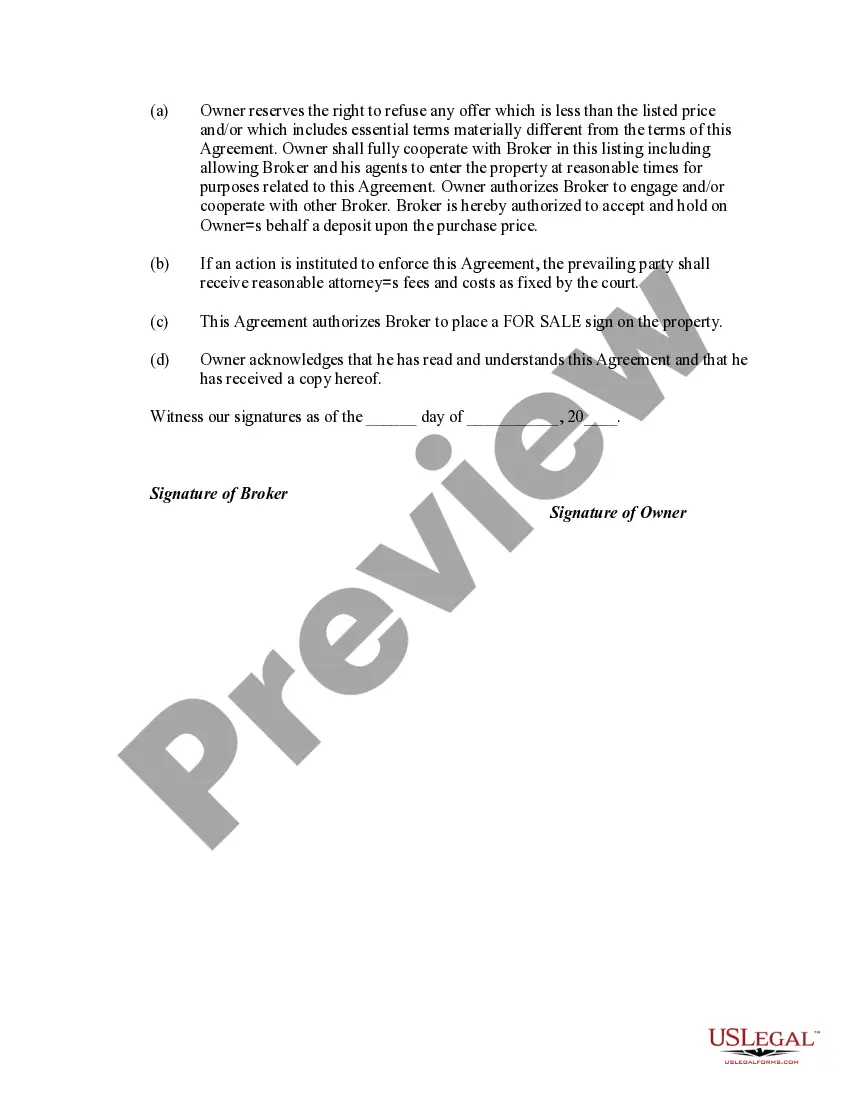
(4) In the case of an exclusive right-to-sell agreement, a statement in bold face type that the broker earns a commission on the sale of the property during the listing period by whomever made, including the owner.
