Property Lines For My House In Virginia
Description


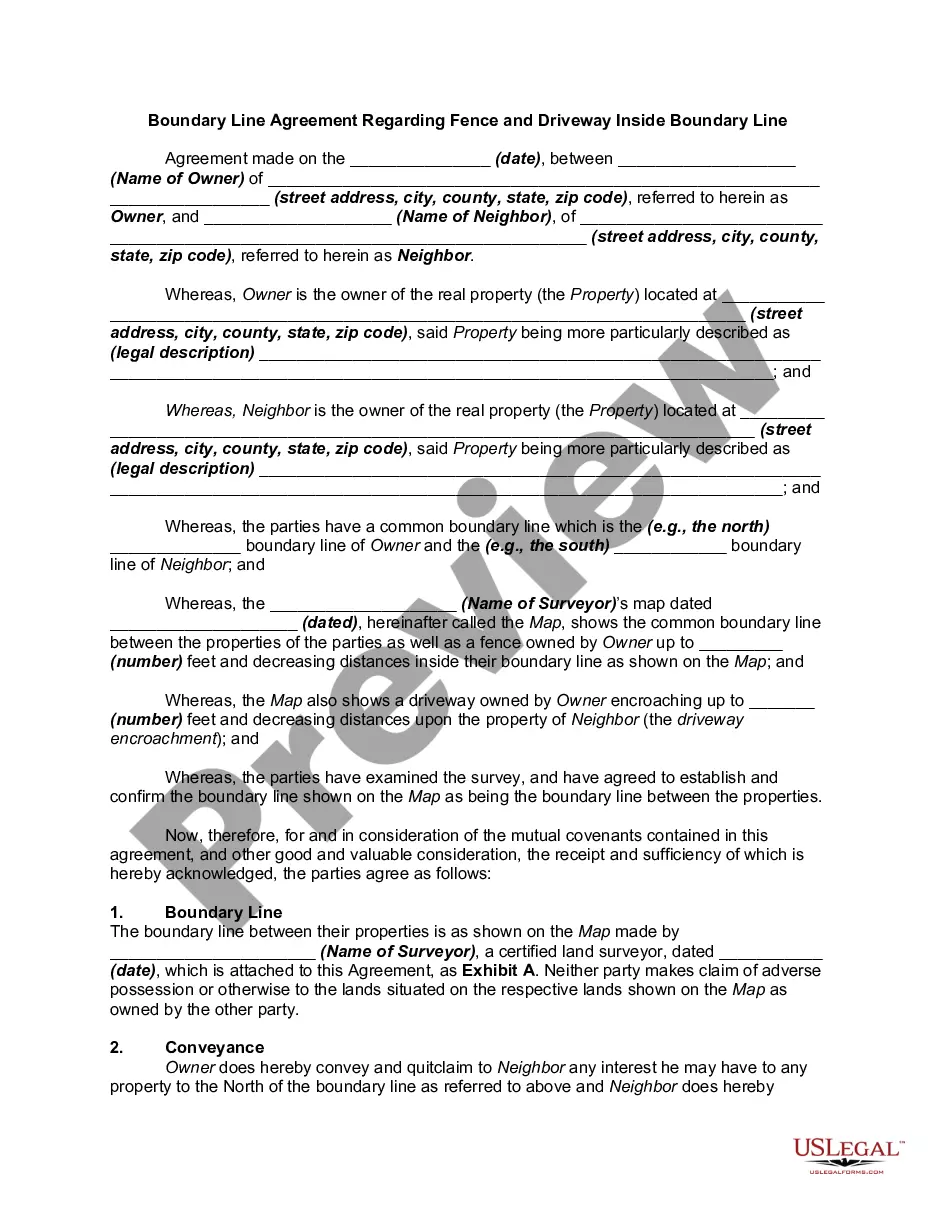
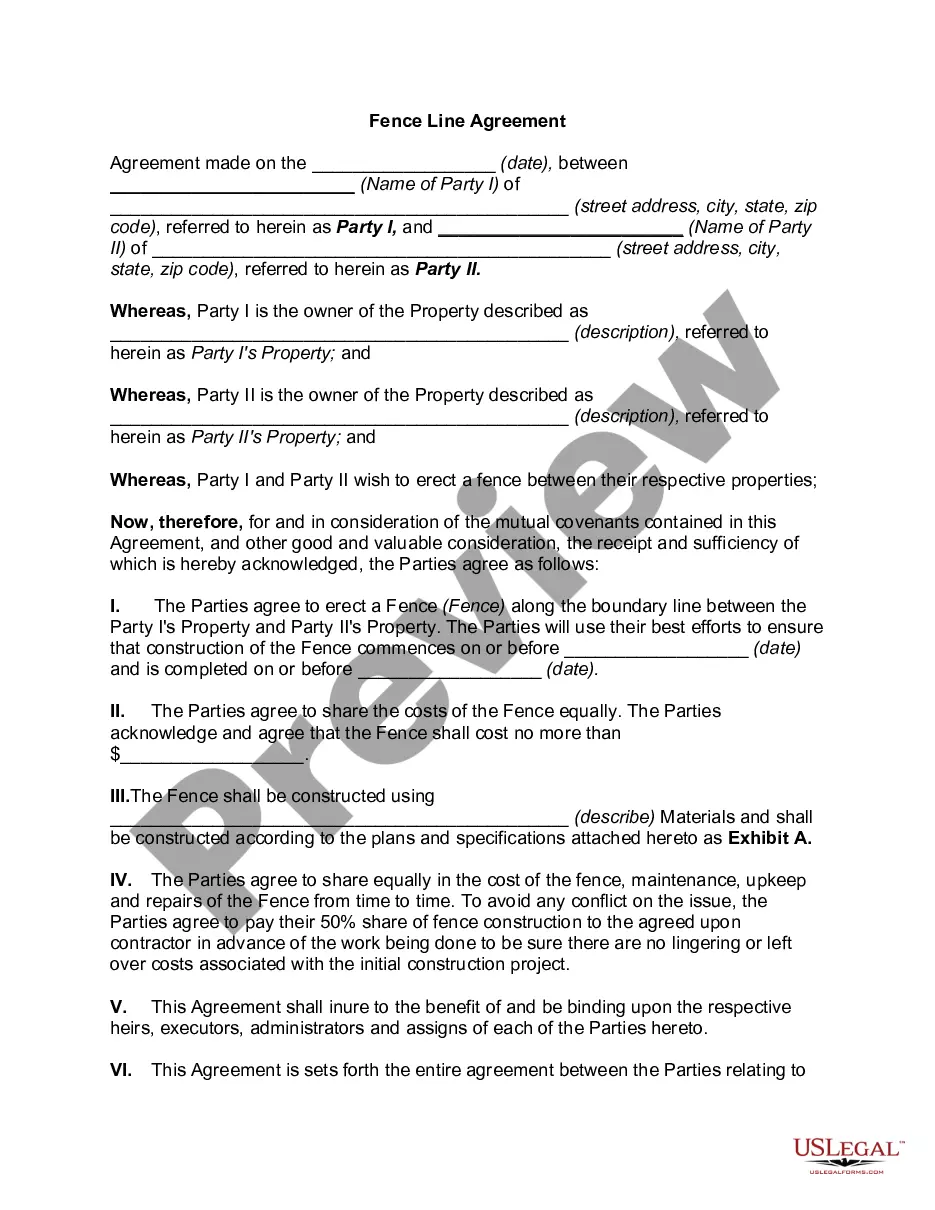
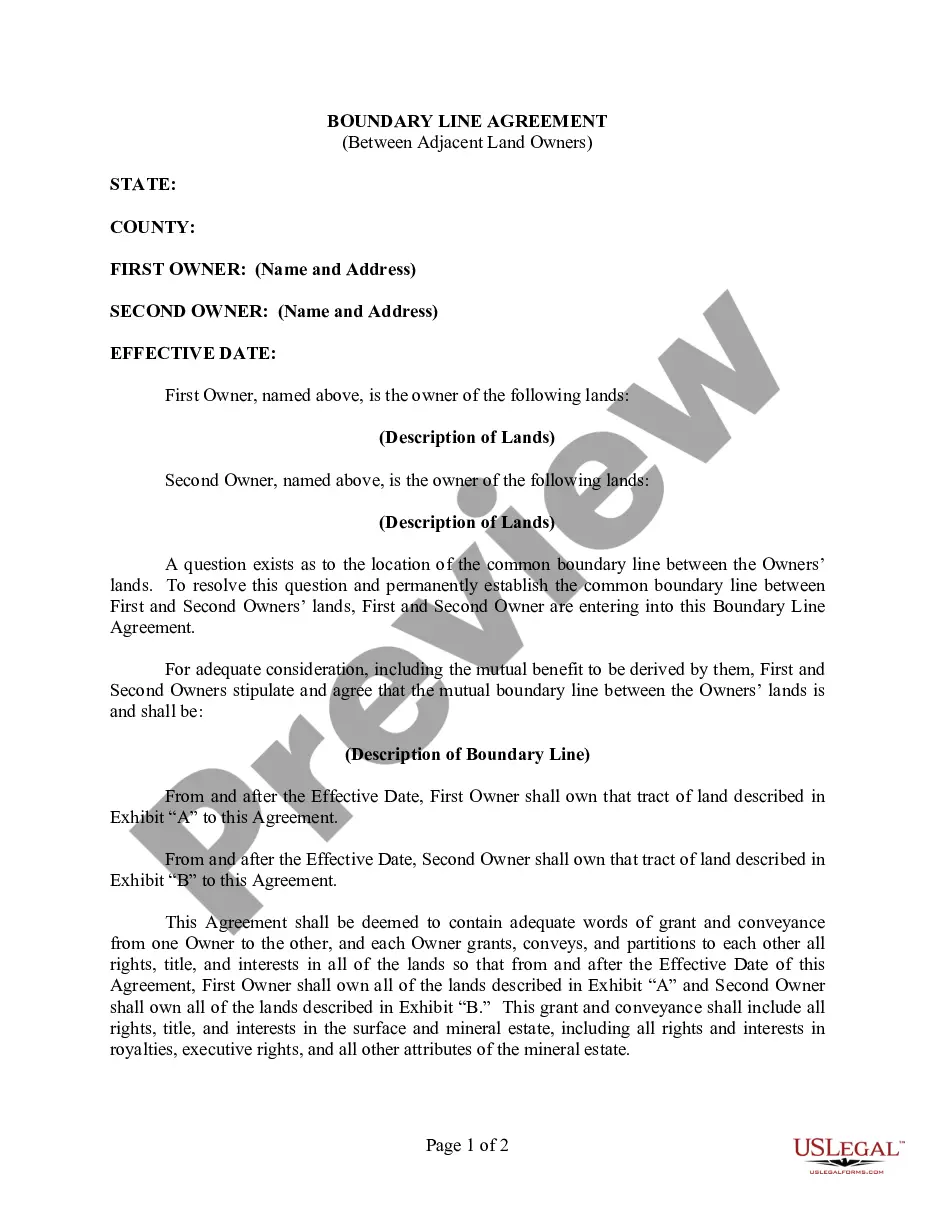
Get your form ready online
Our built-in tools help you complete, sign, share, and store your documents in one place.
Make edits, fill in missing information, and update formatting in US Legal Forms—just like you would in MS Word.
Download a copy, print it, send it by email, or mail it via USPS—whatever works best for your next step.
Sign and collect signatures with our SignNow integration. Send to multiple recipients, set reminders, and more. Go Premium to unlock E-Sign.
If this form requires notarization, complete it online through a secure video call—no need to meet a notary in person or wait for an appointment.
We protect your documents and personal data by following strict security and privacy standards.

Make edits, fill in missing information, and update formatting in US Legal Forms—just like you would in MS Word.

Download a copy, print it, send it by email, or mail it via USPS—whatever works best for your next step.

Sign and collect signatures with our SignNow integration. Send to multiple recipients, set reminders, and more. Go Premium to unlock E-Sign.

If this form requires notarization, complete it online through a secure video call—no need to meet a notary in person or wait for an appointment.

We protect your documents and personal data by following strict security and privacy standards.
Looking for another form?







Form popularity
FAQ
§ 55.1-2821. Adjoining landowners shall build and maintain, at their joint and equal expense, division fences between their lands, unless one of them shall choose to let his land lie open or unless they shall otherwise agree between themselves.
The owner or lessee of property described in § 18.2-134 may post property by (i) placing signs prohibiting hunting, fishing or trapping where they may reasonably be seen; or (ii) placing identifying paint marks on trees or posts at each road entrance and adjacent to public roadways and public waterways adjoining the ...
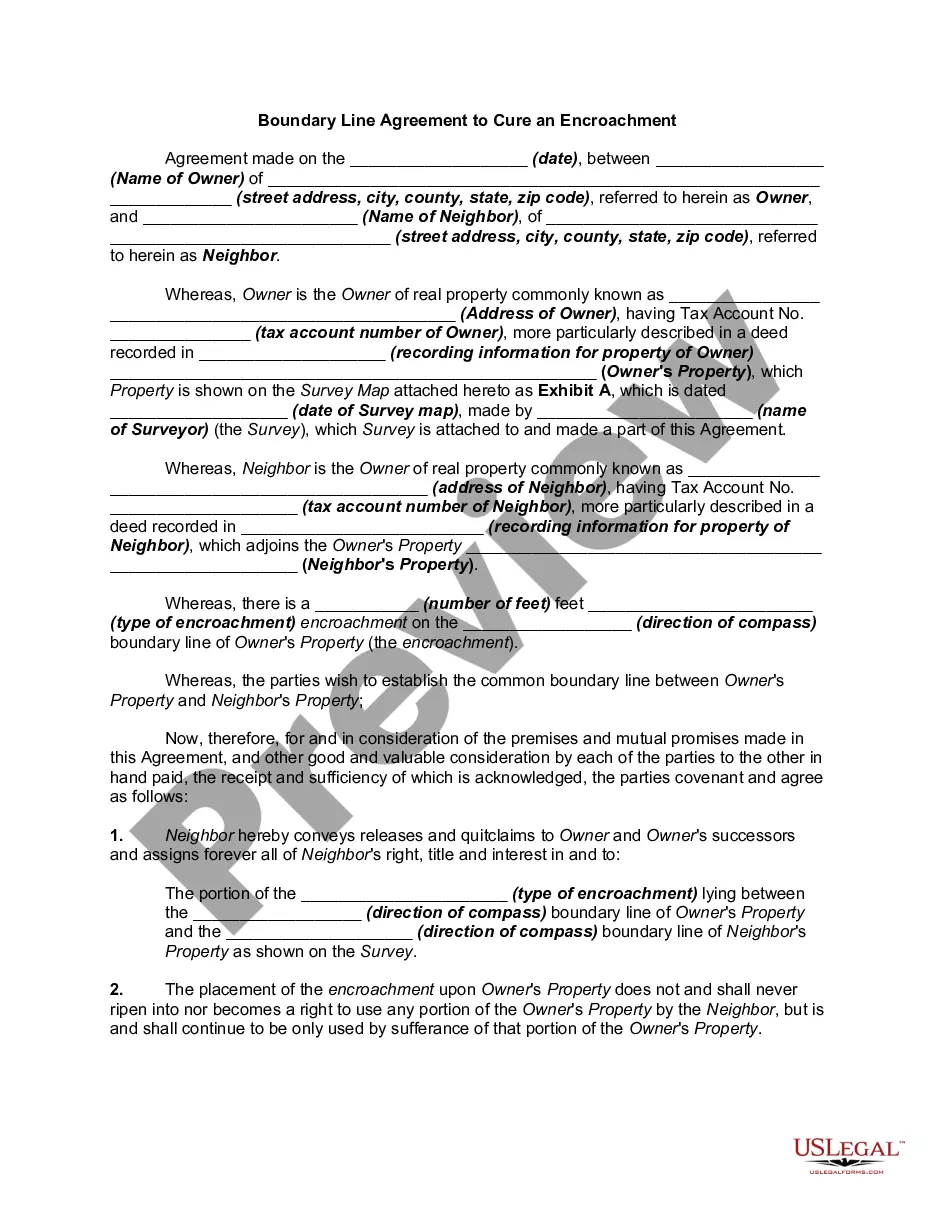
If a fence is built on a property line, both owners are responsible for maintaining it. It's always a good idea to check your local laws and regulations, as well as any agreements or contracts that may be in place, to determine who is responsible for fence maintenance in your specific situation.
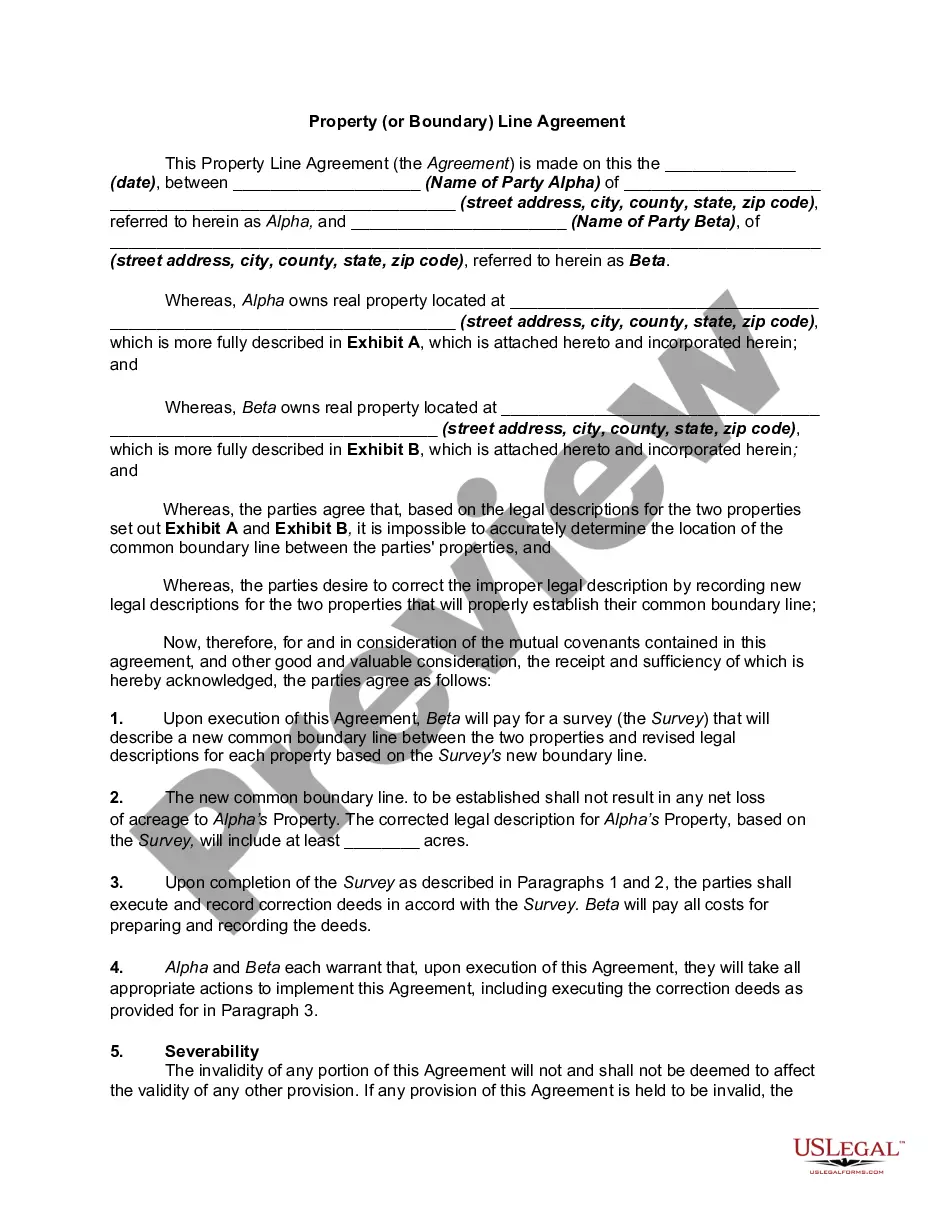
§ 15.2-3106. Whenever any two or more localities wish to relocate or change the boundary line between them, the governing bodies of such localities may, by agreement, establish, relocate or change such boundary line between them. 1977, c. 277, § 15.1-1031.1; 1983, c.
Building setbacks range from 6' to 20' feet from side property lines. Anything over 256 square feet requires a building permit from the city and a property survey.
LandGlide is a premier property data solution, giving you the most advanced and comprehensive parcel data and property line maps. LandGlide enables real estate agents, developers, land surveyors, appraisers and many other professionals to locate relevant property data.
Here are the most common ways to find them: Check Google Maps. This one is the quickest and easiest way to establish where your property lines are. Hire a surveyor. Check online property records. Look for physical markers on your property. Check your property deed. Check a plat map. Review your property survey.
Copies of the Land Book are kept in our office, the Treasurer's Office and the Clerk of the Circuit Court's Office. Anyone may examine the books to compare assessments and taxes of properties. For each parcel of real estate, the name of the owner, the amount of the assessment and the taxes levied are also recorded.
How can I determine my property line? Your deed will have a legal description of the boundary of your property, but you need a surveyor to use this information to locate the property lines and place markers on the land.
How Do I Find My Property Line? Review Your Property Deed. Review Your Property's Survey Plan. Search for Boundary Markers. Hire a Professional Surveyor. Talk to Your Neighbours. Prioritize Open and Respectful Communication. Consider a Boundary Line Agreement. Confirm Your Legal Obligations and Property Line.
