Boundary In Lines In Santa Clara
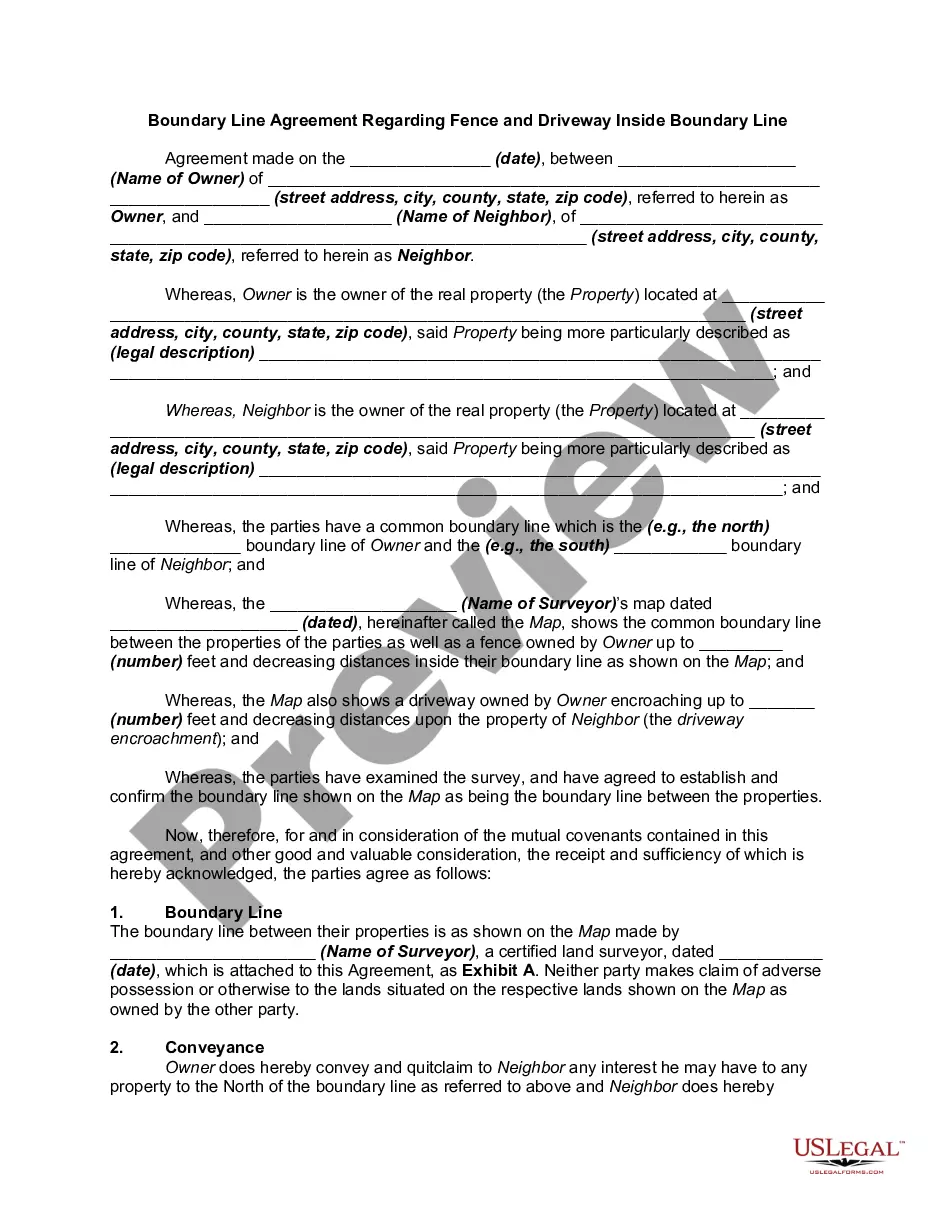
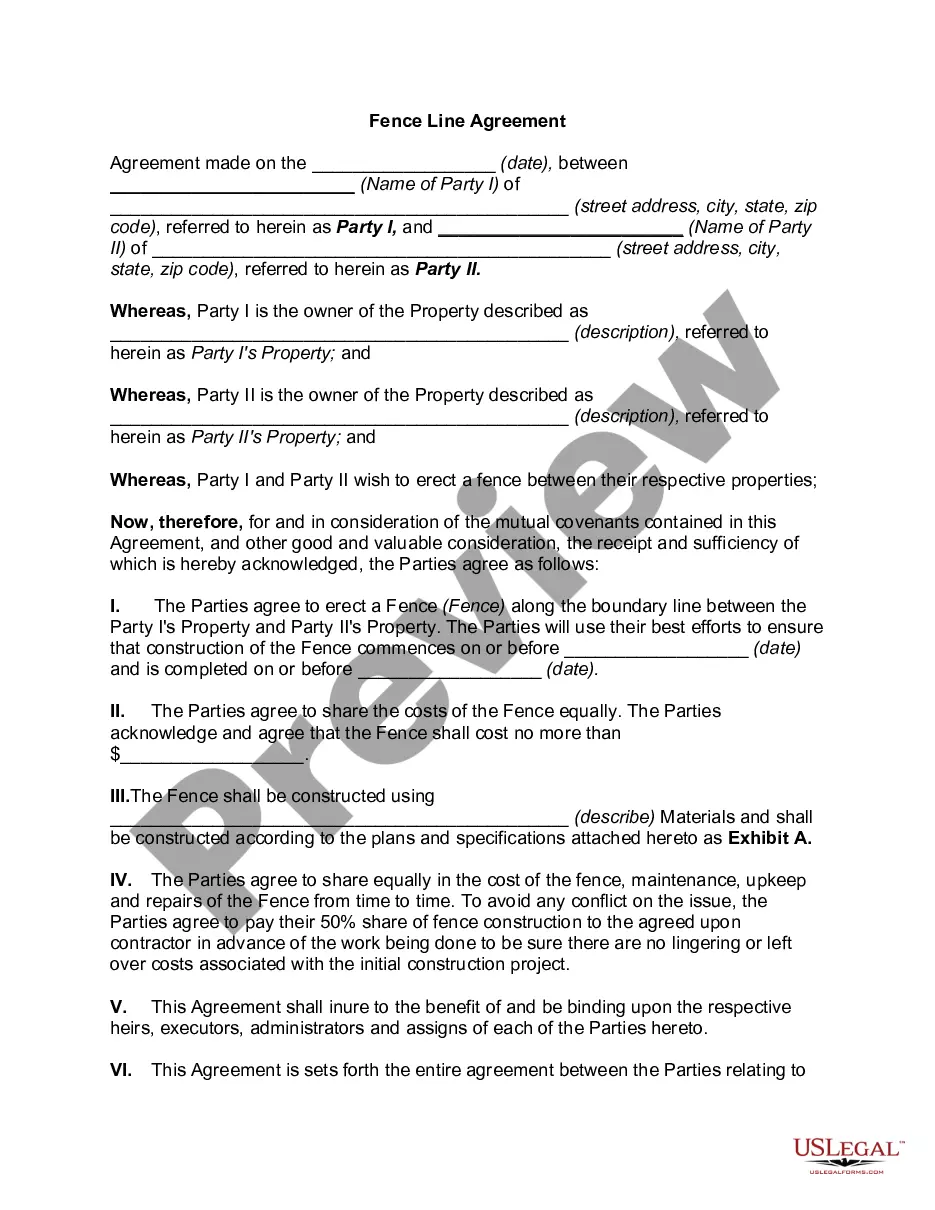
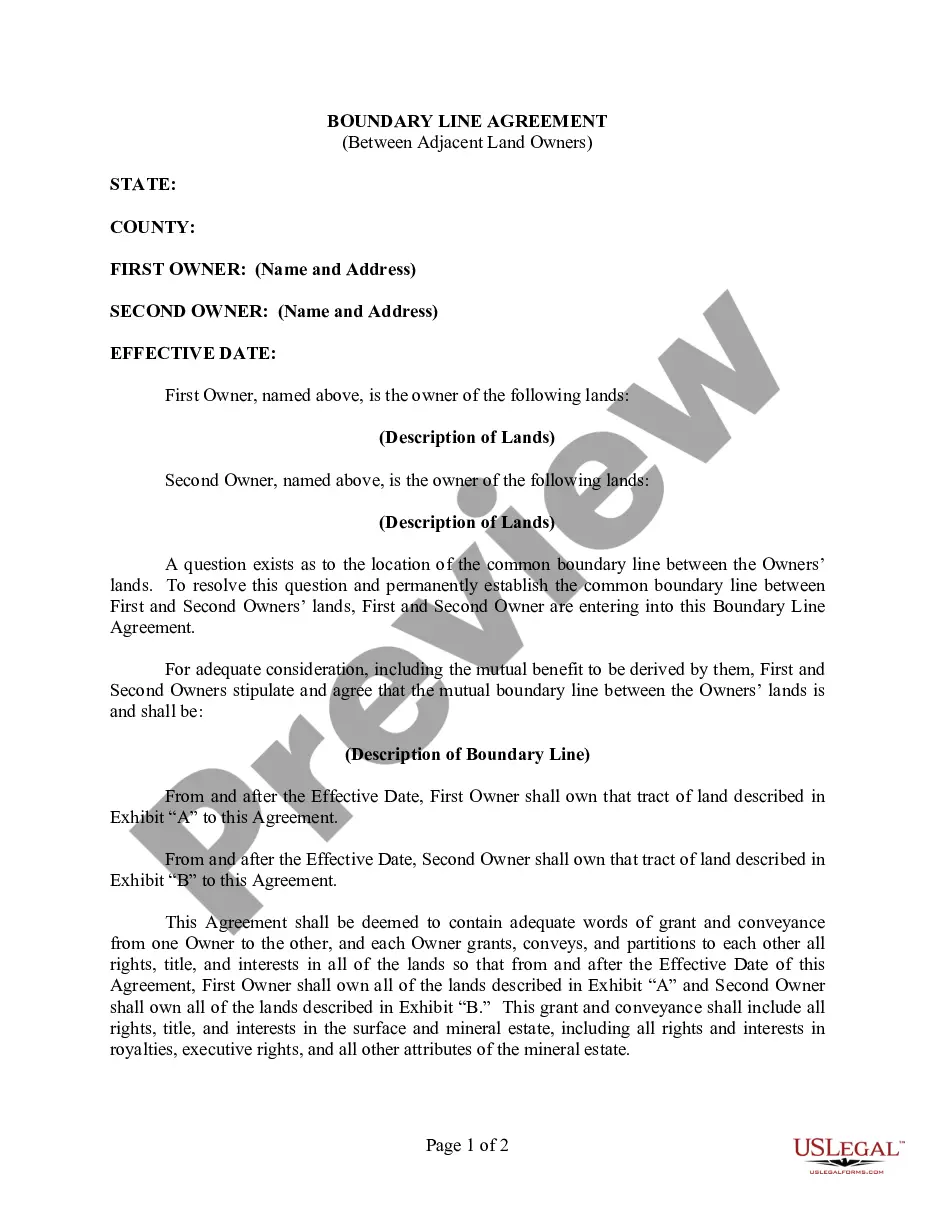
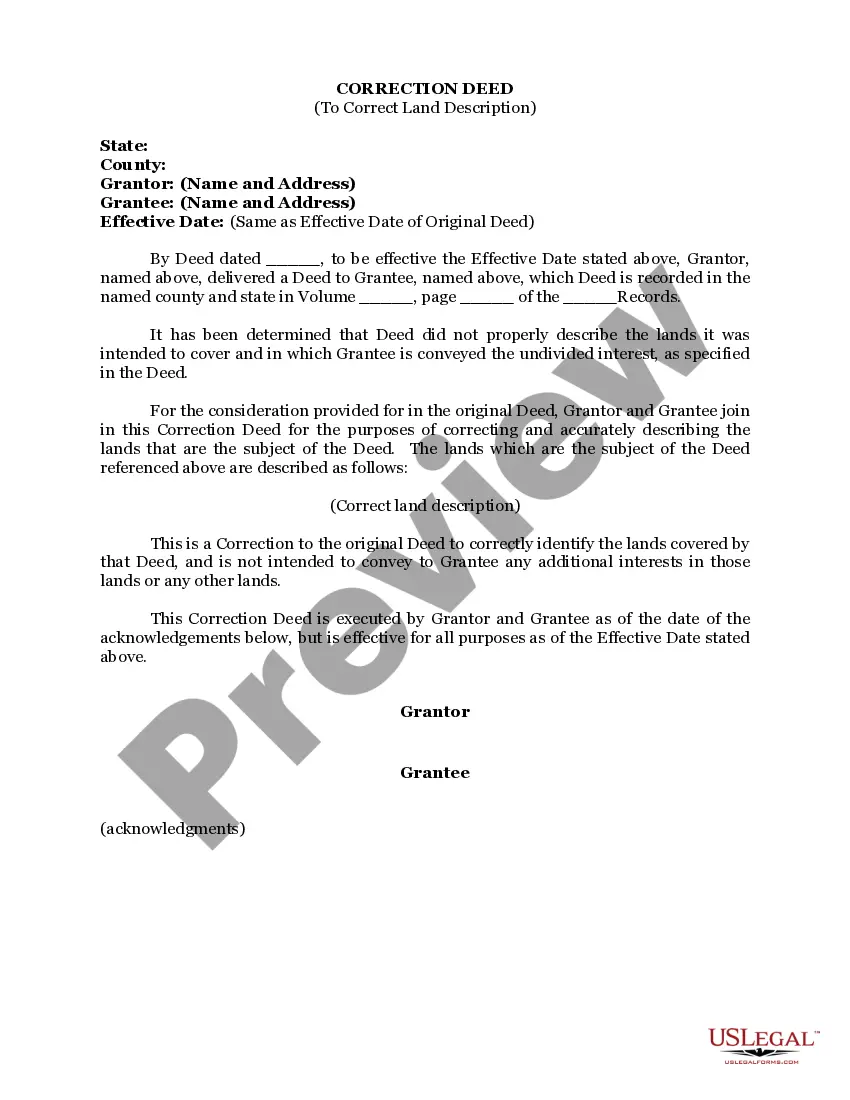
Description


Get your form ready online
Our built-in tools help you complete, sign, share, and store your documents in one place.
Make edits, fill in missing information, and update formatting in US Legal Forms—just like you would in MS Word.
Download a copy, print it, send it by email, or mail it via USPS—whatever works best for your next step.
Sign and collect signatures with our SignNow integration. Send to multiple recipients, set reminders, and more. Go Premium to unlock E-Sign.
If this form requires notarization, complete it online through a secure video call—no need to meet a notary in person or wait for an appointment.
We protect your documents and personal data by following strict security and privacy standards.

Make edits, fill in missing information, and update formatting in US Legal Forms—just like you would in MS Word.

Download a copy, print it, send it by email, or mail it via USPS—whatever works best for your next step.

Sign and collect signatures with our SignNow integration. Send to multiple recipients, set reminders, and more. Go Premium to unlock E-Sign.

If this form requires notarization, complete it online through a secure video call—no need to meet a notary in person or wait for an appointment.

We protect your documents and personal data by following strict security and privacy standards.
Looking for another form?





Form popularity
FAQ
Santa Clara incorporated as a town on July 5, 1852, and became a state-chartered city in 1862.
San Jose is the county seat of Santa Clara County and the main component of the San Jose–Sunnyvale–Santa Clara Metropolitan Statistical Area, with an estimated population of around 1.95 million residents in 2023.
Counties which border with Santa Clara County are, clockwise, Alameda County, San Joaquin (within a few hundred feet at Mount Boardman), Stanislaus, Merced, San Benito, Santa Cruz, and San Mateo County.
Santa Clara County includes the cities of Campbell, Cupertino, Gilroy, Los Altos, Los Altos Hills, Los Gatos, Milpitas, Monte Sereno, Morgan Hill, Mountain View, Palo Alto, San Jose, Santa Clara, Saratoga and Sunnyvale.
It is named after an historical landmark - Mission Santa Clara, the eighth mission founded in California, which bears the name of Saint Clara of Assisi, Italy. Clara means “clear” or “bright,” an appropriate name for an area with magnificent natural amenities and one of the highest standards of living in the country.
The northern end of the Santa Clara Valley is at San Francisco, and the southern end is south of Hollister. The valley is bounded by the Santa Cruz Mountains on the southwest, which separate the valley from the Pacific Ocean, and by the Diablo Range on the northeast.
Located 45 miles southeast of San Francisco, the city of Santa Clara was founded in 1777. The city currently covers 19.3 square miles and sits in the heart of what is known worldwide as Silicon Valley. The city is the site of the eighth of 21 California missions, Mission Santa Clara, and was named after the mission.
For single-family residential properties, fences are generally limited to three (3) feet in height in the required front yard or street. Behind the required front yards and corner street side yards, fences are generally limited to six (6) feet in height with one (1) foot of open/non-solid lattice material on top.
The San Andreas and Hayward faults, both elements of the San Andreas Fault System, have the highest probabilities of causing a significant seismic event in the Bay Area. A seismic event on these faults could cause significant ground shaking, liquefaction, landslides, and surface fault rupture.
The East Bay has a higher earthquake risk than the San Francisco Peninsula. In San Jose, several major faults intersect the city and nearby communities—and it's the largest city on the north San Andreas fault line.
