Boundary Line Agreement Template For California In San Bernardino
Description


Get your form ready online
Our built-in tools help you complete, sign, share, and store your documents in one place.
Make edits, fill in missing information, and update formatting in US Legal Forms—just like you would in MS Word.
Download a copy, print it, send it by email, or mail it via USPS—whatever works best for your next step.
Sign and collect signatures with our SignNow integration. Send to multiple recipients, set reminders, and more. Go Premium to unlock E-Sign.
If this form requires notarization, complete it online through a secure video call—no need to meet a notary in person or wait for an appointment.
We protect your documents and personal data by following strict security and privacy standards.

Make edits, fill in missing information, and update formatting in US Legal Forms—just like you would in MS Word.

Download a copy, print it, send it by email, or mail it via USPS—whatever works best for your next step.

Sign and collect signatures with our SignNow integration. Send to multiple recipients, set reminders, and more. Go Premium to unlock E-Sign.

If this form requires notarization, complete it online through a secure video call—no need to meet a notary in person or wait for an appointment.

We protect your documents and personal data by following strict security and privacy standards.
Looking for another form?







Form popularity
FAQ
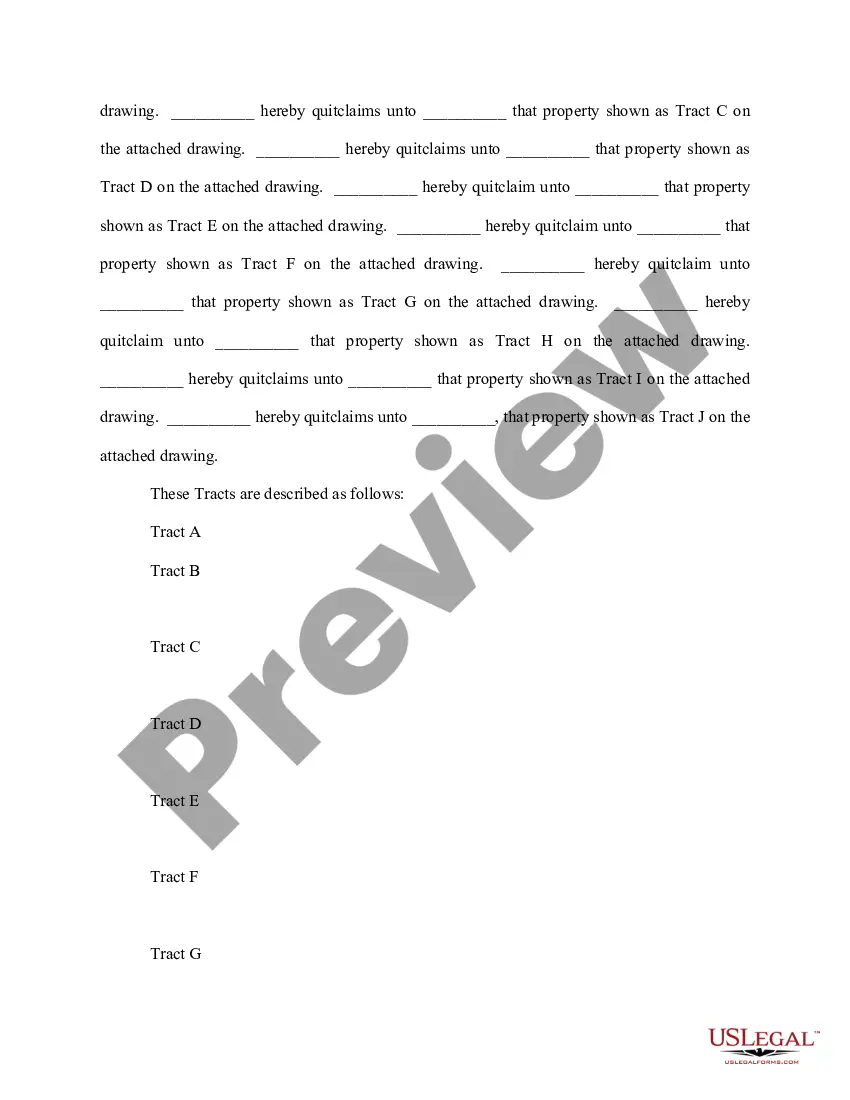
First, you need to make sure you fill out the quitclaim deed properly and get it notarized. Next, take the quitclaim deed to the County Recorder's Office. Make sure to file a Preliminary Change of Ownership Report and a Documentary of Transfer Tax or a Notice of Exempt Transaction.
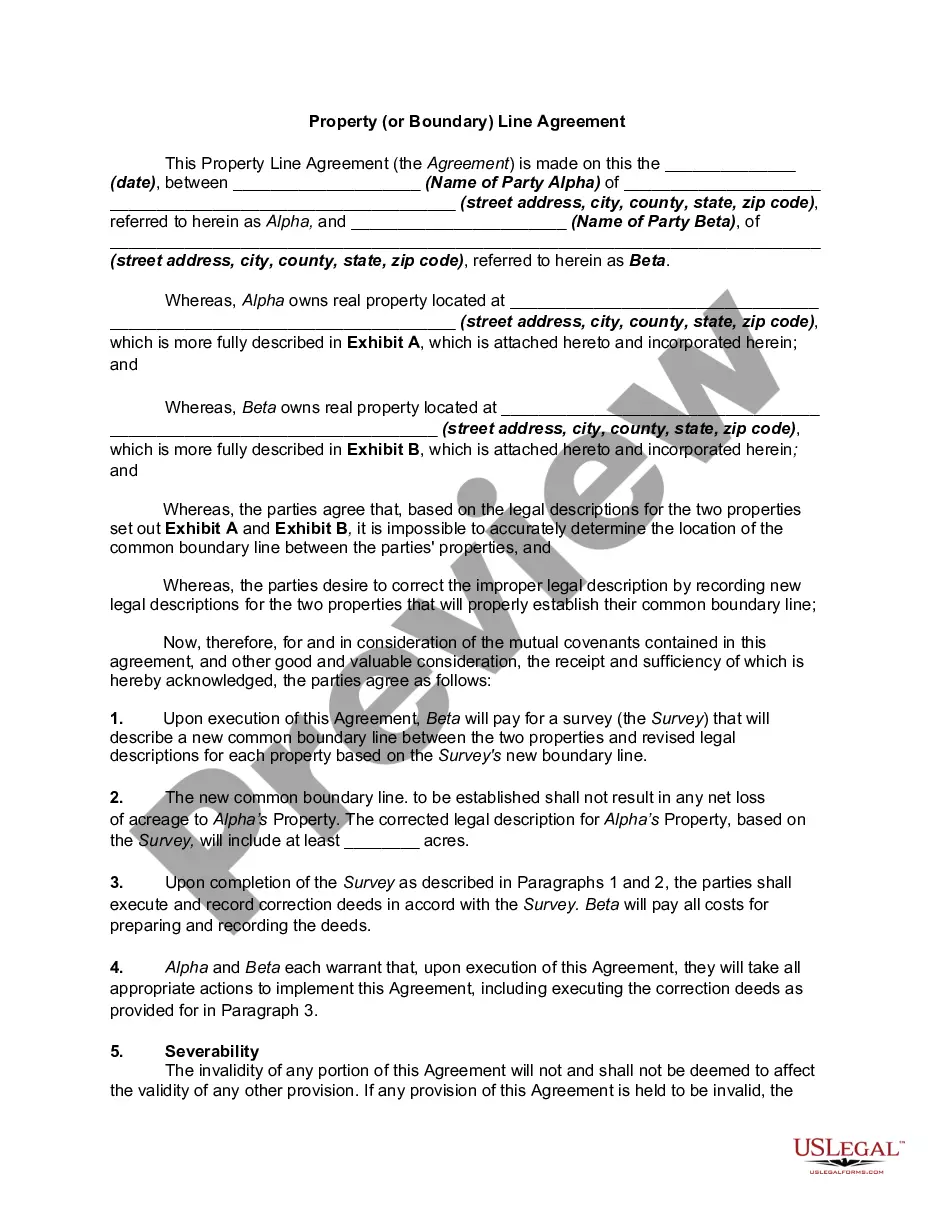
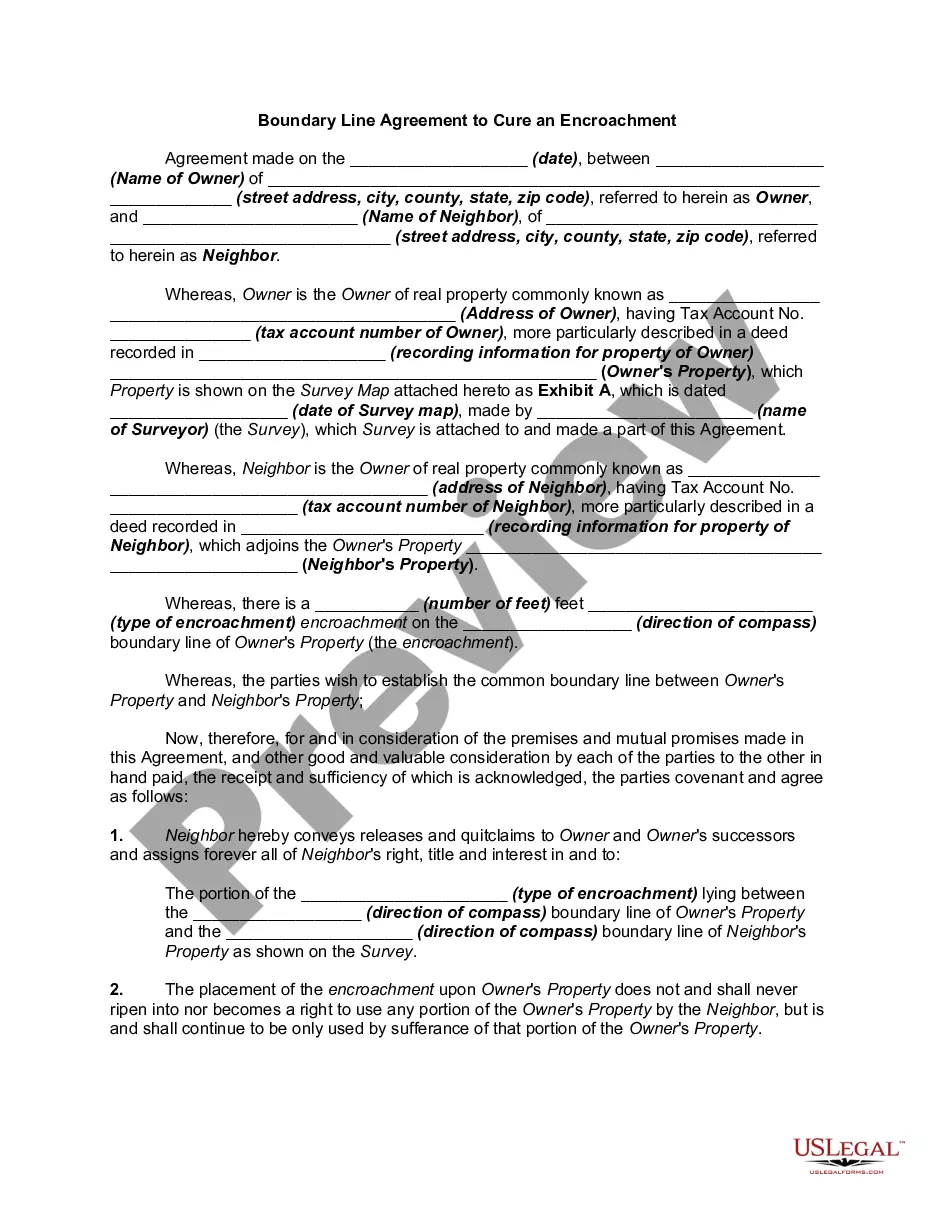
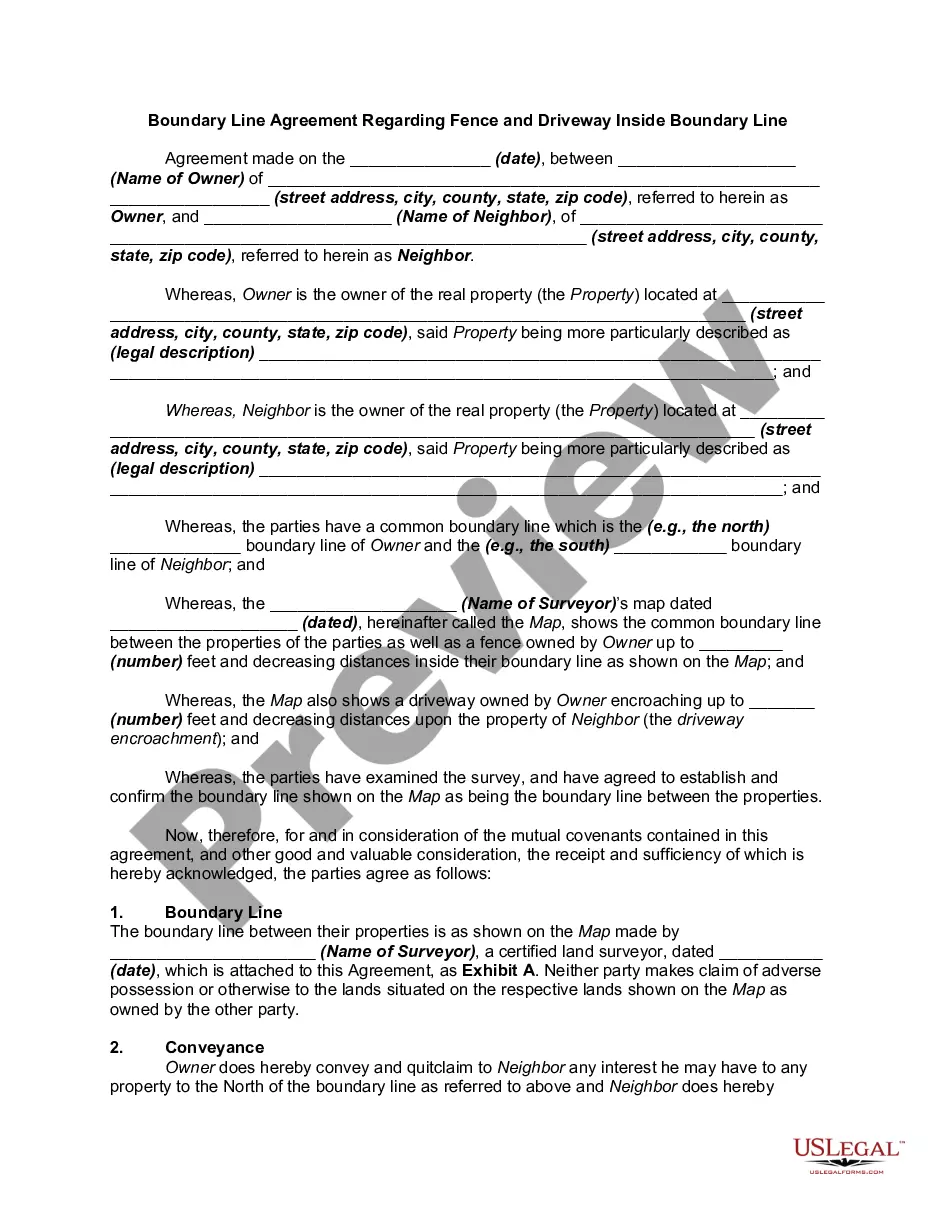
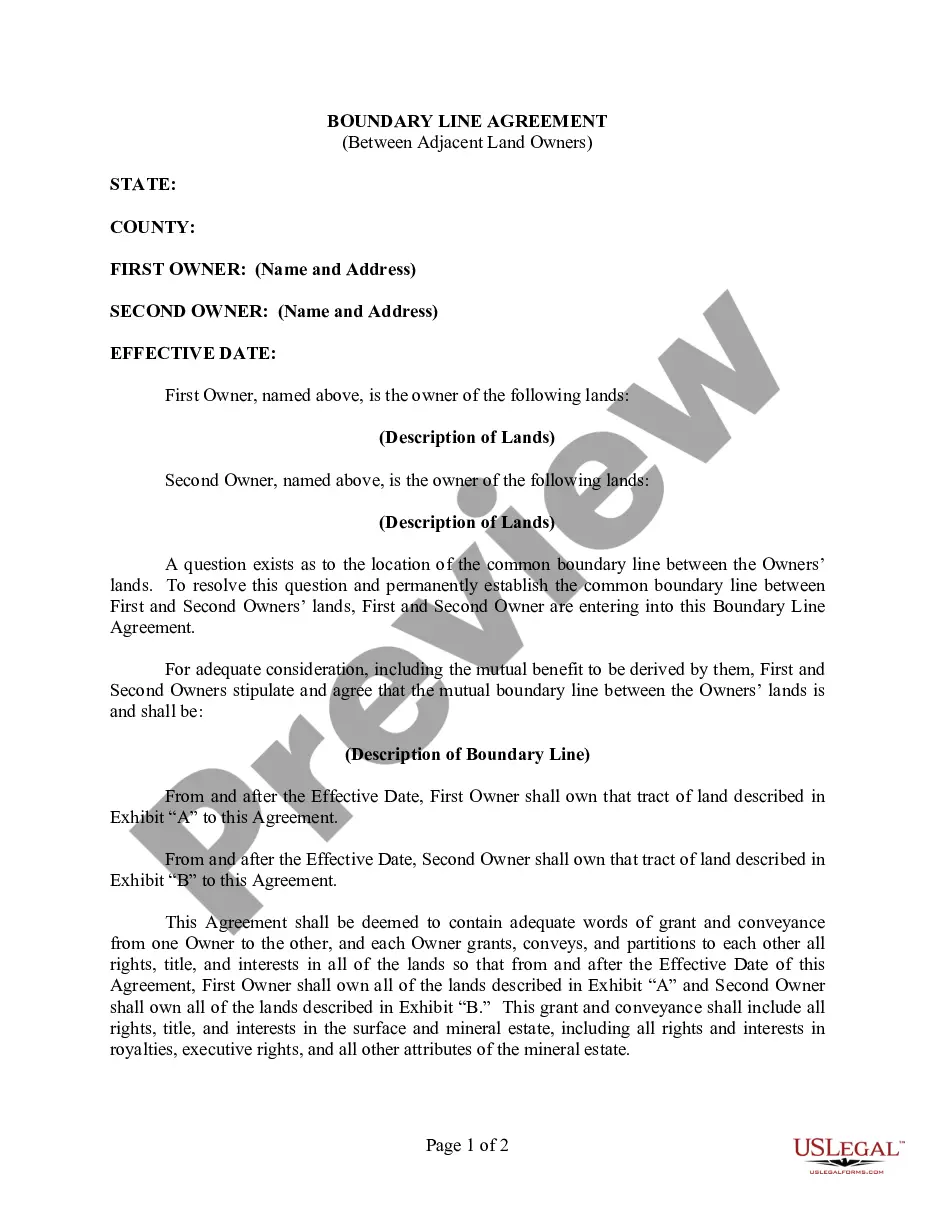
California law recognizes the right of two adjoining landowners to agree on a specific line or marker to act as the property lines between the two parcels, notwithstanding the legal description in each parcel's deed.
Preparation: The grantor (current owner) must prepare the quitclaim deed document, which includes the names of the grantor and grantee, the legal description of the property, and the words of conveyance.
Quitclaim deeds are typically used to transfer property in non-sale situations, such as transfers of property between family members.
The quitclaim deed simply transfers any interest they may have to the other party. Because of the lack of title guarantees, quitclaim deeds are most often used to transfer property between two parties who know and trust each other, such as family members.