Boundary Lines In India In Salt Lake
Description


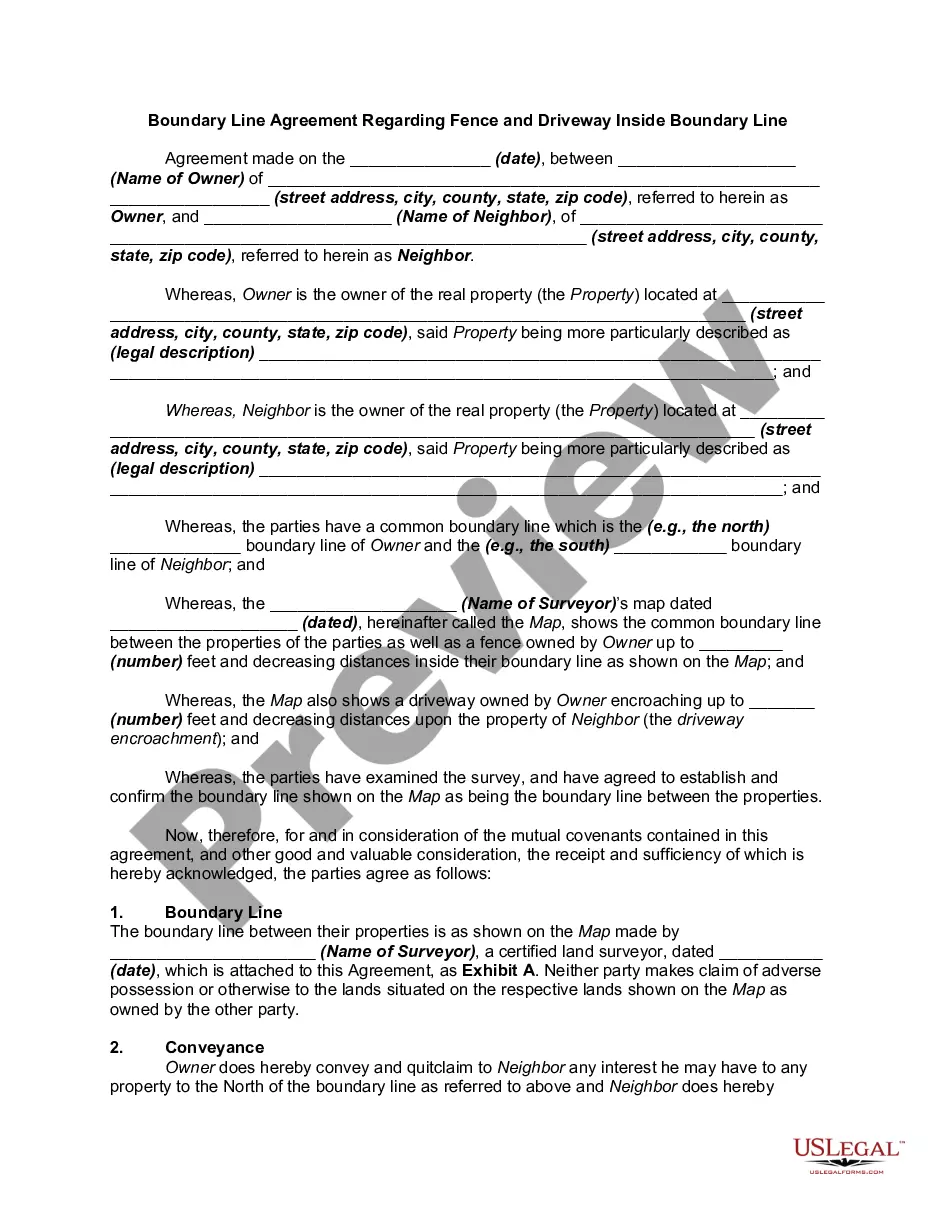
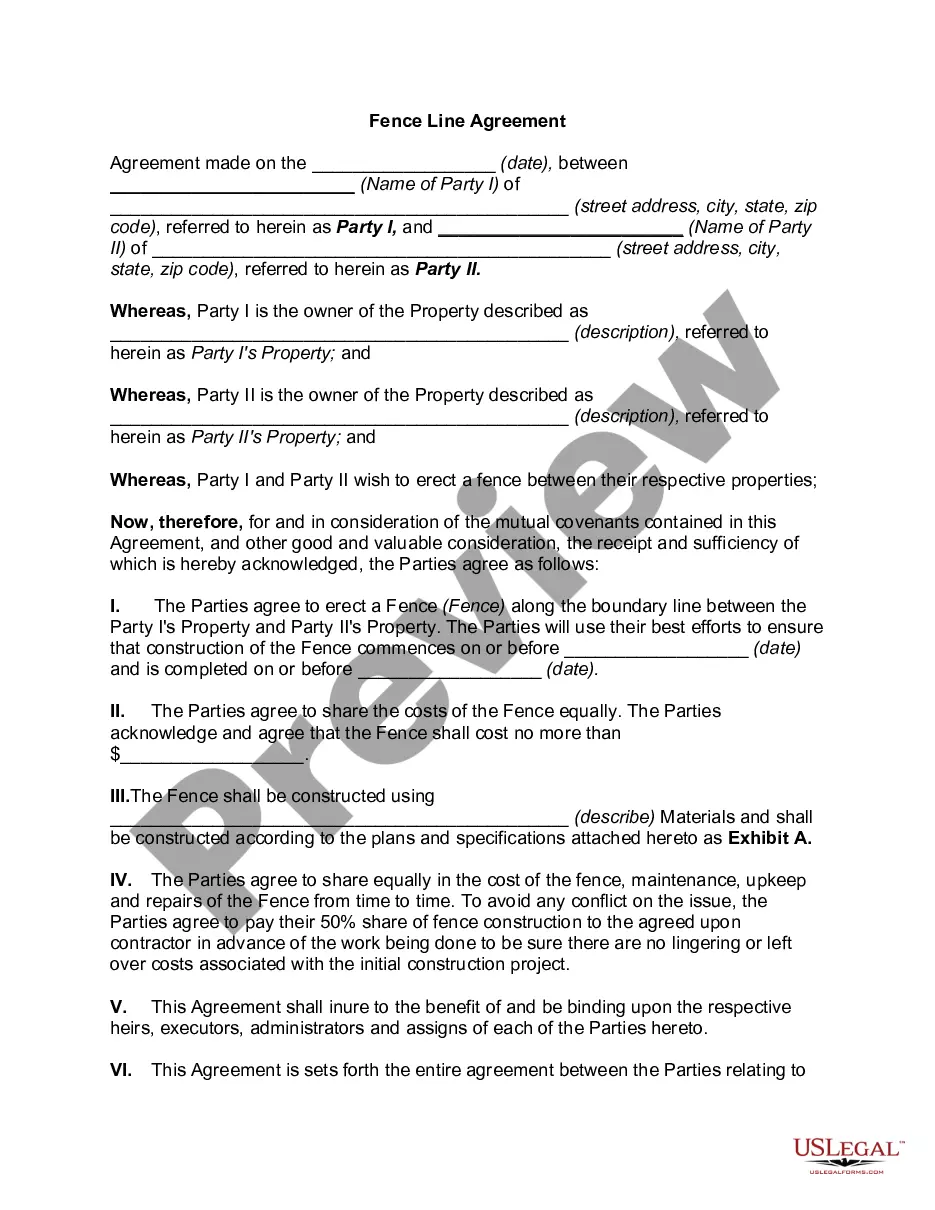
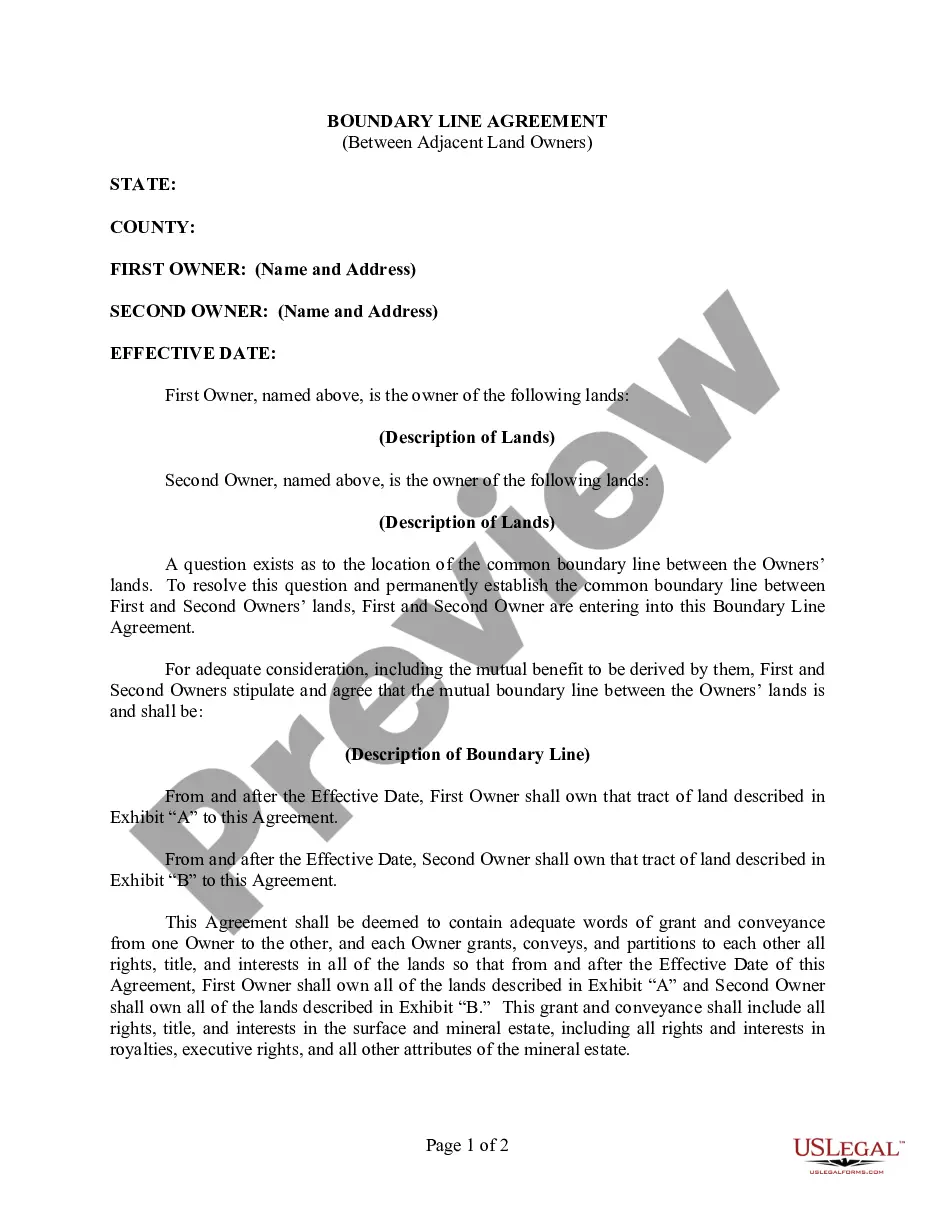
Get your form ready online
Our built-in tools help you complete, sign, share, and store your documents in one place.
Make edits, fill in missing information, and update formatting in US Legal Forms—just like you would in MS Word.
Download a copy, print it, send it by email, or mail it via USPS—whatever works best for your next step.
Sign and collect signatures with our SignNow integration. Send to multiple recipients, set reminders, and more. Go Premium to unlock E-Sign.
If this form requires notarization, complete it online through a secure video call—no need to meet a notary in person or wait for an appointment.
We protect your documents and personal data by following strict security and privacy standards.

Make edits, fill in missing information, and update formatting in US Legal Forms—just like you would in MS Word.

Download a copy, print it, send it by email, or mail it via USPS—whatever works best for your next step.

Sign and collect signatures with our SignNow integration. Send to multiple recipients, set reminders, and more. Go Premium to unlock E-Sign.

If this form requires notarization, complete it online through a secure video call—no need to meet a notary in person or wait for an appointment.

We protect your documents and personal data by following strict security and privacy standards.
Looking for another form?









Form popularity
FAQ
The hedge was allegedly built over a customs line, which the book mentioned was established in 1869 and expanded to stretch across the length of India, covering an estimated 2,300 miles (3,701km) – the distance from London to Istanbul (then Constantinople).
The Indian Military has divided the Line of Actual Control into 3 sectors - the western sector across Ladakh and the Chinese-held Aksai Chin, the central sector across Himachal Pradesh and Uttarakhand, and the eastern sector across Sikkim and Arunachal Pradesh.
The Great Hedge of India was thus established in the 1840s as a form of deterrence and control, part of the Inland Customs Line, which divided the Indian subcontinent until the British assumed unified control over its disparate regions.
Conclusion. India is a country that shares its borders with nine different countries, covering a total area of about 15200 km. The borders are not only limited to land but are also present in the water bodies. India shares its borders with seven countries via land and seven countries via water as well.
Britain's Salt Act of 1882 prohibited Indians from collecting or selling salt, a staple in their diet. Indian citizens were forced to buy the vital mineral from their British rulers, who, in addition to exercising a monopoly over the manufacture and sale of salt, also charged a heavy salt tax.
A customs line was established, which stretched across the whole of India, which in 1869 extended from the Indus to the Mahanadi in Madras, a distance of 2,300 miles; and it was guarded by nearly 12,000 men and petty officers...it consisted principally of an immense impenetrable hedge of t trees and bushes, ...
The British Raj was the period of British Parliament rule on the Indian subcontinent between 1858 and 1947, for around 89 years of British occupation.
It has a land frontier of 15,200 km (9,445 mi) and a coastline of 7,516.6 km (4,671 mi). On the south, India projects into and is bounded by the Indian Ocean—in particular, by the Arabian Sea on the west, the Lakshadweep Sea to the southwest, the Bay of Bengal on the east, and the Indian Ocean proper to the south.
The process of international boundary making is generally categorised into four recognised phases. They are: the prepara- tions for an agreement, boundary delimitation, boundary demarcation and, boundary maintenance and administration.
A 4-Step Process For Setting And Maintaining Boundaries Step 1: Identifying areas where you need personal boundaries. Step 2: Establishing boundaries that are clear and enforceable. Step 3: Communicating your boundaries. Step 4: Enforcing your boundaries.
