Boundary In Lines In Salt Lake
Description

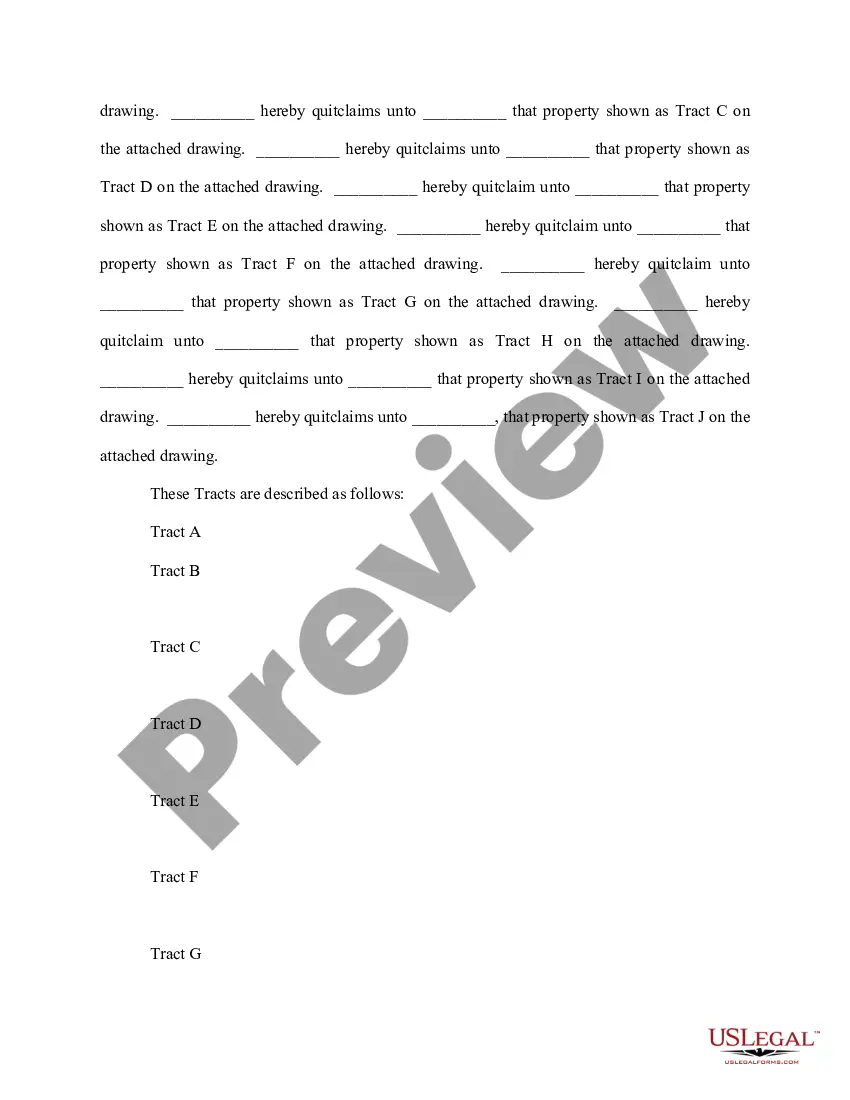


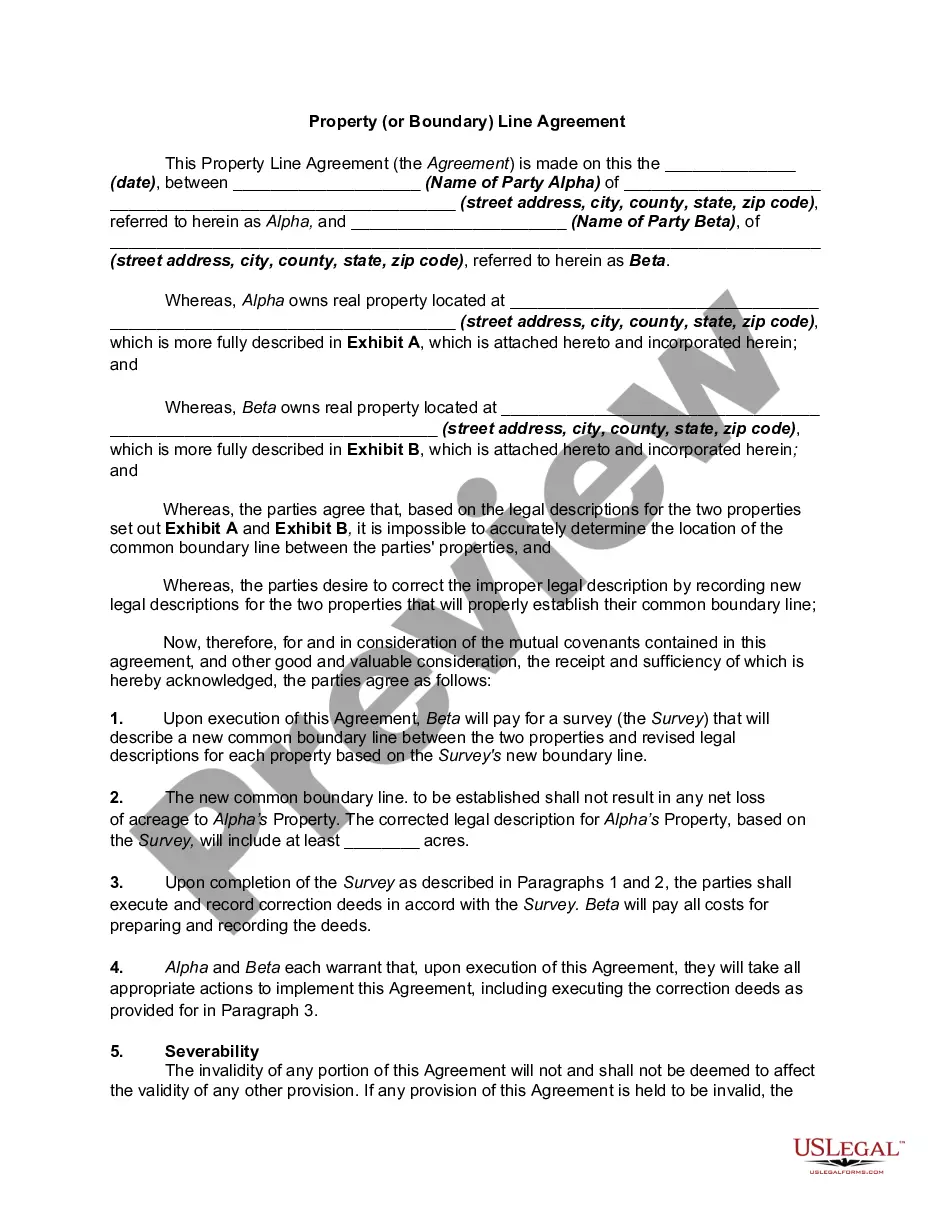
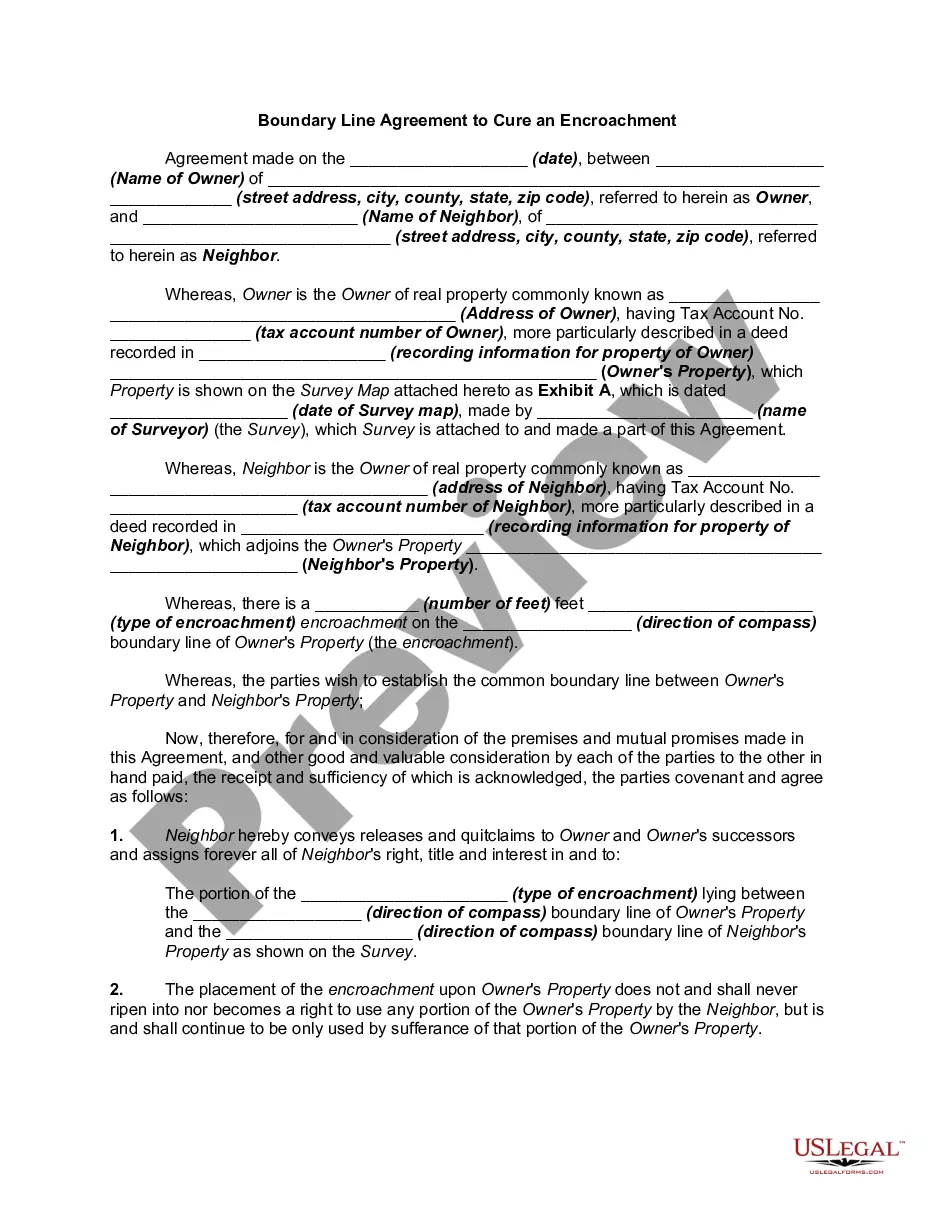
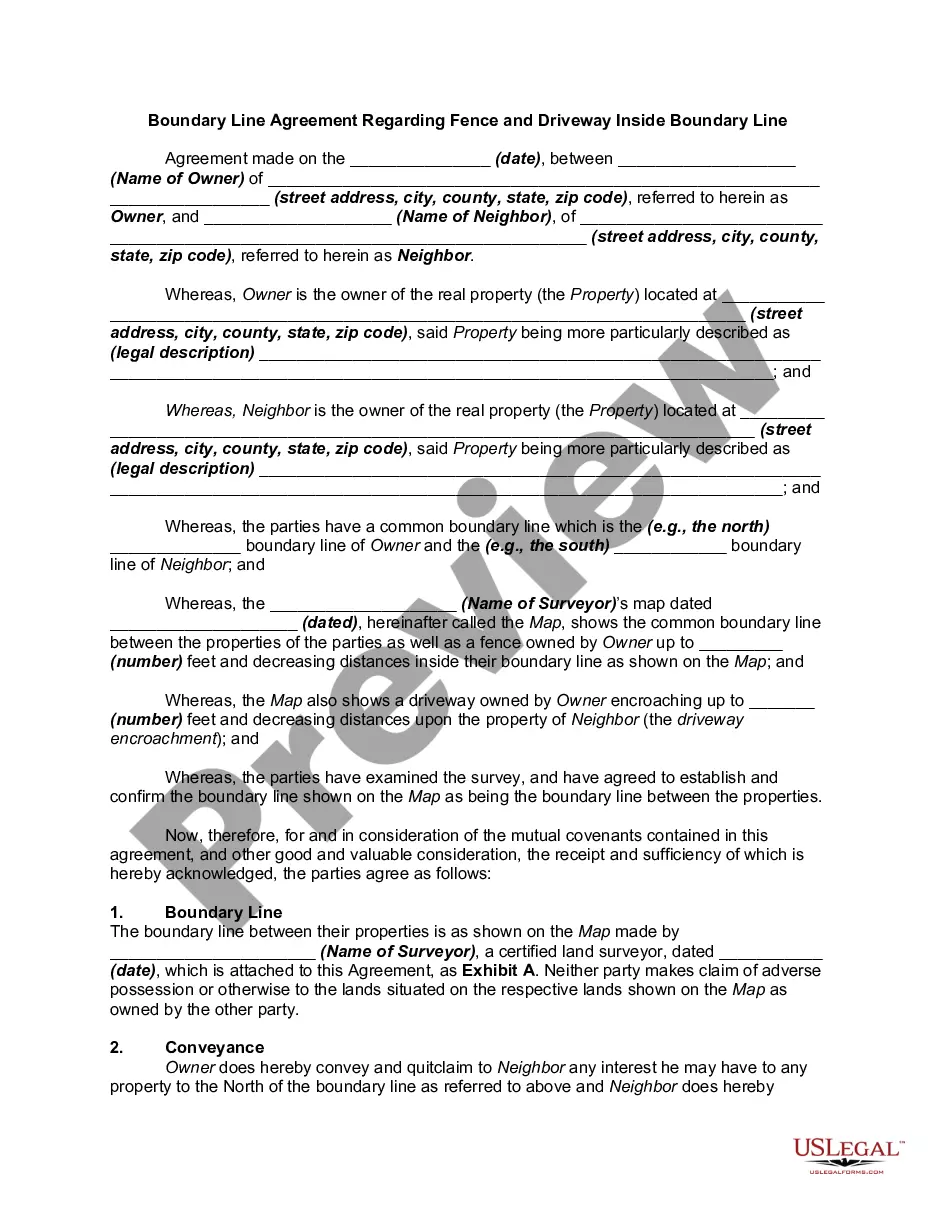
Get your form ready online
Our built-in tools help you complete, sign, share, and store your documents in one place.
Make edits, fill in missing information, and update formatting in US Legal Forms—just like you would in MS Word.
Download a copy, print it, send it by email, or mail it via USPS—whatever works best for your next step.
Sign and collect signatures with our SignNow integration. Send to multiple recipients, set reminders, and more. Go Premium to unlock E-Sign.
If this form requires notarization, complete it online through a secure video call—no need to meet a notary in person or wait for an appointment.
We protect your documents and personal data by following strict security and privacy standards.

Make edits, fill in missing information, and update formatting in US Legal Forms—just like you would in MS Word.

Download a copy, print it, send it by email, or mail it via USPS—whatever works best for your next step.

Sign and collect signatures with our SignNow integration. Send to multiple recipients, set reminders, and more. Go Premium to unlock E-Sign.

If this form requires notarization, complete it online through a secure video call—no need to meet a notary in person or wait for an appointment.

We protect your documents and personal data by following strict security and privacy standards.
Looking for another form?

Form popularity
FAQ
A total of four unrelated people can live in a home.
The city is in the northeast corner of the Salt Lake Valley surrounded by the Great Salt Lake to the northwest, the steep Wasatch Range to the east, and Oquirrh Mountains to the west.
However, many states have adopted HUD's two-person-per-bedroom rule as standard for rental properties, in which case, yes, two people can live in a one-bedroom apartment.
The rules are as follow: For every 70 to 119 sq. feet, the maximum number of people allowed is 2. For every 120 to 169 sq. feet, the maximum number of people allowed is 3. For every 170 to 219 sq. feet, the maximum number of people allowed is 4. For each extra occupant, 50 sq. feet is required.
The general rule is that no more than three unrelated individuals, or a family plus 1, may legally occupy a legal dwelling unit regardless of the size of the unit or the number of bedrooms contained within the residential unit.
The Boundary by Acquiescence theory provides that a long-standing marker indicating where property owners understand a boundary to be located becomes the actual boundary, even if a survey places it elsewhere.
In Salt Lake City, it is illegal for more than three unrelated adults to live in any “individual dwelling unit.” That law, found in the Salt Lake City Code 21A.
Starting a Short Term Rental Business in Salt Lake City Short-term rentals are only allowed in commercial and mixed-use districts for nightly sleeping accommodations, such as hotels, motels, hostels, and bed and breakfasts, if allowed by the zoning district and licensed for such use1.
The Boundary by Acquiescence theory provides that a long-standing marker indicating where property owners understand a boundary to be located becomes the actual boundary, even if a survey places it elsewhere.