Boundary Lines For My Property Nz In Philadelphia
Description

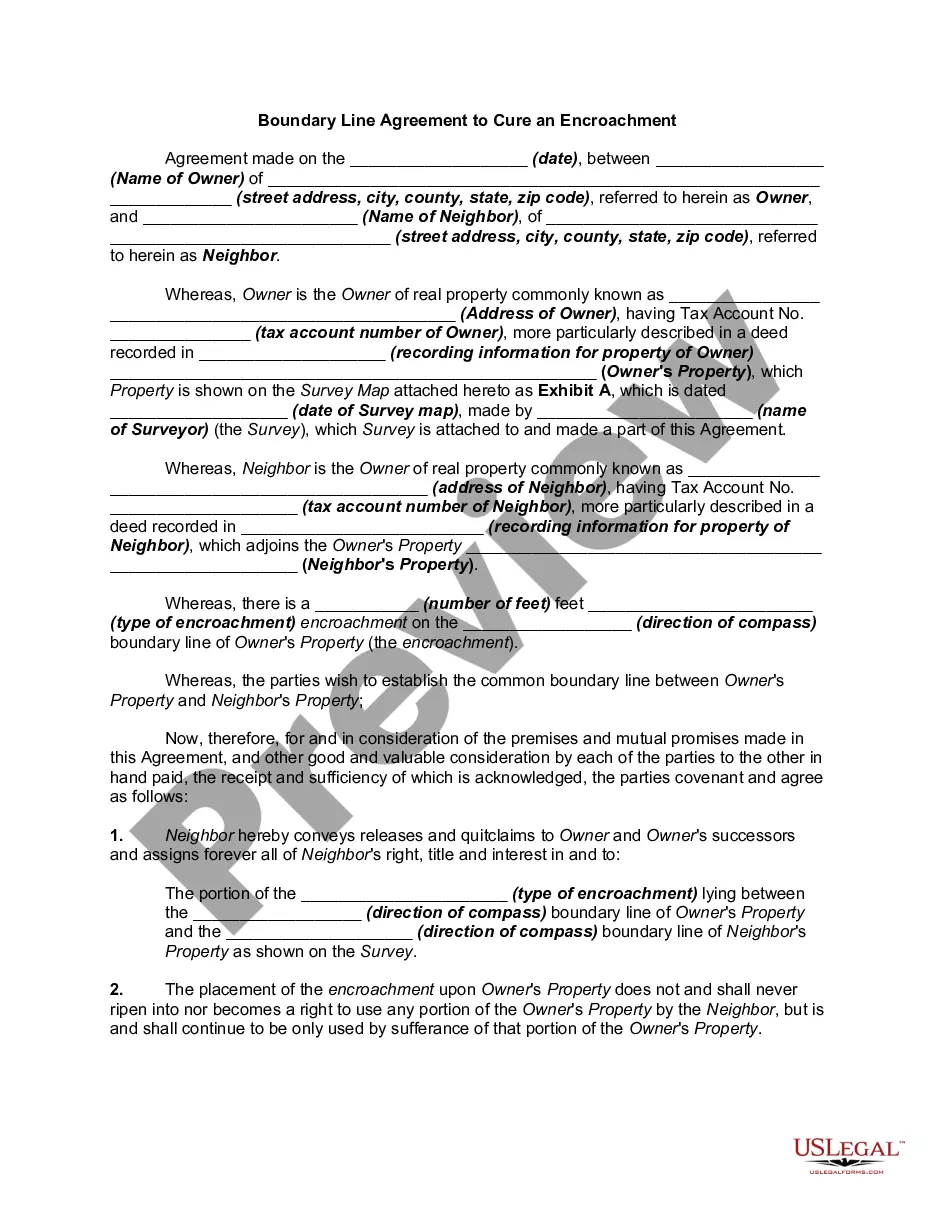
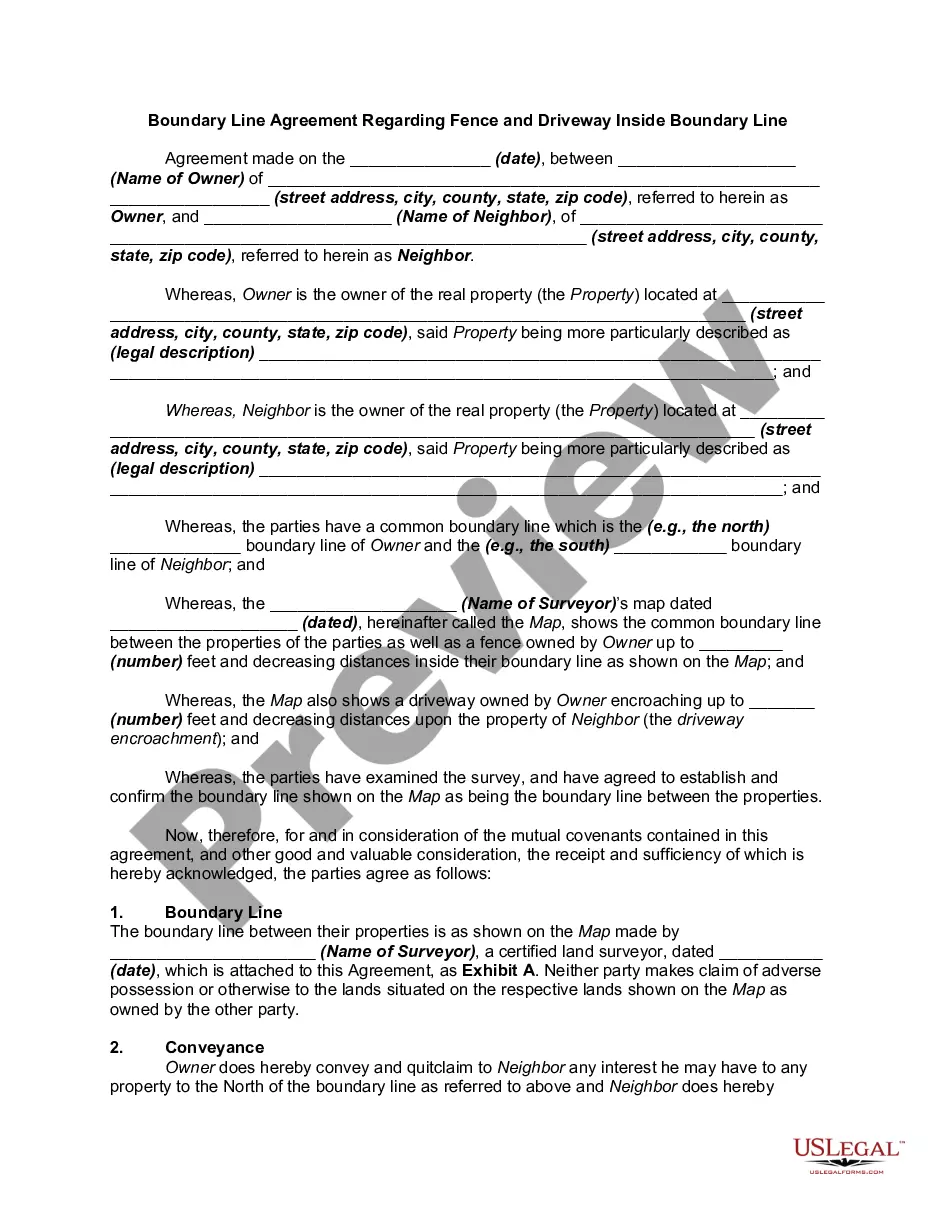
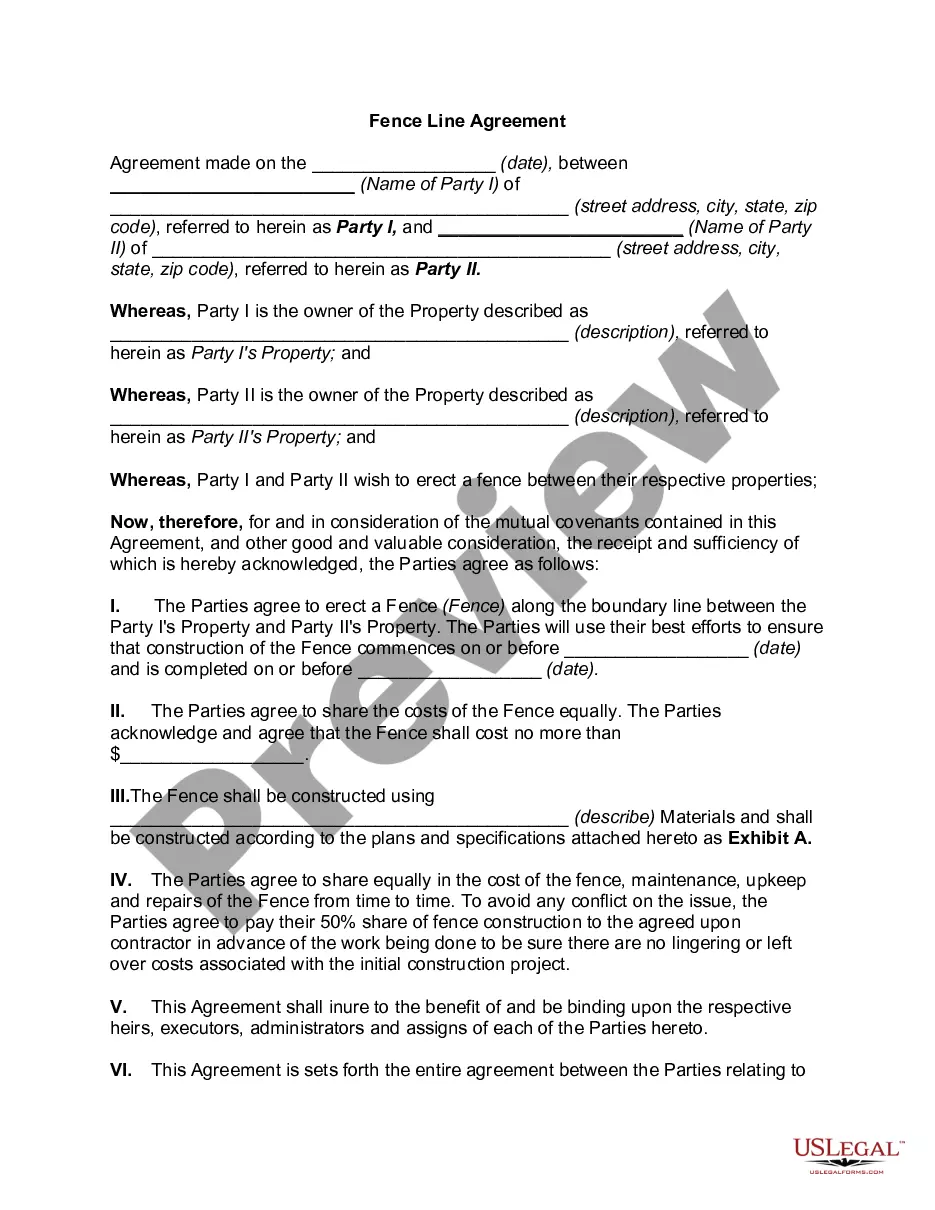
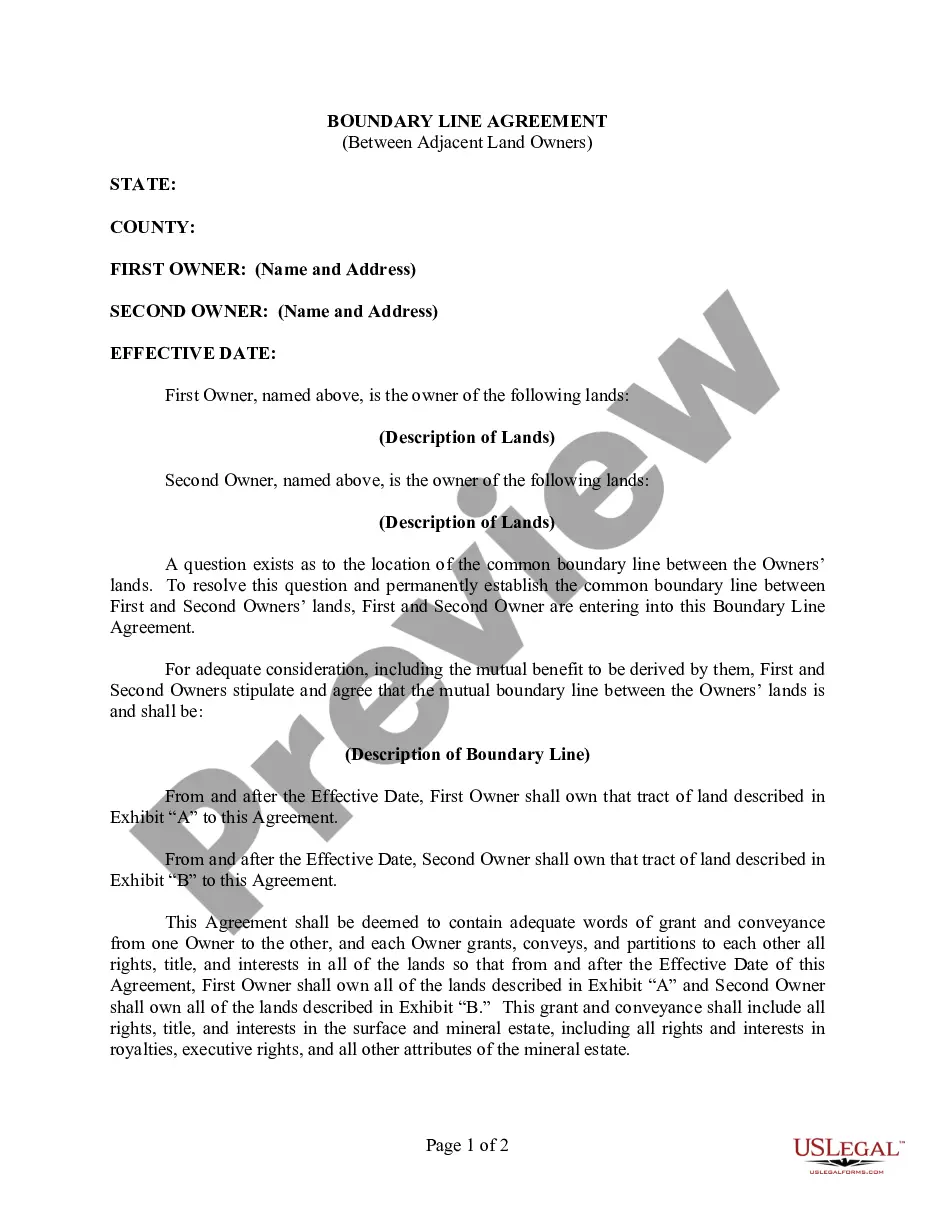
Get your form ready online
Our built-in tools help you complete, sign, share, and store your documents in one place.
Make edits, fill in missing information, and update formatting in US Legal Forms—just like you would in MS Word.
Download a copy, print it, send it by email, or mail it via USPS—whatever works best for your next step.
Sign and collect signatures with our SignNow integration. Send to multiple recipients, set reminders, and more. Go Premium to unlock E-Sign.
If this form requires notarization, complete it online through a secure video call—no need to meet a notary in person or wait for an appointment.
We protect your documents and personal data by following strict security and privacy standards.

Make edits, fill in missing information, and update formatting in US Legal Forms—just like you would in MS Word.

Download a copy, print it, send it by email, or mail it via USPS—whatever works best for your next step.

Sign and collect signatures with our SignNow integration. Send to multiple recipients, set reminders, and more. Go Premium to unlock E-Sign.

If this form requires notarization, complete it online through a secure video call—no need to meet a notary in person or wait for an appointment.

We protect your documents and personal data by following strict security and privacy standards.
Looking for another form?





Form popularity
FAQ
If you don't know your OPA account number, you can look it up using your property address or find it on your Real Estate Tax bill. Where can I find information about permits and zoning? Visit the Department of Licenses & Inspections (L&I).
Online aerial maps (like those available on some council websites) give you a starting point. However, the definitive description of your boundary is on the legal title for your property. There is usually at least one diagram on your title which will have the set measurements of all of your boundaries' locations.
A boundary survey or property survey determines the location of property lines and the monuments that mark the property corners of a parcel of land as described in a deed. The land surveyor undertaking a boundary survey should examine the deed for the property as well as possibly your neighbor's deed.
Know your zoning district If you're not sure how your property is zoned, use Atlas to look it up. Use the Zoning Quick Reference Guide or Zoning Summary Generator to learn more about the zoning regulations for your property. Read the Philadelphia Zoning Code for more information about zoning.
How can I determine my property line? Your deed will have a legal description of the boundary of your property, but you need a surveyor to use this information to locate the property lines and place markers on the land.
Hire a licensed land surveyor The most accurate way to know where your land begins and ends is to hire a surveyor to determine your property lines. The property surveyor will first check county records to understand the history of the lot.
Online aerial maps (like those available on some council websites) give you a starting point. However, the definitive description of your boundary is on the legal title for your property. There is usually at least one diagram on your title which will have the set measurements of all of your boundaries' locations.
However, the definitive description of your boundary is on the legal title for your property. There is usually at least one diagram on your title which will have the set measurements of all of your boundaries' locations. On the ground, there should be markers along your boundary.
