Border Lines With In Pennsylvania
Description


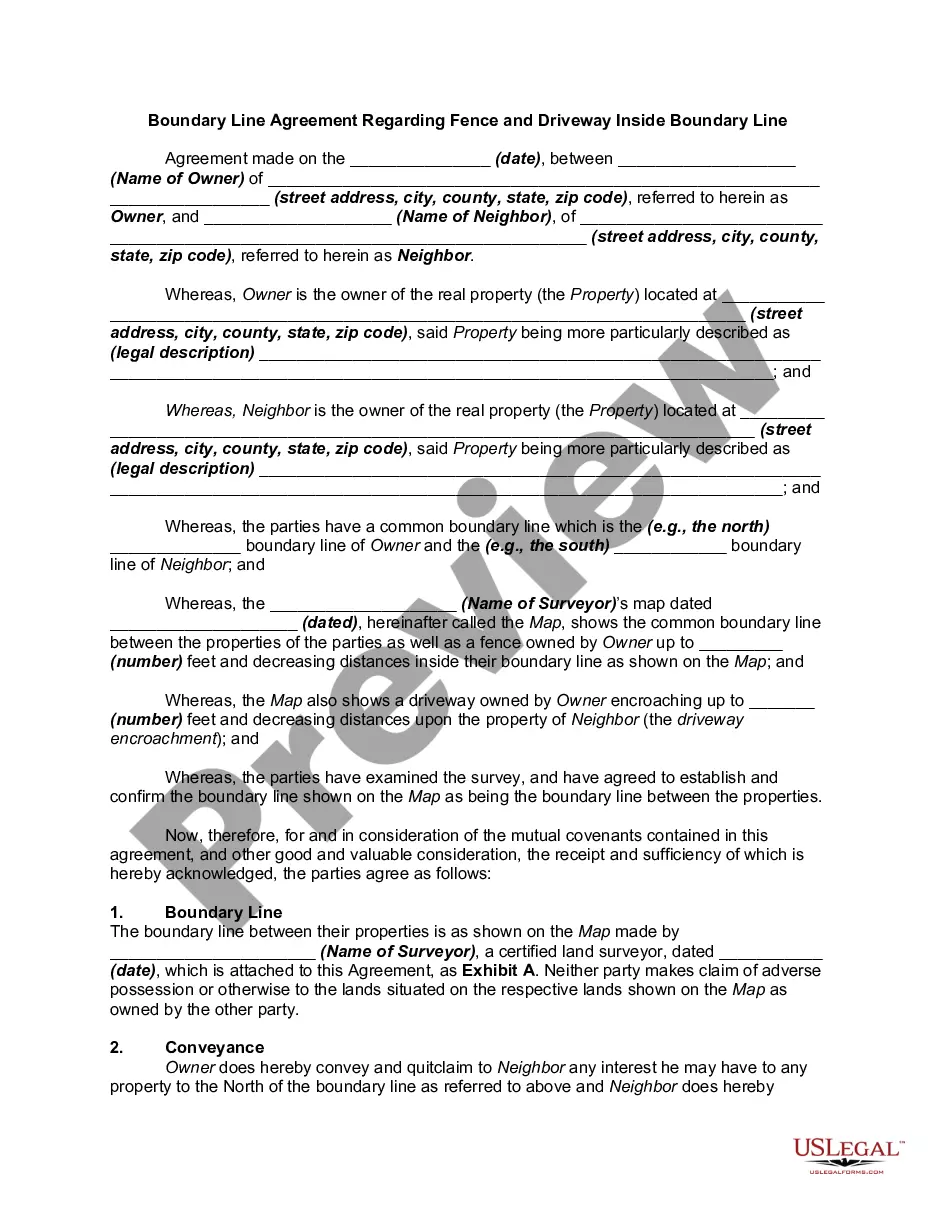
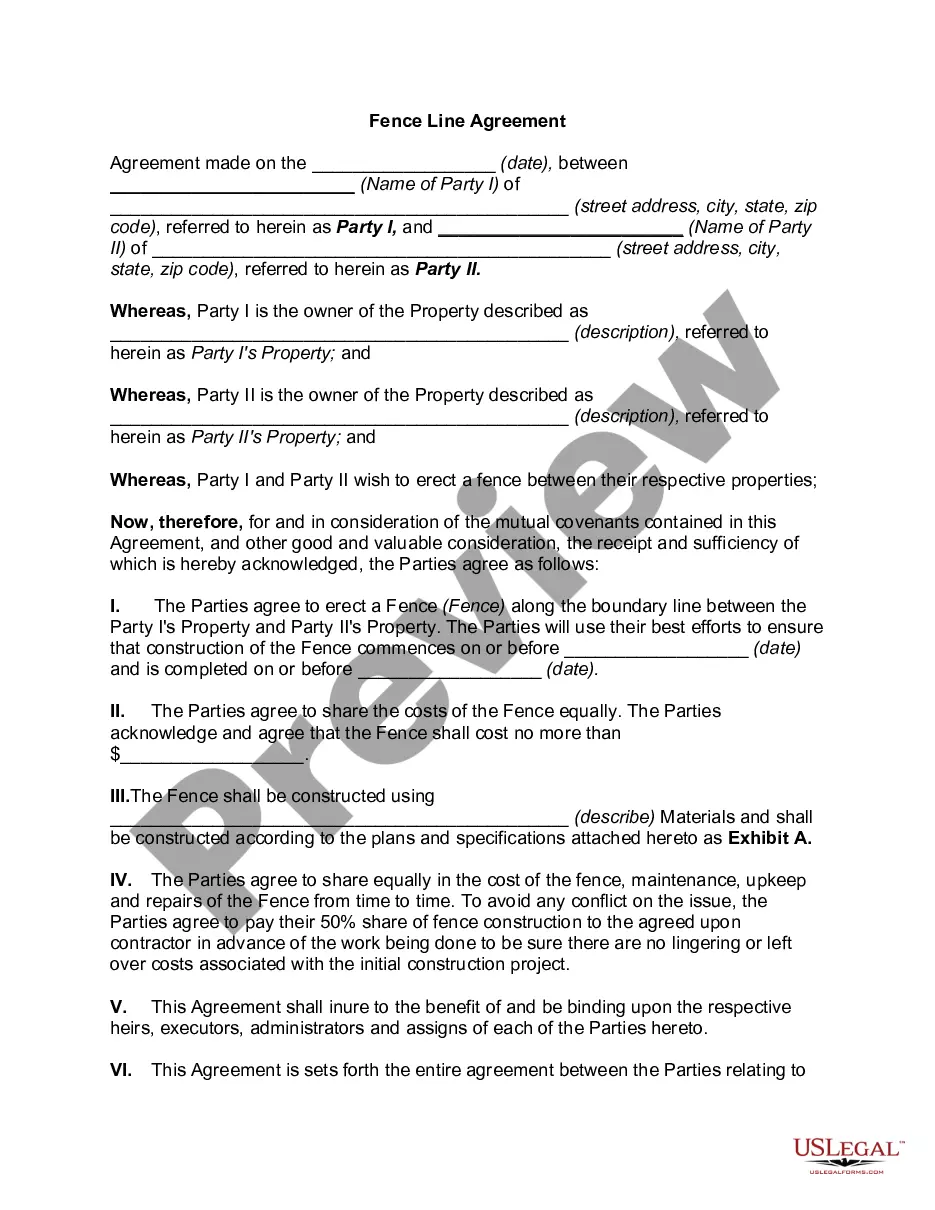
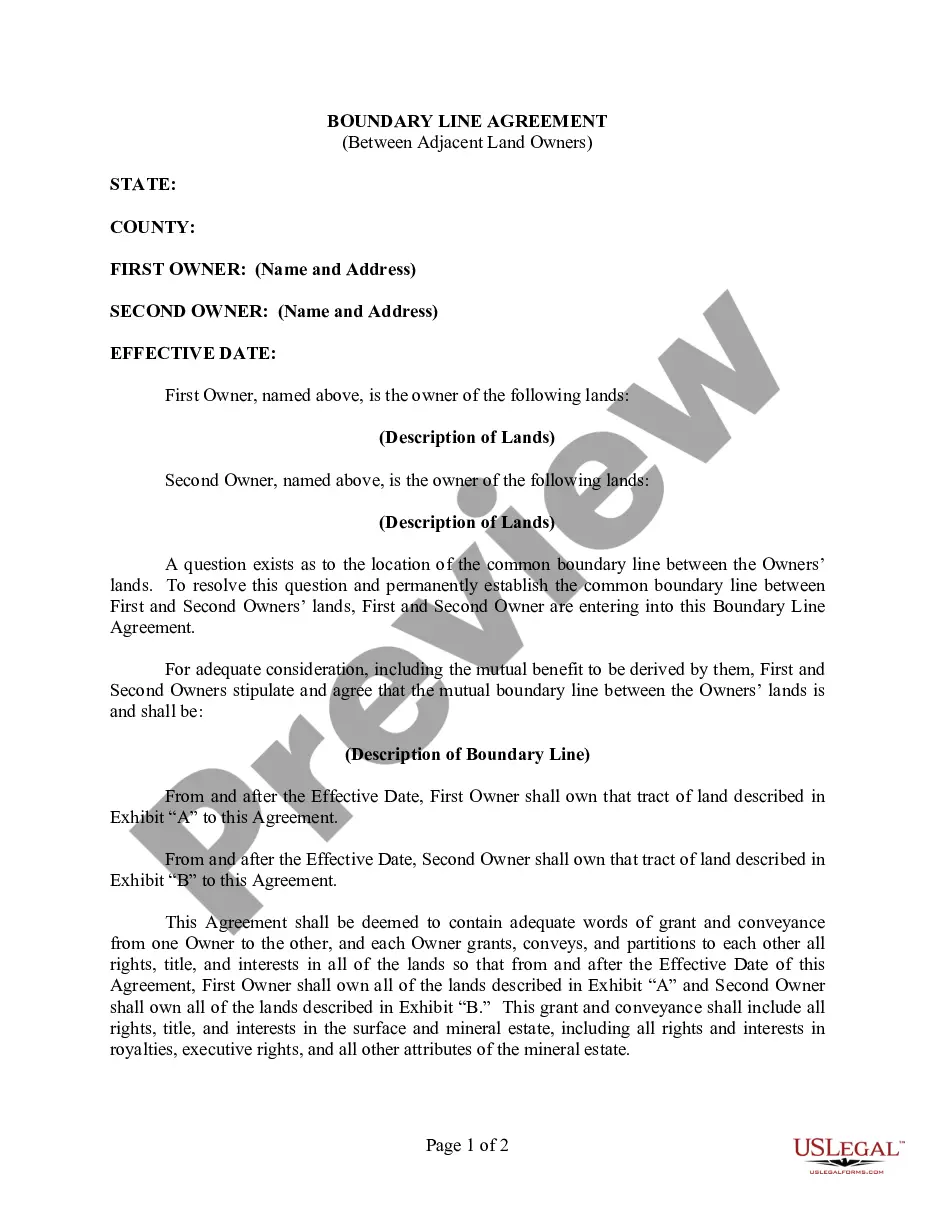
Get your form ready online
Our built-in tools help you complete, sign, share, and store your documents in one place.
Make edits, fill in missing information, and update formatting in US Legal Forms—just like you would in MS Word.
Download a copy, print it, send it by email, or mail it via USPS—whatever works best for your next step.
Sign and collect signatures with our SignNow integration. Send to multiple recipients, set reminders, and more. Go Premium to unlock E-Sign.
If this form requires notarization, complete it online through a secure video call—no need to meet a notary in person or wait for an appointment.
We protect your documents and personal data by following strict security and privacy standards.

Make edits, fill in missing information, and update formatting in US Legal Forms—just like you would in MS Word.

Download a copy, print it, send it by email, or mail it via USPS—whatever works best for your next step.

Sign and collect signatures with our SignNow integration. Send to multiple recipients, set reminders, and more. Go Premium to unlock E-Sign.

If this form requires notarization, complete it online through a secure video call—no need to meet a notary in person or wait for an appointment.

We protect your documents and personal data by following strict security and privacy standards.
Looking for another form?








Form popularity
FAQ
Under the doctrine of consentable lines, a party must establish that each party has claimed the land on their side of the line as their own and that the occupation has occurred for the statutory period of 21 years. Quoting the Supreme Court in Zeglin v. Gahagen, 812 A. 2d 558 (Pa.
The Hills and Ridges Doctrine means that the owner of the property is not always liable when there are generally slippery conditions, specifically protecting property owners in instances where the slippery surface has only been present for a short time.
This doctrine holds that when adjoining landowners, by mistake or compromise, have established a mutually respected boundary (differing from that in their deeds) over a 21-year period, that established boundary becomes the new property line.
Under the attractive nuisance doctrine, a landowner can be held liable for injuries to a trespassing child when the same landowner would not be held liable were the trespasser an adult.
In 2011, Pennsylvania amended its traditional law of self-defense, including the “Castle Doctrine” that governed the use of deadly force in cases of self-defense in one's home, to include a so-called “Stand Your Ground” or “Shoot First” provision.
How can I determine my property line? Your deed will have a legal description of the boundary of your property, but you need a surveyor to use this information to locate the property lines and place markers on the land.
Your Global Entry card is usually mailed to your mailing address if you have one on file. Otherwise, your card is mailed to your designated U.S. point of contact or a Global Entry enrollment center.
Pennsylvania Philadelphia International Airport (PHL) Address: Terminal A West 3rd Floor Philadelphia, PA 19153 Hours of Operation: p.m. - p.m., Monday - Sunday by appointment only Closed on holidays Contact Information: (215) 863-4287
You're eligible for the in-person interview once you've received conditional approval on your Global Entry application. The only way to secure a Global Entry walk-in appointment is if you're returning to the U.S. from an international flight.
Search for a participating Staples store near you. Head over to the TSA PreCheck site to submit your information and prep for your in-person appointment. During the application process, select your preferred store to schedule an appointment.