Border Lines With In Miami-Dade
Description


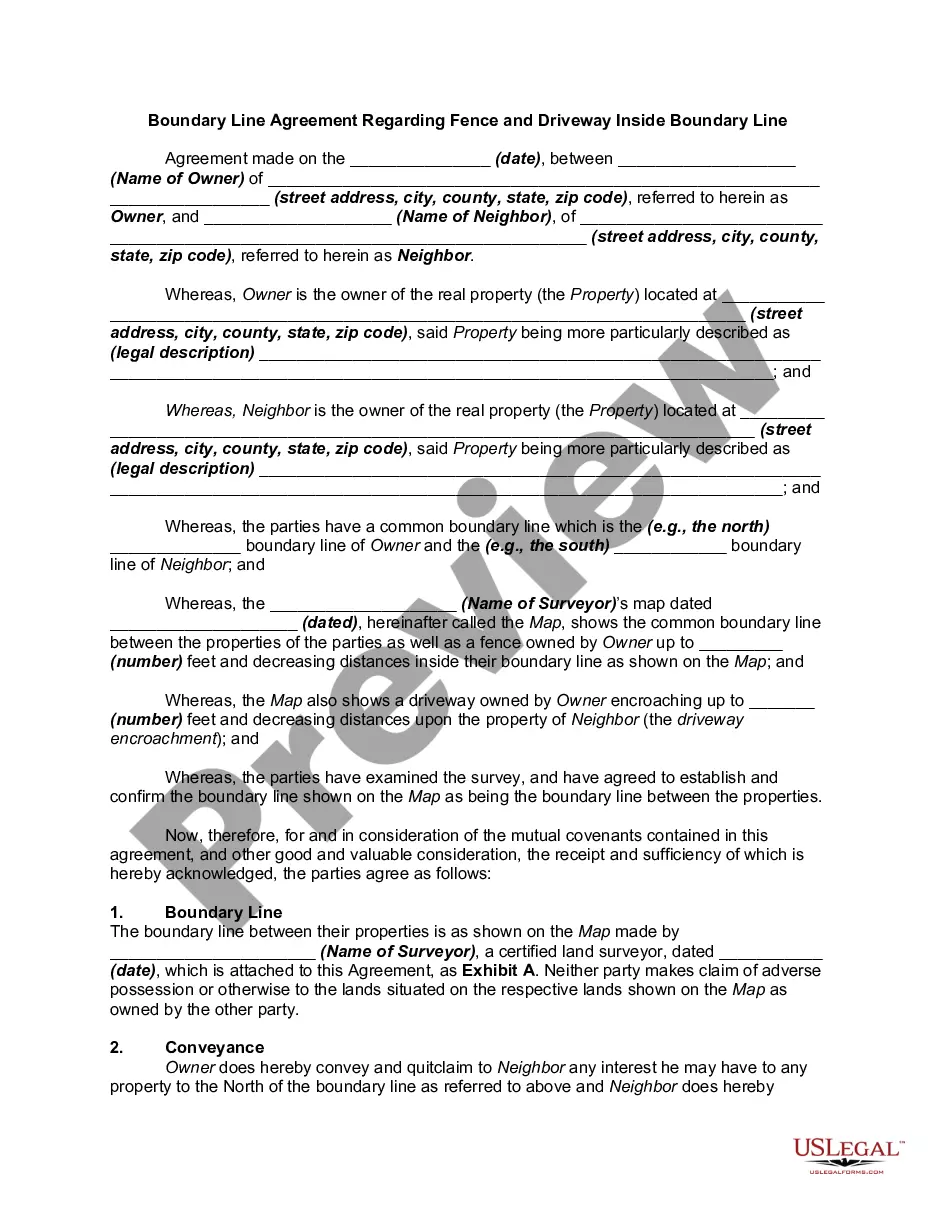
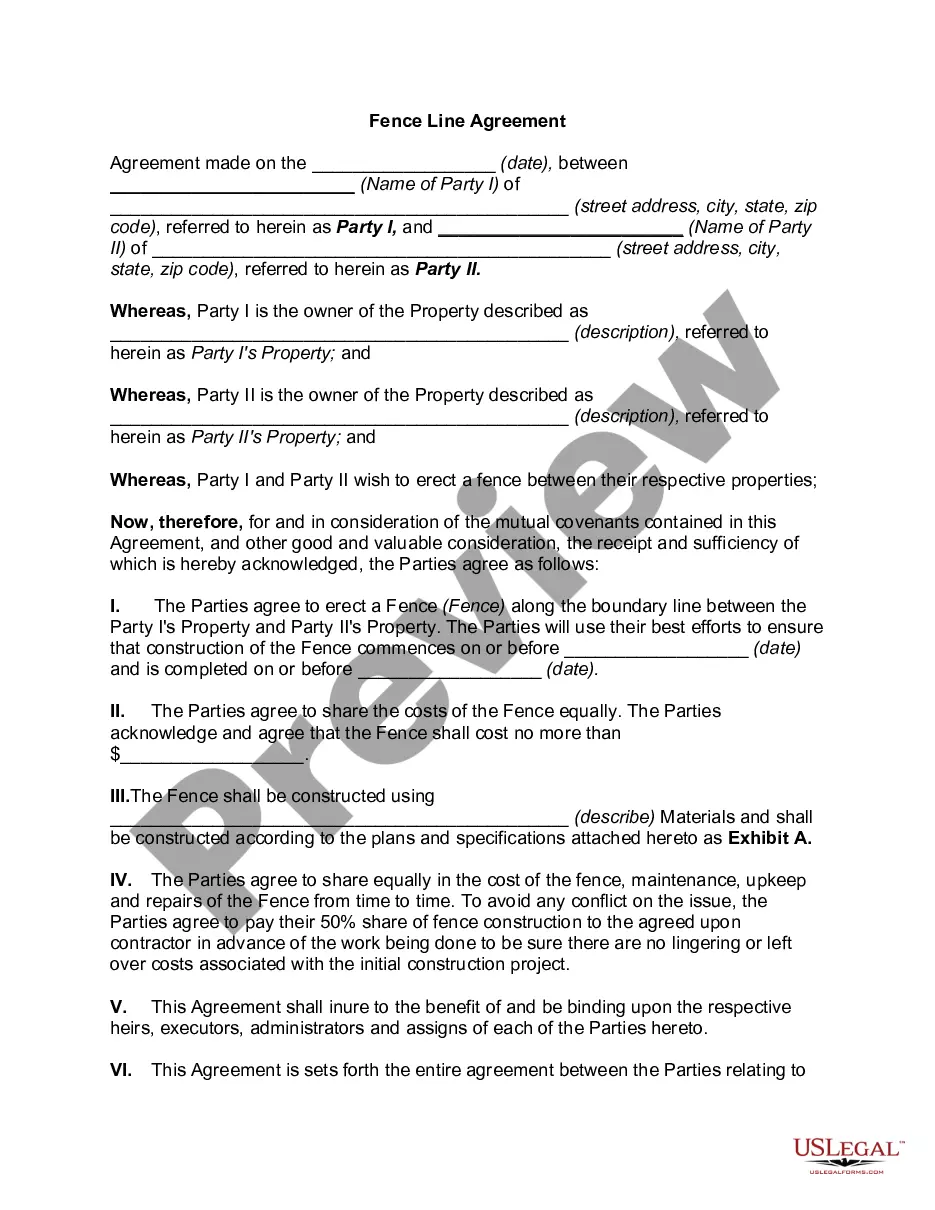
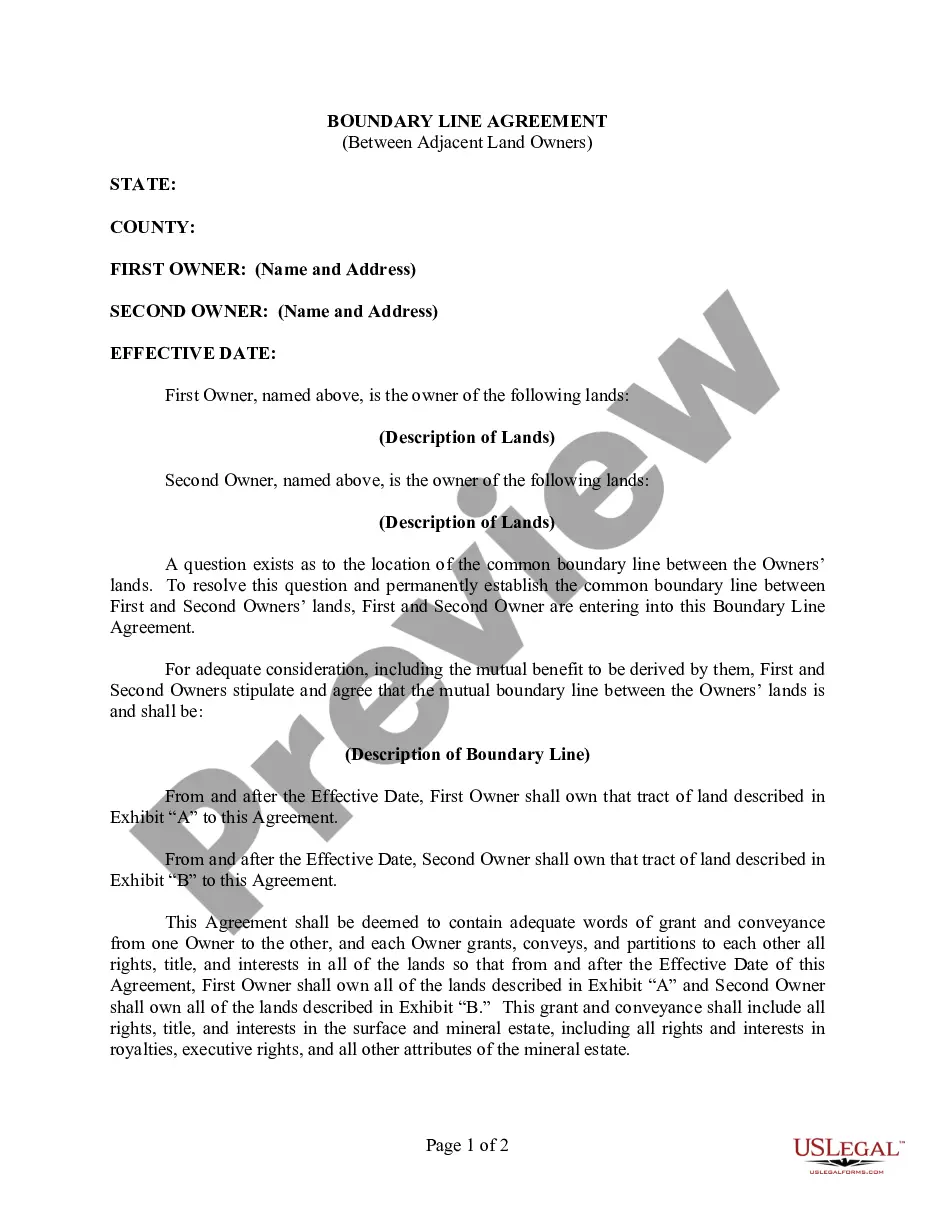
Get your form ready online
Our built-in tools help you complete, sign, share, and store your documents in one place.
Make edits, fill in missing information, and update formatting in US Legal Forms—just like you would in MS Word.
Download a copy, print it, send it by email, or mail it via USPS—whatever works best for your next step.
Sign and collect signatures with our SignNow integration. Send to multiple recipients, set reminders, and more. Go Premium to unlock E-Sign.
If this form requires notarization, complete it online through a secure video call—no need to meet a notary in person or wait for an appointment.
We protect your documents and personal data by following strict security and privacy standards.

Make edits, fill in missing information, and update formatting in US Legal Forms—just like you would in MS Word.

Download a copy, print it, send it by email, or mail it via USPS—whatever works best for your next step.

Sign and collect signatures with our SignNow integration. Send to multiple recipients, set reminders, and more. Go Premium to unlock E-Sign.

If this form requires notarization, complete it online through a secure video call—no need to meet a notary in person or wait for an appointment.

We protect your documents and personal data by following strict security and privacy standards.
Looking for another form?




Form popularity
FAQ
Miami is split roughly into north, south, west, and Downtown areas. The heart of the city is Downtown Miami, which is on the eastern side and includes the neighborhoods of Brickell, Virginia Key, Watson Island, and PortMiami.
State Road 852 (SR 852), locally known as County Line Road and North 215th Street, is a 2.534-mile-long (4.078 km) east-west four lane divided highway straddling the boundary between Broward and Miami-Dade counties in Florida.
It shall be unlawful for any person, unless otherwise permitted by the terms of this section, to do tree removal work or to effectively destroy any tree, or to effectively destroy any understory in a natural forest community, without first obtaining a permit from the Department.
Established in 1837, Dade County was named for U.S. Army Major Francis Langhorne Dade, a Virginian stationed in central Florida to help enforce the treaty that ended the First Seminole War.
Adjacent counties Broward County – north. Monroe County – southwest. Collier County – northwest.
The most populous county in Florida, Miami-Dade County is home to 34 incorporated municipalities, cities, towns and villages, as well as to unincorporated communities and neighborhoods.
Miami is the region's financial and cultural core and most populous city. Other principal cities, as defined by the Office of Management and Budget, include Fort Lauderdale, West Palm Beach, Pompano Beach, Boca Raton, Sunrise, Deerfield Beach, Miami Beach, Kendall, Doral, Delray Beach, Jupiter, and Palm Beach Gardens.
Miami-Dade County is comprised of 34 municipalities: Aventura, Bal Harbour, Bay Harbor Islands, Biscayne Park, Coral Gables, Cutler Bay, Doral, El Portal, Florida City, Golden Beach, Hialeah, Hialeah Gardens, Homestead, Indian Creek, Key Biscayne, Medley, Miami, Miami Beach, Miami Gardens, Miami Lakes, Miami Shores, ...
It is bounded by Biscayne Bay and the Atlantic Ocean to the east, Everglades National Park to the west, the Florida Keys to the south, and Broward County to the North.
Miami-Dade County is comprised of 34 municipalities: Aventura, Bal Harbour, Bay Harbor Islands, Biscayne Park, Coral Gables, Cutler Bay, Doral, El Portal, Florida City, Golden Beach, Hialeah, Hialeah Gardens, Homestead, Indian Creek, Key Biscayne, Medley, Miami, Miami Beach, Miami Gardens, Miami Lakes, Miami Shores, ...
