Boundary Lines For My Property In Fairfax
Description

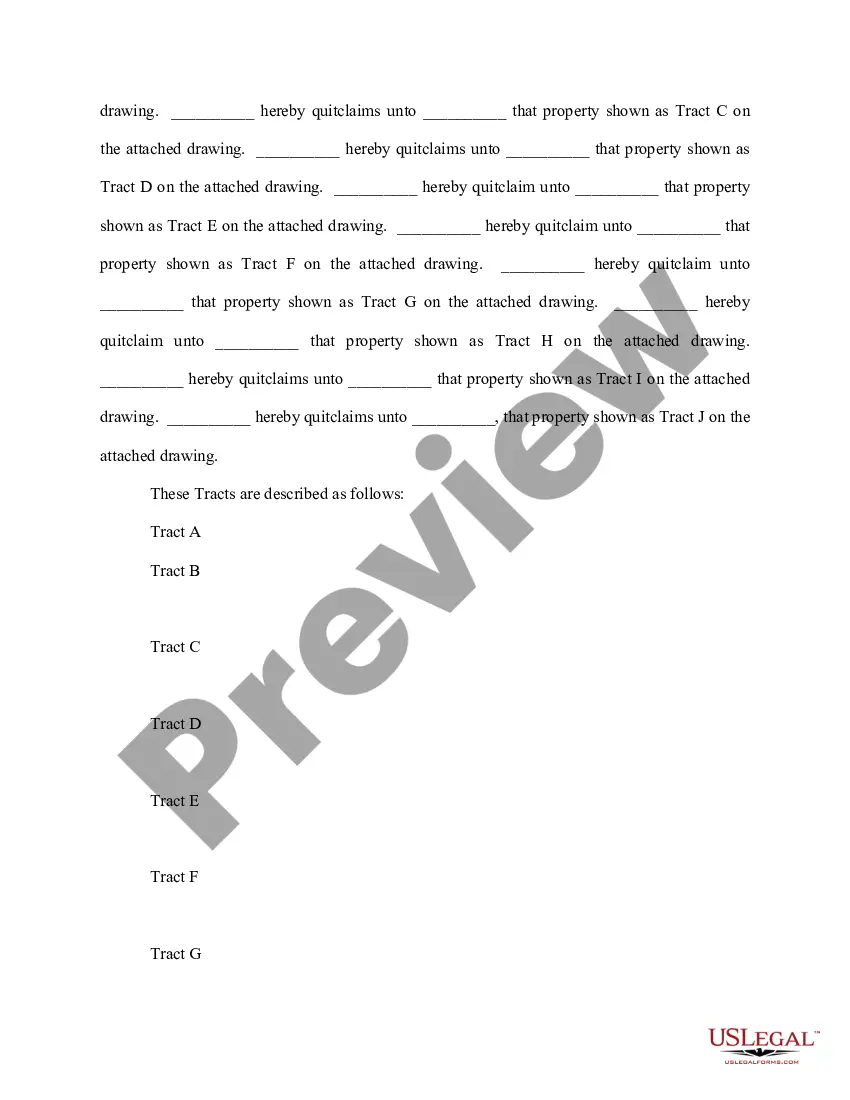

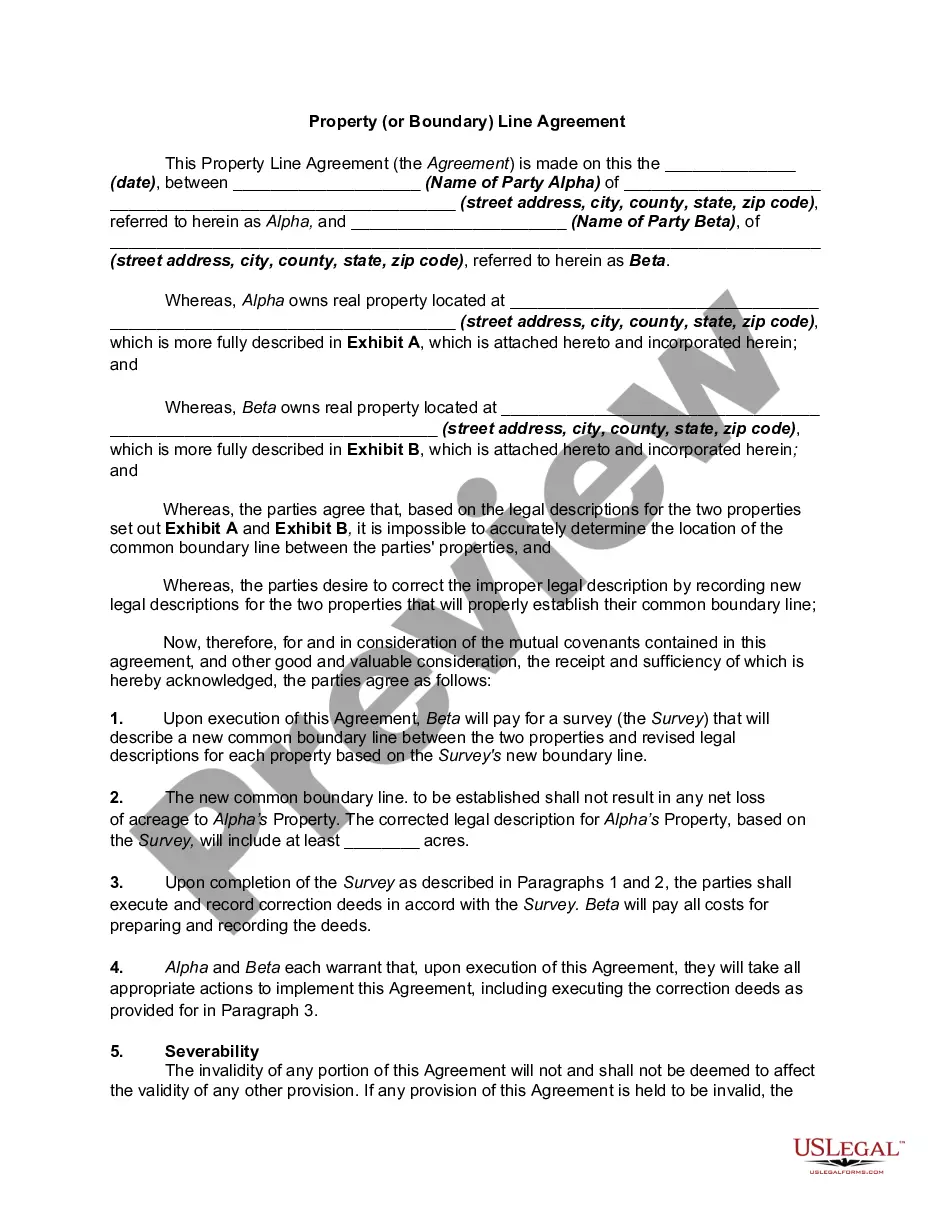
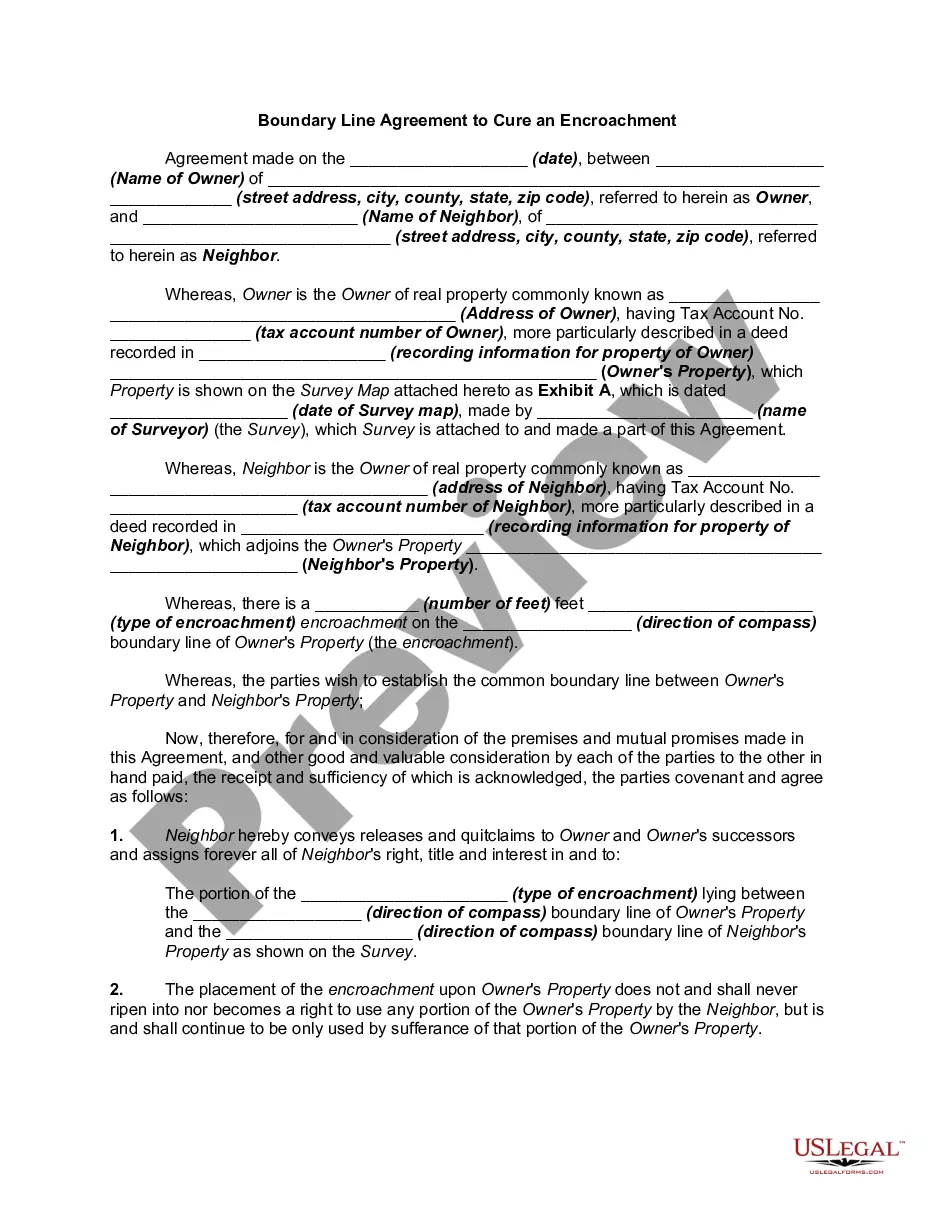
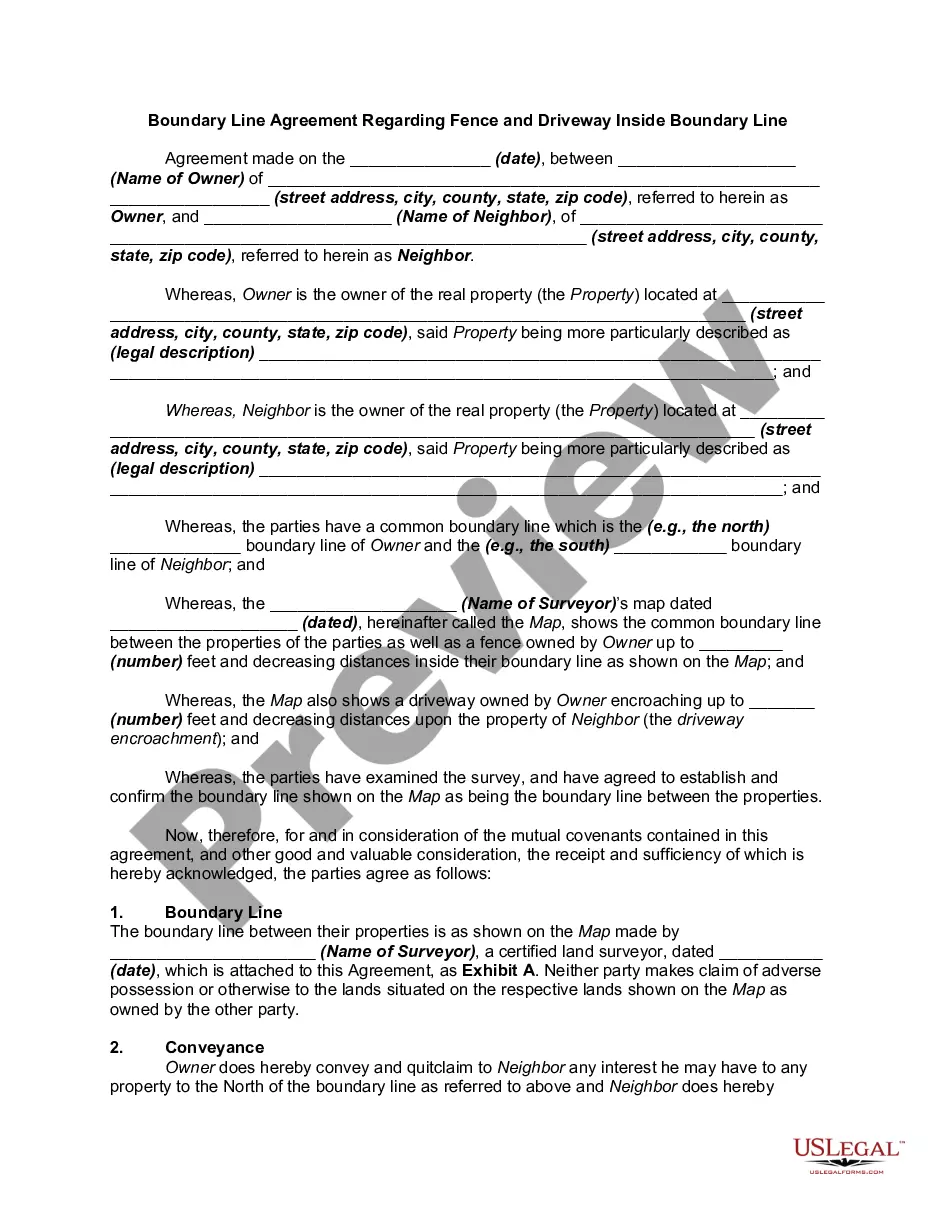
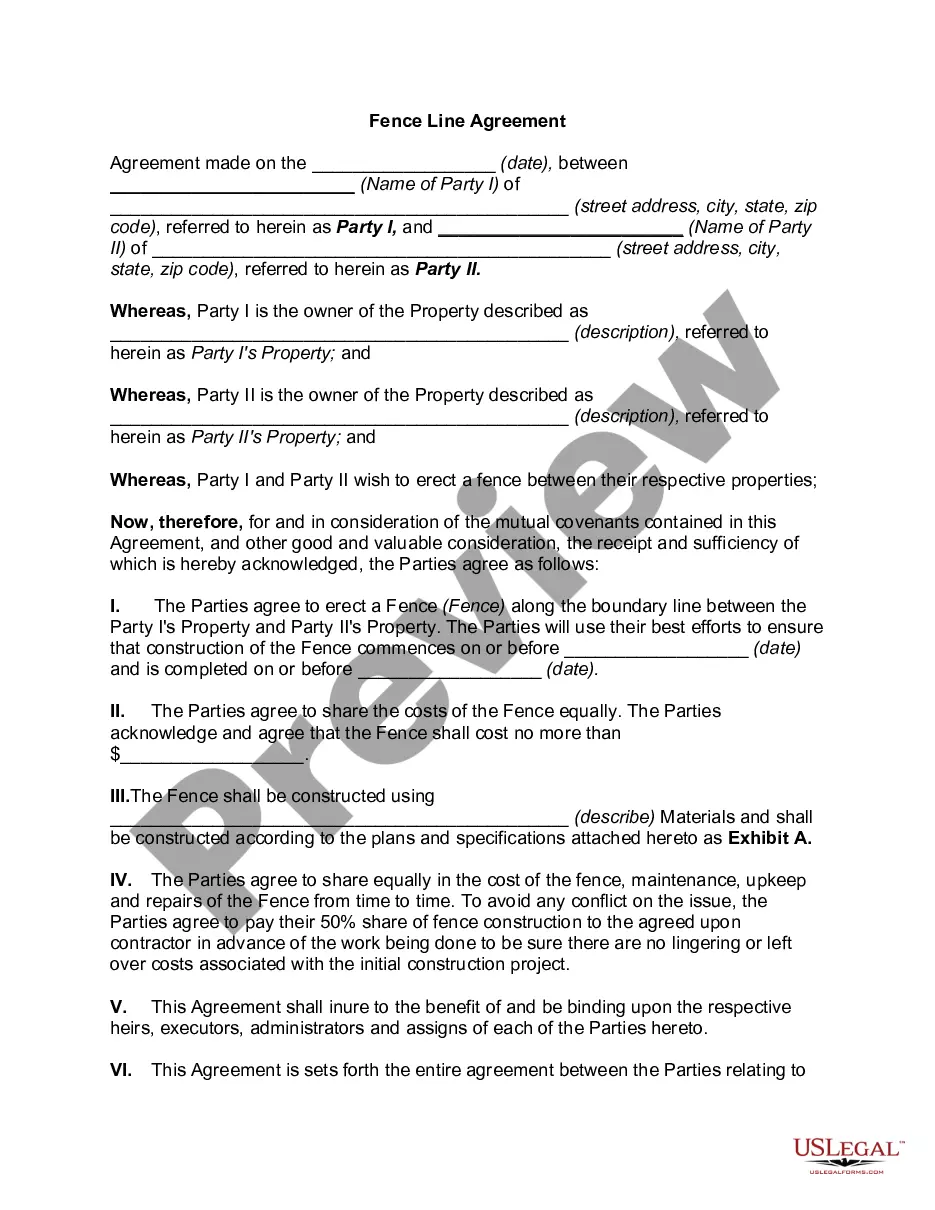
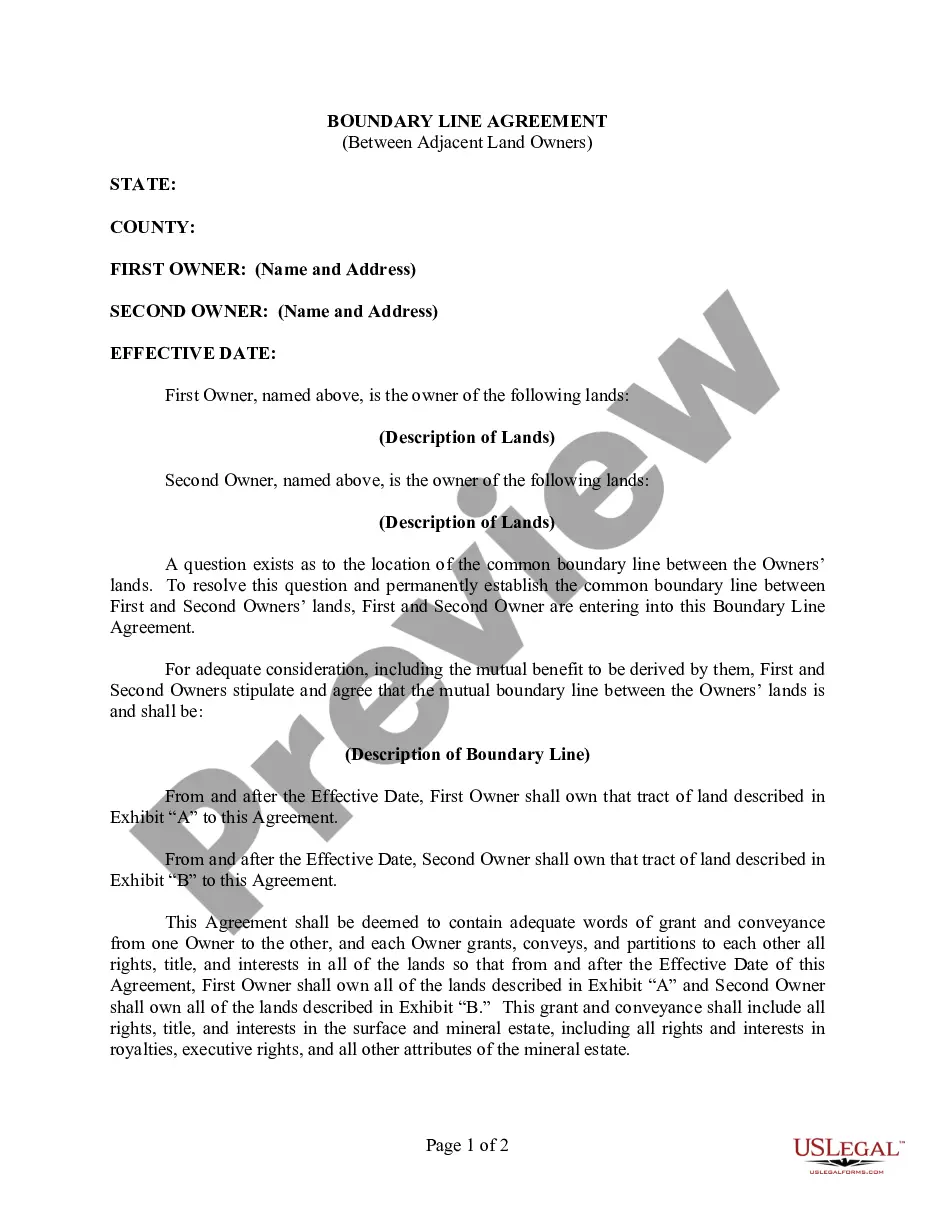
Get your form ready online
Our built-in tools help you complete, sign, share, and store your documents in one place.
Make edits, fill in missing information, and update formatting in US Legal Forms—just like you would in MS Word.
Download a copy, print it, send it by email, or mail it via USPS—whatever works best for your next step.
Sign and collect signatures with our SignNow integration. Send to multiple recipients, set reminders, and more. Go Premium to unlock E-Sign.
If this form requires notarization, complete it online through a secure video call—no need to meet a notary in person or wait for an appointment.
We protect your documents and personal data by following strict security and privacy standards.

Make edits, fill in missing information, and update formatting in US Legal Forms—just like you would in MS Word.

Download a copy, print it, send it by email, or mail it via USPS—whatever works best for your next step.

Sign and collect signatures with our SignNow integration. Send to multiple recipients, set reminders, and more. Go Premium to unlock E-Sign.

If this form requires notarization, complete it online through a secure video call—no need to meet a notary in person or wait for an appointment.

We protect your documents and personal data by following strict security and privacy standards.
Looking for another form?








Form popularity
FAQ
A freestanding accessory structure that is between 8.5 feet and 12 feet in height may be located as close as five feet to any side or rear lot line.
The Fairfax County Zoning Ordinance defines how many people can live in a house, how much space is needed, and safe living conditions which generally are: No more than one family plus two renters in one house, or • No more than four unrelated people in one house.
The Fairfax County Zoning Ordinance is Chapter 112 of the County Code. It is the means of implementing the Comprehensive Plan that regulates land use and structures and creates distinct districts for land uses.
While there are general guidelines for setbacks, the specific requirements can vary significantly depending on your location and local building codes. However, a common standard is to set your garage back 5 to 10 feet from your property line.
A building permit is required for any structure over 256 square feet and the setbacks could range from 5' to 15' from the sides and rear property lines.
♦ Front yard: A yard extending across the full width of a lot and lying between the front lot line. and principal building. Note: Corner lots have two or more front yards. ♦ Rear yard: The yard extending across the full width of the lot, lying between the rear lot line. and the principal building.
One-story detached structures that are used as tool and storage sheds, playhouses or similar uses that do not exceed 256 square feet and are not classified as Group F-1 or H occupancy are exempt from application for a permit.
Record Plat Call 703-222-0801, TTY 711. Monday through Thursday from 8 a.m. to 4 p.m. and Friday from a.m. to 4 p.m. LDS Permit Library: Access guides to navigate every record type in PLUS. Letters to Industry: Subscribe for LDS announcements, notices, and tech bulletins.
The Fairfax County town of Fairfax was named an independent city in 1961. The federal government's growth during and after World War II spurred rapid growth in the county and transformed it from a rural to suburban region.
Property Number (On your Fairfax County property bill, look near the top or bottom right corner after "Include this Number on your Check:")
