Settlement Against Estate With Partition In Wayne
Description


Get your form ready online
Our built-in tools help you complete, sign, share, and store your documents in one place.
Make edits, fill in missing information, and update formatting in US Legal Forms—just like you would in MS Word.
Download a copy, print it, send it by email, or mail it via USPS—whatever works best for your next step.
Sign and collect signatures with our SignNow integration. Send to multiple recipients, set reminders, and more. Go Premium to unlock E-Sign.
If this form requires notarization, complete it online through a secure video call—no need to meet a notary in person or wait for an appointment.
We protect your documents and personal data by following strict security and privacy standards.

Make edits, fill in missing information, and update formatting in US Legal Forms—just like you would in MS Word.

Download a copy, print it, send it by email, or mail it via USPS—whatever works best for your next step.

Sign and collect signatures with our SignNow integration. Send to multiple recipients, set reminders, and more. Go Premium to unlock E-Sign.

If this form requires notarization, complete it online through a secure video call—no need to meet a notary in person or wait for an appointment.

We protect your documents and personal data by following strict security and privacy standards.
Looking for another form?

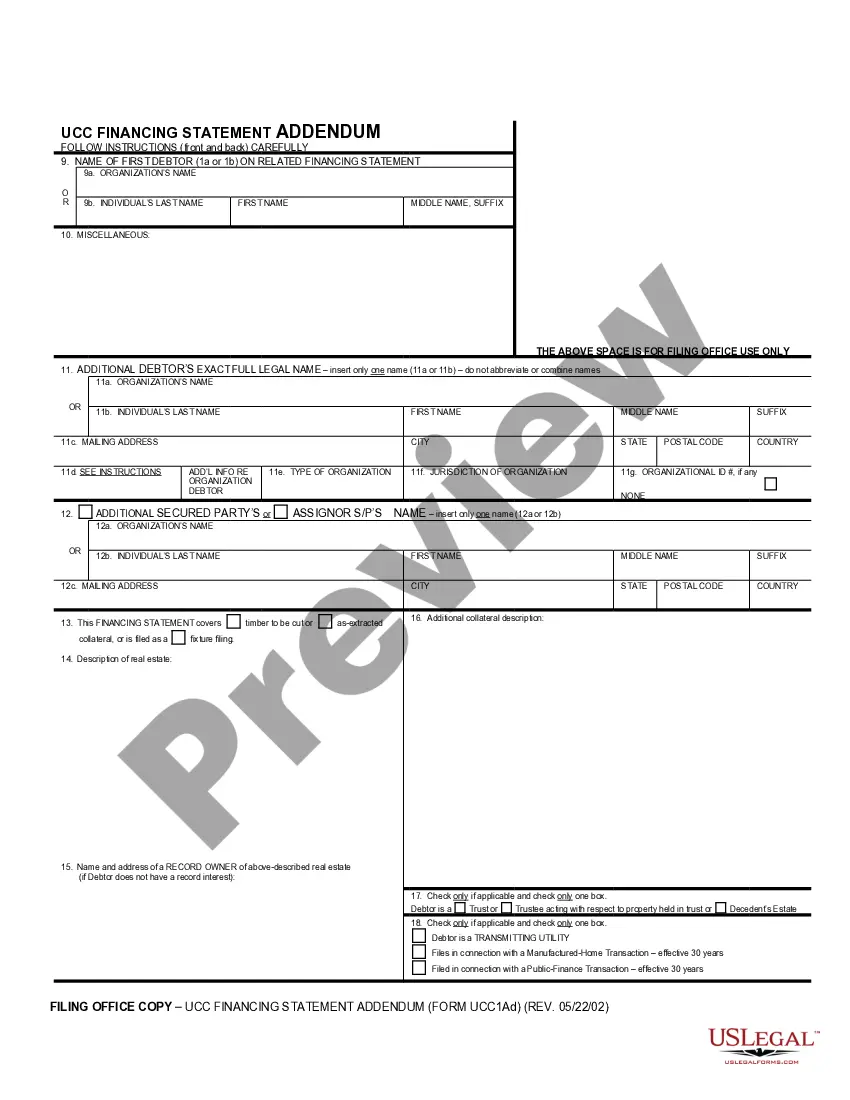







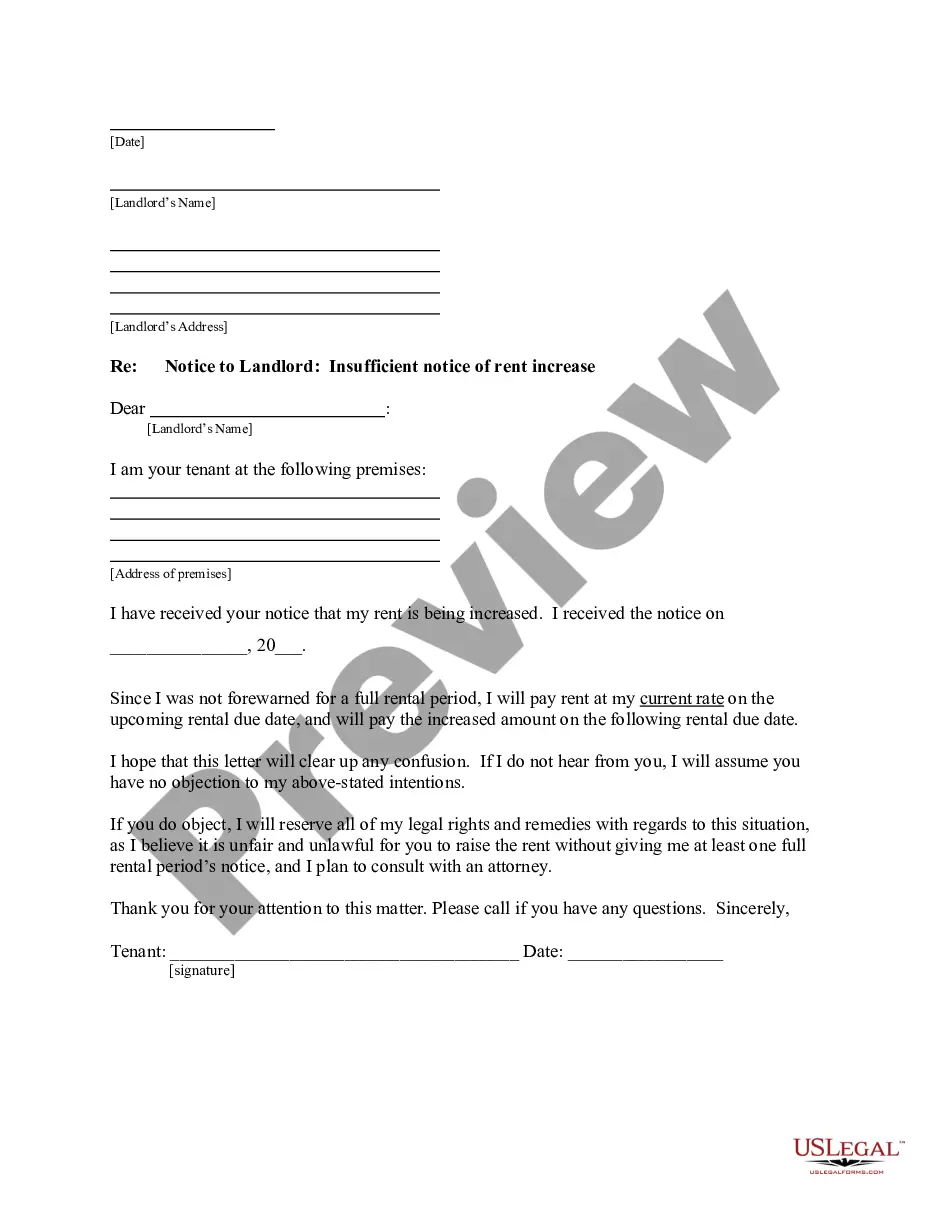
Form popularity
FAQ
A petition to partition is considered a special proceeding by our legislature, meaning it follows a different set of procedures. It must be filed with the Clerk of Court in the Superior Court division of the county (or one of the counties) where the real estate is located.
A partition action usually takes between six to nine months depending on the circumstances and the complexity of each case. The most significant factor is whether the partition is being handled by an attorney who practices only in partition law.
Assets that pass directly to beneficiaries without having to go through probate include: Any property jointly owned by the decedent and a survivor. Any property held in a trust. Life insurance policies with named beneficiaries. Retirement accounts with named beneficiaries. Bank accounts with named beneficiaries.
Creating a trust is an excellent option for avoiding probate, as well as some of the unintended consequences described above. A living trust is one of the most common types of trust, and it allows you to use and control all assets in the trust during your lifetime.
Claims of $25,000 or less are handled in District Court. Claims greater than $25,000 are handled in Circuit Court.
Probate Court has exclusive jurisdiction over certain special types of cases: estates, guardianships of incompetent persons and minors, name changes of adults and minors, and adoptions. The Probate Court also issues marriage licenses.
The court's respon- sibility is to handle an estate when someone dies and to determine whether or not that person's residence and property lies within the county in order to probate the decedent's estate. The court must then appoint a personal repre- sentative for the estate and admit the will of the decedent.
In unsupervised probate, the personal representative is responsible for administering the estate without direct court oversight. This type of probate is typically used when the estate is straightforward, and there are no disputes among heirs or creditors. This is the simpler and less costly way to probate an estate.
To demand a partition or division of the common property is in with Article 494 of the Civil Code, that is, no co-owner shall be obliged to remain in the co-ownership and that each co-owner may demand at any time partition of the thing owned in common insofar as his or her share is concerned.
To demand a partition or division of the common property is in with Article 494 of the Civil Code, that is, no co-owner shall be obliged to remain in the co-ownership and that each co-owner may demand at any time partition of the thing owned in common insofar as his or her share is concerned.

