Letter Settlement Estate Sample With Deed Of Donation In Wayne
Description


Get your form ready online
Our built-in tools help you complete, sign, share, and store your documents in one place.
Make edits, fill in missing information, and update formatting in US Legal Forms—just like you would in MS Word.
Download a copy, print it, send it by email, or mail it via USPS—whatever works best for your next step.
Sign and collect signatures with our SignNow integration. Send to multiple recipients, set reminders, and more. Go Premium to unlock E-Sign.
If this form requires notarization, complete it online through a secure video call—no need to meet a notary in person or wait for an appointment.
We protect your documents and personal data by following strict security and privacy standards.

Make edits, fill in missing information, and update formatting in US Legal Forms—just like you would in MS Word.

Download a copy, print it, send it by email, or mail it via USPS—whatever works best for your next step.

Sign and collect signatures with our SignNow integration. Send to multiple recipients, set reminders, and more. Go Premium to unlock E-Sign.

If this form requires notarization, complete it online through a secure video call—no need to meet a notary in person or wait for an appointment.

We protect your documents and personal data by following strict security and privacy standards.
Looking for another form?
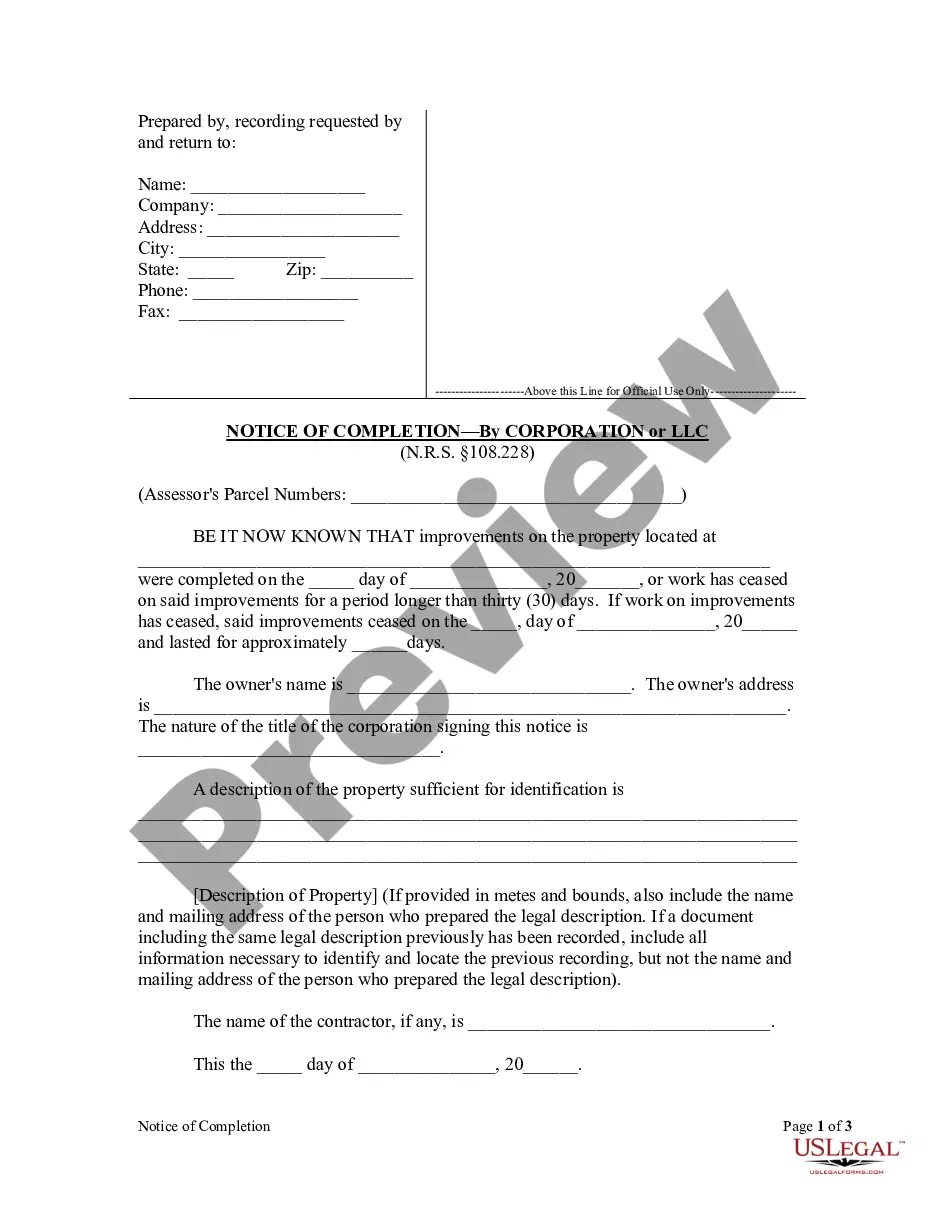
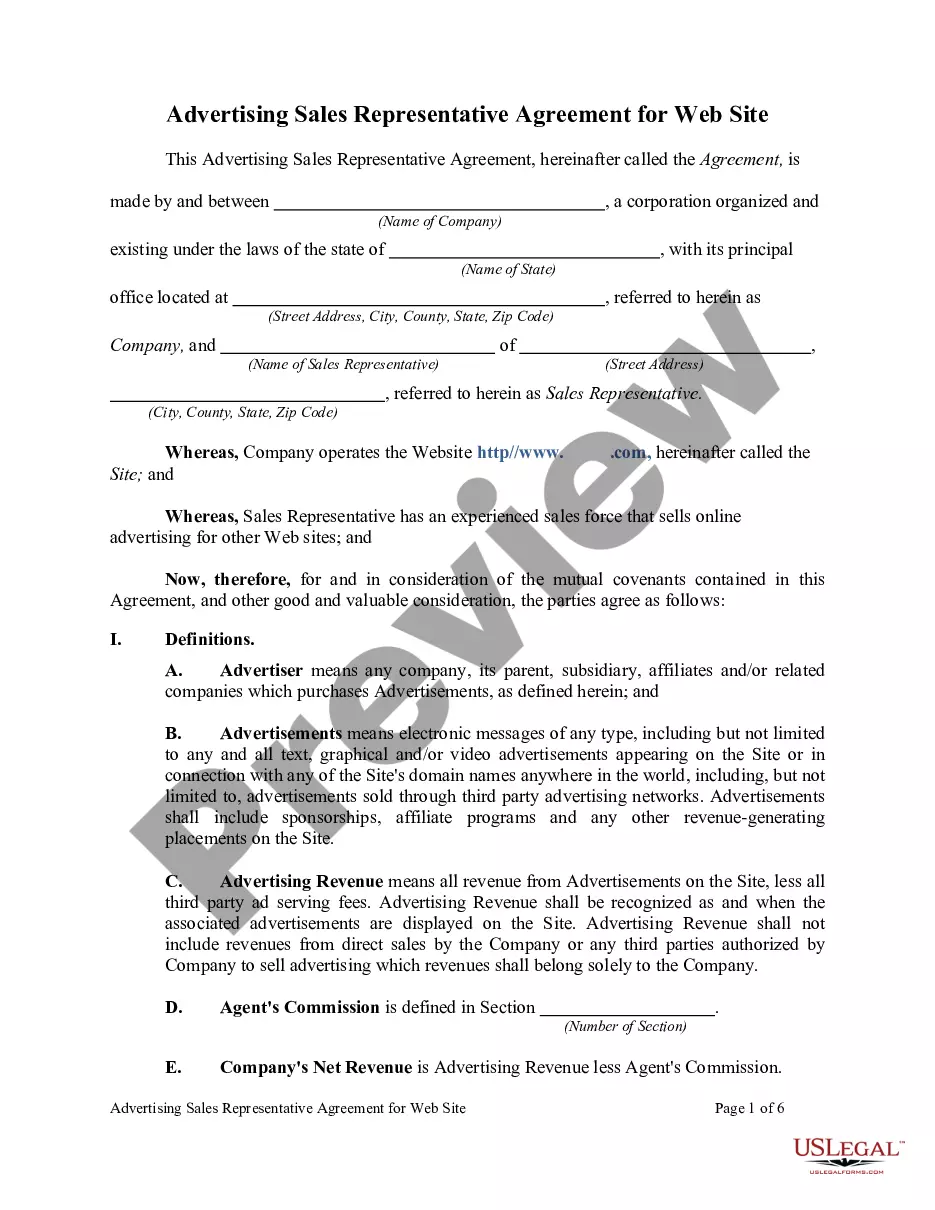








Form popularity
FAQ
Revocation by the Donor for Non-fulfillment of a Condition (Article 764): If the donation is made with a resolutory condition, and the donee fails to comply with or fulfill that condition, the donor may revoke the donation. Upon revocation, the donated property will revert to the donor.
Legal Basis for Donations in the Philippines The law governing donations is primarily found in Articles 725 to 773 of the Civil Code of the Philippines. Article 725 defines donation as an act where a person disposes of property or a right gratuitously in favor of another. The donee must accept the donation.
Donations can be revoked due to ingratitude or other grounds specified by law. Additionally, if a donation infringes on the legitime (compulsory portion) of forced heirs, it may be subject to reduction.
Typically, a deed of donation does not have a specific expiration date unless otherwise stated in the terms of the agreement. Once the donor voluntarily transfers the property, and the donee accepts it, the deed becomes binding and generally remains effective as long as the conditions in the deed are fulfilled.
7. Procedures for Executing a Deed of Donation Preparation of the Deed. Verification of Title. Tax Clearance / Real Property Tax. Donor and Donee Execution. Notarization. Payment of Donor's Tax. Registration with the Registry of Deeds. Assessment of Transfer Taxes and Fees.
Under Philippine law, a Deed of Donation refers to a legal instrument where one party (the donor) gratuitously transfers ownership of property to another party (the donee). Donations are generally governed by the Civil Code of the Philippines, specifically Title III on "Donations" (Articles 725 to 773).
Donor's Tax: One of the main costs in a Deed of Donation is the donor's tax. Under the current Philippine Tax Code, donations between parents and children are taxed at a flat rate of 6% of the fair market value (FMV) or zonal value of the property, whichever is higher.
Typically, a deed of donation does not have a specific expiration date unless otherwise stated in the terms of the agreement. Once the donor voluntarily transfers the property, and the donee accepts it, the deed becomes binding and generally remains effective as long as the conditions in the deed are fulfilled.

