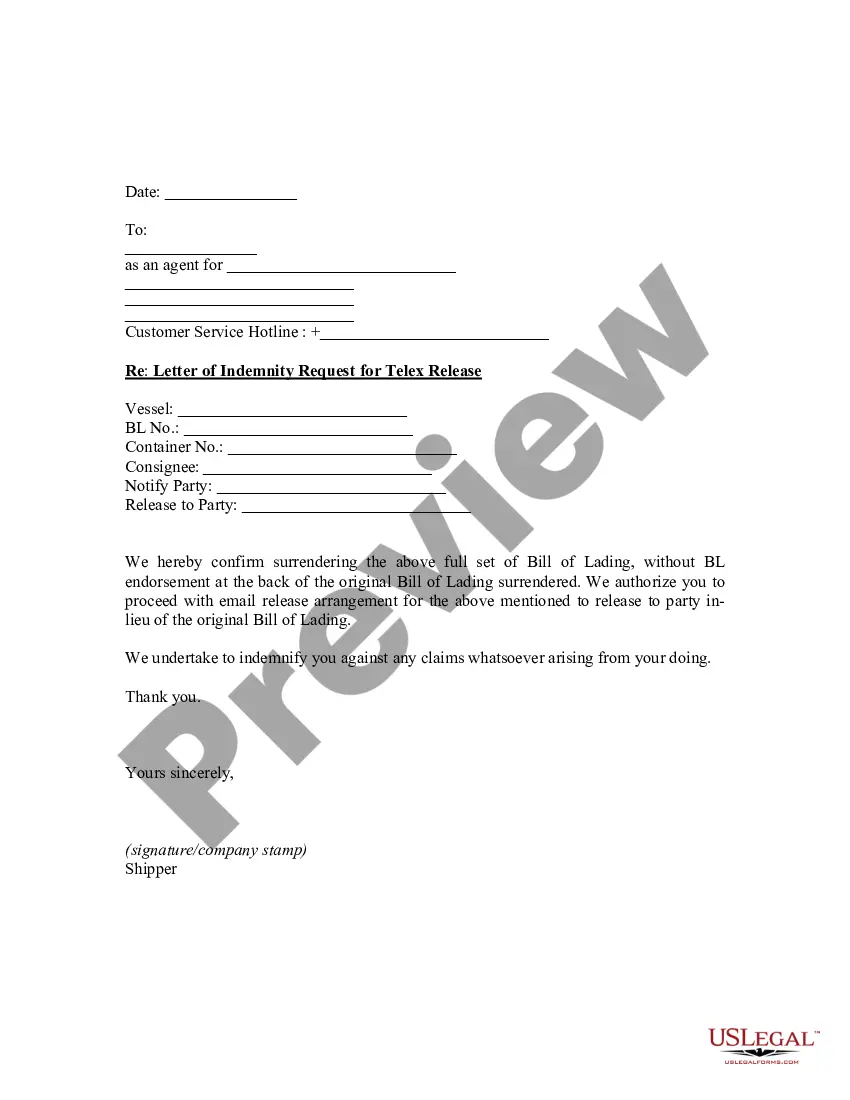
Claim Against Estate File Formal In Wayne
Description


Get your form ready online
Our built-in tools help you complete, sign, share, and store your documents in one place.
Make edits, fill in missing information, and update formatting in US Legal Forms—just like you would in MS Word.
Download a copy, print it, send it by email, or mail it via USPS—whatever works best for your next step.
Sign and collect signatures with our SignNow integration. Send to multiple recipients, set reminders, and more. Go Premium to unlock E-Sign.
If this form requires notarization, complete it online through a secure video call—no need to meet a notary in person or wait for an appointment.
We protect your documents and personal data by following strict security and privacy standards.

Make edits, fill in missing information, and update formatting in US Legal Forms—just like you would in MS Word.

Download a copy, print it, send it by email, or mail it via USPS—whatever works best for your next step.

Sign and collect signatures with our SignNow integration. Send to multiple recipients, set reminders, and more. Go Premium to unlock E-Sign.

If this form requires notarization, complete it online through a secure video call—no need to meet a notary in person or wait for an appointment.

We protect your documents and personal data by following strict security and privacy standards.
Looking for another form?








Form popularity
FAQ
The timeline for distributing funds after probate depends largely on the complexity of the estate. For straightforward estates with minimal assets, such as a single bank account and no property, beneficiaries might receive their inheritance within six months.
When a property has to be sold it is wise to use a solicitor to complete that process. The executor has to wait for at least 6 months after a death before distributing the possessions and assets.
Understanding the Deceased Estate 3-Year Rule The core premise of the 3-year rule is that if the deceased's estate is not claimed or administered within three years of their death, the state or governing body may step in and take control of the distribution and management of the assets.
After someone dies, certain individuals have a legal right to make a claim to the estate if they feel that they haven't been adequately provided for in the deceased's will. These individuals include the deceased's spouse and their children, amongst others.
How long after probate can funds be distributed in the UK? A Personal Representative, or executor, has 365 days in which to administer the estate of the deceased and to distribute their assets to the Beneficiaries. As complex estates can take longer than a year to wind up, this isn't a strict deadline.
If the concerns about the behaviour of the Executor still remain, you may be able to make an application to the Court to seek an Order for the current Executor to be removed.
In Ontario, there is a general two-year limitation period in which a person can bring a claim in court on a civil matter.
Probate is not always required in order to administer an estate. The type of assets in the estate usually determine whether an estate should be probated. If the deceased owned real property or assets held by a financial institution, the estate normally must be probated.
Form 74A – Application for a Certificate of Appointment of Estate Trustee; Form 74.1A – Application for Small Estates Certificate; and. Form 74J – Application for Certificate or Confirmation of Appointment.
To submit and process an estate claim in Ontario, executors or administrators must first file the claim with the court along with supporting documents. The court will review all materials before deciding whether to grant or deny the claim. Upon approval, the transaction declared in the claim can then be completed.