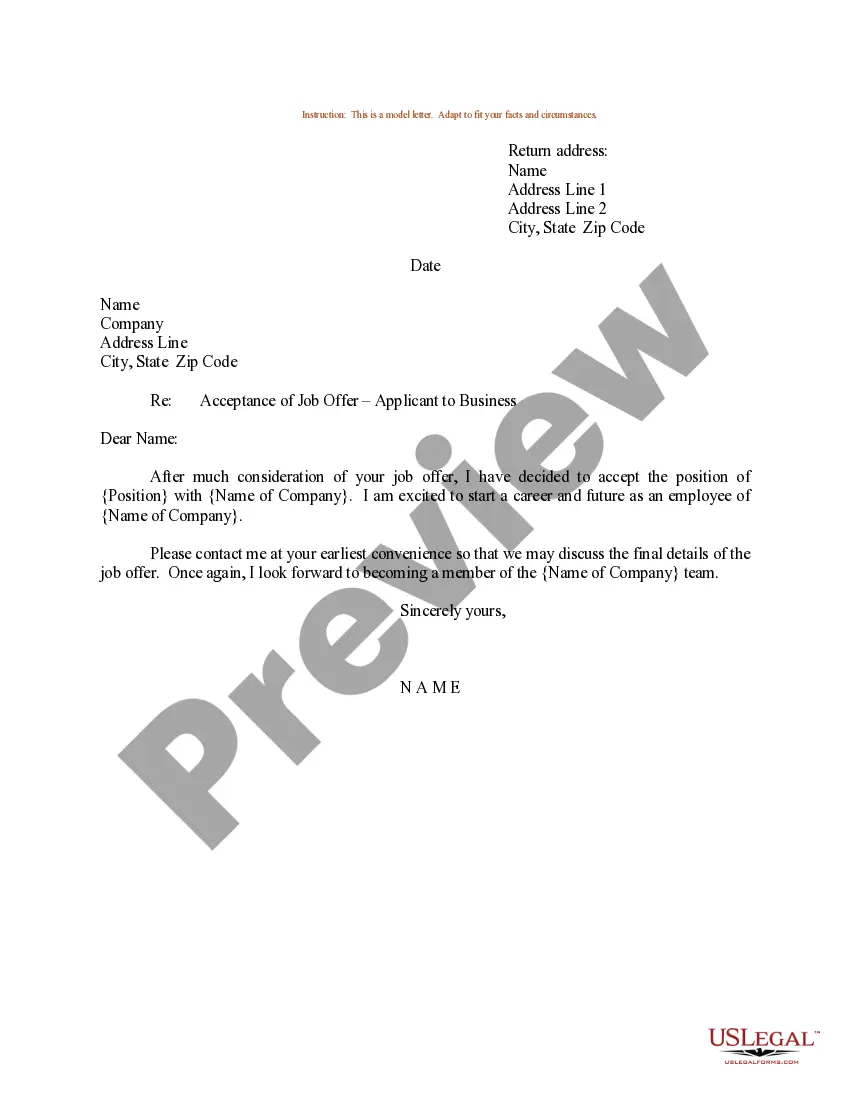
Sample Statement Of Claim For Debt Recovery In Virginia
Description


Get your form ready online
Our built-in tools help you complete, sign, share, and store your documents in one place.
Make edits, fill in missing information, and update formatting in US Legal Forms—just like you would in MS Word.
Download a copy, print it, send it by email, or mail it via USPS—whatever works best for your next step.
Sign and collect signatures with our SignNow integration. Send to multiple recipients, set reminders, and more. Go Premium to unlock E-Sign.
If this form requires notarization, complete it online through a secure video call—no need to meet a notary in person or wait for an appointment.
We protect your documents and personal data by following strict security and privacy standards.

Make edits, fill in missing information, and update formatting in US Legal Forms—just like you would in MS Word.

Download a copy, print it, send it by email, or mail it via USPS—whatever works best for your next step.

Sign and collect signatures with our SignNow integration. Send to multiple recipients, set reminders, and more. Go Premium to unlock E-Sign.

If this form requires notarization, complete it online through a secure video call—no need to meet a notary in person or wait for an appointment.

We protect your documents and personal data by following strict security and privacy standards.
Looking for another form?

Form popularity
FAQ
VA Code Ann. § 8.01-251(B). A judgment expires ten years from the date of entry.
In actions on any contract that is not otherwise specified and that is in writing and signed by the party to be charged thereby, or by his agent, within five years whether such writing be under seal or not." In other words, the Virginia statute of limitations for debt collection is generally five years.
Statutes of Limitations for Each State (In Number of Years) StateWritten contractsOpen-ended accounts (including credit cards) Vermont 6 6 Virginia 5 3 Washington 6 6 West Virginia 10 547 more rows
Defenses: You may have valid defenses to the debt, such as statute of limitations, improper service of the warrant, or lack of evidence supporting the creditor's claims.
Paying the debt will typically resolve the matter, and the case may be dismissed. If the payments are more than you can afford, many Virginians file bankruptcy in order to stop garnishments or other warrant in debt consequences.