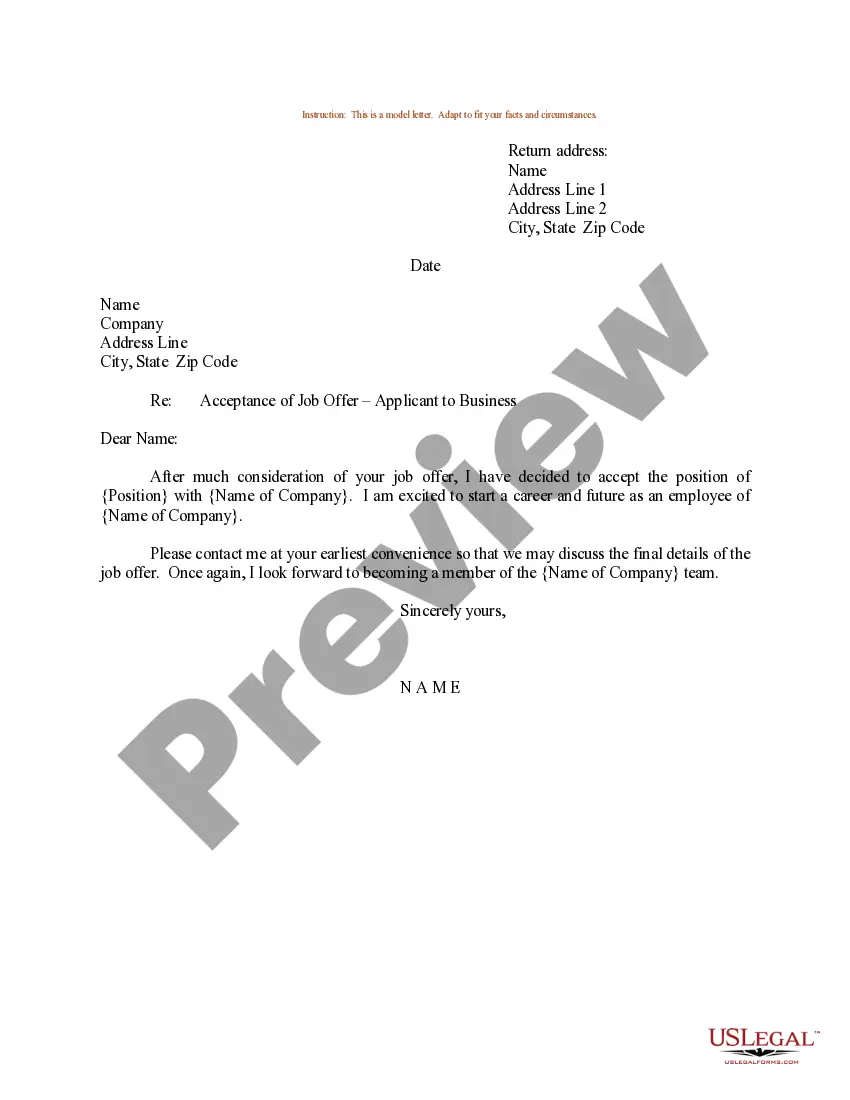
Sample Claim Statement With Negligence In San Jose
Description


Get your form ready online
Our built-in tools help you complete, sign, share, and store your documents in one place.
Make edits, fill in missing information, and update formatting in US Legal Forms—just like you would in MS Word.
Download a copy, print it, send it by email, or mail it via USPS—whatever works best for your next step.
Sign and collect signatures with our SignNow integration. Send to multiple recipients, set reminders, and more. Go Premium to unlock E-Sign.
If this form requires notarization, complete it online through a secure video call—no need to meet a notary in person or wait for an appointment.
We protect your documents and personal data by following strict security and privacy standards.

Make edits, fill in missing information, and update formatting in US Legal Forms—just like you would in MS Word.

Download a copy, print it, send it by email, or mail it via USPS—whatever works best for your next step.

Sign and collect signatures with our SignNow integration. Send to multiple recipients, set reminders, and more. Go Premium to unlock E-Sign.

If this form requires notarization, complete it online through a secure video call—no need to meet a notary in person or wait for an appointment.

We protect your documents and personal data by following strict security and privacy standards.
Looking for another form?









Form popularity
FAQ
For liability in negligence to be founded, four key ingredients must be present: duty of care owed by the defendant to the claimant. breach of that duty. damage (which is caused by the breach) Foreseeability of such damage.
Negligence (Lat. negligentia) is a failure to exercise appropriate care expected to be exercised in similar circumstances.
To file a claim under the CTCA, one must provide timely notice, which includes detailed information such as the claimant's name, address, and description of the incident and loss. There's a six-month deadline for filing a claim from the event causing injury.
For liability in negligence to be founded, four key ingredients must be present: duty of care owed by the defendant to the claimant. breach of that duty. damage (which is caused by the breach) Foreseeability of such damage.
The accident was caused by the negligence of employees of the defendants. Clinical negligence is in serious need of reform. He said it did not entail medical negligence.
Some common negligence case examples under this category include, but are not limited to, the following scenarios: A driver runs a stop sign and slams into another car. A driver operates illegally in the bicycle lane and hits a bicyclist. A driver runs a red light and hits a pedestrian in a crosswalk.
Most civil lawsuits for injuries allege the wrongdoer was negligent. To win in a negligence lawsuit, the victim must establish 4 elements: (1) the wrongdoer owed a duty to the victim, (2) the wrongdoer breached the duty, (3) the breach caused the injury (4) the victim suffered damages.
Elements of Negligence (1) Duty of Care. The first thing that needs to be established is that there was a duty of care on the part of the defendant. (2) Causation. You must be able to prove that the defendant's negligence caused the incident. (3) Breach of Duty. (4) Damages.
Identify the Issue : Clearly define what behaviors or actions are considered negligent. Document Everything : Keep detailed records of incidents, including dates, times, and the impact of the negligence on the team or organization. Communicate Directly : Schedule a private me
How To Avoid Being Negligent When It Comes To Risk Start With Due Diligence. Form A Mitigation Plan. Consult With Professionals. Perform Regular Inspections/Assessments. Establish Clear Communication and Education. Keep Clear, Concise, And Updated Documentation of Everything.