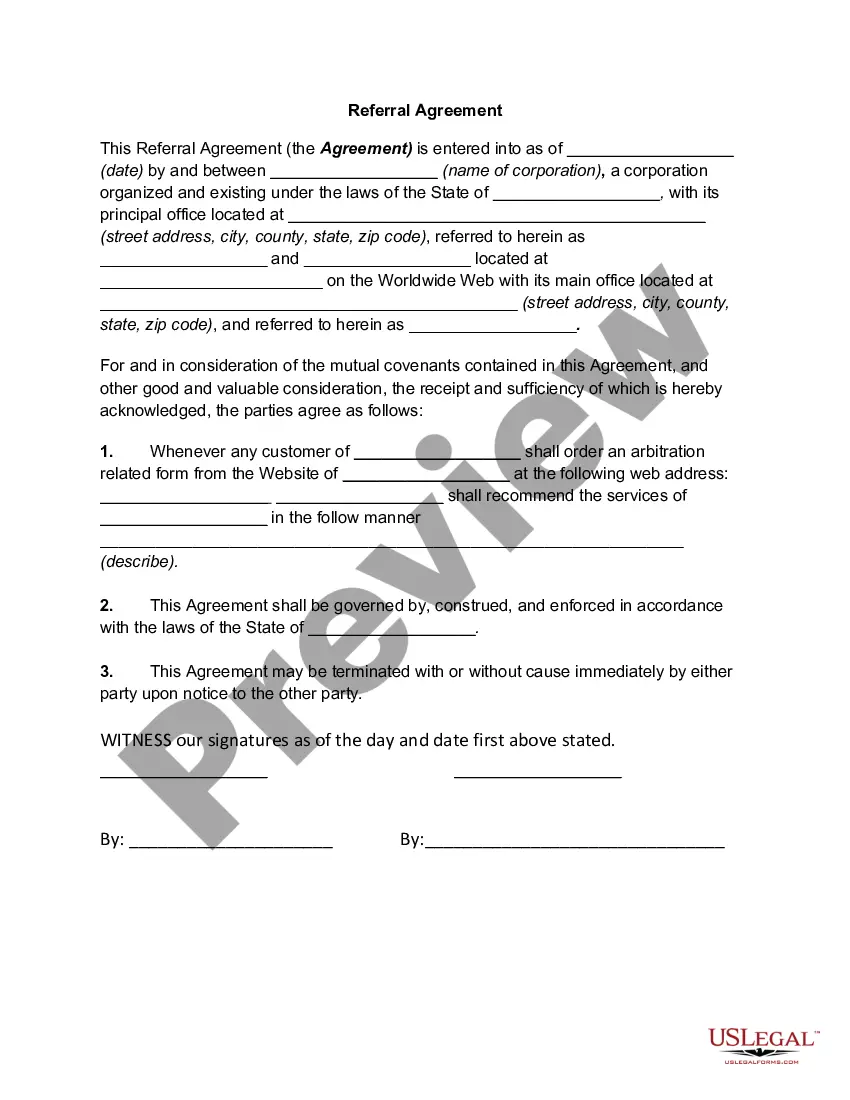
Claim Against Estate File Format In Salt Lake
Description


Get your form ready online
Our built-in tools help you complete, sign, share, and store your documents in one place.
Make edits, fill in missing information, and update formatting in US Legal Forms—just like you would in MS Word.
Download a copy, print it, send it by email, or mail it via USPS—whatever works best for your next step.
Sign and collect signatures with our SignNow integration. Send to multiple recipients, set reminders, and more. Go Premium to unlock E-Sign.
If this form requires notarization, complete it online through a secure video call—no need to meet a notary in person or wait for an appointment.
We protect your documents and personal data by following strict security and privacy standards.

Make edits, fill in missing information, and update formatting in US Legal Forms—just like you would in MS Word.

Download a copy, print it, send it by email, or mail it via USPS—whatever works best for your next step.

Sign and collect signatures with our SignNow integration. Send to multiple recipients, set reminders, and more. Go Premium to unlock E-Sign.

If this form requires notarization, complete it online through a secure video call—no need to meet a notary in person or wait for an appointment.

We protect your documents and personal data by following strict security and privacy standards.
Looking for another form?

Form popularity
FAQ
The best way to leave a property to someone is through a trust. That way it goes directly to him and bypass the probate process. Also, leave a will.
Who may file. Anyone may file a probate case. To be appointed the personal representative, an applicant must be at least 21 years old.
Privacy Concerns. One common question that arises is whether wills are public record in Utah. The good news is that, in most cases, wills are kept private until the individual passes away.
Probate is required if: the estate includes real property (land, house, inium, mineral rights) of any value, and/or. the estate has assets (other than land, and not including cars) whose net worth is more than $100,000.
One common method is to create a revocable trust. A revocable trust allows you to maintain control of your property during your life, and decide how the property is distributed after death, without needing to go through probate court.
In Utah, you can make a living trust to avoid probate for virtually any asset you own—real estate, bank accounts, vehicles, and so on. You need to create a trust document (similar to a will), naming someone to take over as trustee after your death (called a "successor trustee").
Ask the County Clerk or search online for your county's probate forms. Fill out the forms with the requested details, such as the decedent's full name, address, date of birth, and date of death; their personal representatives' contact details; heirs; estate value; and more. Then return the forms to the County Clerk.
Submit your claim directly to the probate court and serve a copy on the personal representative. If you file a formal claim and the personal representative rejects it, you can file suit against the estate within three months of the rejection.
Filing a claim against an estate is a fairly simple process: In the claim, you'll state under oath that the debt is owed and provide details on the amount of the debt and any payments the decedent made. If you have written documentation, you can attach it to your claim.