Letter Settlement Estate Sample With Land In Sacramento
Description


Get your form ready online
Our built-in tools help you complete, sign, share, and store your documents in one place.
Make edits, fill in missing information, and update formatting in US Legal Forms—just like you would in MS Word.
Download a copy, print it, send it by email, or mail it via USPS—whatever works best for your next step.
Sign and collect signatures with our SignNow integration. Send to multiple recipients, set reminders, and more. Go Premium to unlock E-Sign.
If this form requires notarization, complete it online through a secure video call—no need to meet a notary in person or wait for an appointment.
We protect your documents and personal data by following strict security and privacy standards.

Make edits, fill in missing information, and update formatting in US Legal Forms—just like you would in MS Word.

Download a copy, print it, send it by email, or mail it via USPS—whatever works best for your next step.

Sign and collect signatures with our SignNow integration. Send to multiple recipients, set reminders, and more. Go Premium to unlock E-Sign.

If this form requires notarization, complete it online through a secure video call—no need to meet a notary in person or wait for an appointment.

We protect your documents and personal data by following strict security and privacy standards.
Looking for another form?

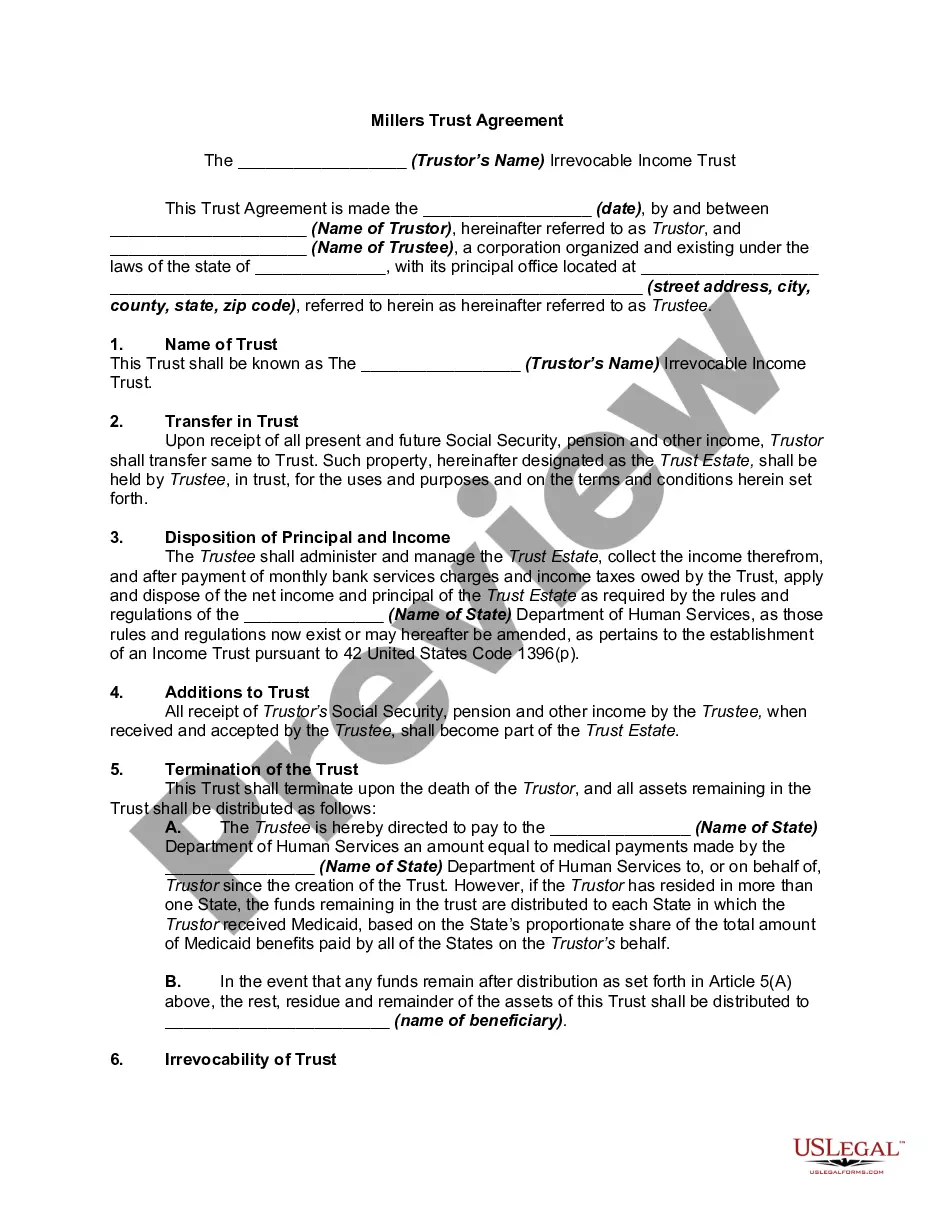

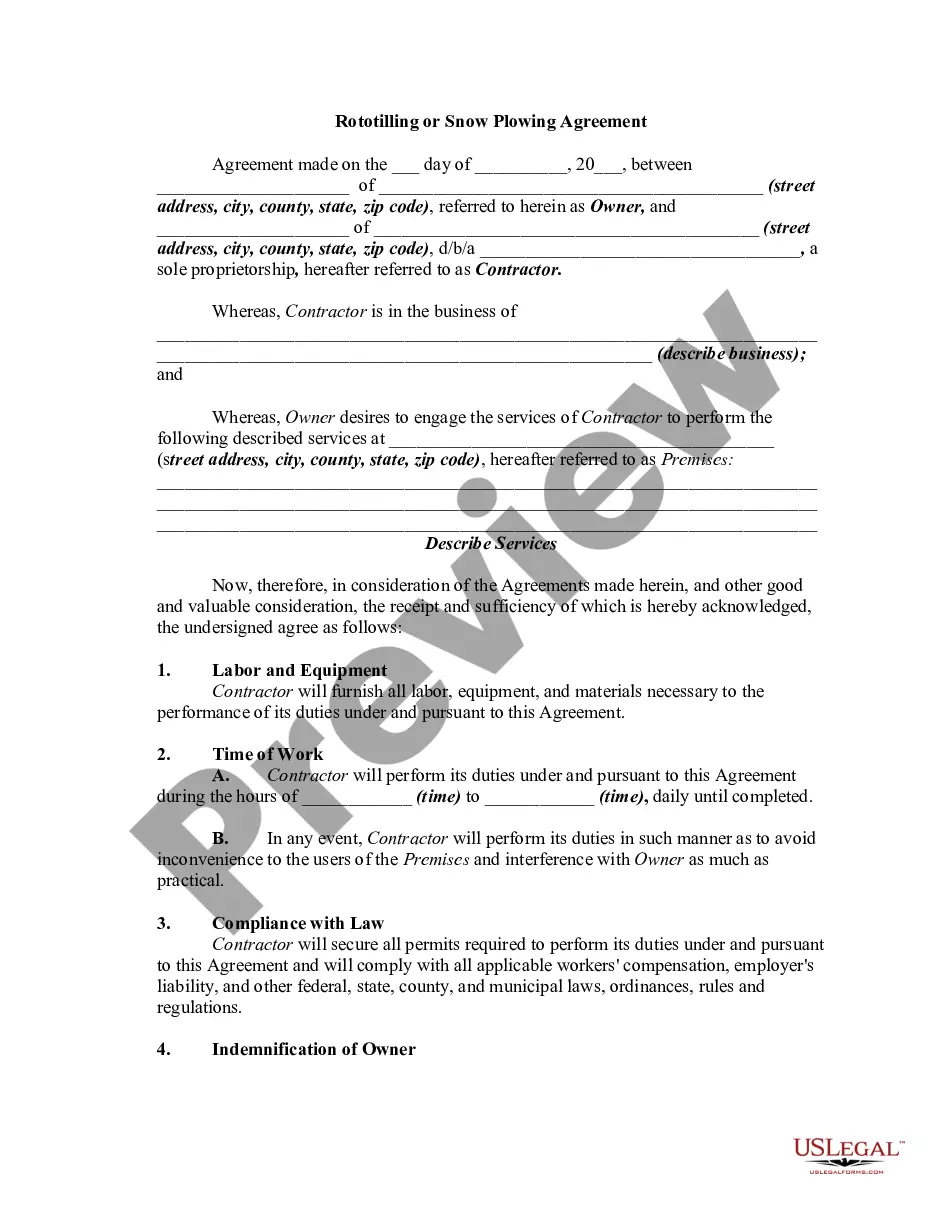


Form popularity
FAQ
A Small Estate Affidavit is not filed with the Court. It is given to the person, company, or financial institution that has the Decedent's property. ➢ If the Decedent died before April 1, 2022, use Affidavit 1. ➢ If the Decedent died on or after April 1, 2022, use Affidavit 2.
Submit your claim directly to the probate court and serve a copy on the personal representative. If you file a formal claim and the personal representative rejects it, you can file suit against the estate within three months of the rejection.
Not all estates need to go through formal probate. Depending on how the property is owned, and the type and amount of property, you may not need to go to court or you may be able to use a simpler court process.
Form 13101 is the specific Small Estate Affidavit used in California. Heirs fill it out to claim the deceased's assets, such as bank accounts and personal property. The affiant must provide accurate information about the deceased and sign under penalty of perjury.
A: To avoid probate in California the estate must be worth less than $166,250.
Overview of a probate case Open a case. You (the person who starts the case) are called the “petitioner." You must file forms with the court to “open probate.” You file a Petition for Probate (form DE-111) along with other court forms. Administer the estate. Close the estate.
In California, smaller estates can avoid going through probate. Currently, a deceased person's estate is only required to go through probate if the estate property is worth over $166,250. If the total value of estate assets is $166,250 or less, the estate may qualify for a non-formal probate case.
Real or personal property that the person who died owned with someone else (joint tenancy) Property (community, quasi-community, or separate) that passed directly to the surviving spouse or domestic partner. Life insurance, death benefits or other assets not subject to probate that pass directly to the beneficiaries.
Small Estate Affidavit If the estate consists solely of personal property (for example a bank account) and the gross value is under $166,250, you could complete an Affidavit (or Declaration) for Collection or Transfer of Personal Property under Probate Code § 13100 , at the Sacramento County Public Law Library.

