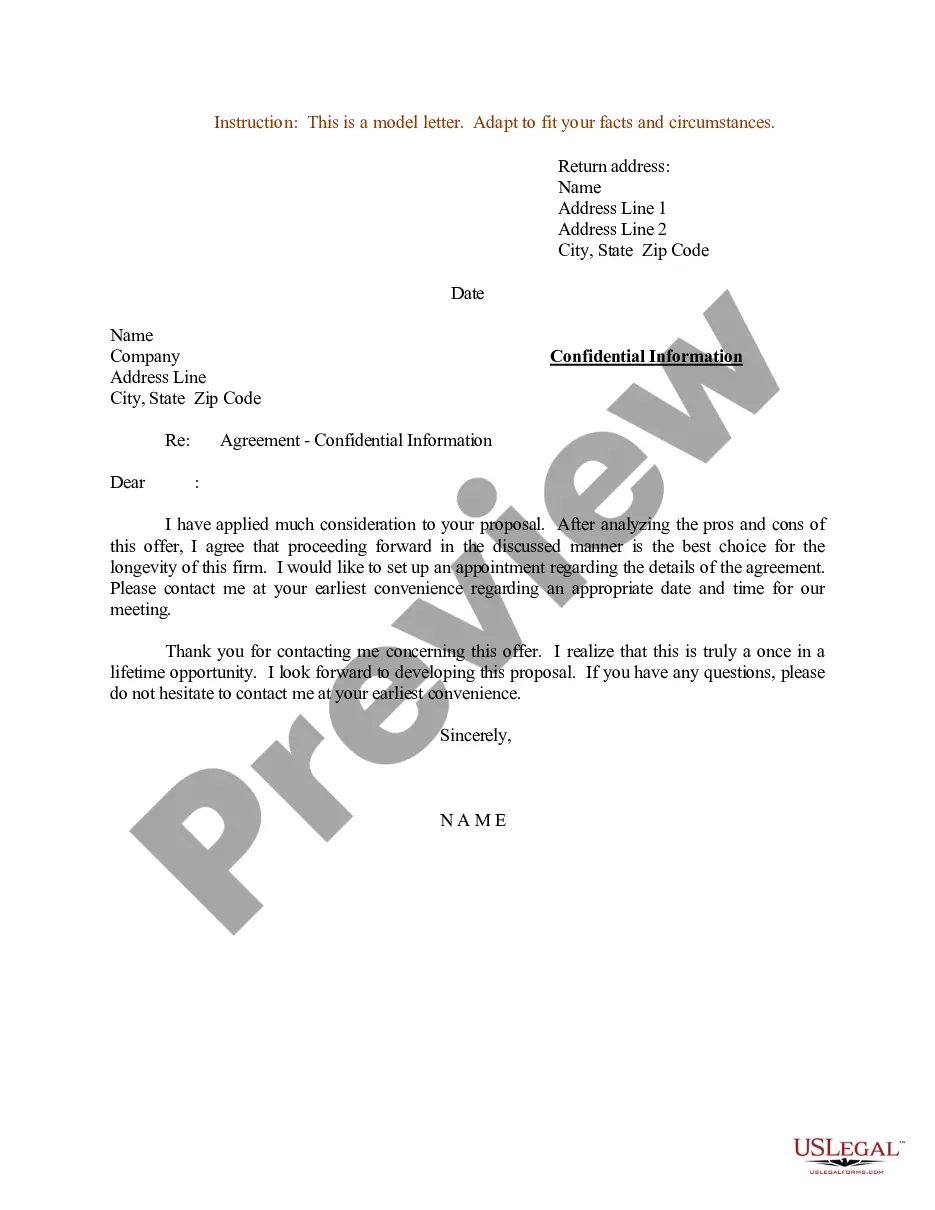
Letter Settlement Estate Sample For Car Accident In Riverside
Description


Get your form ready online
Our built-in tools help you complete, sign, share, and store your documents in one place.
Make edits, fill in missing information, and update formatting in US Legal Forms—just like you would in MS Word.
Download a copy, print it, send it by email, or mail it via USPS—whatever works best for your next step.
Sign and collect signatures with our SignNow integration. Send to multiple recipients, set reminders, and more. Go Premium to unlock E-Sign.
If this form requires notarization, complete it online through a secure video call—no need to meet a notary in person or wait for an appointment.
We protect your documents and personal data by following strict security and privacy standards.

Make edits, fill in missing information, and update formatting in US Legal Forms—just like you would in MS Word.

Download a copy, print it, send it by email, or mail it via USPS—whatever works best for your next step.

Sign and collect signatures with our SignNow integration. Send to multiple recipients, set reminders, and more. Go Premium to unlock E-Sign.

If this form requires notarization, complete it online through a secure video call—no need to meet a notary in person or wait for an appointment.

We protect your documents and personal data by following strict security and privacy standards.
Looking for another form?








Form popularity
FAQ
Components of a Car Accident Settlement Letter Your contact information. The insurance company's information. A clear statement of facts about the accident. Details of your injuries and medical treatment. Information about lost wages and other damages. A specific settlement amount. A deadline for response.
How to Write an Auto Accident Demand Letter Step 1: Organize Necessary Information. Step 2: Provide Basic Information. Step 3: Describe the Auto Accident. Step 4: Outline Your Injuries and Medical Treatment. Step 5: Explain the Impact on Your Life. Step 6: List Your Financial Damages.
A settlement demand letter is a document you send to an opposing party explaining how you were injured, why the opposing party is liable for your damages, and how much compensation you seek. An effective demand letter can help jumpstart negotiations to settle your dispute outside of court without a hearing or a trial.
You can write it yourself. A demand letter is literally what it says, letter that demands something. It's not legally significant. Most people don't take them seriously unless they're from a lawyer, though.
The Nuts and Bolts of a Demand Letter Gather complete information before you start writing. Describe your injuries and medical treatment. List your medical expenses, lost wages, and non-economic damages. Make a settlement demand. Include a deadline for legal action if you want to, but don't bluff.
You must draft the demand letter with as little emotion as possible. And-- stick to the facts. Keep a detailed record and copies of all your communications with the other person or company. Write down the date, time, name of the person you spoke to, and the nature of all your conversations about the problem.
The average pain and suffering settlement for whiplash in CA typically ranges from $5,000 to $25,000. This amount depends largely on how much the injury affects your day-to-day life. For example, if the pain makes it difficult to work or enjoy your normal activities, you could receive a higher settlement.
While research carried out in 2020 shows that the average car accident settlement amount typically falls at around $23,900, we've had a recent claim success of $697,000.
After determining what your case is worth, you should usually ask for around double that amount in your demand letter. This initiates the settlement negotiation process and gives you room to compromise. It also helps you avoid asking for too little and the insurance company agreeing to that amount.
Treat the following as a set of general guidelines: Gather complete information before you start writing. Describe your injuries and medical treatment. List your medical expenses, lost wages, and non-economic damages. Make a settlement demand. Include a deadline for legal action if you want to, but don't bluff.

