Suing An Estate Executor For Misrepresentation In Pima
Description


Get your form ready online
Our built-in tools help you complete, sign, share, and store your documents in one place.
Make edits, fill in missing information, and update formatting in US Legal Forms—just like you would in MS Word.
Download a copy, print it, send it by email, or mail it via USPS—whatever works best for your next step.
Sign and collect signatures with our SignNow integration. Send to multiple recipients, set reminders, and more. Go Premium to unlock E-Sign.
If this form requires notarization, complete it online through a secure video call—no need to meet a notary in person or wait for an appointment.
We protect your documents and personal data by following strict security and privacy standards.

Make edits, fill in missing information, and update formatting in US Legal Forms—just like you would in MS Word.

Download a copy, print it, send it by email, or mail it via USPS—whatever works best for your next step.

Sign and collect signatures with our SignNow integration. Send to multiple recipients, set reminders, and more. Go Premium to unlock E-Sign.

If this form requires notarization, complete it online through a secure video call—no need to meet a notary in person or wait for an appointment.

We protect your documents and personal data by following strict security and privacy standards.
Looking for another form?
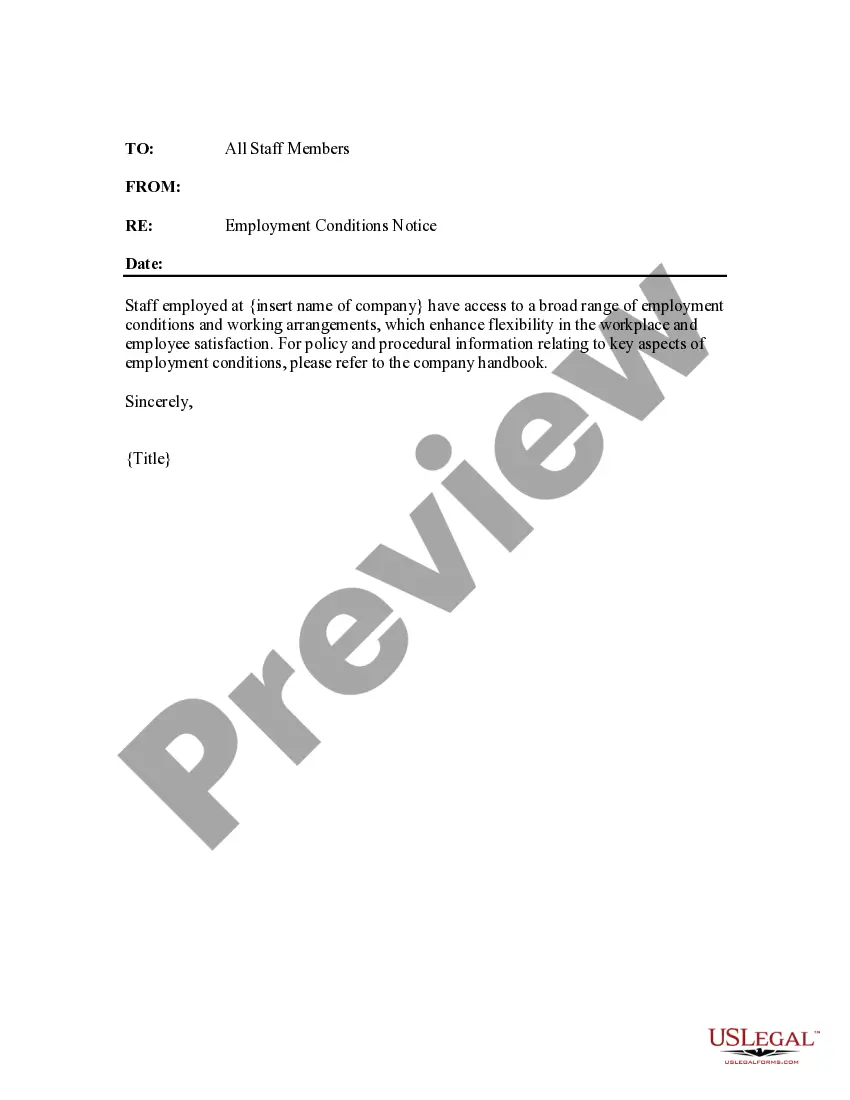
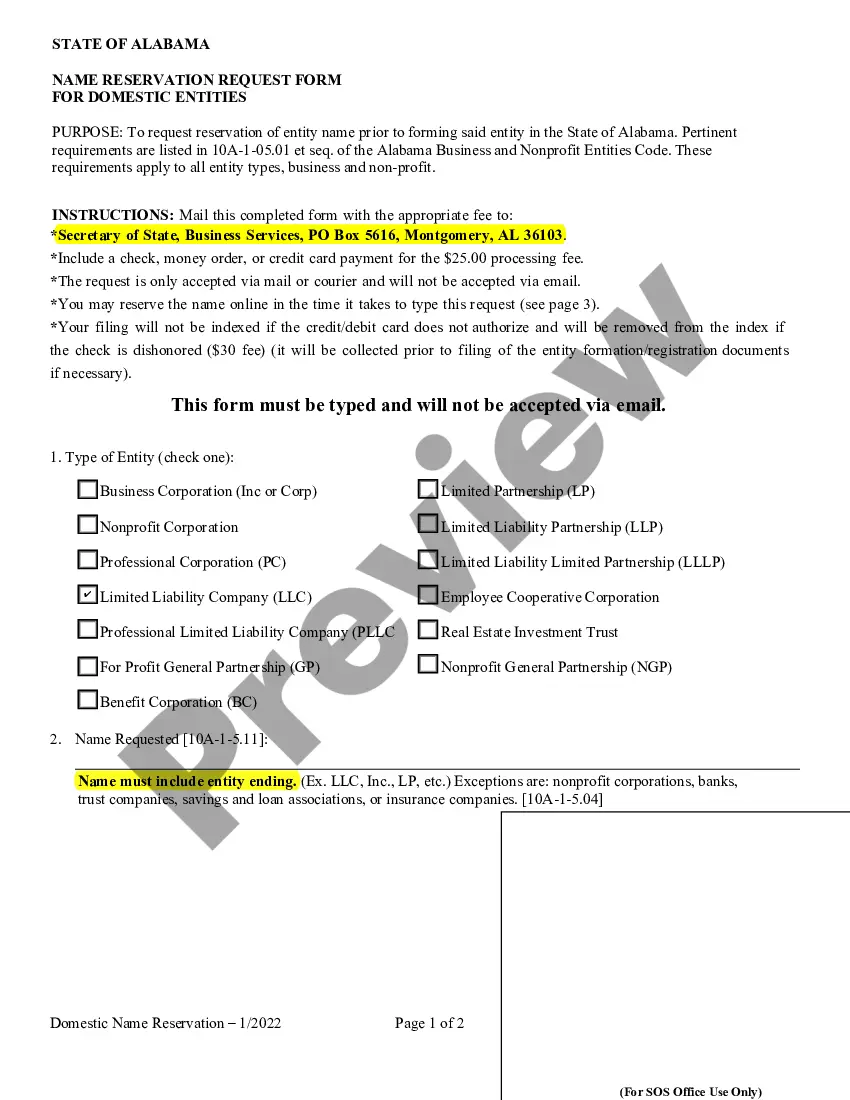



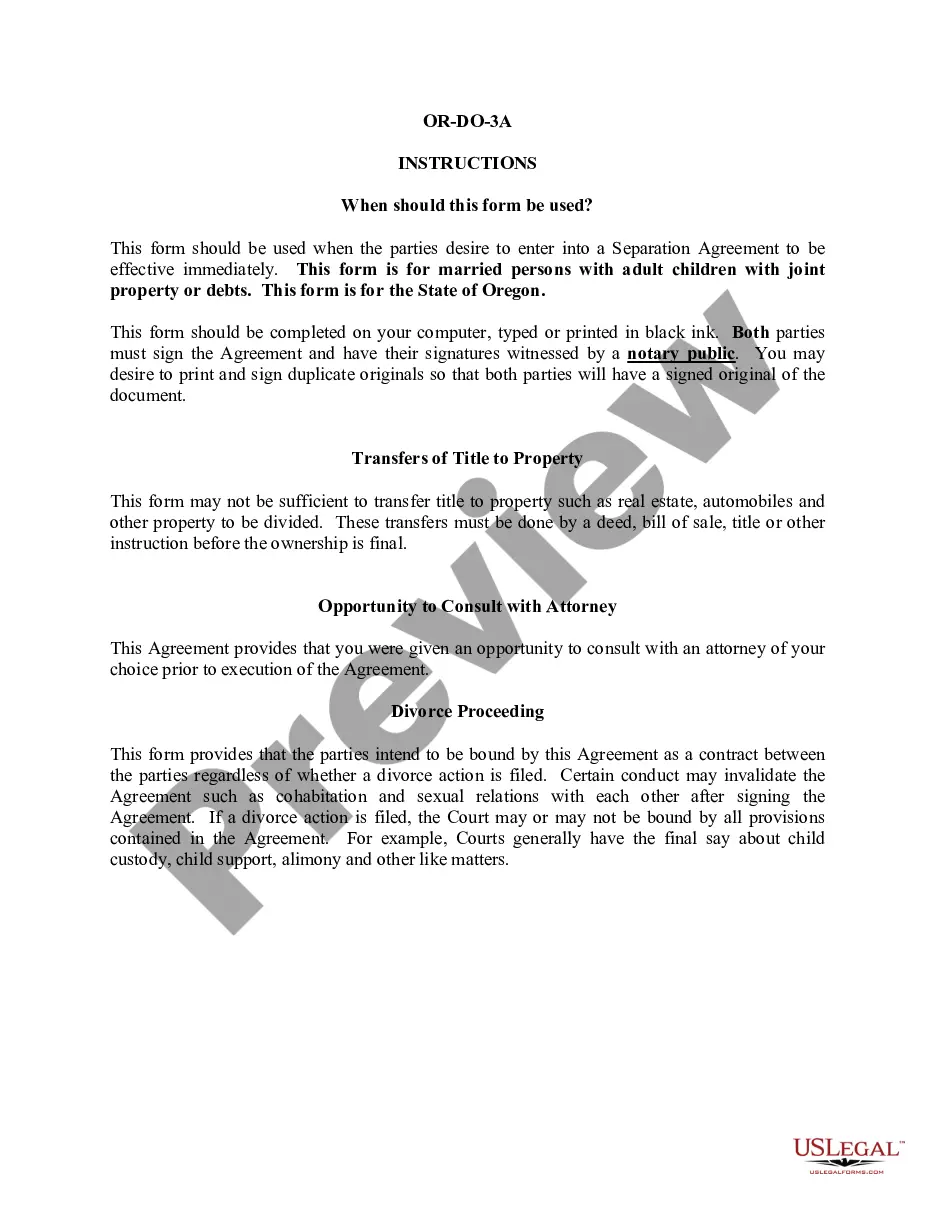




Form popularity
FAQ
When someone dies, their beneficiaries have up to two years to open probate. Once probate is opened, there aren't any time limits that will cause the case to expire.
As long as there aren't any contests to the will or objections to the executor's actions, the executor will be allowed to settle the estate at the conclusion of the four-month waiting period. That means an executor who is on top of their responsibilities could theoretically wrap up probate in as little as four months.
Personal representatives (i.e., executors and administrators of the estate) are required to provide beneficiaries and other interested parties (i.e., persons or entities with a financial stake in the estate) with financial information about the estate they are overseeing.
Required to present their claims within four months after the date of the first publication of the notice to creditors or the claims will be forever barred. required to present their claims within four months after receipt of the notice to creditors by mail or the claims will be forever barred.
Each situation is different and some estates may be more complex than others, such as estates where real estate and other assets were bought or sold before distribution to the beneficiaries. However, the average trust should be fully distributed within 12 to 18 months once the trust administration has begun.
An estate beneficiary has a right to sue the executor or administrator if they are not competently doing their job or are engaged in fiduciary misconduct.
Can You Sue an Estate After Probate? Typically, no. Texas law states that claimants must make their claims on an estate before probate closes. However, many claimants can still seek payment from beneficiaries who received assets from the estate during distribution.
What does an executor do? applying to admit the will to probate. applying for letters testamentary or letters of administration. helping with burial arrangements. notifying the heirs and beneficiaries. filing legal paperwork. collecting, securing, and appraising property. managing bank accounts, insurance, etc.
Section 304.003 - Persons Disqualified To Serve As Executor Or Administrator (a) Except as provided by Subsection (b), a person is not qualified to serve as an executor or administrator if the person is: (1) incapacitated; (2) a felon convicted under the laws of the United States or of any state of the United States ...
Arizona Rule of Probate procedure Rule 51 says, you have two years to get this project done, or the court's gonna kick you out. It's the administrative closure rule. How does that apply? Most probate cases are gonna take about a year to get done.

