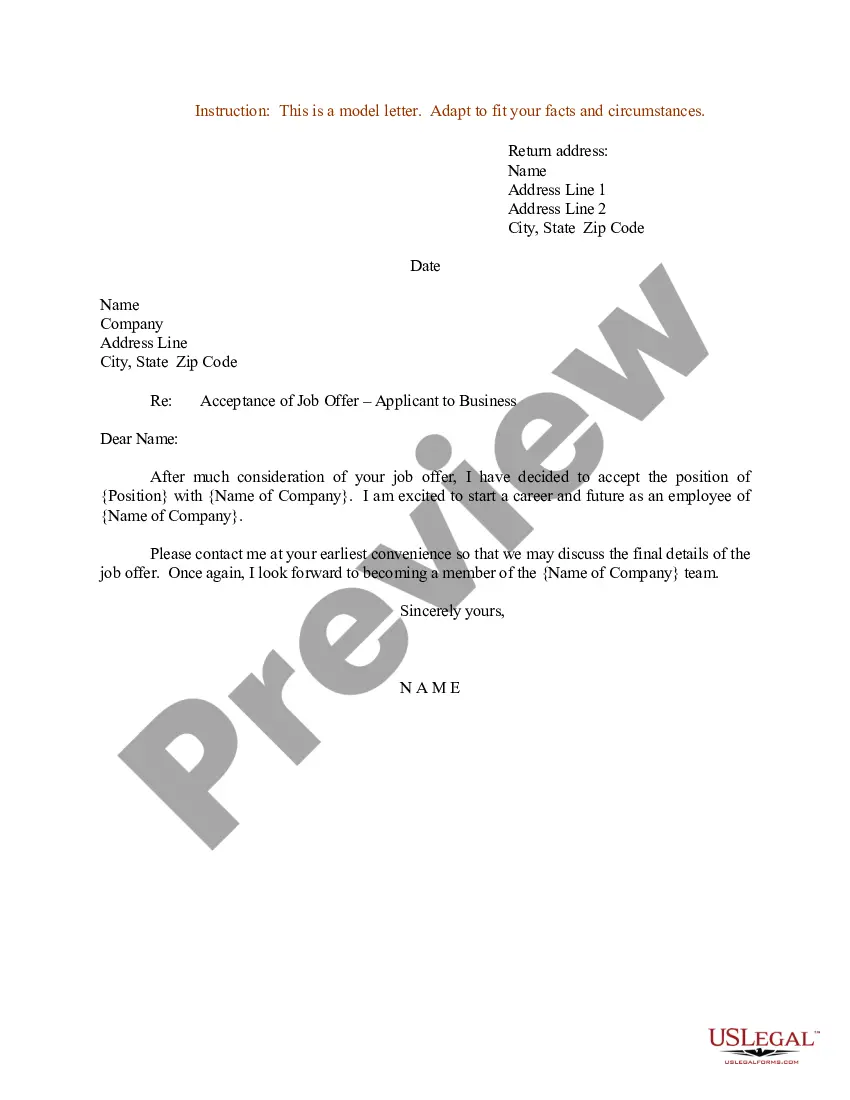
Sample Claim Statement With Example In Middlesex
Description


Get your form ready online
Our built-in tools help you complete, sign, share, and store your documents in one place.
Make edits, fill in missing information, and update formatting in US Legal Forms—just like you would in MS Word.
Download a copy, print it, send it by email, or mail it via USPS—whatever works best for your next step.
Sign and collect signatures with our SignNow integration. Send to multiple recipients, set reminders, and more. Go Premium to unlock E-Sign.
If this form requires notarization, complete it online through a secure video call—no need to meet a notary in person or wait for an appointment.
We protect your documents and personal data by following strict security and privacy standards.

Make edits, fill in missing information, and update formatting in US Legal Forms—just like you would in MS Word.

Download a copy, print it, send it by email, or mail it via USPS—whatever works best for your next step.

Sign and collect signatures with our SignNow integration. Send to multiple recipients, set reminders, and more. Go Premium to unlock E-Sign.

If this form requires notarization, complete it online through a secure video call—no need to meet a notary in person or wait for an appointment.

We protect your documents and personal data by following strict security and privacy standards.
Looking for another form?




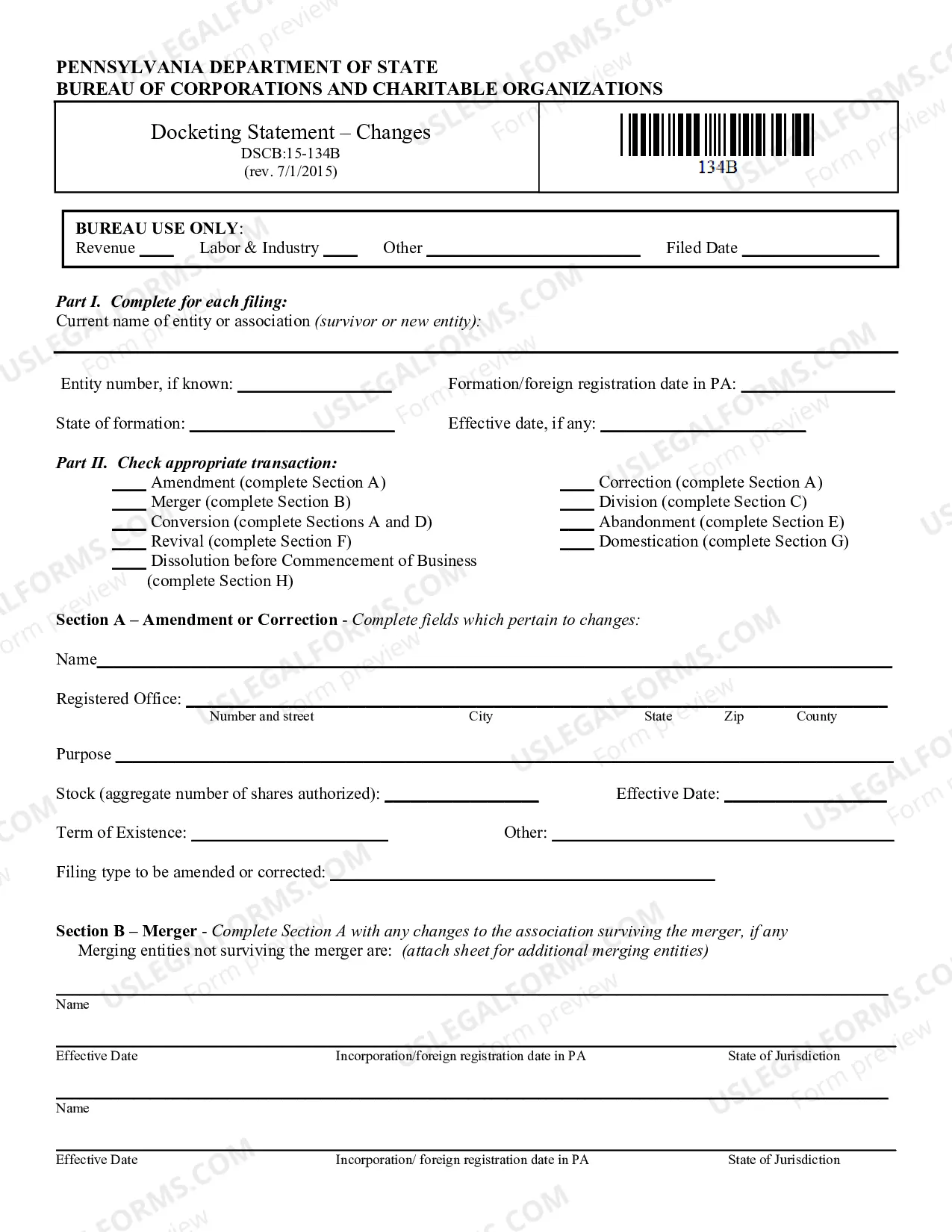

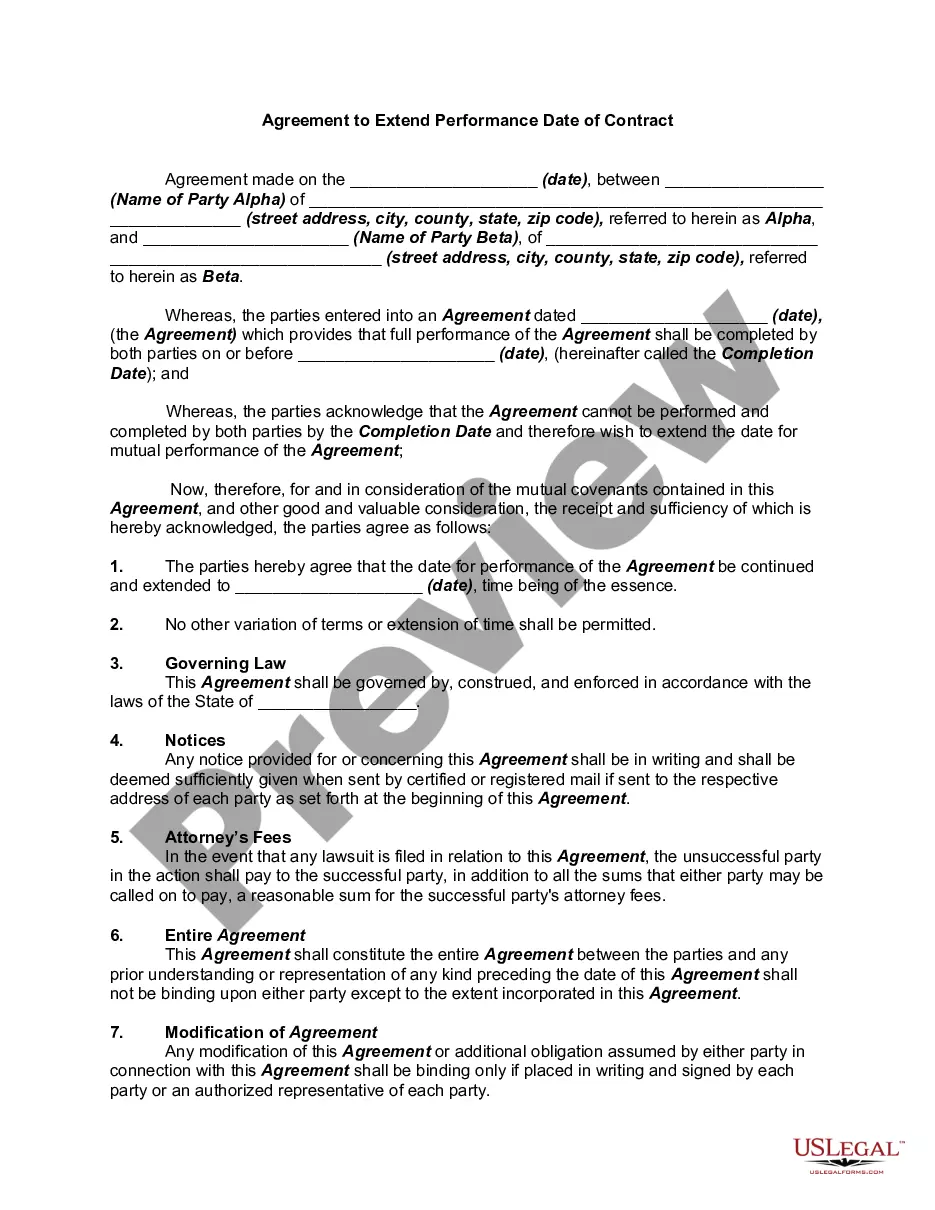
Form popularity
FAQ
Focus on making your statement clear and to the point. Example: “I am submitting this statement to support my claim for service connection for a knee injury sustained during combat operations in Afghanistan in March 2015. This injury has significantly reduced my mobility and continues to affect my daily life.”
Authors using logic to support their claims may include a combination of different types of evidence, which may include the following: established facts. case studies. statistics. experiments. analogies and logical reasoning. citation of recognized experts on the issue.
I began to develop a ringing in my ears during my service that never went away. I also believe I began developing hearing loss during that time as well. I did not seek medical treatment because I had no idea that the ringing would worsen over the course of my lifetime or that it was a serious condition.
Your personal statement is the most important part of your application to university. It explains who you are, why you think you are a good applicant and why you want to study the course you have chosen. It is about 400 words/47 lines and needs to be submitted along with the rest of your UCAS application.
So, if you are writing a buddy statement for a family member with PTSD, you might write, “My brother, Veteran, currently shows signs of anger issues, anxiety, panic attacks, and insomnia. He has angry outbursts about three times per week.” Be sure to only include facts like this if you know that they're true.
A Statement in Support of Claim will ask for your full name, Social Security number, birth date, contact information, and VA file number. Include your service details. Include your military branch, enlistment dates, and any deployments. Outline your disability.
What is an example of a claim? A claim answers a debatable question posed by a writer, which then is proved in a paragraph or essay. For example, "Dogs make better pets than cats" is a claim that can be argued.
There are three key areas your personal statement should cover: Why do you want to study your chosen subject? What relevant skills and knowledge do you already have about this subject? What do you do when you're not studying?
To get admission to the university successfully, students must meet the entry requirements. International students need to submit their English Language test scores for any IELTS/TOEFL/PTE. The Middlesex University acceptance rate is 57%, which makes admission competitive for international students.