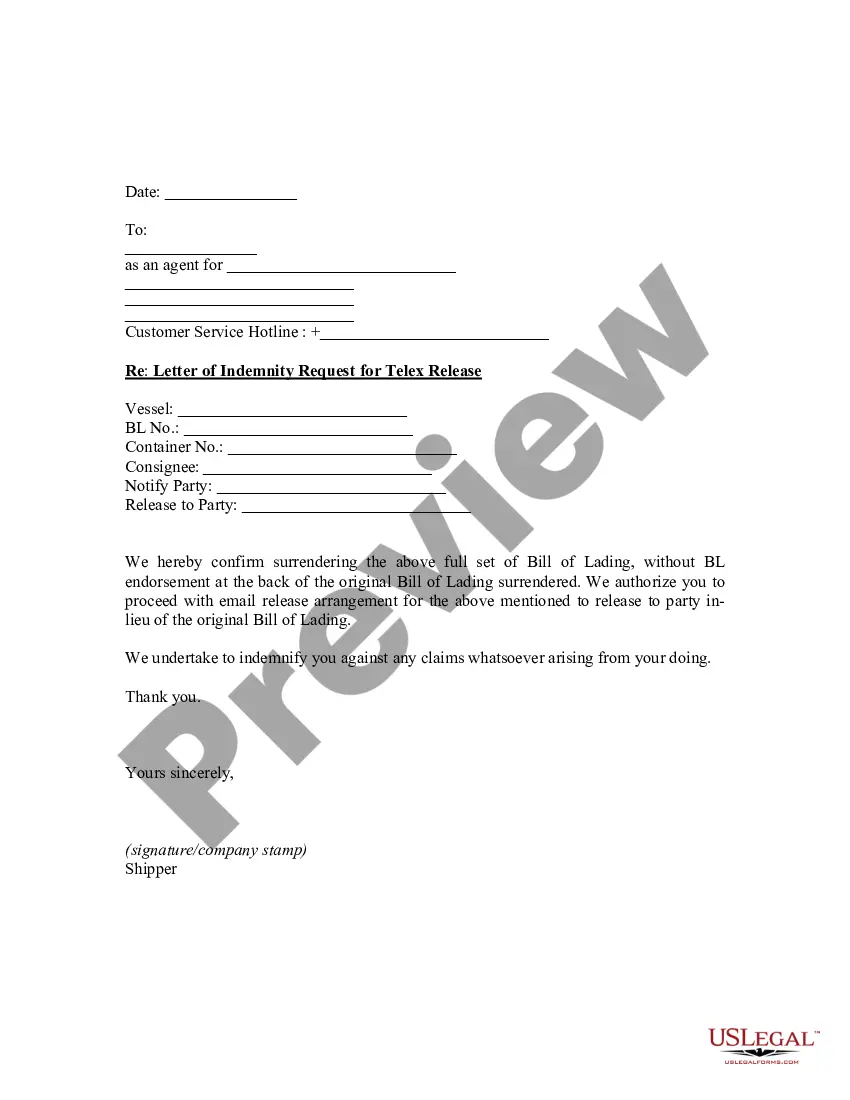
Claim Against Estate File Formal In Middlesex
Description


Get your form ready online
Our built-in tools help you complete, sign, share, and store your documents in one place.
Make edits, fill in missing information, and update formatting in US Legal Forms—just like you would in MS Word.
Download a copy, print it, send it by email, or mail it via USPS—whatever works best for your next step.
Sign and collect signatures with our SignNow integration. Send to multiple recipients, set reminders, and more. Go Premium to unlock E-Sign.
If this form requires notarization, complete it online through a secure video call—no need to meet a notary in person or wait for an appointment.
We protect your documents and personal data by following strict security and privacy standards.

Make edits, fill in missing information, and update formatting in US Legal Forms—just like you would in MS Word.

Download a copy, print it, send it by email, or mail it via USPS—whatever works best for your next step.

Sign and collect signatures with our SignNow integration. Send to multiple recipients, set reminders, and more. Go Premium to unlock E-Sign.

If this form requires notarization, complete it online through a secure video call—no need to meet a notary in person or wait for an appointment.

We protect your documents and personal data by following strict security and privacy standards.
Looking for another form?
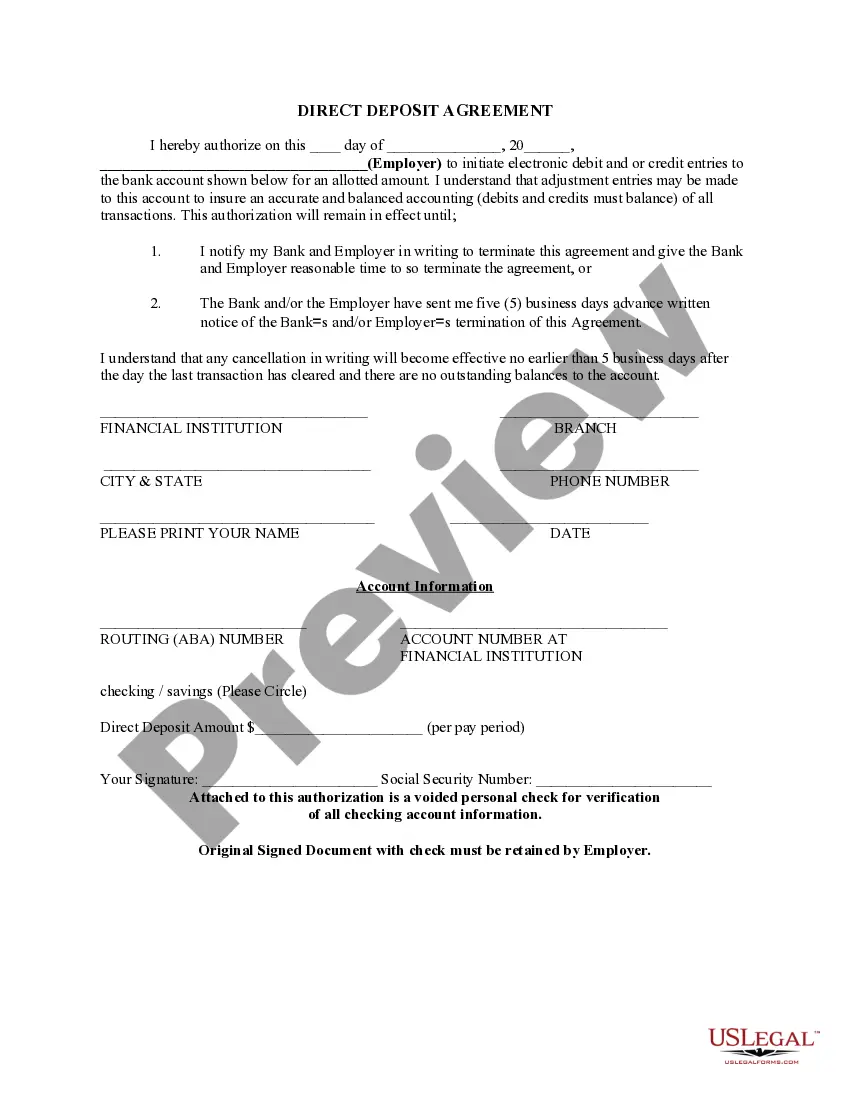


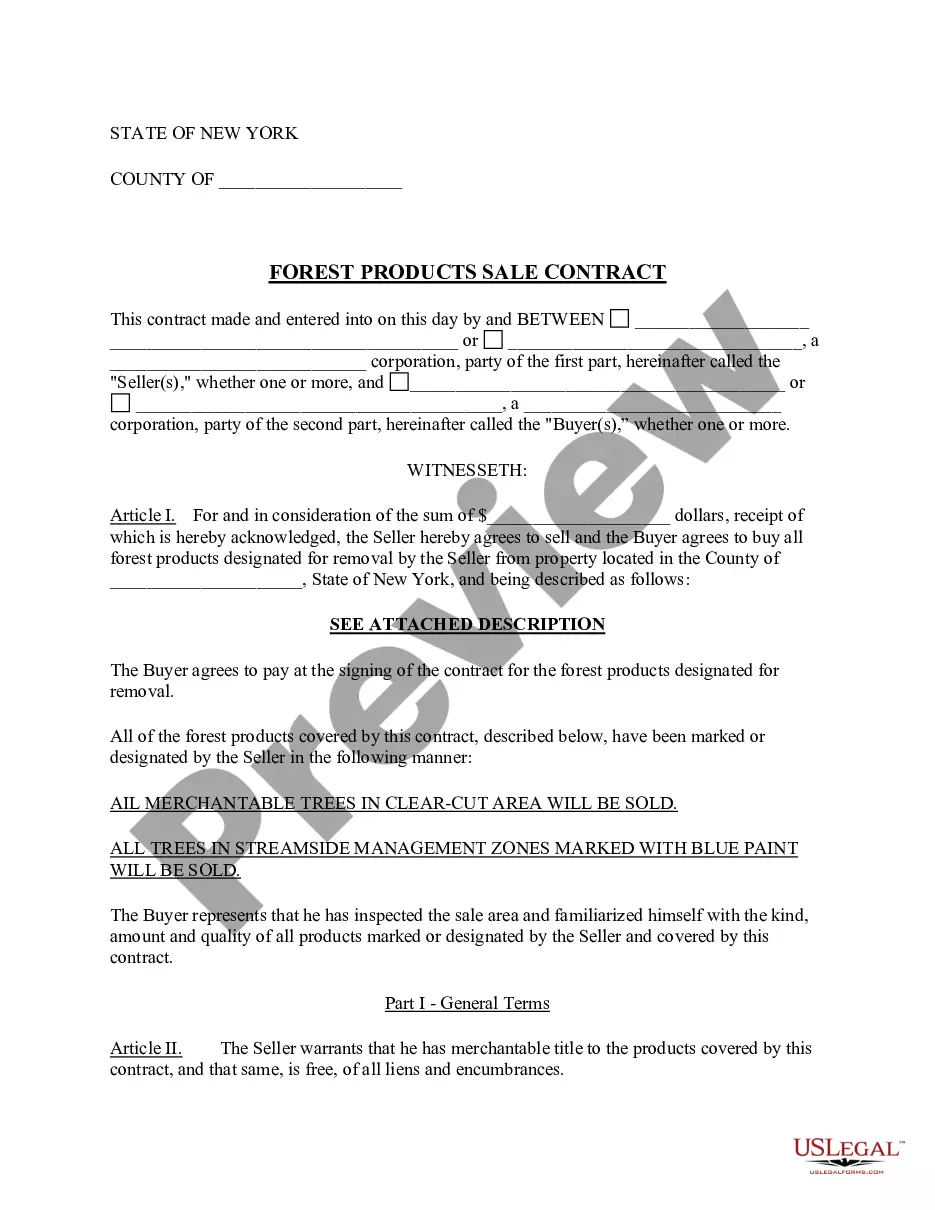
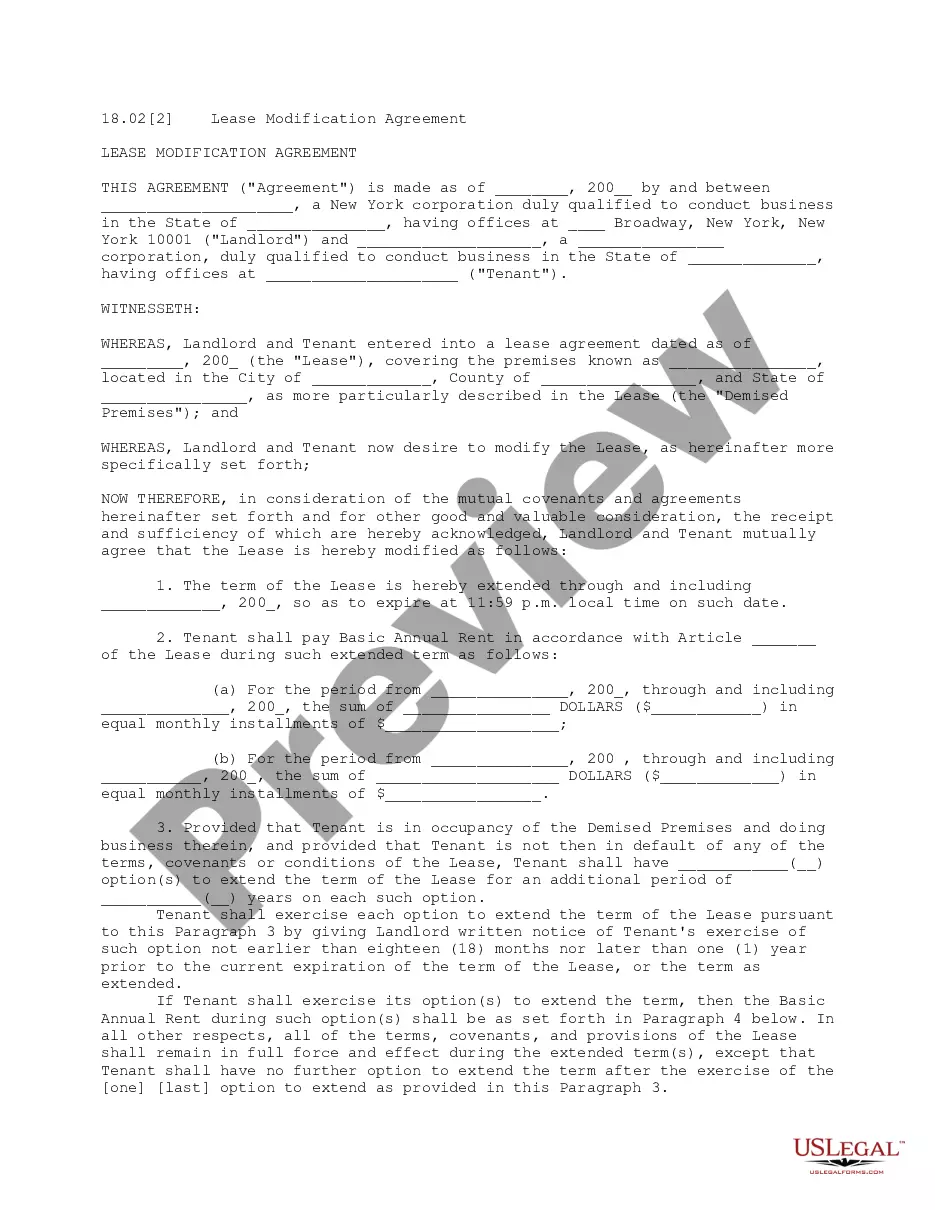


Form popularity
FAQ
Ask the County Clerk or search online for your county's probate forms. Fill out the forms with the requested details, such as the decedent's full name, address, date of birth, and date of death; their personal representatives' contact details; heirs; estate value; and more. Then return the forms to the County Clerk.
Filing a claim against an estate is a fairly simple process: In the claim, you'll state under oath that the debt is owed and provide details on the amount of the debt and any payments the decedent made. If you have written documentation, you can attach it to your claim.
Understanding the Deceased Estate 3-Year Rule The core premise of the 3-year rule is that if the deceased's estate is not claimed or administered within three years of their death, the state or governing body may step in and take control of the distribution and management of the assets.
Under Massachusetts law (MA Gen L ch 190B § 3-803), creditors have one year from the date of the decedent's death to assert their claims against the estate. This is a shorter time frame than in many other states, which often allow creditors two or more years to make their claims.
Submit your claim directly to the probate court and serve a copy on the personal representative. If you file a formal claim and the personal representative rejects it, you can file suit against the estate within three months of the rejection.
More Definitions of Property Claim Property Claim means any claim or demand arising from or related to direct, physical loss or damage to the Real Property that is required to be covered by the Property Insurance Policies.
After someone dies, certain individuals have a legal right to make a claim to the estate if they feel that they haven't been adequately provided for in the deceased's will. These individuals include the deceased's spouse and their children, amongst others.
Under the LRPMA 1934, eligibility very much depends on if the deceased left a Will. If they did, then the Executor of their Estate, named in the Will, is eligible to bring or continue a claim. If the deceased did not leave a Will, then a set list is followed as outlined in the Administration of Estates Act 1945.